Top 4 Castles around Wessenberg
Best castles around Wessenberg are found in a region characterized by its mountainous terrain and historical significance. This area, often associated with the Vosges mountains, features a landscape of peaks, forests, and valleys. It offers a blend of natural beauty and historical sites, including ancient fortifications and towers. The region provides opportunities for exploring both its natural features and its rich past.
Best castles around Wessenberg
- The most popular castles is Ballon de Servance, a summit that belongs to…
Last updated: June 24, 2026
Ballon de Servance
Highlight • Summit
The highest point in the Haute-Saône department, the Ballon de Servance is partly …
Translated by Google •
Tip by

Fort de Giromagny
Highlight • Historical Site
Translated by Google •
Tip by

Sign up now to discover places like this
Get recommendations on the best single tracks, peaks, & plenty of other exciting outdoor places.
Sign up for free
Ruins of Rougemont Castle
Highlight • Castle
Translated by Google •
Tip by

Miotte Tower
Highlight • Monument
It is only open to visitors on Sundays between 10:00 and 12:00 and admission costs EUR 5.
Translated by Google •
Tip by

Fort Salbert
Highlight • Historical Site
Translated by Google •
Tip by

Start today with a free account
Your next adventure awaits.
Login or Signup
Tips from the Community

old castle ruins
0
0

The opening times are published online and it's worth investing the €4 for entry. The complex is huge, although not all rooms are accessible. We visited without a guide, but were provided with detailed information material - in German! A very interesting complex that is maintained by a club. Respect!!!
0
0

This fort was built between 1875 and 1879. The fort forms the southern end of the defensive curtain of the Haute Moselle region, adjoining the fortified region of Belfort, which extends to the south. The fort was built as part of the French Séré de Rivières system of fortifications to defend France against a recurrence of the Prussian invasion of the Franco-Prussian War of 1870–1871. The fort was one of the most heavily armed forts in the northeast during the late 19th and early 20th centuries. Entrance 3€/pers. (free for accompanied children under 12). OPENING EVERY SUNDAY and public holidays from July 3 to September 18 (inclusive): from 2 p.m. to 6 p.m. (entrances close at 5:15 p.m.) Possibility of guided tour from April to October (Reservation required).
0
0

The fort of Giromagny, built between 1875 and 1879, is part of a line of defense called Haute-Moselle set up at the time. It was used during the First and Second World Wars, but remained abandoned for a long time. It was bought by the municipality in 1988. Since then, it has been restored and is open to visitors.
2
0
The fort of Giromagny, built between 1875 and 1879, is part of a line of defense called Haute-Moselle set up at the same time. It was used during the First and Second World Wars, but remained abandoned for a long time. It was bought by the municipality in 1988. Since then, it has been restored and is open to visitors.
3
0

The Salbert is one of the southernmost mountains of the Vosges. At its summit you have an unobstructed view of the entire Territoire de Belfort. Le Salbert is a stronghold of local military history. Fort du Salbert still bears witness to this past today.
3
0

Started in 1831, roughly triangular in shape, it is a bastioned fort with a cavalier, intended to accommodate a dozen guns in the open air. On the west bastion stands a tower serving as an observatory. Hit by shells in 1870-1871 and in 1940, it was rebuilt each time, more for sentimental than military reasons. Indeed, before the construction of the fort, this place was already occupied by a very old stone tower of uncertain origins and destination, which has become a real symbol for the Belfortains.
0
0

The llamas around the tower are also worth seeing.😉
2
0
Frequently Asked Questions
What kind of historical sites can I explore around Wessenberg?
The Wessenberg region, situated in the Vosges mountains, is rich in historical sites and fortifications. You can visit places like Fort de Giromagny, a fort built between 1875 and 1879 that played a role in both World Wars and is now restored and open to visitors. Another significant site is Fort Salbert, one of the southernmost mountains of the Vosges, offering an unobstructed view of the entire Territoire de Belfort and bearing witness to local military history.
Are there any castle ruins to visit in the Wessenberg area?
Yes, you can explore the Ruins of Rougemont Castle. This 'Château Haut,' built by the Counts of Ferrette at the end of the 12th century, sits at an altitude of 736m and offers magnificent views of the plain. Archaeological excavations have dated its destruction to 1375, and panels on-site explain the castle's history.
What natural features and viewpoints can I find near the castles?
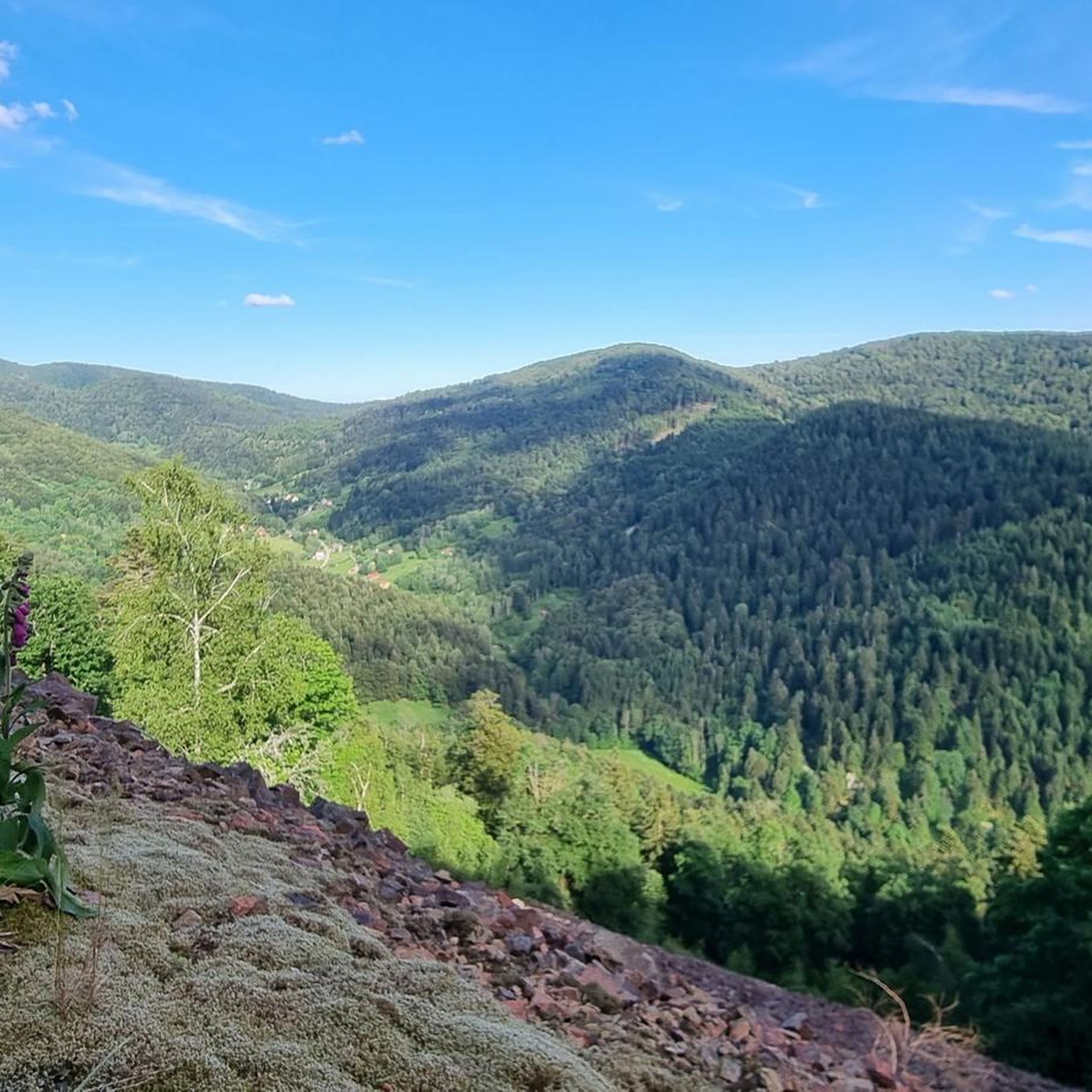
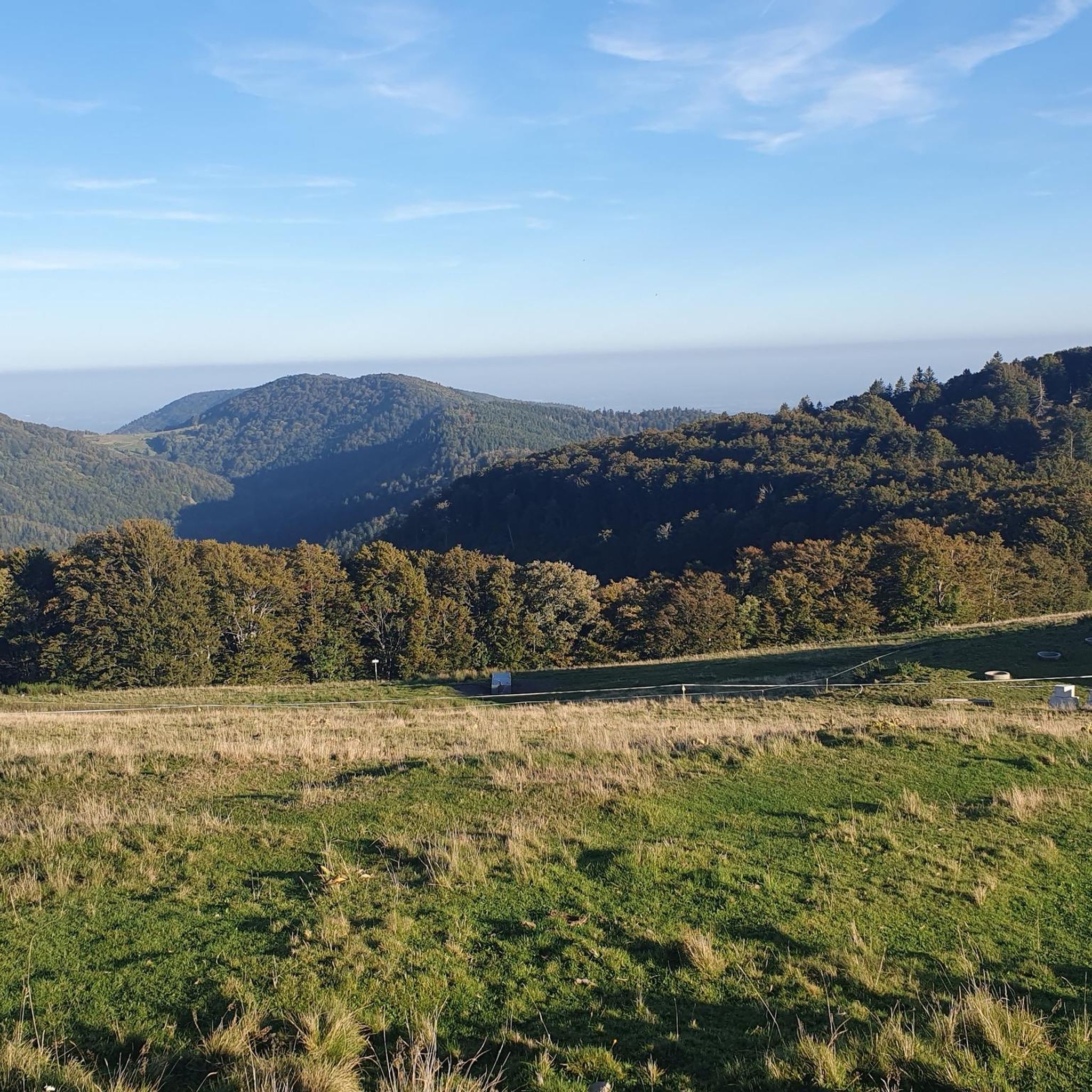
The Wessenberg region offers stunning natural beauty. For panoramic views, head to Ballon de Servance, a summit in the Vosges mountains rising to 1216 meters. Although partly used by the army, the summit is accessible to the public and provides extensive vistas. Another great viewpoint is from Miotte Tower, which offers magnificent views of the Vosges and the Etang des Forges.
Are there family-friendly historical sites or castles in the Wessenberg region?
Yes, Fort de Giromagny is considered family-friendly. It's a restored historical fort that offers an engaging experience for visitors of all ages, providing insight into military history in an accessible setting.
What outdoor activities can I do near the castles around Wessenberg?
The region around Wessenberg is excellent for various outdoor activities. You can find numerous road cycling routes, such as the 'Étang du Malsaucy – Véronne Pond loop from Lepuix,' or more challenging options like the 'Planche des Belles Filles – La Planche des Belles Filles loop.' For mountain biking, explore trails like 'Giromagny Fort – Enduro trail at Fort Dorsner loop.' There are also mountain hikes available, including routes around the Ballon d'Alsace. You can find more details on these activities in the Road Cycling Routes around Wessenberg, MTB Trails around Wessenberg, and Mountain Hikes around Wessenberg guides.
What is the best time to visit the castles and historical sites in Wessenberg?
The Wessenberg region, being part of the Vosges mountains, experiences distinct seasons. While some access roads to higher points like Ballon de Servance may partially close in winter due to snow, most historical sites and lower-altitude castles are generally accessible year-round. Spring and autumn offer pleasant temperatures for exploring and hiking, with vibrant foliage. Summer is ideal for outdoor activities, though it can be busier. Always check local conditions before your visit.
What do visitors enjoy most about the castles and historical sites in Wessenberg?
Visitors particularly appreciate the panoramic views offered by sites like Ballon de Servance and Miotte Tower. The historical significance and restoration efforts at places like Fort de Giromagny are also highly valued. Many enjoy the blend of natural beauty and rich history, with the opportunity to explore ancient fortifications and enjoy the surrounding landscapes.
Are there any unique or lesser-known historical landmarks in the area?
While not a castle, the Miotte Tower is a unique man-made monument and was Belfort's first landmark. It's only open to visitors on Sundays between 10:00 and 12:00, offering a more exclusive experience and magnificent views. The llamas around the tower are also a charming, unexpected sight.
Can I combine a visit to a castle with a hike or bike ride?
Absolutely. Many of the historical sites and viewpoints, such as Ballon de Servance and Fort Salbert, are integrated into the region's extensive network of trails. You can easily plan a route that includes exploring a castle or ruin and then continuing on a hike or bike ride through the surrounding Vosges mountains. Check the Mountain Hikes around Wessenberg or MTB Trails around Wessenberg guides for specific routes.
What is the historical context of the Wessenberg region's fortifications?
The Wessenberg region, particularly around Belfort, has a significant military history, reflected in its numerous fortifications. Sites like Fort de Giromagny and Fort Salbert are part of a defensive line established in the late 19th century. Earlier structures, such as the Ruins of Rougemont Castle, date back to the 12th century, highlighting the region's strategic importance over centuries.
Are there any castles or historical sites that offer a good view of the surrounding landscape?
Many sites in the Wessenberg region are chosen for their strategic views. Ballon de Servance, as the highest point in the Haute-Saône department, offers extensive panoramic views. Similarly, Fort Salbert provides an unobstructed view of the entire Territoire de Belfort. The Ruins of Rougemont Castle also boast magnificent views of the plain from its elevated position.
Most popular routes around Wessenberg
Most popular attractions around Wessenberg

Get inspired with the komoot mobile app


Explore more
Looking for the best castles somewhere else? Discover other guides around Wessenberg:
