The best road cycling routes around Mazan-L'Abbaye
4.5
(65)
1,645
riders
64
rides
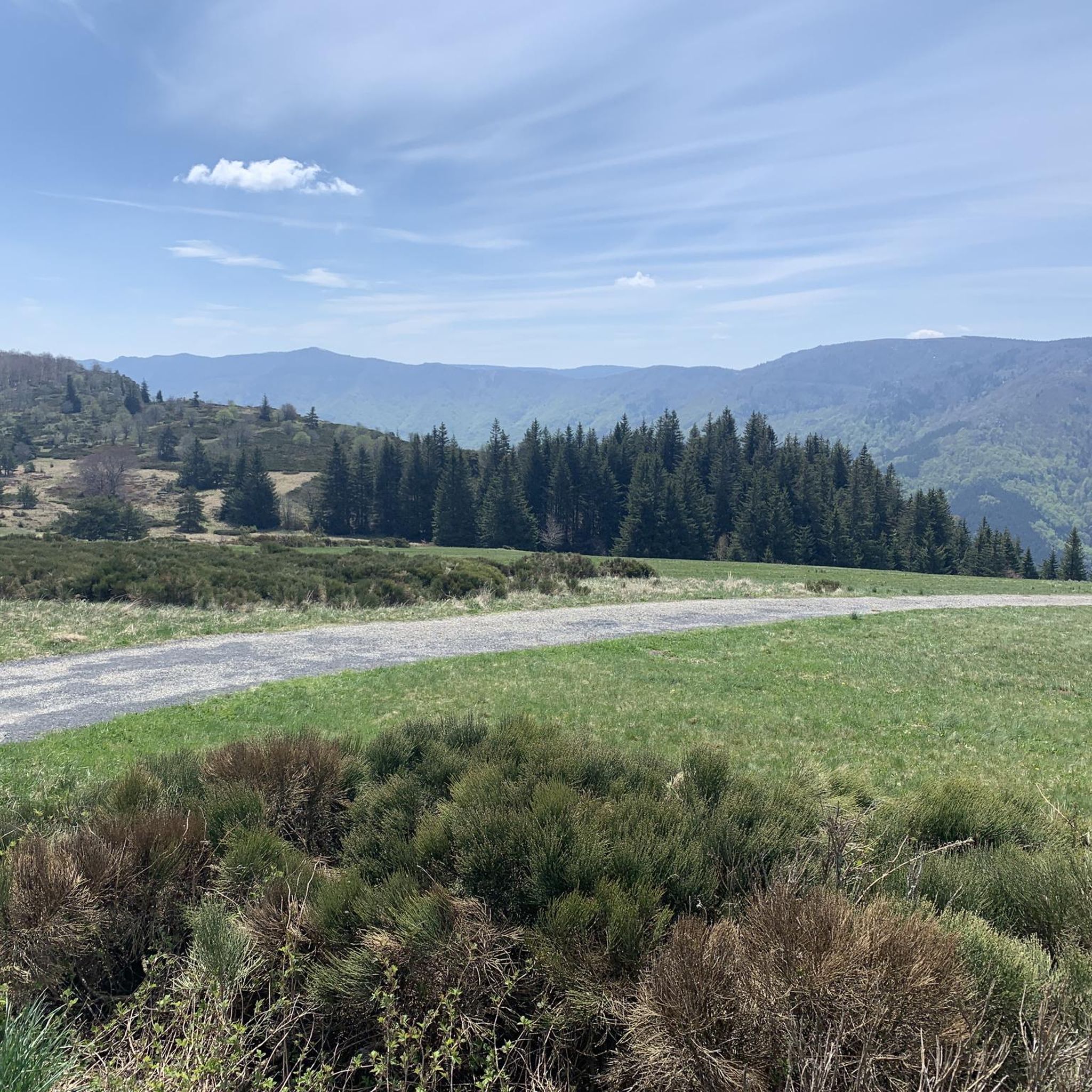
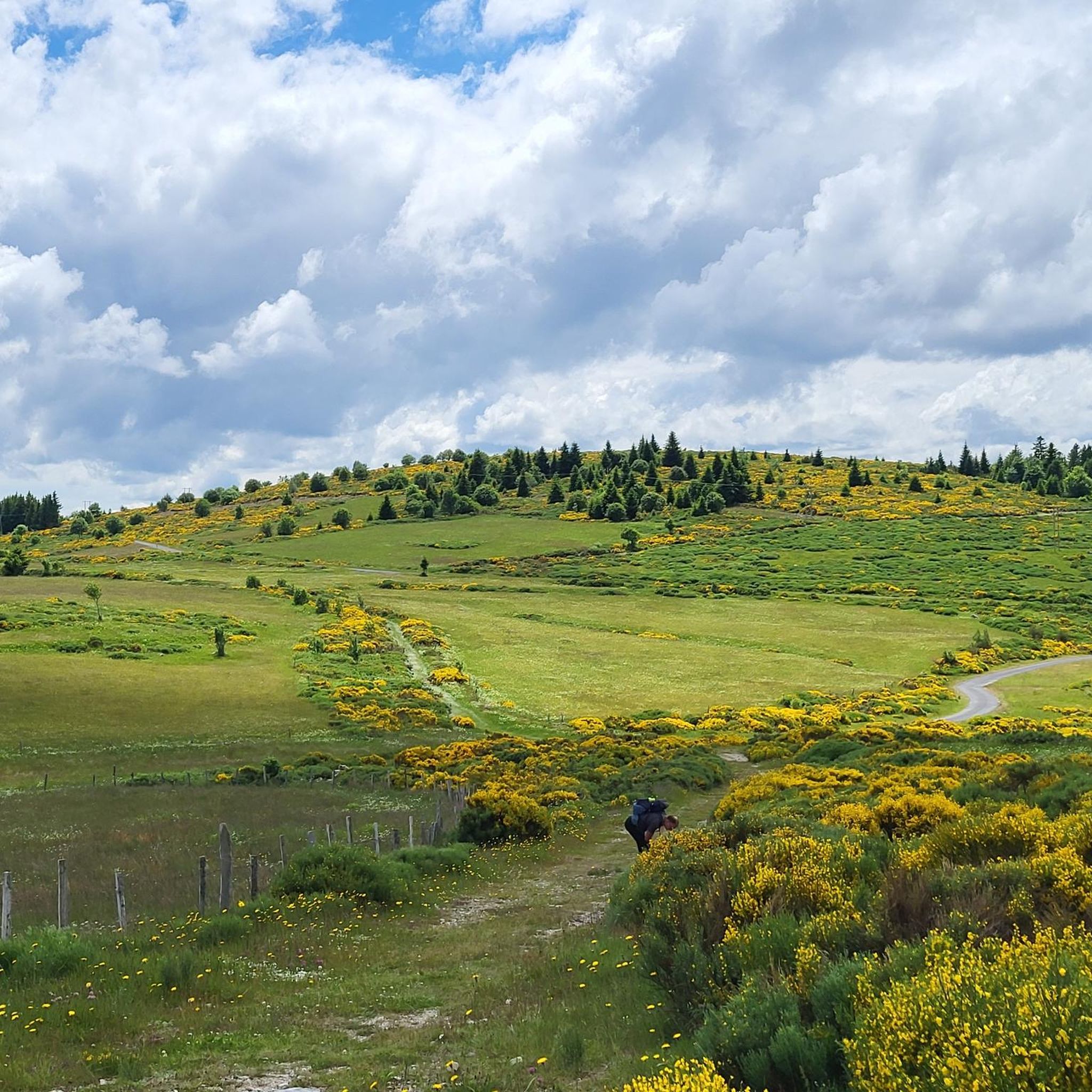
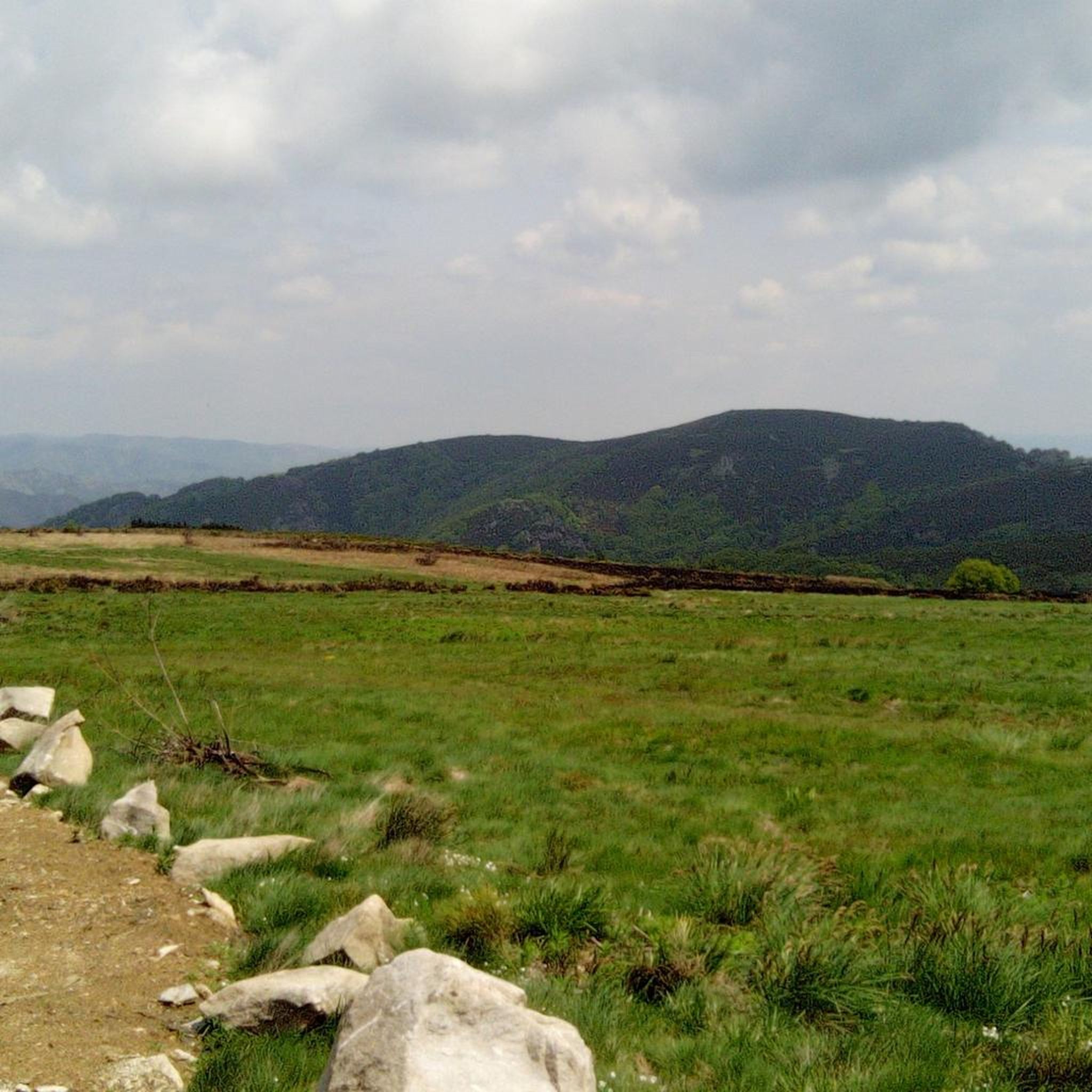
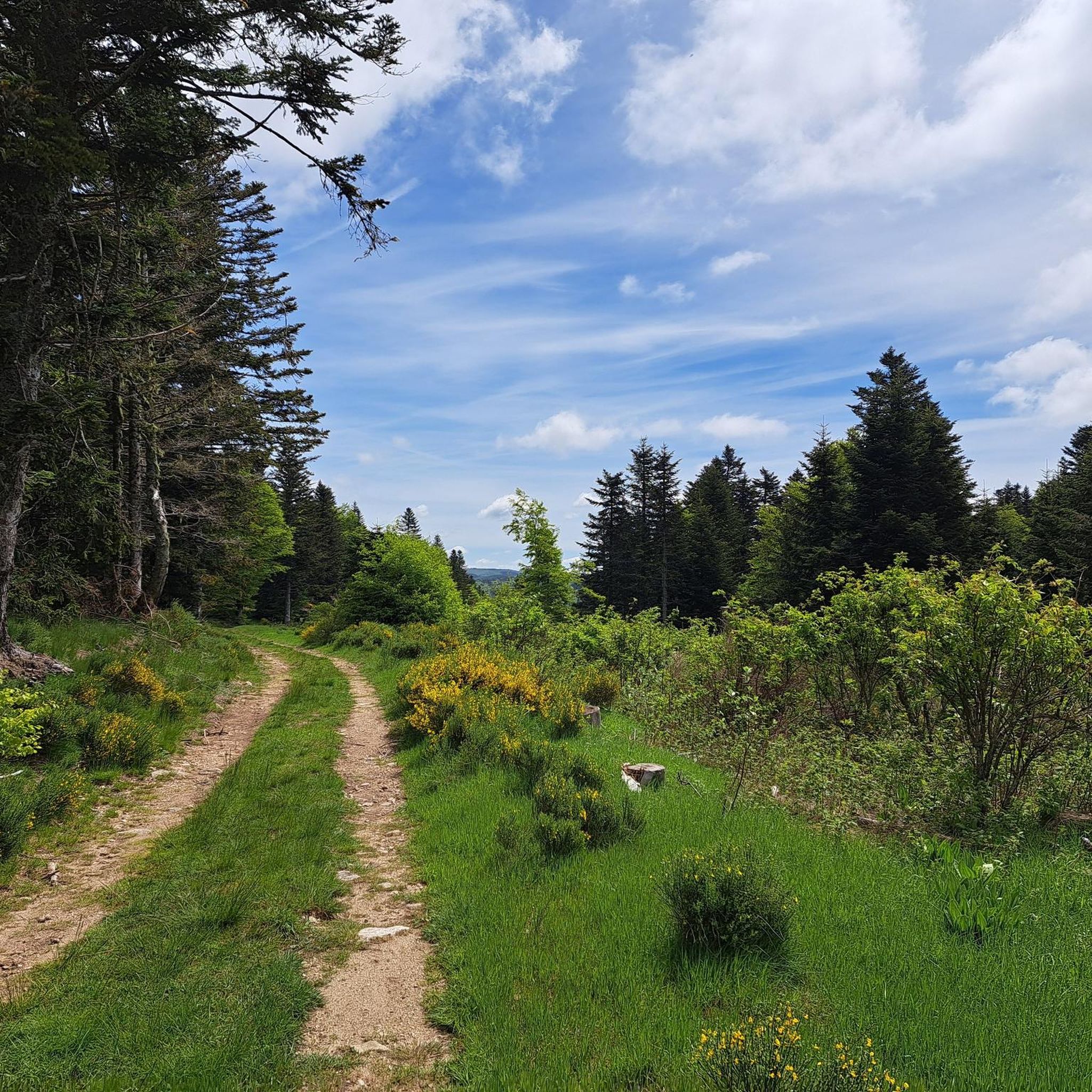
Road cycling routes around Mazan-L'Abbaye traverse the varied terrain of the Ardèche Mountains, characterized by immense national forests featuring conifers, beeches, and maples. The region includes low mountain range forests, moorland, and hayfields, offering diverse landscapes for cyclists. Numerous viewpoints, such as those at Chaumienne and Serre de la Pierre Plantée, provide expansive vistas of the surrounding mountainous terrain. The area's natural features make it a destination for road cyclists seeking routes with significant elevation changes and scenic backdrops.
Best…
Last updated: July 13, 2026
4.6
(15)
428
riders
98.5km
05:40
2,300m
2,300m
Hard road ride. Very good fitness required. Mostly well-paved surfaces and easy to ride.
5.0
(1)
89
riders
81.9km
04:28
1,730m
1,730m
Hard road ride. Very good fitness required. Mostly well-paved surfaces and easy to ride.

Sign up for free
28
riders
92.5km
04:55
1,700m
1,700m
Hard road ride. Very good fitness required. Some segments of this route may be unpaved and difficult to ride.
14
riders
34.6km
01:47
610m
610m
Moderate road ride. Good fitness required. Mostly well-paved surfaces and easy to ride.
8
riders
54.4km
02:43
860m
860m
Moderate road ride. Good fitness required. Mostly well-paved surfaces and easy to ride.
Get access to more routes and recommendations from other explorers.
Sign up for free
Already have an account?
Our route recommendations are based on thousands of hikes, rides, and runs completed by other people on komoot.
Start today with a free account
Your next adventure awaits.
Login or Signup
Tips from the Community

The Ferme de Clastre is part of the last 15 thatched cottages still "standing" on the Mezenc-Gerbier massif and it is the last one located in the heart of the village. It has the particularity of having a double roof: mineral, made of phonolite slabs, for the two living quarters, and vegetal, dotted with broom, for the stable and hayloft part. The oldest writings found concerning the Ferme de Clastre indicate that its foundation dates back to the 11th century. Clastre, from the Latin "claustrum", was a non-conventual priory attached to the Abbey of Saint Chaffre du Monastier sur Gazeile. However, following two archaeological excavation campaigns carried out by the CNRS in Rennes in 2014 and 2016, charcoal dating has made it possible to prove human presence on this site dating back to 880-970, i.e. about 100 years earlier than the foundation of the priory. https://www.fondation-patrimoine.org/les-projets/ferme-de-clastre-a-sainte-eulalie/30888
0
0
Etymology: comes from Mas d’Adam, the name of the old estate that was located on the site of the current village, which was ceded by the lord of Géorant to the bishop of Viviers to allow him to found the abbey of Mazan. It all begins with the foundation of the Cistercian abbey in the heart of the village. This takes place between 1119 and 1122. At the beginning of the 12th century, canons came to settle on the site of Mas d’Adam (a toponym that would evolve into MAZAN), and were joined by monks from the abbey of Bonnevaux. These religious men built a huge abbey, of which only the remains exist today, which experienced a period of apogee that lasted until the Hundred Years' War. It gave birth to four other abbeys which are Bonneval, Sénanque, Sylvanès and le Thoronet as well as establishments for nuns. After this prosperous period, misfortunes followed one another at the abbey of Mazan: it was plundered by the great companies of the Hundred Years' War, then attacked by the Huguenots in the modern period. Before this last looting, the monks, according to legend, would have melted a golden bell with all their treasures, which they would have buried somewhere, facing and opposite the bull's-eye window, within earshot of the rooster's crow. montagnedardeche.com/patrimoine-culturel/village-de-mazan-labbaye-2387
0
0
Etymology: comes from Mas d’Adam, name of the old domain which was located at the site of the current village which was ceded by the lord of Géorant to the bishop of Viviers to allow him to found the abbey of Mazan. It all begins with the foundation of the Cistercian abbey in the heart of the village. This takes place between 1119 and 1122. At the beginning of the 12th century, canons came to settle on the site of Mas d’Adam (toponym that would evolve towards MAZAN), and were joined by monks from the abbey of Bonnevaux. These religious men built an immense abbey, of which only the remains are left today, which experienced a period of apogee that lasted until the Hundred Years' War. It gave birth to four other abbeys which are Bonneval, Sénanque, Sylvanès and le Thoronet as well as establishments of nuns. After this prosperous period, misfortunes followed one another at the abbey of Mazan: it was plundered by the great companies of the Hundred Years' War, then attacked by the Huguenots in the modern period. Before this last pillage, the monks, according to legend, would have melted a golden bell with all their treasures, which they would have buried somewhere, opposite and in front of the bull's eye, within earshot of the cock's crow. https://www.montagnedardeche.com/patrimoine-culturel/village-de-mazan-labbaye-2387/
0
0
Located at an altitude of 1,330 meters, Lachamp-Raphaël is the highest village in the Ardèche. Dominated by the Montivernoux peak, the village offers exceptional panoramic views of the Alps and the Ardèche mountains. https://lachamp-raphael.fr/
0
0
Eight million years old, Mont Gerbier-de-Jonc owes its conical shape to a viscous, cold lava that was unable to flow away. It is at its foot that the Loire River originates, in three places respectively designated as the geographical, authentic, and true sources. What if the Loire, in addition to its long journey to the Atlantic, also flowed into the Mediterranean? This is the intriguing hypothesis formulated by Gilles Clément after climbing the mountain following a period of drought, during which he nevertheless perceived a regular seepage in the rock. He imagines that Mont Gerbier-de-Jonc functions, in part, as a "water tower": a water trap based on the condensation of water vapor from clouds in desert regions. The collected water would flow at the foot of Mont Gerbier, towards the Atlantic Ocean and the Mediterranean Sea. https://www.lepartagedeseaux.fr/le-parcours-artistique/les-oeuvres-in-situ/la-tour-a-eau/
0
0

superb pass from Largentière
0
0


Frequently Asked Questions
What kind of terrain can I expect on road cycling routes around Mazan-L'Abbaye?
Road cycling routes in Mazan-L'Abbaye traverse the varied terrain of the Ardèche Mountains. You'll encounter immense national forests with conifers, beeches, and maples, as well as low mountain range forests, moorland, and hayfields. The region is known for significant elevation changes, offering a diverse and challenging landscape for cyclists.
How many road cycling routes are available in Mazan-L'Abbaye?
There are over 60 road cycling routes available around Mazan-L'Abbaye on komoot. These routes cater to various skill levels, with options ranging from moderate loops to difficult climbs through the mountainous terrain.
Are there any easy road cycling routes for beginners in Mazan-L'Abbaye?
While many routes in Mazan-L'Abbaye are moderate to difficult due to the mountainous terrain, there is at least one easy road cycling route available. Most routes feature significant elevation changes, so beginners should look for routes specifically marked as 'easy' or 'moderate' with lower elevation gains.
What are some challenging road cycling climbs or routes in the area?
For challenging climbs, consider routes like the Col de La Croix de Millet – Col de Meyrand Viewpoint loop from Col de la Chavade, which covers 98.5 km with over 2,300 meters of ascent. Another demanding option is the View of the Ardèche Valley – Col du Pendu (1435 m) loop from Col de la Chavade, an 81.9 km route with over 1,700 meters of climbing, offering extensive views across the Ardèche Valley.
What natural attractions can I see along the road cycling routes?
The region offers numerous natural attractions. You can cycle past the beautiful Lac d’Issarlès, a stunning lake, or explore areas with unique geological features like the Rue des Géants Basalt Columns. The routes also offer breathtaking viewpoints, such as those at Chaumienne and Serre de la Pierre Plantée, providing expansive vistas of the surrounding mountainous terrain.
Are there any historical or cultural landmarks to visit near the cycling routes?
Yes, Mazan-L'Abbaye is home to the ruins of a Cistercian abbey, founded in 1119. These historical ruins, including remnants of a Romanesque cloister and the abbey church, are set in a pastoral landscape and can be visited freely, adding a cultural dimension to your cycling trip.
What do other road cyclists say about the routes in Mazan-L'Abbaye?
The road cycling routes in Mazan-L'Abbaye are highly rated by the komoot community, with an average score of 4.6 stars from over 60 reviews. Cyclists often praise the diverse landscapes, challenging climbs, and the stunning views across the Ardèche Mountains and valleys.
Are there any circular road cycling routes available?
Yes, many of the road cycling routes around Mazan-L'Abbaye are designed as loops. For example, the Lac d’Issarlès – Lake Issarlès loop from Saint-Cirgues-en-Montagne is a moderate 34.6 km route, and the Mazan-l'Abbaye – Lac d’Issarlès loop from Col de la Chavade is another moderate 54.2 km option that takes you around the lake.
What is the best season for road biking in Mazan-L'Abbaye?
The Ardèche Mountains offer beautiful conditions for road cycling, but the best season depends on your preference. Spring and autumn generally provide milder temperatures and vibrant scenery. Summer can be warm, especially on climbs, while winter might bring colder temperatures and potential snow at higher elevations.
Are there any viewpoints along the road cycling routes?
Absolutely. The region is known for its numerous breathtaking viewpoints and panoramas. You can find expansive vistas at locations like Chaumienne and Serre de la Pierre Plantée. Additionally, the Panoramic View from Sommet de Méjan offers stunning views of the surrounding mountainous terrain.
Can I find routes that explore the national forest?
Many routes will take you through or alongside the immense national forest that characterizes the region. This forest boasts a rich variety of tree species, including conifers, beeches, and maples, providing shaded sections and beautiful natural surroundings for your ride.
Are there any routes suitable for a full-day cycling adventure?
Yes, several routes are ideal for a full-day adventure. The Col de La Croix de Millet – Col de Meyrand Viewpoint loop from Col de la Chavade, for instance, is a difficult 98.5 km route that typically takes around 5 hours and 40 minutes to complete, not including stops, making it a perfect full-day challenge.
Most popular routes around Mazan-L'Abbaye
Most popular attractions around Mazan-L'Abbaye

Get inspired with the komoot mobile app


Explore more
Browse the best Road cycling routes in other regions.
