Top 6 Castles around Notre-Dame-Des-Landes
Best castles around Notre-Dame-Des-Landes are situated within the Loire-Atlantique department, approximately 20 km northwest of Nantes. This region offers access to several historical châteaux, each with distinct features and historical significance. Visitors can explore a variety of castles, providing insight into the area's past.
Best castles around Notre-Dame-Des-Landes
- The most popular castles is Château de la Tour, a castle that is a 15th-century building located north of Orvault. Its park is open to the public, offering a green setting…
Last updated: July 8, 2026
Château de la Groulais
Highlight • Castle
Translated by Google •
Tip by

Château de la Juliennais
Highlight • Castle
Very pleasant setting, with woods, …
Translated by Google •
Tip by

Sign up now to discover places like this
Get recommendations on the best single tracks, peaks, & plenty of other exciting outdoor places.
Sign up for free
Château de la Tour
Highlight • Castle
Translated by Google •
Tip by

Château du Plessis de Casson
Highlight • Castle
In 1753, the medieval castle, having become too uncomfortable, was rebuilt and replaced with the one we see …
Translated by Google •
Tip by

Start today with a free account
Your next adventure awaits.
Login or Signup



Tips from the Community

The current château is the work of Jean-Baptiste Ceineray, a renowned Nantes architect, who built it for Martin Boux de Casson, a councilor in the Parliament of Brittany. Construction began in 1753 with the central section and the left pavilion. The château was completed after the Revolution with the construction of the right pavilion in 1805. The park is home to a charming monument erected in the 19th century. It features a pond, overlooked by a grotto and a pink sandstone obelisk (a tribute from Jacques-Olivier Urvoy de Saint-Bedan to his wife, Marie-Pélagie). The building was listed as a historic monument in 1989. Its protected elements include the château's facades and roofs; the stairwell with its wrought iron railing; the Empire salon with its ornate decorations; the steps with its grand staircase; and the ornate garden with two stone lions at the entrance to the verdant hemicycle. In July 2021, a 250m² outbuilding caught fire and was completely destroyed. (The property is private and closed to the public; unauthorized access is prohibited.)
0
0
The Plessis estate is mentioned as a seigneury as early as 1260. In 1753, the medieval castle, having become too uncomfortable, was rebuilt and replaced with the one we see today, in the classical style. In 1760, the blessing of the castle chapel took place; it was destroyed during the Revolution. Among the most illustrious occupants of the estate, we can mention: François Dollier de Casson (1636-1701), a cavalry captain and later a priest, who was sent on a mission to Quebec. He drew up part of the plans for the city of Montreal (the city owes its characteristic checkerboard structure to him, long before Philadelphia). In Montreal, a street, several buildings, and a retirement home now bear the name Casson. Jacques-Olivier Urvoy de Saint-Bedan (1780-1858) was mayor of Casson, general councilor, member of parliament for Loire-Inférieure, and city councilor of Nantes. He was an important patron of the arts, notably responsible for the construction of the Sainte-Anne asylum (Hospices of the Little Sisters of the Poor), the church of Casson, the bell tower of the church of Sucé, the Sainte-Anne de Casson chapel, and more. His art collection is now largely on display at the Nantes Art Museum thanks to his generous donation. The estate became the property of the Boux de Casson family. It then passed by inheritance to the Urvoy de Saint-Bedan family and then, through marriage, to the de Bouillé family, who still reside there.
0
0

Beautiful medieval castle. The main building is more recent. As a side note, the Isac River fed the castle's imposing moats, now dry, before being channeled to the current marina.
1
0

Beautiful 16th century castle surrounded by a magnificent park. Many paths cross the park and the forest, lending themselves perfectly to a two-wheeled adventure.
0
1

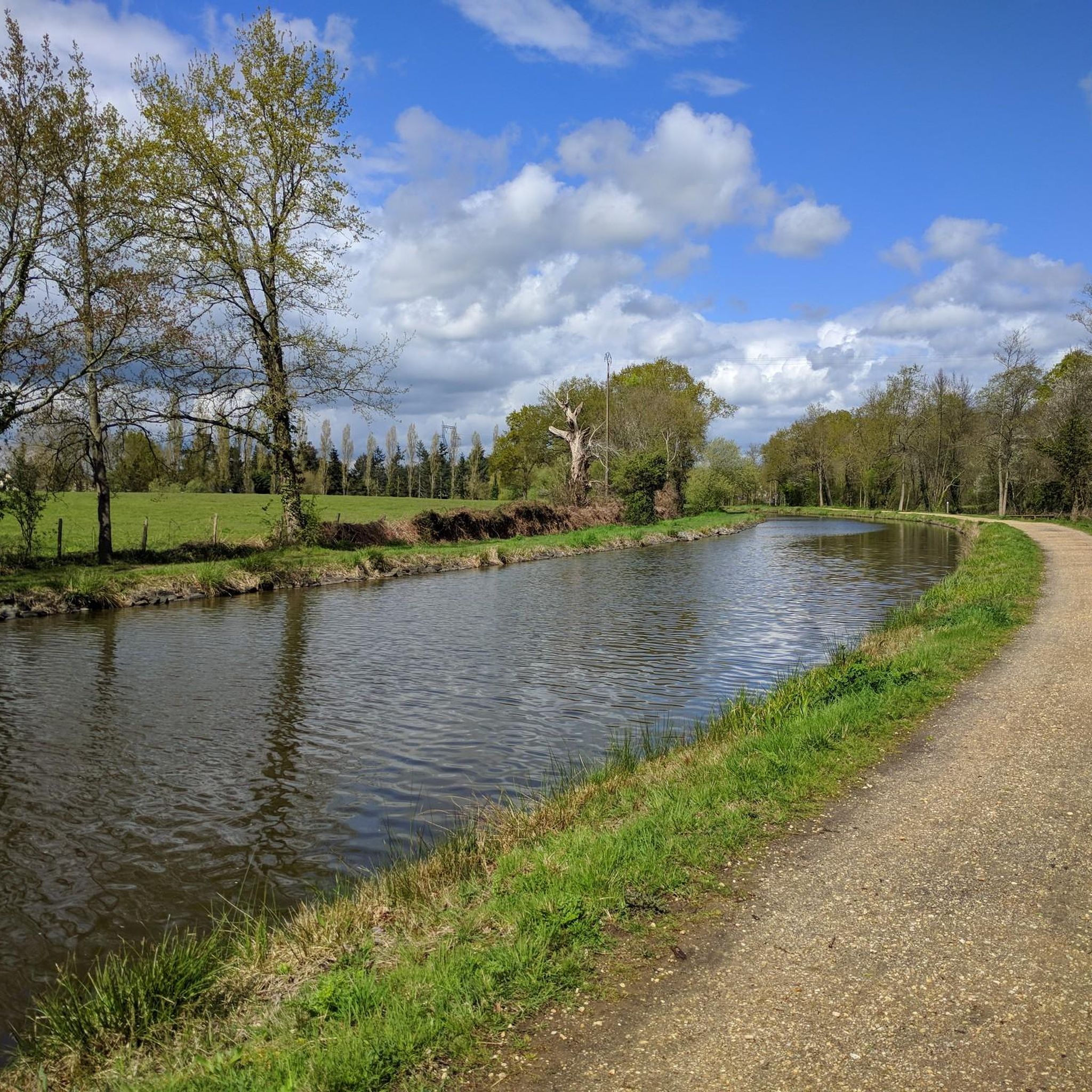
Located at the exit of the town of Blain, just next to the Nantes-Brest canal, this old medieval fortress invites you to walk in the footsteps of its prestigious guests such as the King of France Henry II, Queen Catherine de Medici or Duchess Anne of Brittany.
0
0

To the north of the town of Orvault, the Château de la Tour is a magnificent 15th century building, set in a veritable green setting. The castle belongs since 1982 to the municipality and its park and open to the public.
1
0
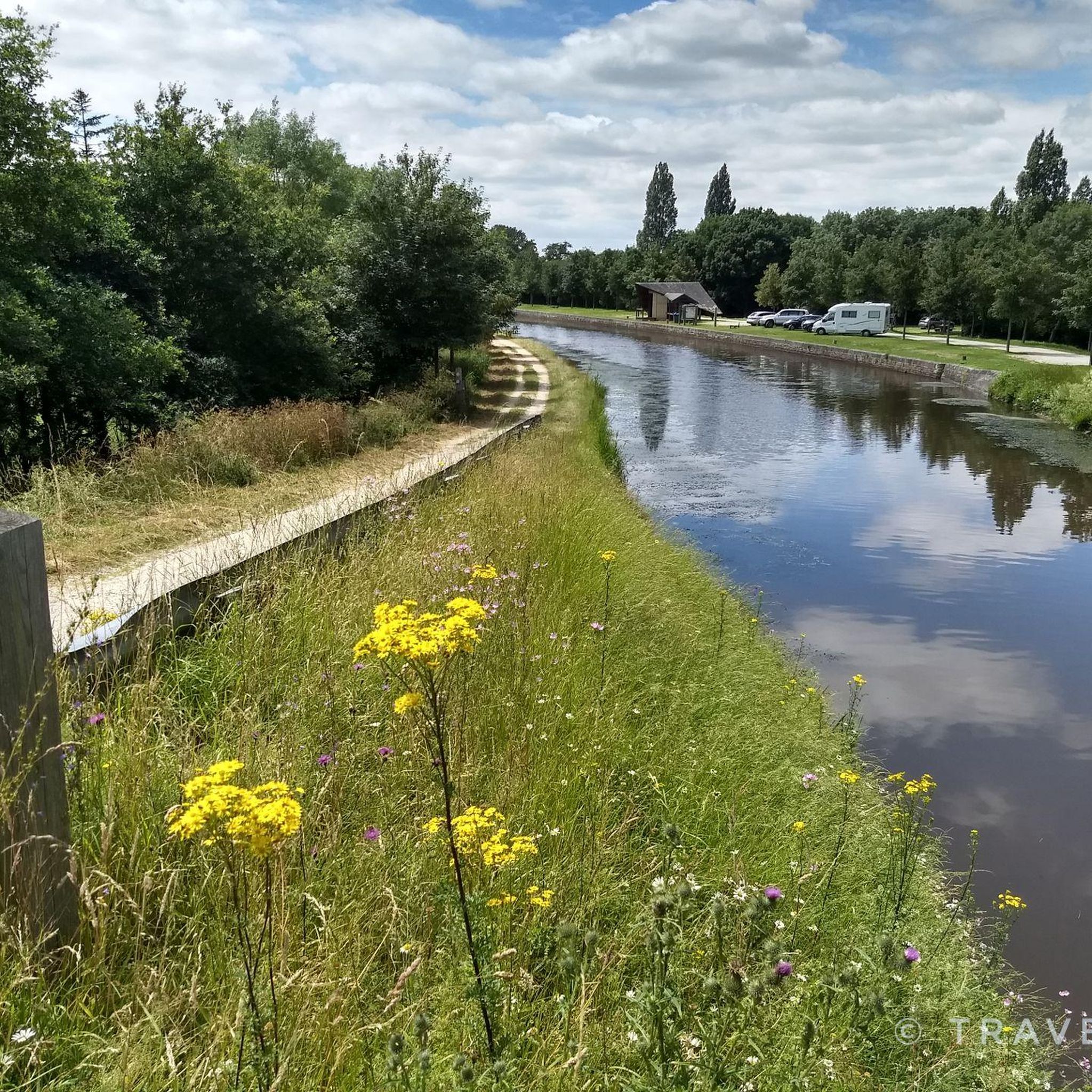
The first traces of the construction of the Château de la Juliennais date back to the 15th century. On the other hand, the building in its present form dates from 1860. Located on the GR 3, the castle and its surroundings offer a very pleasant setting, with woods, a pond and horses.
1
0

The Château de la Groulais was the largest fortress in the region at the time and was the home of several personalities, including Olivier V de Clisson and Marie Bonaparte, etc.
2
0
Frequently Asked Questions
What are some of the most notable castles to visit near Notre-Dame-des-Landes?
The region offers a variety of historical châteaux. In Nantes, the Château des Ducs de Bretagne is an iconic site housing the Nantes History Museum. Closer to Notre-Dame-des-Landes, you can explore the medieval fortress of Château de la Groulais, once the largest in the region, or the 15th-century Château de la Tour with its public park.
Which castles offer a deep dive into the region's history?
For a significant historical experience, the Château des Ducs de Bretagne in Nantes served as the residence for the Dukes of Brittany and now hosts the Nantes History Museum. The Château de la Groulais is a medieval fortress with a rich past, having housed notable historical figures. The Château du Plessis de Casson, though private, has a history dating back to 1260 and was rebuilt in a classical style in the 18th century.
Are there any Renaissance castles in the area?
Yes, the Château de Goulaine, located about 25 minutes east of Nantes, is a beautiful Renaissance monument. It has been continuously owned by the Goulaine family for nearly a millennium and features exquisitely decorated salons and a 15th-century kitchen.
Are there family-friendly castles around Notre-Dame-des-Landes?
Absolutely. The Château de la Groulais is categorized as family-friendly and even offers an escape game. The Château de la Tour, with its magnificent 15th-century building and public park, provides a green setting perfect for family exploration.
How far are these castles from Notre-Dame-des-Landes?
The castles are generally within a reasonable driving distance. The Château des Ducs de Bretagne is in Nantes, approximately 20 km away. Château de Goulaine is about 25 minutes east of Nantes, and Château de Clisson is about 40 minutes east of Nantes. The castles listed in the guide, such as Château de la Groulais, are also within the Loire-Atlantique department, making them accessible for day trips.
What is the best time of year to visit the castles near Notre-Dame-des-Landes?
The best time to visit is typically during the spring (April to June) and early autumn (September to October) when the weather is pleasant for exploring the grounds and the crowds are generally smaller. Summer (July and August) is also popular, but can be busier.
Are there any castles with parks or green settings for visitors?
Yes, the Château de la Tour is set in a magnificent park that is open to the public, offering a beautiful green space for walks. The Château de la Juliennais also boasts a very pleasant setting with woods, a pond, and horses, making it ideal for those who enjoy nature alongside history.
What outdoor activities can I combine with a castle visit near Notre-Dame-des-Landes?
You can easily combine castle visits with various outdoor activities. There are numerous hiking trails, running trails, and MTB trails around Notre-Dame-des-Landes. For example, the Château de la Juliennais is located directly on the GR3, offering easy access to walking paths.
What do visitors particularly enjoy about the castles in this region?
Visitors appreciate the rich historical narratives and the architectural diversity, from medieval fortresses to classical style châteaux. The well-preserved structures and the opportunity to explore extensive grounds, often with beautiful parks and natural settings, are frequently highlighted. The community has shared over 60 photos and given more than 100 upvotes to the castles in the area.
Are there any medieval fortresses I can explore?
Yes, the Château de la Groulais is a prominent medieval fortress that was once the largest in the region. Its history and structure offer a compelling look into the past. Additionally, the Château de Clisson, though partially in ruins, still proudly dominates its town and showcases a rich medieval history.
Can I visit castles near Notre-Dame-des-Landes during winter?
Many castles, especially those with museums like the Château des Ducs de Bretagne, remain open during winter months, though opening hours may be reduced. It's always advisable to check the specific castle's website for their winter schedule before planning your visit. The cooler weather can offer a unique, less crowded experience.
Most popular routes around Notre-Dame-Des-Landes
Most popular attractions around Notre-Dame-Des-Landes

Get inspired with the komoot mobile app


Explore more
Looking for the best castles somewhere else? Discover other guides around Notre-Dame-Des-Landes:
