Attractions and Places To See around Saint-Genès-Champespe - Top 20
Attractions and places to see around Saint-Genès-Champespe offer a combination of natural landscapes and cultural sites. The village is located on the Artense plateau within the Auvergne Volcanoes Regional Natural Park. This region features diverse terrain, including numerous lakes, wetlands, and forests. Visitors can explore volcanic lakes, historical landmarks, and various hiking trails.
Best attractions and places to see around Saint-Genès-Champespe
- The most popular attractions is Barthe Waterfall, a waterfall on the Neuffonds stream. It is accessible from both…
Last updated: May 9, 2026
Lac Chauvet
Highlight • Lake
Translated by Google •
Tip by

Notre-Dame de Vassivière Chapel
Highlight • Other
In the 16th century, Catherine de Medici ordered its repair. Since then, the chapel has become a major …
Translated by Google •
Tip by

Sign up now to discover places like this
Get recommendations on the best single tracks, peaks, & plenty of other exciting outdoor places.
Sign up for free
Saint-Genès-Champespe
Highlight • Religious Site
Translated by Google •
Tip by

Lac de la Crégut
Highlight • Lake
Translated by Google •
Tip by

Barthe Waterfall
Highlight • Waterfall
Translated by Google •
Tip by
Sign up for free to discover even more attractions around Saint-Genès-Champespe.
Sign up for free
Already have an account?
Start today with a free account
Your next adventure awaits.
Login or Signup
Tips from the Community


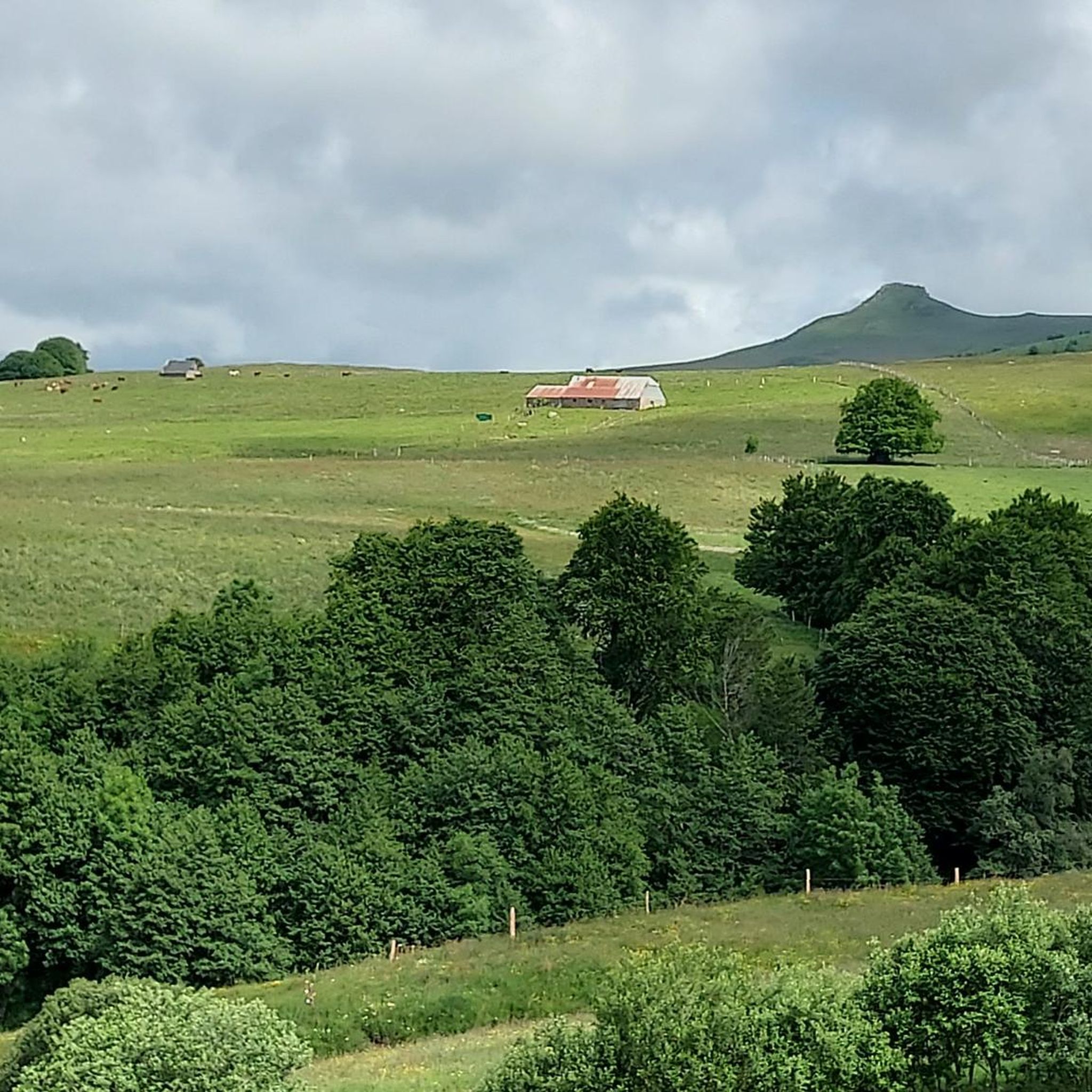
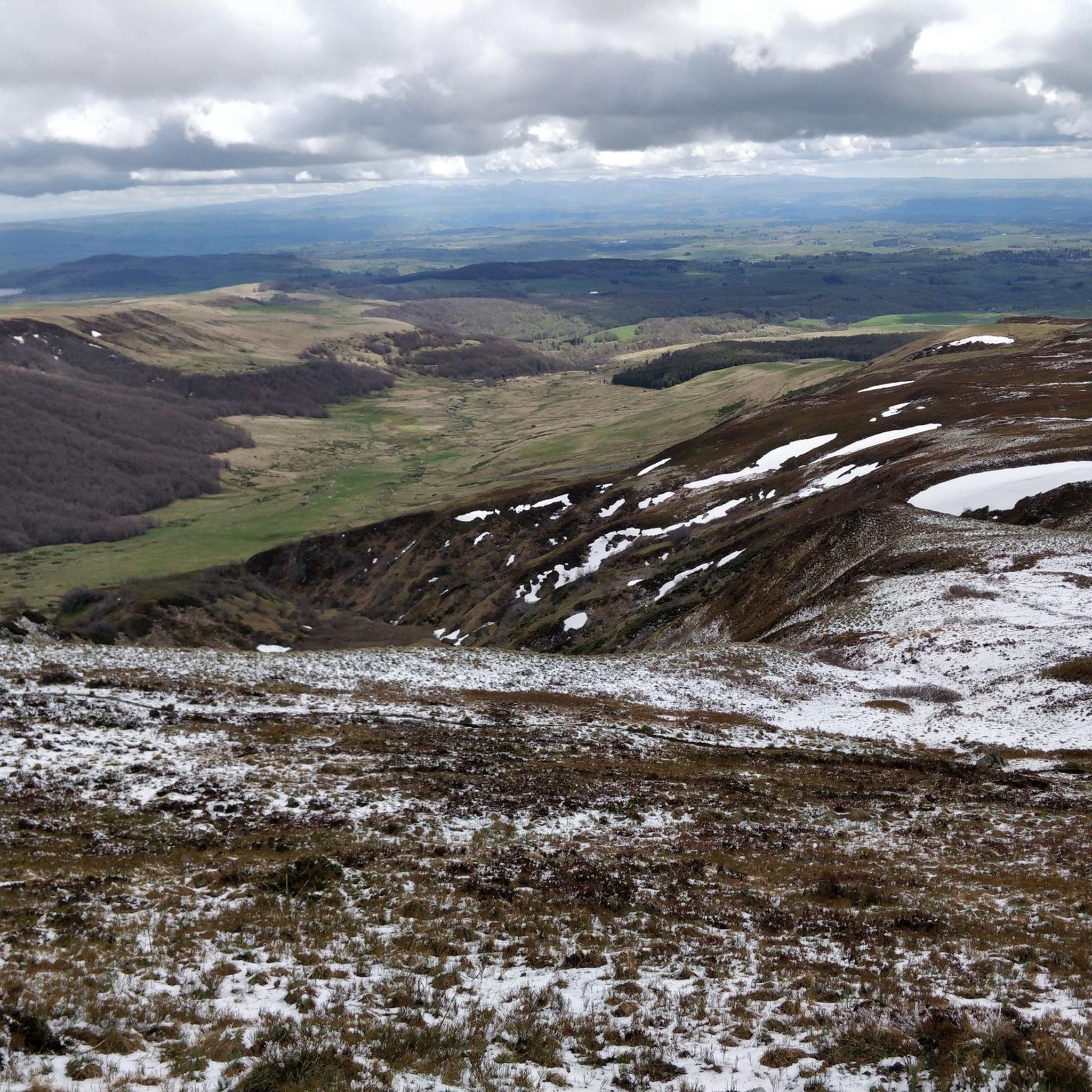
If you want to enjoy stunning views of the village of Saint-Genès-Champespe and its surroundings, you can hike up to the Saint-Sébastien church, which is perched on a hill overlooking the village. Built in 1907, the church is decorated with a bronze sculpture of a Salers cow, a local breed. From the church you can enjoy a panoramic view of the forests, lakes and mountains of the Auvergne region. You can also see Lake Laspialade and Lake Crégut, two magnificent lakes. It is an ideal place to admire the natural beauty and cultural heritage of Saint-Genès-Champespe.
3
0

Magnificent waterfall! And playful trail!!
0
0

Magnificent little lake where François Mitterrand went every year to taste the truffade.
0
0

The Notre-Dame de Vassivière chapel was initially erected during the 8th century. In the 16th century, Catherine de Medici ordered its repair. Since then, the chapel has become a major place of pilgrimage. Every summer, when the Black Madonna is transported on the backs of men from the church of Besse, thousands of faithful gather to celebrate the event. According to locals that I met one day on the site, the water flowing from the fountain affixed to the west facade of the building would have medicinal properties. I confided on this subject in my notebook: "Like an elder who has just arrived to fill the six bottles of water which he carries in a small cart, I take out my bottle to enjoy this blessed fountain gods ".
0
0
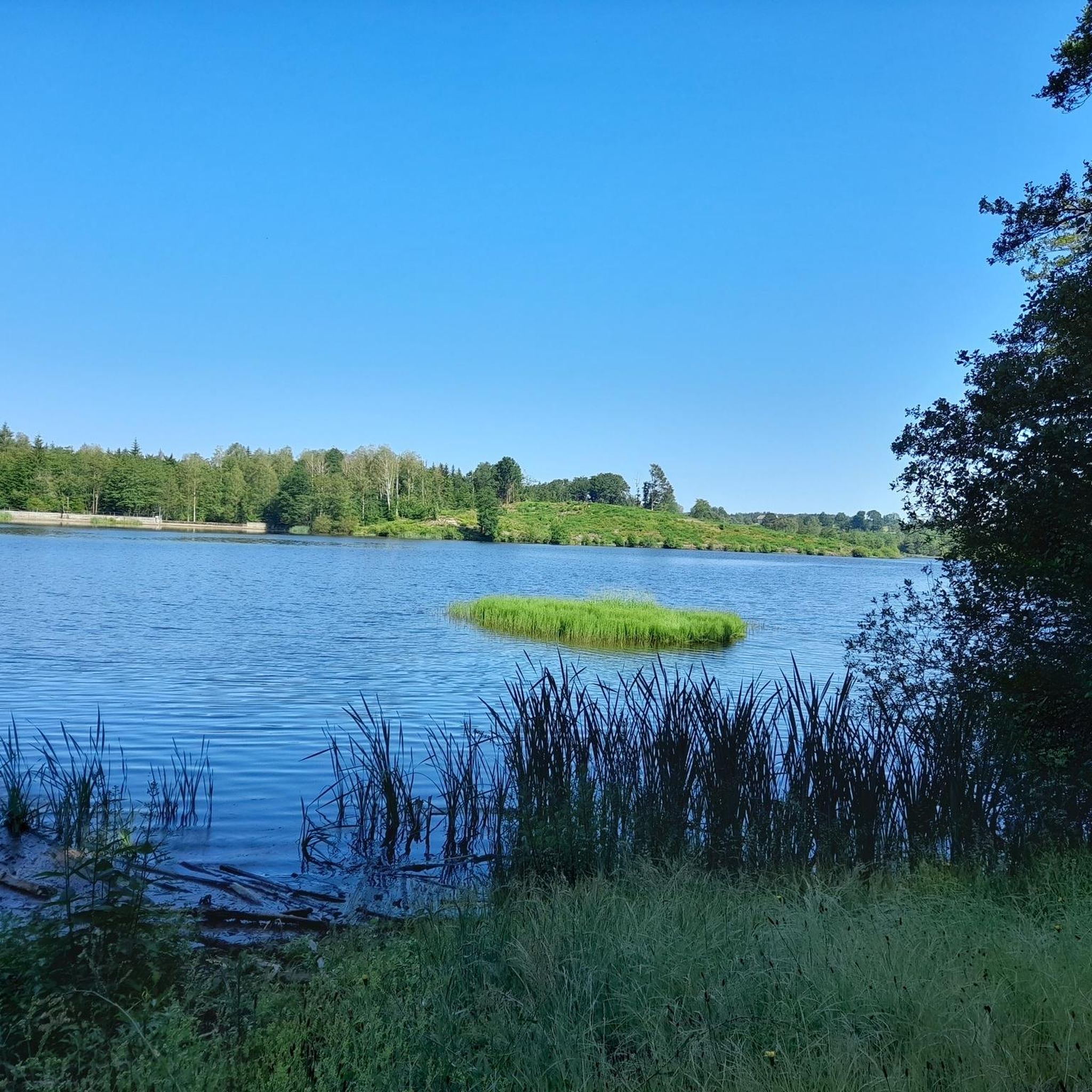
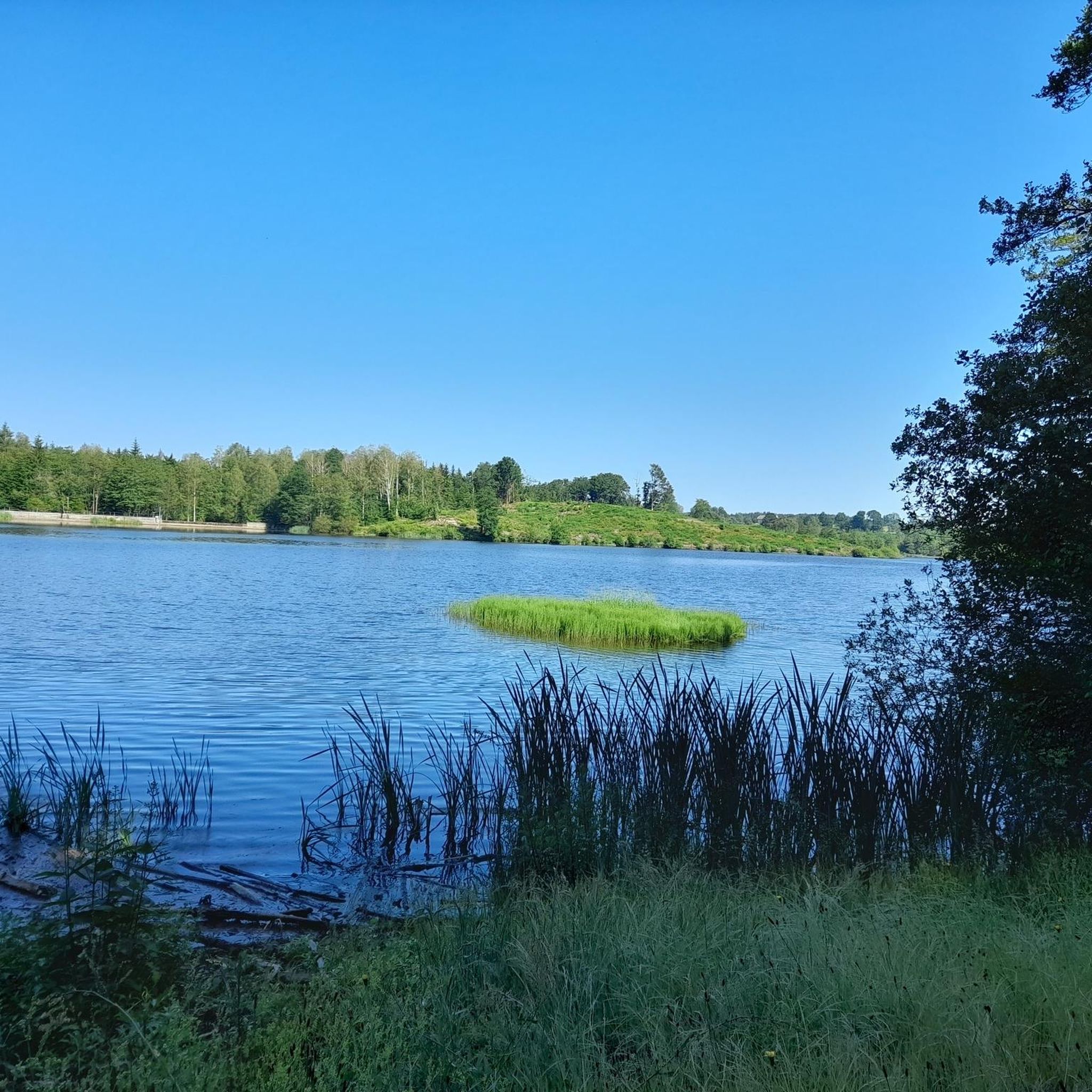
In one of my old hiking diaries, I wrote about Lac Chauvet: “At the end of the afternoon, my feet soak in the soft and cool waters of Lac Chauvet. Impressive in its strict circularity, the lake is the culmination of a maar; in other words, the meeting underground of a magma and a water table. As a good soloist, I try to observe the rare movements of the lake which could betray the presence of fish. According to the signs planted near the one and only pontoon of the body of water, trout, carp and even salmon would have taken up residence there”.
1
2

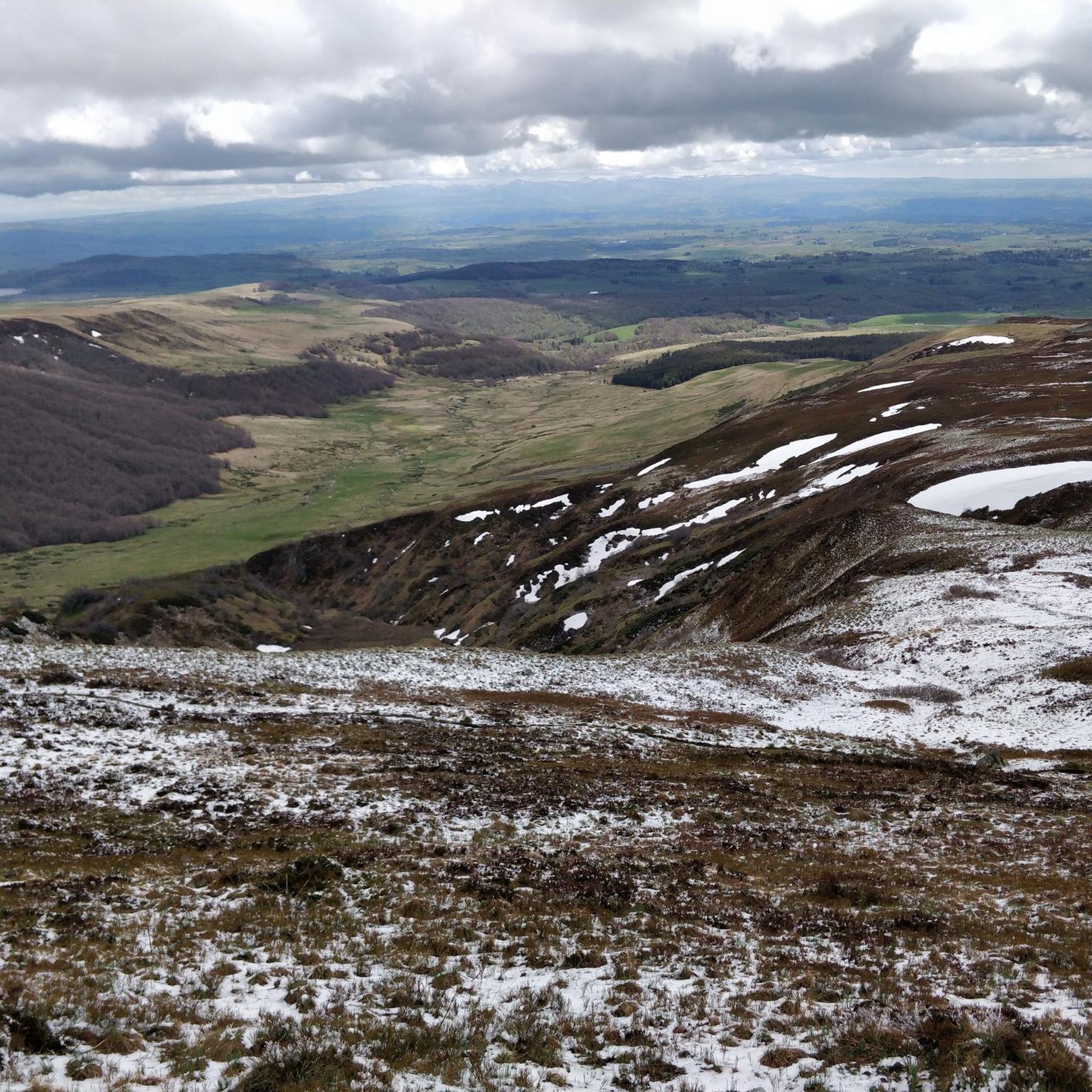
Lac de la Crégut is the largest natural lake of glacial origin in the Massif Central. From its banks, you can enjoy magnificent views of the Monts du Cantal and the surrounding lakes. It is now part of a whole system of reservoirs that supply water to the Rhue hydroelectric power station, at the Bort dam.
0
0
Frequently Asked Questions
What natural attractions can I explore around Saint-Genès-Champespe?
The region is rich in natural beauty, particularly its lakes and volcanic landscapes. You can visit Lac Chauvet, a perfectly circular maar lake of volcanic origin, known for its unique shape and diverse fish species. Another significant natural feature is Lac de la Crégut, the largest natural glacial lake in the Massif Central, offering stunning views of the Cantal mountains. Don't miss the Barthe Waterfall on the Neuffonds stream, which is easily accessible and perfect for cooling off.
Are there any historical or cultural sites to visit in Saint-Genès-Champespe?
Yes, the area offers several points of historical and cultural interest. The Notre-Dame de Vassivière Chapel, originally built in the 8th century and repaired in the 16th century by Catherine de Medici, is a major pilgrimage site. Within the village, the Saint-Sébastien Church, built in 1907, stands on a mound offering magnificent views and features a bronze sculpture of a Salers cow named 'Artense'. You can also explore the 'Le chemin des maquisards' trail, a historical route detailing the local French Resistance during World War II.
What kind of hiking opportunities are available near Saint-Genès-Champespe?
Saint-Genès-Champespe is a hub for hikers, situated within the Auvergne Volcanoes Regional Natural Park. The famous GR30, 'Tour des Lacs d'Auvergne,' passes through the village. You can find numerous well-marked trails, including loops around Lac de Laspialade (approx. 3.5 hours) and Lac de la Crégut (approx. 4 hours 15 minutes). For more options, explore the various routes listed in the Hiking around Saint-Genès-Champespe guide.
Are there family-friendly attractions or activities in the area?
Absolutely. Many of the natural sites are suitable for families. Lakes like Lac Chauvet and Lac de la Crégut are great for gentle walks and enjoying nature. The Barthe Waterfall offers a playful trail that children often enjoy. The village also provides a freely accessible tennis court, and local events like the bread festival in July can be fun for all ages.
What outdoor sports can I do besides hiking?
Beyond hiking, the region is excellent for mountain biking and road cycling. You can find various trails for mountain biking, such as the 'Lac Chauvet Circuit' or routes offering views of the Sancy Massif. For cyclists, there are challenging loops like 'Entraigues Waterfall – Lake Pavin' or 'Saint-Genès-Champespe – Saint-Donat'. Discover more routes in the MTB Trails around Saint-Genès-Champespe and Cycling around Saint-Genès-Champespe guides. Motorsports enthusiasts can also visit the local motocross track, open to amateurs every weekend.
What is the best time of year to visit Saint-Genès-Champespe?
The region is beautiful year-round, but the best time depends on your preferred activities. Spring and summer (May to September) are ideal for hiking, cycling, and water activities on the lakes, with pleasant temperatures. Early June sees an official motocross event, July hosts a bread festival, and August features a patronal feast. Autumn offers stunning foliage for hikers, while winter provides opportunities for snow activities, though specific details on winter sports are not provided.
Are there any viewpoints offering panoramic scenery?
Yes, the area boasts several excellent viewpoints. From the surroundings of the Saint-Sébastien Church, perched on a hill, you can enjoy magnificent panoramic views of the village, forests, lakes, and distant 'puys' (volcanic peaks), including Lac de Laspialade and Lac de la Crégut. The banks of Lac de la Crégut also provide superb vistas of the Monts du Cantal.
What makes the lakes in this region special?
The lakes around Saint-Genès-Champespe are particularly special due to their diverse origins and stunning settings. Many are volcanic lakes, known as maars, like the perfectly circular Lac Chauvet. Others, like Lac de la Crégut, are glacial, forming the largest natural glacial lake in the Massif Central. These lakes are nestled within the Artense plateau, surrounded by forests and offering opportunities for hiking, fishing, and enjoying serene natural landscapes.
What do visitors enjoy most about the attractions around Saint-Genès-Champespe?
Visitors frequently praise the stunning natural beauty and the tranquility of the area. They particularly appreciate the unique geological features, such as the perfectly circular Lac Chauvet, and the impressive views from sites like the Saint-Sébastien Church. The accessibility of natural spots like the Barthe Waterfall for cooling off is also a highlight. The blend of natural landscapes and historical sites provides a rich and varied experience.
Are there any less crowded natural spots to discover?
While popular spots like Lac Chauvet and Lac de la Crégut are well-loved, the vastness of the Artense plateau and the Auvergne Volcanoes Regional Natural Park means there are many quieter corners. Exploring the numerous smaller lakes like Lac de Laspialade, Lac de La Landie, and Lac de Lastiouilles, or venturing onto less-trafficked sections of the extensive hiking trails, can lead to serene discoveries away from the main tourist paths.
What is the significance of the Artense plateau where Saint-Genès-Champespe is located?
Saint-Genès-Champespe is situated on the Artense plateau, a distinctive geographical area characterized by its diverse landscape. This plateau features a mix of pastures, wetlands, rocky outcrops, and forests, with altitudes ranging from 858m to 1056m. It forms a natural bridge between the Massif du Sancy and the Monts du Cantal, offering varied terrain for outdoor exploration and contributing significantly to the region's unique natural heritage.
Most popular routes around Saint-Genès-Champespe
Most popular attractions around Saint-Genès-Champespe

Get inspired with the komoot mobile app


Explore more
Still not found the Highlight you’re looking for? See guides of the top attractions in other regions:
