Top 8 Castles around Urcerey
Castles around Urcerey are located in the Territoire de Belfort region of France, an area historically significant for its strategic fortifications. The commune was historically part of the Bas-Rosemont lordship and later under the House of Austria until 1659. This region offers a landscape marked by military engineering and historical defense structures. Visitors can explore various sites that reflect centuries of strategic importance and architectural evolution.
Best castles around Urcerey
- The most popular castles is Citadel of Belfort, a…
Last updated: October 16, 2026
Citadel of Belfort
Highlight • Historical Site
Translated by Google •
Tip by

Mont Vaudois Fort
Highlight • Historical Site
Translated by Google •
Tip by

Sign up now to discover places like this
Get recommendations on the best single tracks, peaks, & plenty of other exciting outdoor places.
Fort de Vézelois
Highlight • Historical Site
Translated by Google •
Tip by

Lion of Belfort
Highlight • Monument
Translated by Google •
Tip by

Citadel of Belfort and Lion of Belfort
Highlight • Historical Site
Translated by Google •
Tip by

Sign up for free to discover even more castles around Urcerey.
Already have an account?
Start today with a free account
Your next adventure awaits.
Tips from the Community

Nice morning walk, not too difficult, with a passage by the Fort du Mont Vaudois
0
0

This is completely in the wrong place! It is nowhere near the citadel or the lion
0
0

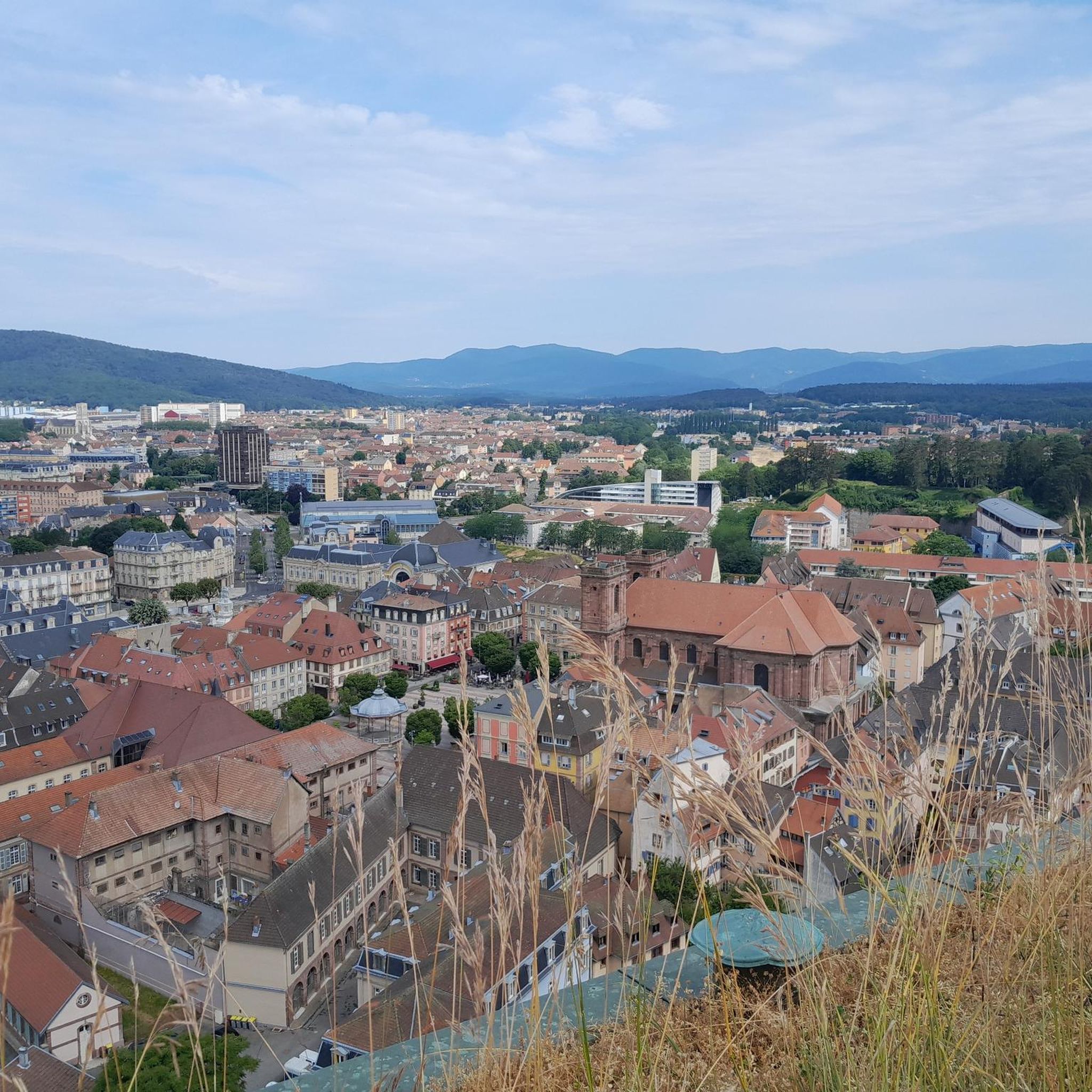
The Citadel of Belfort is a historically complex building, reflecting five centuries of fortifications. It was built after the conquest of the city in 1687, replacing a medieval castle that previously stood on this rocky outcrop.
5
0

impressive Vauban work , free access except for the museum
0
0

Beautiful sculpture and coat of arms of Belfort, below the fortress.
0
0

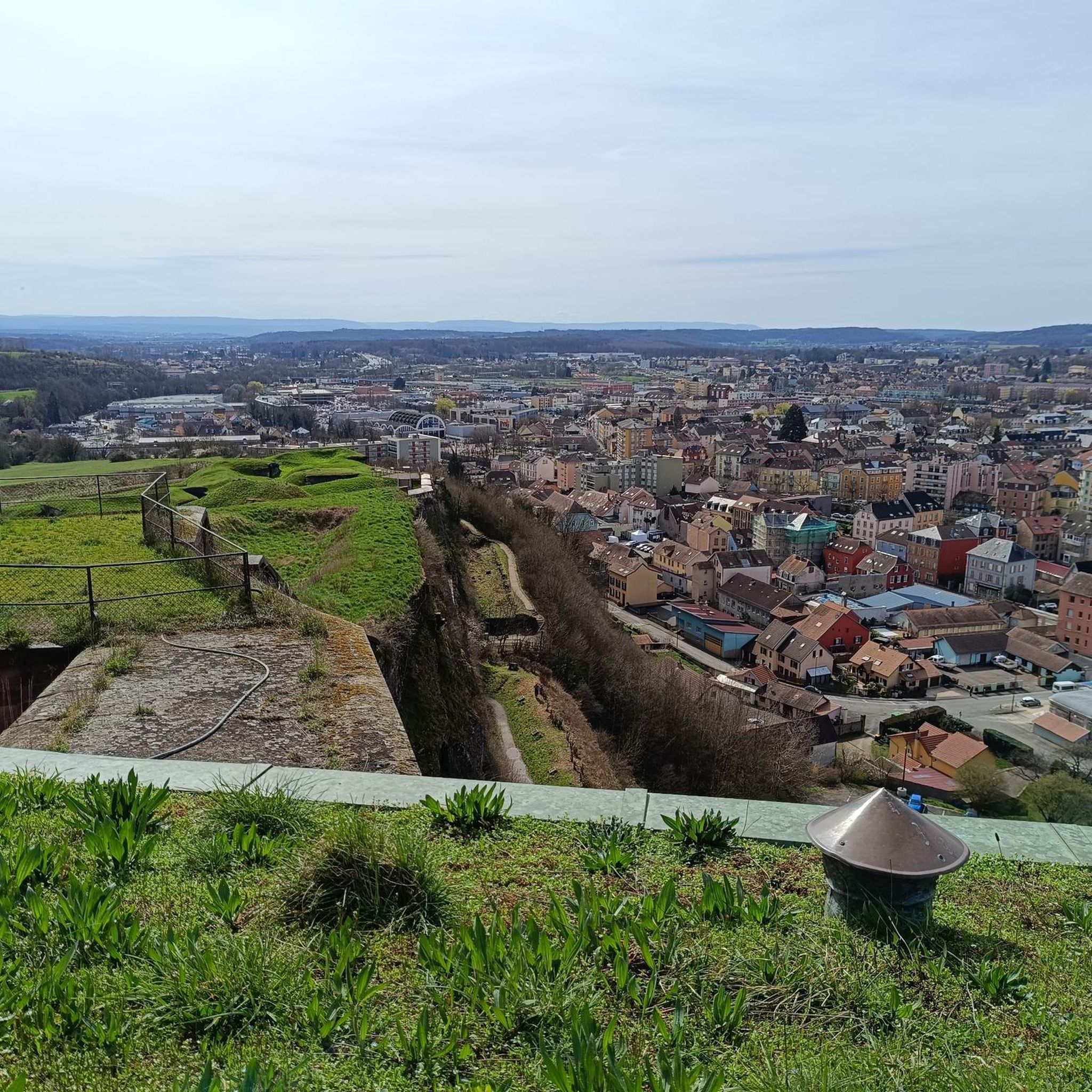
Impressive complex with the lion towering over it. Well-paved paths lead through the complex. From the top you have a great view of the city of Belfort. At night the lion and the fortress are illuminated. Simply beautiful.
3
0

It is a monumental sculpture from 1880 created by Frédéric Auguste Bartholdi, the sculptor of the Statue of Liberty. Completed in 1880, it is entirely made of red sandstone. The blocks that make it up were sculpted individually, then moved to the cliff below Belfort Castle to be assembled there. Twenty-two meters long and 11 meters high, the colossal work dominates the local landscape.
5
1

imposing large fortress with a great view of the city and the surrounding area. Visiting the entire complex without the museums is free.
3
0
Frequently Asked Questions
What makes the castles and fortifications around Urcerey unique?
The region around Urcerey is historically significant for its strategic fortifications, showcasing centuries of military engineering. You'll find structures ranging from 17th-century citadels designed by Vauban to 19th-century forts built as part of the Séré de Rivières system, reflecting the area's importance as a borderland.
Which are the most notable castles and forts to visit near Urcerey?
The most prominent sites include the Citadel of Belfort, a Vauban masterpiece with the monumental Lion of Belfort sculpture. Also significant are Fort de Vézelois (also known as Fort Ordener), an example of 19th-century defensive strategy, and Mont Vaudois Fort, built between 1874 and 1877.
What historical events are associated with the Citadel of Belfort?
The Citadel of Belfort played a crucial role in the Siege of Belfort during the Franco-Prussian War in 1870/71. Its design by Vauban in 1687 replaced an earlier medieval castle, and it stands as a testament to five centuries of fortifications.
Are there family-friendly activities at the castles near Urcerey?
Yes, the Citadel of Belfort offers an engaging experience for families. Exploring its impressive fortifications, trenches, and the monumental Lion of Belfort can be a captivating historical adventure for all ages. Many areas are open for exploration without museum entry fees.
What is the best time to visit the castles around Urcerey?
The Citadel of Belfort is generally open daily. From September to June, it's open from 8 am to 6:30 pm (except Tuesdays at 5 pm), and from July to August, it extends to 8 pm. Visiting during spring or autumn can offer pleasant weather for exploring the outdoor fortifications.
Are there hiking trails or outdoor activities near these historical sites?
Absolutely. The region around Urcerey offers various outdoor activities. You can find numerous hiking trails, including routes like 'Côte d'Essert Fort loop' or 'Sainte-Marie-des-Geais loop'. For more options, explore the Hiking around Urcerey guide. There are also running and MTB trails available, such as the 'Le bois et fort du Mont Vaudois — loop' for running or 'Mont Vaudois Fort – Luze Enduro Trail loop' for MTB.
What are the parking and public transport options for the Citadel of Belfort and Fort de Vézelois?
For the Citadel of Belfort, parking is available nearby, and the site is accessible within the city of Belfort, which has public transport connections. Fort de Vézelois is located outside the main urban area, so driving is generally the most convenient option, though local public transport might offer limited access to the vicinity.
How long does it typically take to visit the main castles?
Visiting the Citadel of Belfort can take several hours, especially if you explore the fortifications, the Lion of Belfort, and any museums. For Fort de Vézelois and Mont Vaudois Fort, a visit might range from 1 to 2 hours each, depending on your interest in military history and exploration.
Are the castles around Urcerey dog-friendly?
While specific rules can vary, outdoor areas of fortifications like the Citadel of Belfort often allow dogs on leashes. It's always best to check specific site regulations before your visit, especially for indoor exhibits or protected areas.
Can I find viewpoints overlooking the castles or the surrounding area?
Yes, the Citadel of Belfort itself offers impressive views of the city and the surrounding region from its ramparts. There's even a specific highlight named View of the Belfort citadel, indicating excellent vantage points for photography and appreciation of the landscape.
What kind of terrain can I expect when visiting these forts?
The Citadel of Belfort is built on a rocky outcrop, so expect some inclines and uneven surfaces within the fortifications. Forts like Fort de Vézelois and Mont Vaudois Fort are typically situated on elevated ground for strategic defense, meaning paths around them may involve moderate ascents and natural terrain.
Are there cafes or restaurants near the castles?
Near the Citadel of Belfort, being within the city of Belfort, you'll find a variety of cafes and restaurants. For forts like Fort de Vézelois and Mont Vaudois Fort, which are more rural, dining options will be in nearby villages or require a short drive back towards Belfort.
Most popular routes around Urcerey
Most popular attractions around Urcerey

Get inspired with the komoot mobile app


Explore more
Looking for the best castles somewhere else? Discover other guides around Urcerey:
