The best cycling routes around Winnezeele
4.4
(543)
5,599
riders
377
rides
Touring cycling routes around Winnezeele offer exploration through the varied landscapes of French Flanders. The region features a rural environment with green fields and rolling hills, including the notable Mont Cassel, which is the highest hill in Flanders. These routes often incorporate both paved and unpaved sections, providing diverse terrain for cyclists. The area's topography includes moderate elevation changes, particularly around features like Cassel.
Best touring cycling routes around Winnezeele
- The most popular touring cycling route is De Lovie Castle…
Last updated: October 18, 2026
4.7
(24)
66
riders
45.4km
02:50
450m
450m
Hard bike ride. Very good fitness required. Mostly paved surfaces. Suitable for all skill levels.
14
riders
47.1km
02:56
480m
480m
Hard bike ride. Very good fitness required. Mostly paved surfaces. Suitable for all skill levels.

4.7
(3)
18
riders
43.8km
02:29
100m
100m
Moderate bike ride. Good fitness required. Mostly paved surfaces. Suitable for all skill levels.
4.0
(1)
12
riders
29.7km
01:45
110m
110m
Easy bike ride. Great for any fitness level. Mostly paved surfaces. Suitable for all skill levels.
4.5
(2)
7
riders
Easy bike ride. Great for any fitness level. Mostly paved surfaces. Suitable for all skill levels.
Get access to more routes and recommendations from other explorers.
Already have an account?
Our route recommendations are based on thousands of hikes, rides, and runs completed by other people on komoot.
Start today with a free account
Your next adventure awaits.
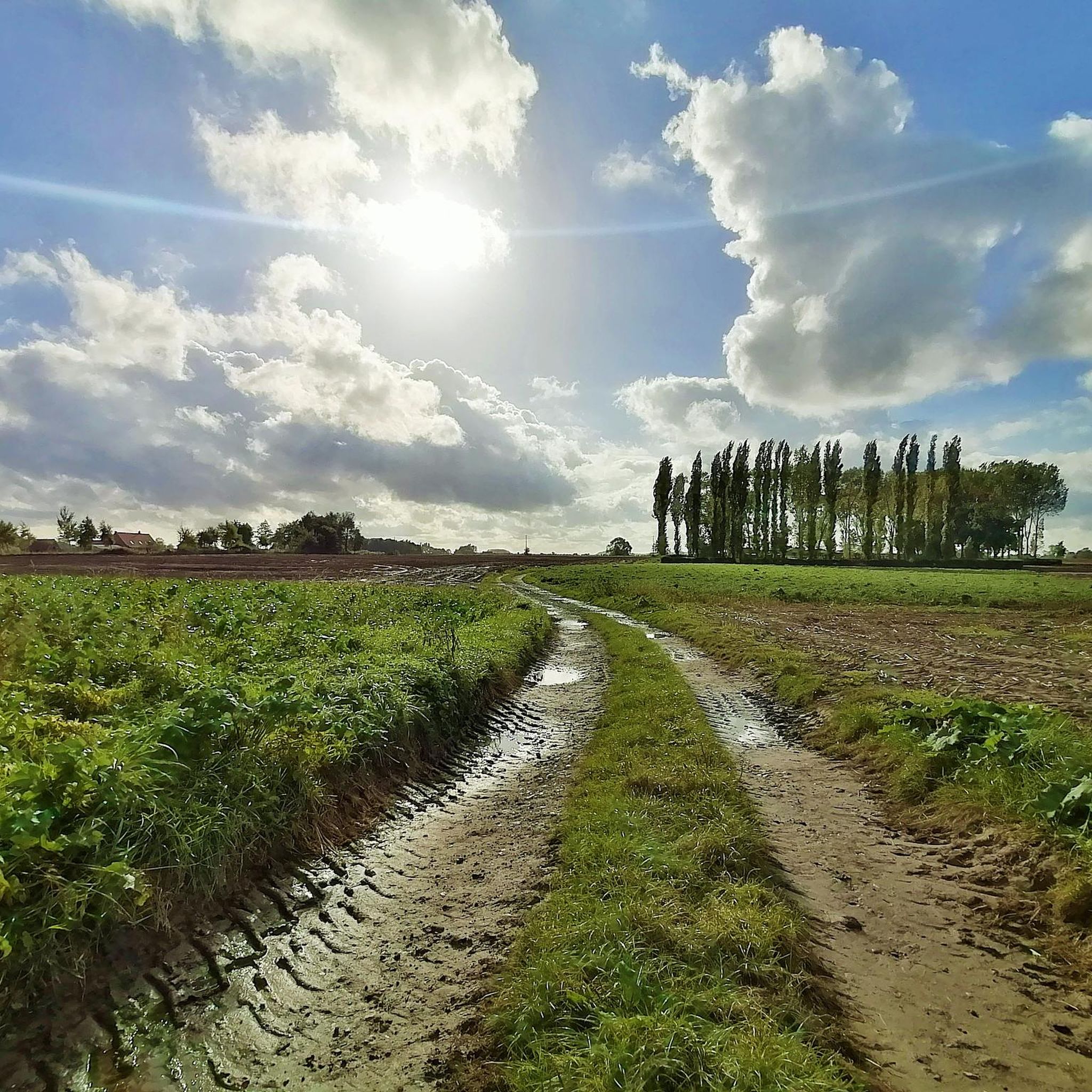
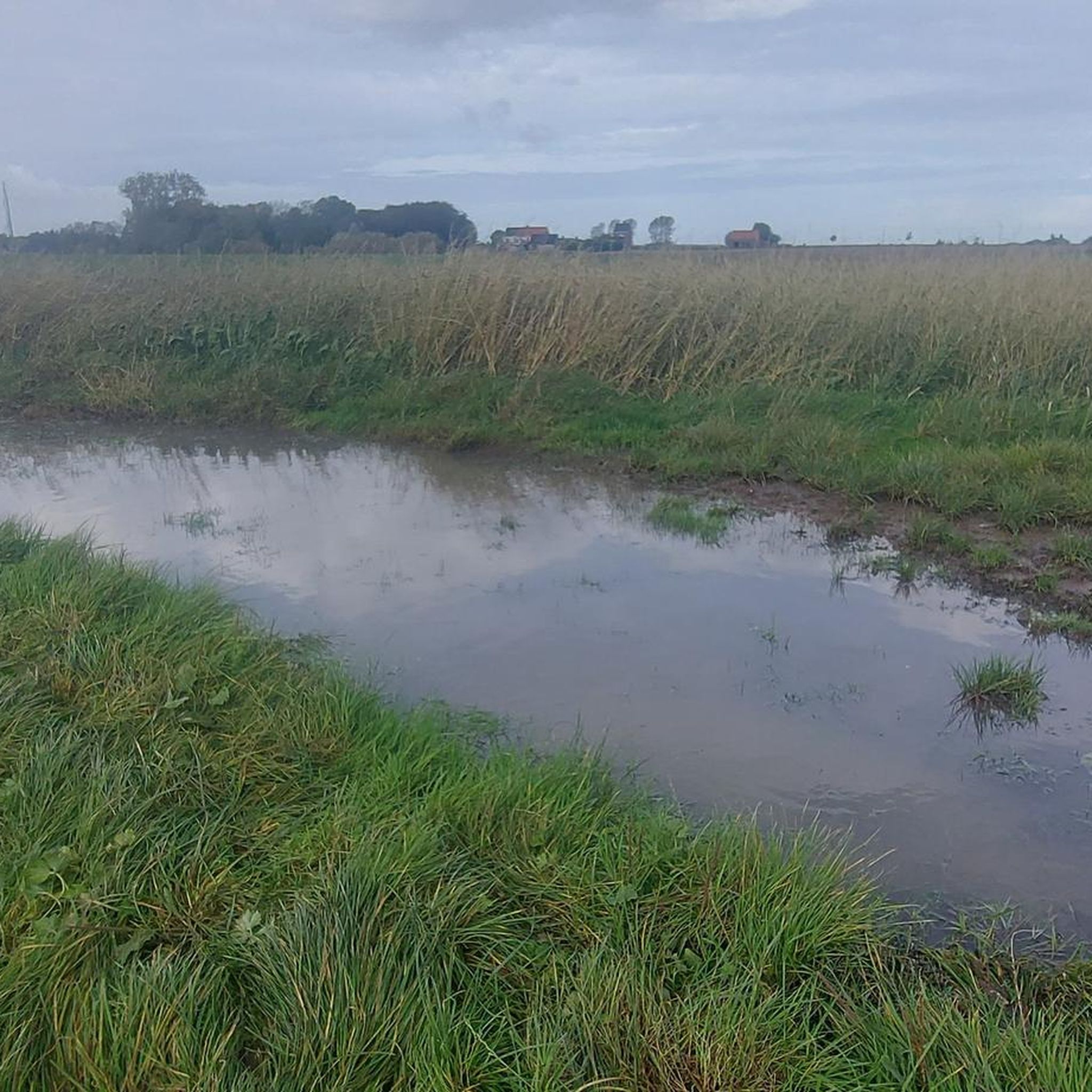
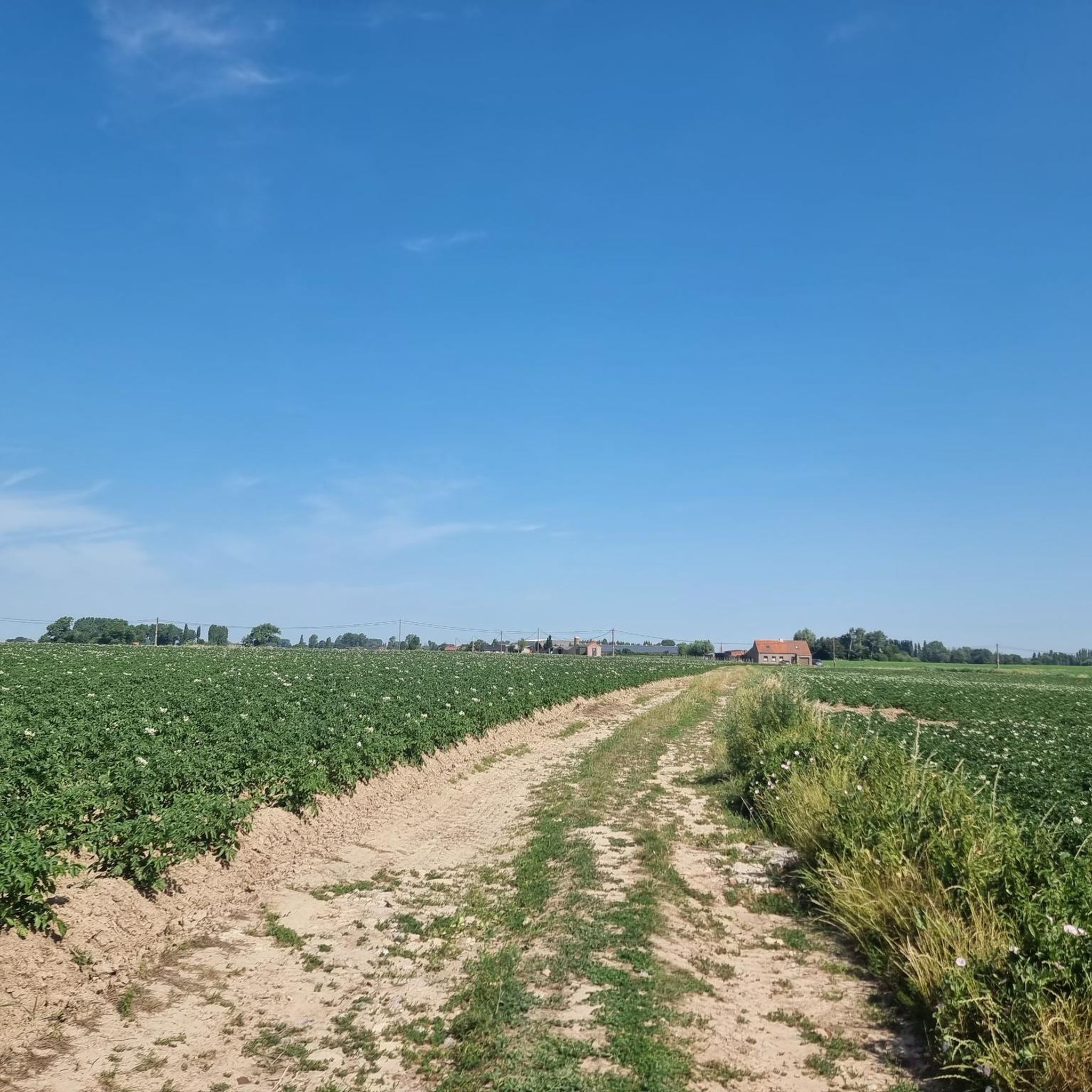

Tips from the Community

A fairytale discovery! Deeply hidden among the rhododendrons and old trees of Kasteeldomein De Lovie, you'll suddenly stumble upon this magnificent historic garden pavilion. With its classic columns and unique domed roof, this memorable 'gloriette' looks like it's straight out of a romantic picture book. The ultimate secret tip to slow down and admire during your bike tour!
3
0
Sint-Bavokerk – Watou's historic heart Anyone walking or cycling through Watou can hardly fail to notice the striking Sint-Bavokerk. This historic church has been the heart of the village for centuries and, with its graveyard wall and characteristic architecture, is an atmospheric eye-catcher on Watouplein. The church also has a special connection to the art that so typifies Watou. During the Kunstenfestival Watou, the historic interior is regularly given a contemporary interpretation, bringing together old and new in a surprisingly beautiful way. So, during your visit, be sure to take some time to look up, step inside the church, or enjoy the view from the square. History, art, and the typical atmosphere of Watou come together beautifully here.
5
0
The special story behind the Stone of Remembrance of Bandaghem Anyone visiting Haringhe (Bandaghem) Military Cemetery quickly notices a striking detail: among the 816 white gravestones stands an imposing Stone of Remembrance. Why is it here, in a cemetery that is relatively small today? The answer lies in the history of the cemetery. When architect Sir Reginald Blomfield designed Bandaghem in the 1920s, the site was considerably larger. There were then four large plots with French fallen soldiers. Together with the other graves, the total exceeded a thousand, and the cemetery received its monumental Stone of Remembrance. Later, the French soldiers were repatriated or transferred to other French cemeteries. The four plots disappeared, but the heavy memorial stone remained. As a result, Bandaghem has a special character today: a relatively small and intimate cemetery with a monument that commemorates the much larger site that once existed here. A beautiful piece of hidden history to reflect on when visiting this special place.
6
0
Casualty Clearing Stations (CCS) – medical aid stations behind the front A Casualty Clearing Station (CCS) was, during the First World War, a type of medical transit station behind the front line. Wounded soldiers were brought here by ambulance from the front zone. Doctors and nurses assessed the wounded and determined who needed immediate care or surgery and who could be transported further. A CCS was not a regular hospital: soldiers usually stayed there only for a short time. After initial medical care, if their condition allowed, they were transported further to larger hospitals, often by hospital train. The location was deliberately chosen: close enough to the front to reach the wounded quickly, but far enough to remain out of range of the heaviest enemy artillery. In Haringe, the 62nd and 63rd Casualty Clearing Stations were located in 1917. The thousands of wounded who passed through here temporarily made the area an important medical center behind the front.
5
0
Haringhe (Bandaghem) Military Cemetery A quiet, impressive place with a special war story. During WWI, two British Casualty Clearing Stations were located here, where wounded soldiers were cared for and operated on. The name Bandaghem is British soldier humour: bandage combined with the Flemish suffix -gem. The 62nd CCS also treated around 5,000 soldiers with shell shock. Today, 816 war victims are buried here, including 39 German soldiers. The imposing Cross of Sacrifice and the sober white gravestones make this a poignant stop for those who want to experience the history of the Westhoek.
6
0
Cycling through the hop cathedrals 🍺🌿 The Sint-Sixtusstraat near Westvleteren is a delightfully quiet cycle path that takes you right through the typical landscape of the Poperinge hop region. On either side, meter-high wooden poles and wires rise up, making you feel like you are in an open-air cathedral of hops. During the growing season, the hop bines twist ever higher, forming an impressive green backdrop. Even after the harvest, the tall poles and wires remain a special and photogenic landscape. And of course, you'll be cycling here close to the Sint-Sixtus Abbey of Westvleteren, in the middle of a region where hops and beer have been linked for centuries. Pedal gently on, look up, and enjoy one of the most typical landscapes of the Westhoek!
3
0
Hop fields around the St. Sixtus Abbey 🍺🌿 Typical Poperingse hop fields regularly appear around the St. Sixtus Abbey. The meters-high wooden poles and wire nets form an impressive landscape where the hop plants enthusiastically climb upwards in the summer. In spring, the first green tendrils appear, and in late summer, the fragrant hop cones are ready for harvest. Even outside the growing season, the tall poles remain a recognizable feature of the landscape. A typical piece of the Poperingse region that immediately gives your bike tour around the abbey extra character! 🚴♂️
5
0

Frequently Asked Questions
How many touring cycling routes are available around Winnezeele?
There are over 370 touring cycling routes around Winnezeele, offering a wide variety of options for different skill levels and preferences. This includes 178 easy routes, 157 moderate routes, and 44 difficult routes.
What kind of terrain can I expect on touring cycling routes in Winnezeele?
The routes in Winnezeele traverse the varied landscapes of French Flanders, characterized by rolling hills and green fields. You'll encounter a mix of paved and unpaved sections, with some routes featuring moderate elevation changes, particularly around notable features like Mont Cassel.
Are there any challenging touring cycling routes in the Winnezeele area?
Yes, for those seeking a challenge, routes like Magnificent view – Cassel Village loop from Oudezeele offer significant elevation gain and are rated as difficult. This particular route covers 47.1 km with nearly 480 meters of ascent, providing both a physical test and rewarding views.
What are some family-friendly touring cycling options around Winnezeele?
While specific 'family-friendly' routes aren't explicitly detailed, the region offers 178 easy routes that are generally suitable for a more relaxed pace. These routes typically have minimal elevation gain and shorter distances, making them ideal for families or beginners. Look for routes with 'easy' difficulty ratings on komoot.
What attractions or landmarks can I see along the touring cycling routes near Winnezeele?
Many routes incorporate historical and natural landmarks. You might pass by the impressive De Lovie Castle Park or explore the charming Cassel Village, known for its views and traditional 'estaminets'. The Mont des Cats Abbey is another notable cultural spot often accessible by bike.
Are there any circular touring cycling routes in Winnezeele?
Yes, many of the touring cycling routes around Winnezeele are designed as loops, allowing you to start and finish in the same location. For example, the popular De Lovie Castle Park – Hop field loop from Watou is a 51.5 km circular route that takes you through scenic rural landscapes.
What do other touring cyclists enjoy most about cycling in Winnezeele?
The area is highly rated by the komoot community, with an average score of 4.5 stars from over 450 reviews. Cyclists often praise the diverse terrain, the charming rural environment, and the opportunity to discover picturesque villages and historical sites like Cassel. The well-maintained network of routes also receives positive feedback.
Can I find routes that offer magnificent views in Winnezeele?
Absolutely. The region is known for its scenic vistas, especially from elevated points. The route Magnificent view – Ondankmeulen loop from Watou is specifically named for its views and includes significant elevation changes, ensuring rewarding panoramas of the surrounding French Flanders countryside.
Are there any routes that pass through hop fields or agricultural areas?
Yes, the agricultural landscape is a prominent feature of the region. The Poperinge Market Square – Hop field loop from Watou is an 28.9 km route that specifically leads through hop fields and other rural areas, offering a glimpse into the local agriculture.
What is the best time of year for touring cycling in Winnezeele?
While specific seasonal details are not provided, the generally mild climate of northern France makes spring, summer, and early autumn ideal for touring cycling. These seasons offer pleasant temperatures and longer daylight hours, perfect for exploring the region's diverse routes.
Are there any historical or cultural points of interest along the routes?
Beyond Cassel and Mont des Cats Abbey, you might encounter other historical sites. The village of Esquelbecq, with its Flemish-style town center and château, is another cultural highlight in the vicinity that can be incorporated into longer rides.
What kind of cycling experiences can I expect on the routes from Watou?
Routes starting from Watou often provide a blend of scenic beauty and cultural exploration. For instance, the Watouplein and Claus Monument – Sint-Bavokerk Watou loop from Watou is a moderate 43.8 km route that combines historical monuments with the tranquil rural environment.
Most popular routes around Winnezeele
Most popular attractions around Winnezeele

Get inspired with the komoot mobile app


Explore more
Browse the best Cycling routes in other regions.
