Attractions and Places To See around Zuytpeene - Top 20
Best attractions and places to see around Zuytpeene include historical sites, cultural points of interest, and natural landscapes. This commune in the Nord department of France offers a glimpse into rural French life, situated amidst the Flemish countryside with agricultural plains and gentle hills. The small Peene Becque river flows near the village center, contributing to the natural features of the area. The region holds historical significance, particularly related to the Battle of Cassel.
Best attractions and places to see…
Last updated: July 2, 2026
Cassel Old Town
Highlight • Settlement
Translated by Google •
Tip by

Romelaëre Ponds Nature Reserve
Highlight • Other
Translated by Google •
Tip by
Sign up now to discover places like this
Get recommendations on the best single tracks, peaks, & plenty of other exciting outdoor places.
Sign up for free
Saint-Omer station
Highlight • Monument
Translated by Google •
Tip by
Boat Lift of Fontinettes
Highlight • Monument
Translated by Google •
Tip by
The mill on Mount Cassel
Highlight • Monument
Showing Translation
Tip by
Sign up for free to discover even more attractions around Zuytpeene.
Sign up for free
Already have an account?
Start today with a free account
Your next adventure awaits.
Login or Signup


Tips from the Community

After being closed for several years, the Saint-Omer train station has been given a facelift. The new, completely renovated building is dedicated to travelers, of course, but also to artists, craftspeople, entrepreneurs… La Station isn't just a station; it's "a space for innovation with a station inside." (c) https://nl.tourisme-saintomer.com/verwonderend/erfgoed-wonderen/meesterwerken-bewonderen/het-station-een-station-en-een-plaats-voor-innovatie/
0
0

nature reserve where you can take a short circular walk (1 hour) and go to the observatory
0
0

Worth seeing small boat lift.
0
0

ship lift from 1888 can be visited as a museum, see www.ascenseurabataux.com with interesting audio tour
0
0

A midweek walk in March, outside of school holidays. Few people. A joy.
0
0

Located in Saint-Omer, France, the Gare de Saint-Omer has a rich history dating back to the 19th century. The first version of the station opened on September 1, 1848, as part of the railway line from Lille to Calais. The original building was modest and located outside the city walls, between the Porte de Lyzel and the Porte du Haut-Pont. In 1904, a new, monumental station building was inaugurated, designed by the architect Clément Ligny. This building, with its neoclassical architecture, was built with high-quality materials such as blue stone from Soignies and white stone from Creil. The design reflects the grandeur of a 17th-century castle, complete with symmetrical pavilions and decorative elements such as triglyphs and pediments.
9
0
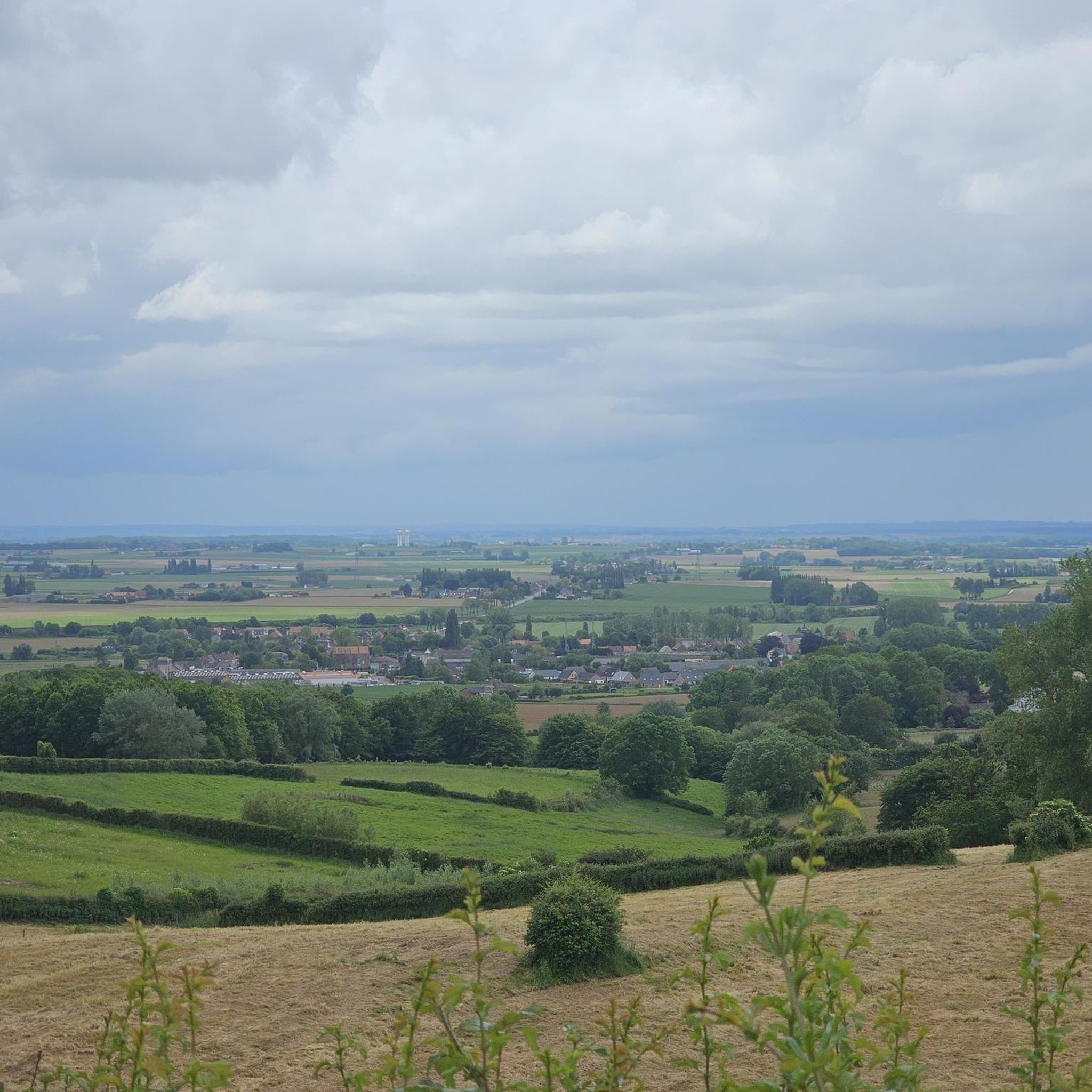
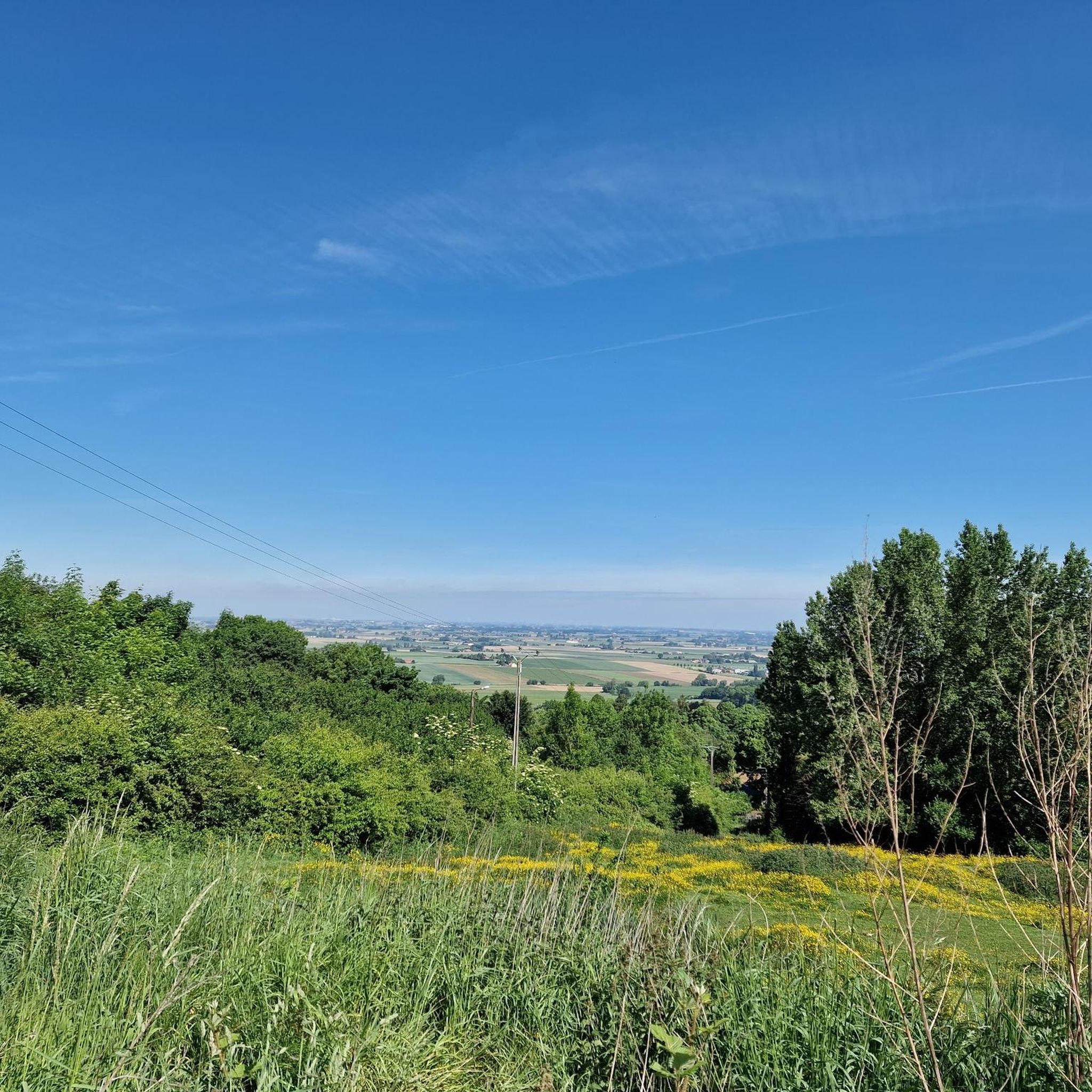
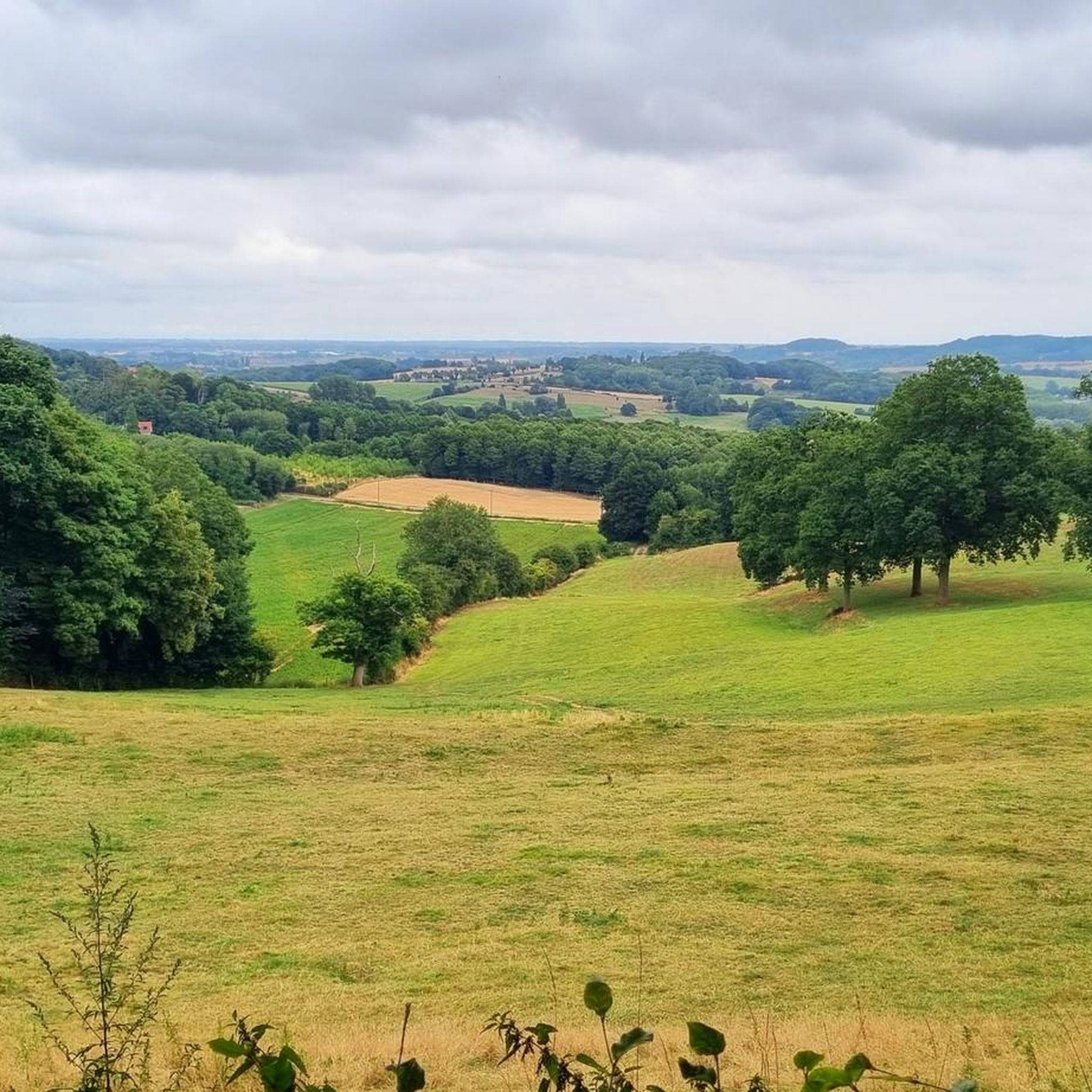
The Kasselberg (French: Mont Cassel) is a witness hill in the French Westhoek, in the French department of Noord. The hill is the highest in the Westhoek with 176 meters. The city of Kassel is located on top of the hill. The Kasselberg is part of the so-called central hill ridge in the West Flemish Hills, which also consists of the Watenberg, Wouwenberg, Katsberg, Boeschepeberg, Kokereelberg, Zwarteberg, Vidaigneberg, Baneberg, Rodeberg, Sulferberg, Goeberg, Scherpenberg, Monteberg, Kemmelberg and Letteberg. To the south of this hill ridge is the catchment area of the Leie, to the north of this hill ridge is the catchment area of the IJzer.
9
1
This 18th-century mill can be visited. It is still in operation and you have the possibility to process the freshly ground flour into a pancake or bread. Always open during the weekend. In the tourist high season also on weekdays in the afternoon (subject to change). In the vicinity of Cassel there were about 18 mills, of which this is the only remaining witness. Originally it was used to press oil, now only for grinding grain.
10
0
Frequently Asked Questions
What historical sites can I visit around Zuytpeene?
The region is rich in history, particularly related to the Battle of Peene. You can visit the Obelisk of the Battle of Peene, which commemorates the 1677 battle, and the nearby House of the Battle of Peene, an interpretation center offering a detailed reconstruction of the event. Other notable historical sites include the Cassel Village, known for its fortified structure and historical significance, and the Grand'Place de Cassel with its 17th and 18th-century Flemish facades and the Flanders Museum. The Saint-Denis Church in Noordpeene, with its historic bell tower and artworks, and the remnants of the Guillemites Convent also offer glimpses into the past.
Are there natural areas or reserves to explore near Zuytpeene?
Yes, the region offers beautiful natural landscapes. The Houtland (wooded country) and the valley of the small Peene Becque river provide tranquil settings. A significant natural attraction is the Romelaëre Ponds Nature Reserve, a 108-hectare area featuring ponds, canals, and diverse flora and fauna, including a stream crossed by a chain ferry. The reserve is ideal for peaceful walks.
What kind of outdoor activities can I do around Zuytpeene?
The area is well-suited for various outdoor activities, especially cycling and walking. There are marked discovery circuits between Zuytpeene and Noordpeene. The region is also labeled 'Accueil Vélo,' indicating cycling-friendly routes that connect to nearby Cassel and the marshlands. For more structured routes, you can explore options for gravel biking, MTB trails, and road cycling around Zuytpeene, with routes ranging from easy to difficult.
Are there family-friendly attractions in the Zuytpeene area?
Absolutely. Many attractions are suitable for families. The House of the Battle of Peene includes an educational garden with medicinal plants. Cassel Village and its Grand'Place are considered family-friendly, offering historical insights and a pleasant atmosphere. The Boat Lift of Fontinettes, a unique historical engineering marvel, is also a family-friendly spot to visit.
What is the best time of year to visit Zuytpeene for outdoor activities?
The region is generally pleasant for outdoor activities from spring through early autumn. During these seasons, the weather is typically mild, making it ideal for walking, cycling, and exploring the natural and historical sites. The educational garden at the House of the Battle of Peene would also be particularly vibrant during these months.
Where can I find local food and drink near Zuytpeene attractions?
The Grand'Place de Cassel is a great spot, surrounded by cafes and brasseries where you can enjoy a cold beer or a typical dish. In Zuytpeene itself, the Peene Inn is a recognized 'Café Rando' offering traditional cuisine, making it a good stop for hikers and cyclists.
Are there any viewpoints or panoramic spots in the area?
Yes, Cassel Village is situated on the highest hill in the Flanders region, offering beautiful panoramic views of the surrounding countryside. Its fortified structure provides excellent vantage points to appreciate the landscape.
What are some unique cultural insights or experiences in Zuytpeene?
Beyond the historical battle sites, Zuytpeene and Noordpeene offer a glimpse into traditional Flemish life. The House of the Battle of Peene includes a sound reconstruction of 18th-century Flemish daily life. Visitors can also enjoy walks through the villages, appreciating the traditional brick facades, quiet atmosphere, and small squares, which reflect the local heritage.
Is public transport available to reach attractions around Zuytpeene?
While Zuytpeene is a quaint village, nearby towns like Cassel are more accessible. The Saint-Omer station, though a bit further, is a renovated transport hub. For exploring the immediate Zuytpeene area and its specific attractions, driving or cycling are often the most convenient options, especially given the rural nature of the region.
What do visitors enjoy most about the attractions around Zuytpeene?
Visitors particularly appreciate the blend of history, culture, and natural beauty. The historical significance of sites like the Obelisk of the Battle of Peene and the educational experience at the House of the Battle of Peene are highly valued. The scenic views from Cassel Village and the tranquility of the Romelaëre Ponds Nature Reserve are also frequently praised. The charming Flemish villages and the opportunity for outdoor activities like cycling add to the overall enjoyment.
Are there any specific cycling routes recommended in the Zuytpeene area?
The region is very cycling-friendly, with routes connecting to nearby Cassel and the marshlands. You can find various options for gravel biking, mountain biking, and road cycling. For example, the 'Cassel discovery — loop in the French Flanders' is an easy road cycling route, while more challenging options like 'Mont Noir (West) – Kemmelberg cobbled climb loop from Cassel' are also available for experienced riders.
Can I find accommodation options near Zuytpeene?
While Zuytpeene itself is a small village, the surrounding region, including nearby towns like Cassel, offers various accommodation options. These can range from traditional guesthouses to hotels, providing convenient bases for exploring the local attractions and countryside.
Most popular routes around Zuytpeene
Most popular attractions around Zuytpeene

Get inspired with the komoot mobile app


Explore more
Still not found the Highlight you’re looking for? See guides of the top attractions in other regions:
