Attractions and Places To See around Goin - Top 7
Attractions and places to see around Goin offer a variety of historical sites and natural viewpoints. This region features 7 distinct places to explore, ranging from ancient castle ruins to significant historical landmarks. Visitors can discover sites with rich pasts, including structures built in response to historical events and medieval strongholds. The area provides diverse experiences for those interested in history and scenic exploration.
Best attractions and places to see around Goin
- The most popular attractions is Mercy Castle,…
Last updated: July 1, 2026
Ferme de la Haute-Bevoye
Highlight • Castle
Translated by Google •
Tip by

Mercy Castle
Highlight • Castle
Translated by Google •
Tip by

Sign up now to discover places like this
Get recommendations on the best single tracks, peaks, & plenty of other exciting outdoor places.
Sign up for free
Château de Clémery
Highlight • Other
> Château de Clémery is a French castle located in the village of Clémery in Lorraine, in the Grand Est region. It dates back to a 15th century …
Translated by Google •
Tip by

Burgruine
Highlight • Other
Translated by Google •
Tip by

Brunnen 🥵
Highlight • Other
Translated by Google •
Tip by
Sign up for free to discover even more attractions around Goin.
Sign up for free
Already have an account?
Start today with a free account
Your next adventure awaits.
Login or Signup

Tips from the Community

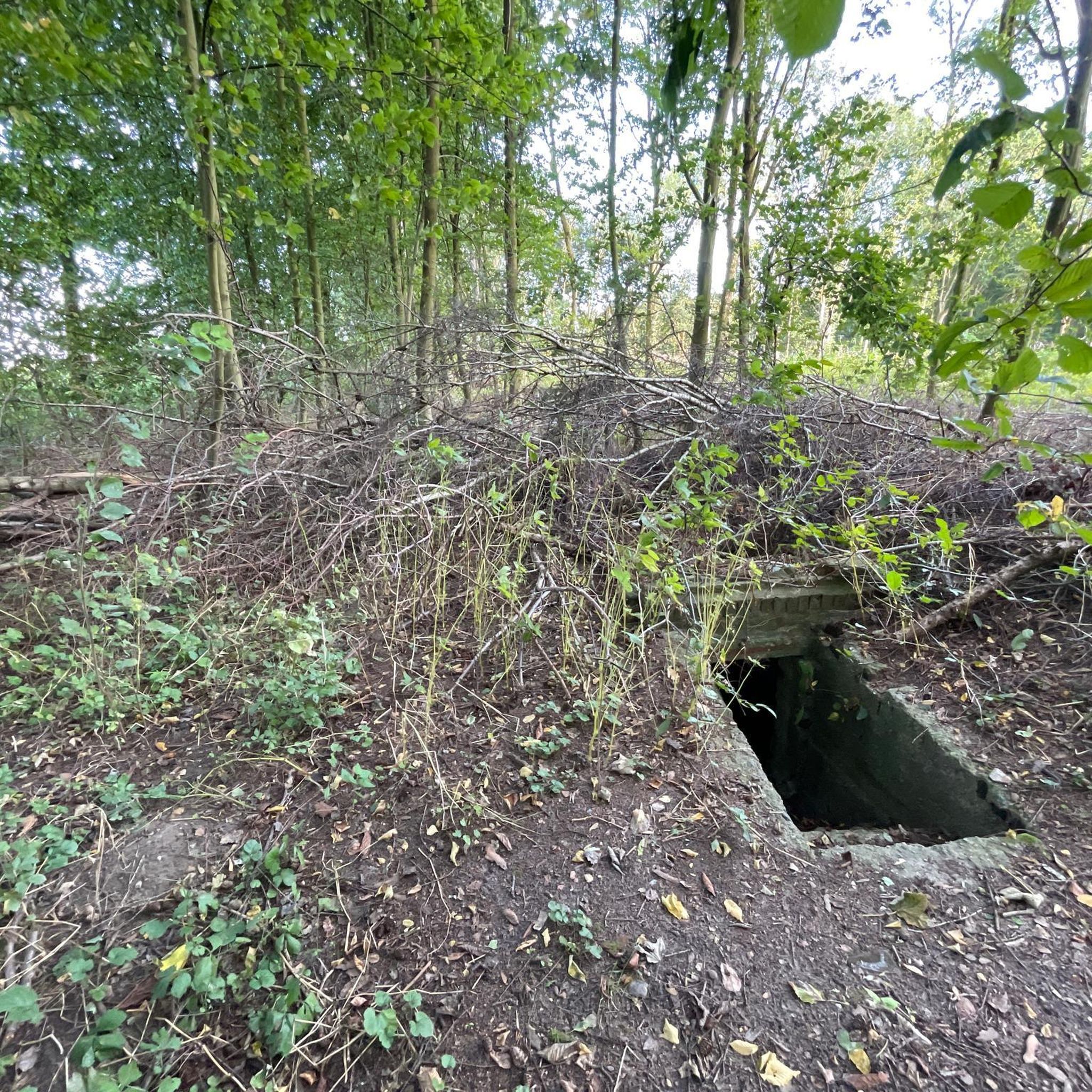
Two farms were located on the old path between Metz and Peltre, the Haute Bévoye and the Basse Bévoye. The Haute Bévoye, on a hill, is a fortified farm documented from the early 14th century. In 1404, it belonged to "Jehan Xaippey", i.e. Jean de Raigecourt, known as Xappel; 12 cattle and 8 horses were raised there at the time. In addition to an 18th-century dwelling and farm buildings, the layout of the medieval castle remains legible, with four rectangular wings surrounded by a moat; two wings and three towers recall the initial state. https://melodi.univ-lorraine.fr/s/projet-cite-de-metz/item/2973
1
0

In the heart of Nomeny lie the remains of a medieval castle that was once a strategic stronghold of the bishops of Metz. Built in the 12th century and fortified in the 14th century, the castle had a rich history until it was largely dismantled in the 17th century. Today, a few towers, walls and moats are still visible — silent witnesses to a glorious past.
5
0
On the Rue de la Seille, near the river and the ruins of the old castle, lies the charming Port-sur-Seille wash house, built at the beginning of the 20th century. Fed by a natural spring, the lavoir served not only for washing, but also as a drinking place for cattle and a meeting place for the women of the village. The covered brick structure, with a tiled roof and cast iron details, houses a fountain with two large wash basins and a central column. The original drinking trough for animals is now a flower box – a nod to the past.
7
0

Ideal for cooling off on hot days 🥵
1
0
Unfortunately not open to visitors.
2
0

From Wikipedia: > Château de Clémery is a French castle located in the village of Clémery in Lorraine, in the Grand Est region. It dates back to a 15th century fortified complex which received its current appearance following changes in the 18th and 19th centuries. The portal and the entrance pavilion to the South, the facades and roofs of the castle, the antechamber, the large living room and the small living room on the raised ground floor of the central body, the alcove bedroom on the first floor of the The east wing, the large staircase at the junction of the main body and the west wing are registered as historic monuments by decree of June 25, 1986. > > The property is private and is generally not open to the public. An exception is Heritage Day, during which the castle owners open the castle grounds to visitors.
0
0

The castle used to be a breathtaking gem and lived up to its purpose - a kind of architectural resistance against the German occupation. It is currently completely run down and is more reminiscent of a lost place. Apparently it was sold in 2021 to a Nancy-based company that wants to refurbish it (along with the chapel) and develop it into residential and commercial units. As of now (June 2023) not much seems to have happened.
1
0

Erected in 1905, the Château de Mercy was built in response to the architectural shift in the region under German occupation. It is thus possible to admire its clearly French style.
3
0
Frequently Asked Questions
What kind of attractions can I find around Goin?
The Goin region is rich in historical sites, particularly castles and ancient ruins. You can explore places like Mercy Castle, known for its distinct French architectural style, or the medieval remains of Burgruine in Nomeny. The area offers a blend of cultural heritage and scenic exploration.
Are there any castles I can visit near Goin?
Yes, the region features several notable castles. Mercy Castle, erected in 1905, is currently undergoing refurbishment. Another significant site is Château de Clémery, a French castle with origins dating back to the 15th century. While privately owned, its grounds are sometimes open to visitors, particularly on Heritage Day.
What historical significance do the attractions around Goin hold?
Many attractions around Goin are steeped in history. Mercy Castle was built in 1905 as a form of architectural resistance during a period of German occupation. The Burgruine in Nomeny represents the remains of a 12th-century medieval castle that was a strategic stronghold. Additionally, Butte du Xon was part of the front line during the First World War, offering a poignant historical perspective.
Are there any viewpoints or scenic spots in the Goin area?
For stunning views, consider Butte du Xon. This summit offers breathtaking and open views of the valley. While the road leading up can be in poor condition and access may be limited, the panoramic vistas make it a memorable spot.
What outdoor activities can I do near the attractions around Goin?
The Goin area offers various outdoor activities. You can explore running trails, with options like the 'Running loop from Pournoy-la-Grasse' or 'Running loop from Liéhon'. For cyclists, there are road cycling routes such as 'Bunkers d'artillerie de Vezon loop from Verny', and mountain biking trails like 'Chesny Riding School – Seille spillway loop from Chesny'. You can find more details on these activities in the dedicated guides for Running Trails, Road Cycling Routes, and MTB Trails around Goin.
Are there any easy walking trails near the attractions?
While specific easy walking trails directly linked to the attractions aren't detailed, the region's overall network of routes includes options for various difficulties. For example, the 'Bunkers d'artillerie de Vezon loop from Verny' is an easy road cycling route that might offer pleasant walking sections. For more walking-focused routes, explore the Running Trails around Goin guide, which often includes paths suitable for walking.
What are some unique or less-known spots to discover around Goin?
A charming and less-known spot is the Brunnen 🥵 (wash house) on the Rue de la Seille. Built in the early 20th century and fed by a natural spring, it served as a washing place, a drinking spot for cattle, and a community hub. It's ideal for cooling off on hot days and offers a glimpse into local history.
Can I visit the castles or ruins freely?
Access varies by site. While Mercy Castle is undergoing refurbishment, Château de Clémery is private but occasionally opens its grounds, such as on Heritage Day. The Burgruine in Nomeny, while historically significant, is unfortunately not open to visitors.
What do visitors enjoy most about the attractions around Goin?
Visitors appreciate the rich historical context and the opportunity to explore ancient structures. The distinct architectural style of Mercy Castle and the medieval remains of Burgruine are particularly noted. The scenic views from spots like Butte du Xon also receive high praise for their beauty and historical significance.
Are there any family-friendly attractions around Goin?
While specific 'family-friendly' categorizations are not provided for all sites, exploring the grounds of Château de Clémery (when open) or visiting the historic Brunnen 🥵 wash house could be interesting for families. The historical context of the castles and ruins can also be an educational experience for older children.
What is the best time to visit the attractions around Goin?
The guide does not specify a 'best time' to visit, but generally, historical sites and outdoor attractions are pleasant during spring and autumn when the weather is mild. Summer can be good for enjoying the natural spring at the Brunnen 🥵 wash house, but be prepared for potentially warmer temperatures.

Get inspired with the komoot mobile app


Explore more
Still not found the Highlight you’re looking for? See guides of the top attractions in other regions:
