Attractions and Places To See around Kneuttingen - Top 20
Best attractions and places to see around Kneuttingen include a variety of sites, from historical industrial landmarks to natural escapes and recreational areas. Located in the Moselle department of the Grand Est region in north-eastern France, Kneuttingen offers a blend of cultural heritage and outdoor opportunities. The area is characterized by its industrial past, evident in preserved sites, alongside accessible natural features like regional parks. Visitors can explore historical fortifications, industrial monuments, and vibrant towns.
Best attractions and places to see around Kneuttingen
- The most popular attractions is Thionville, a historic border town on the Moselle River. It features a turbulent past, with numerous buildings like the medieval fortress and the Tour aux Puces bearing witness to its history.
- Another must-see spot is U4 - Blast Furnace Park (Uckange), an impressive industrial site. This monument symbolizes the powerful steel industry of the Fensch Valley and is listed as a historical monument.
- Visitors also love Fort de Guentrange, a well-preserved fortification built between 1899 and 1906. It offers insights into military technology and European border history, functioning as a museum.
- Kneuttingen is known for its industrial heritage, historical sites, and natural landscapes. The region offers a variety of attractions to see and explore, from preserved blast furnaces to extensive regional parks.
- The attractions around Kneuttingen are appreciated by the komoot community, with over 130 upvotes and 10 photos shared.
Last updated: May 21, 2026
U4 - Blast Furnace Park (Uckange)
Highlight • Other
Translated by Google •
Tip by

Thionville
Highlight • Other
Thionville (German: Diedenhofen) is located in northeastern France, not far from the borders with Germany and Luxembourg. The city looks back on a turbulent past – between the Romans, the Lorrainers, the Prussians, and the French. Numerous buildings still bear witness to this turbulent history: the medieval fortress, the Tour aux Puces (a former keep, now a museum), and the neoclassical buildings in the city center.
🚶♂️ Thionville is a starting point for exploring the Moselle Valley, visiting castles like the Château de Malbrouck, or natural sites like the Stromberg with its caves and rock formations.
🛤️ Due to its location on the Moselle River and its proximity to Luxembourg, Thionville is also an important transportation hub today – but as soon as you leave the city, you're immersed in a tranquil, green landscape full of cultural and historical discoveries.
Translated by Google •
Tip by

Sign up now to discover places like this
Get recommendations on the best single tracks, peaks, & plenty of other exciting outdoor places.
Sign up for free
Fort de Guentrange
Highlight • Other
Tip by

The Pilgrims' Cross
Highlight • Religious Site
(Text source: Dean Rainald M. Ollig
in: "Crosses of the way ... Small sacred monuments as a sign of popular piety")
Translated by Google •
Tip by

South Barracks of Fort de Guentrange
Highlight • Historical Site
Tip by
Sign up for free to discover even more attractions around Kneuttingen.
Sign up for free
Already have an account?
Start today with a free account
Your next adventure awaits.
Login or Signup
Tips from the Community

🏰 **South Barracks of Fort de Guentrange – Heart of the Defense near Thionville** The **South Barracks** of Fort de Guentrange** was the central accommodation building for French troops within the extensive fortifications above Thionville. Built between 1899 and 1906 as part of the German fortification system (Moselstellung), it served to house, supply, and organize the soldiers. 🏗️ The barracks are solidly built into the hillside, with thick walls, barrel-vaulted corridors, and several entrances to the actual defense system. Today, it is partially accessible and provides an authentic insight into life within a high-security fort. **Tip:** During a guided tour of the fort, it's worth taking a closer look at the South Barracks – it impressively demonstrates how well-thought-out infrastructure and protection were combined. A must-see for military and architecture enthusiasts.
3
0
🛡️ **Fort de Guentrange – German Fortification above Thionville** The **Fort de Guentrange** was built between 1899 and 1906 by the German Reich Army when Thionville (then Diedenhofen) was part of the German Empire. It is one of the best-preserved forts along the Moselle River and part of the so-called **Moselstellung** – a defensive line against France. 🔩 The fortress is strategically located above the town, overlooking the Moselle Valley. It consists of underground passages, casemates, ammunition depots, and observation towers – some still with their original furnishings. 🎖️ Today, the fort is a museum (accessible only with a guided tour) and offers fascinating insights into military technology, the daily lives of soldiers, and European border history. **Tip:** Tours usually take place on Sundays – check in advance! The path to the fort already offers great views and is a good hiking stage with a historical destination.
3
0
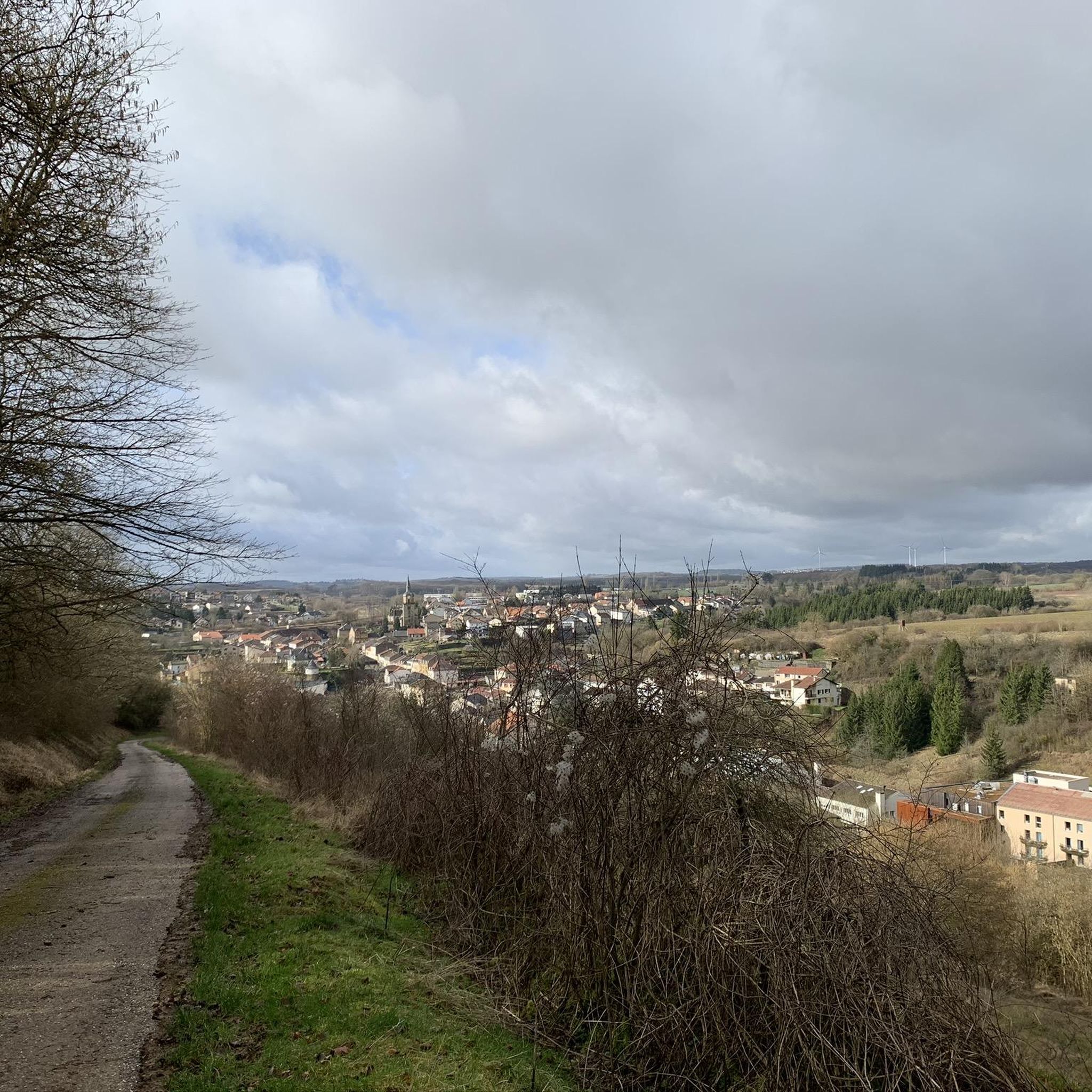
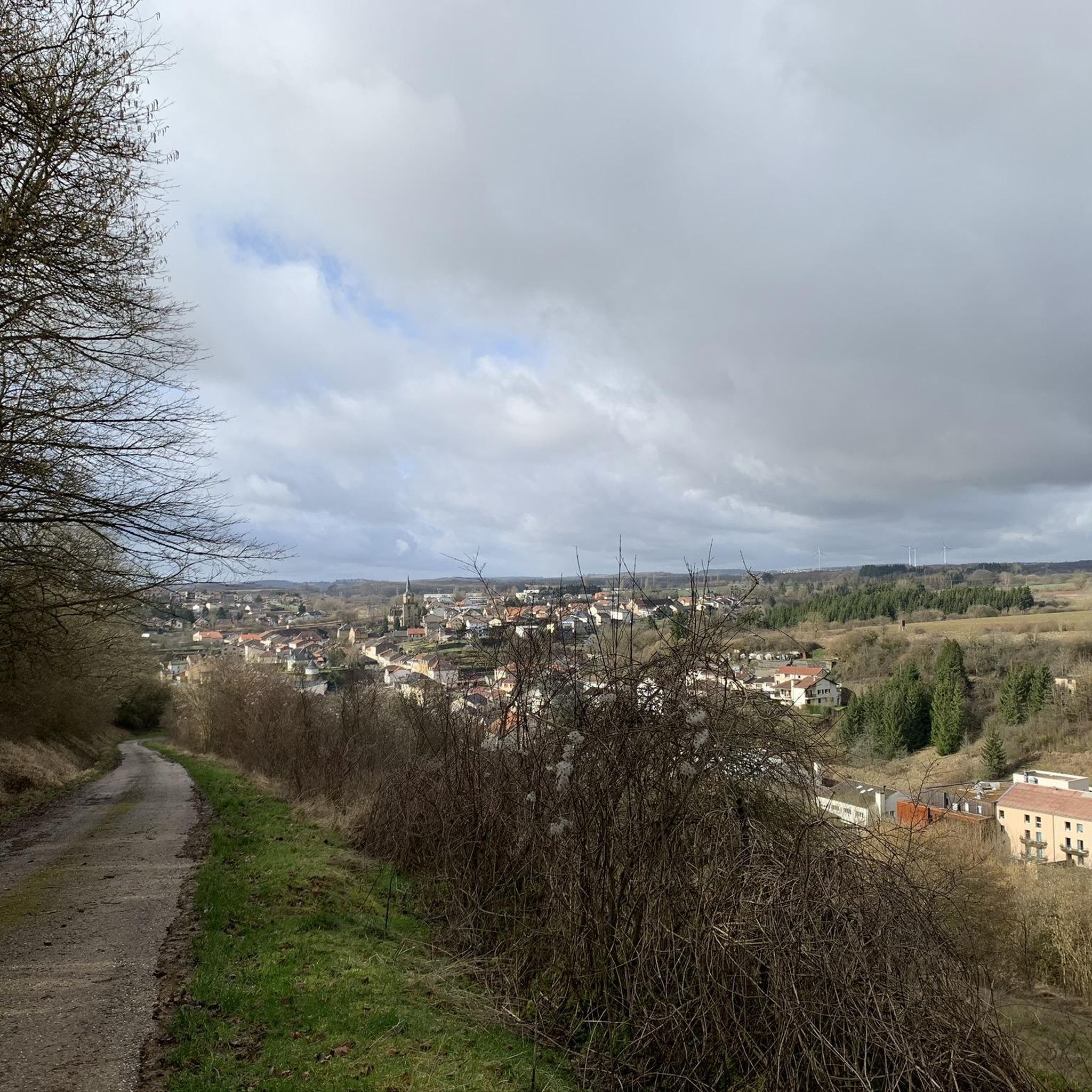
🏰 Thionville – A Border Town with History on the Moselle Thionville (German: Diedenhofen) is located in northeastern France, not far from the borders with Germany and Luxembourg. The city looks back on a turbulent past – between the Romans, the Lorrainers, the Prussians, and the French. Numerous buildings still bear witness to this turbulent history: the medieval fortress, the Tour aux Puces (a former keep, now a museum), and the neoclassical buildings in the city center. 🚶♂️ Thionville is a starting point for exploring the Moselle Valley, visiting castles like the Château de Malbrouck, or natural sites like the Stromberg with its caves and rock formations. 🛤️ Due to its location on the Moselle River and its proximity to Luxembourg, Thionville is also an important transportation hub today – but as soon as you leave the city, you're immersed in a tranquil, green landscape full of cultural and historical discoveries.
3
0
✝️ Pilgrim's Cross near Thionville (1721) An impressive wayside cross from 1721 – simple yet powerful, framed by an ornately wrought iron railing. It stands on a small hill overlooking the hilly landscape near Thionville and invites you to pause for a moment – in keeping with the ancient pilgrimage tradition. Tip: Come early in the morning – then the cross lies still in the light, and the place exudes a special sense of tranquility. Ideal for a quiet moment on your route through Grand Est.
1
0

Super shaded, pleasant during the heat wave.
2
0

An impressive a sizeable fort. The fort was actually built in the 19th century but was incorporated into the French Maginot line.
5
0
An impressive part of the Maginot line.
6
0

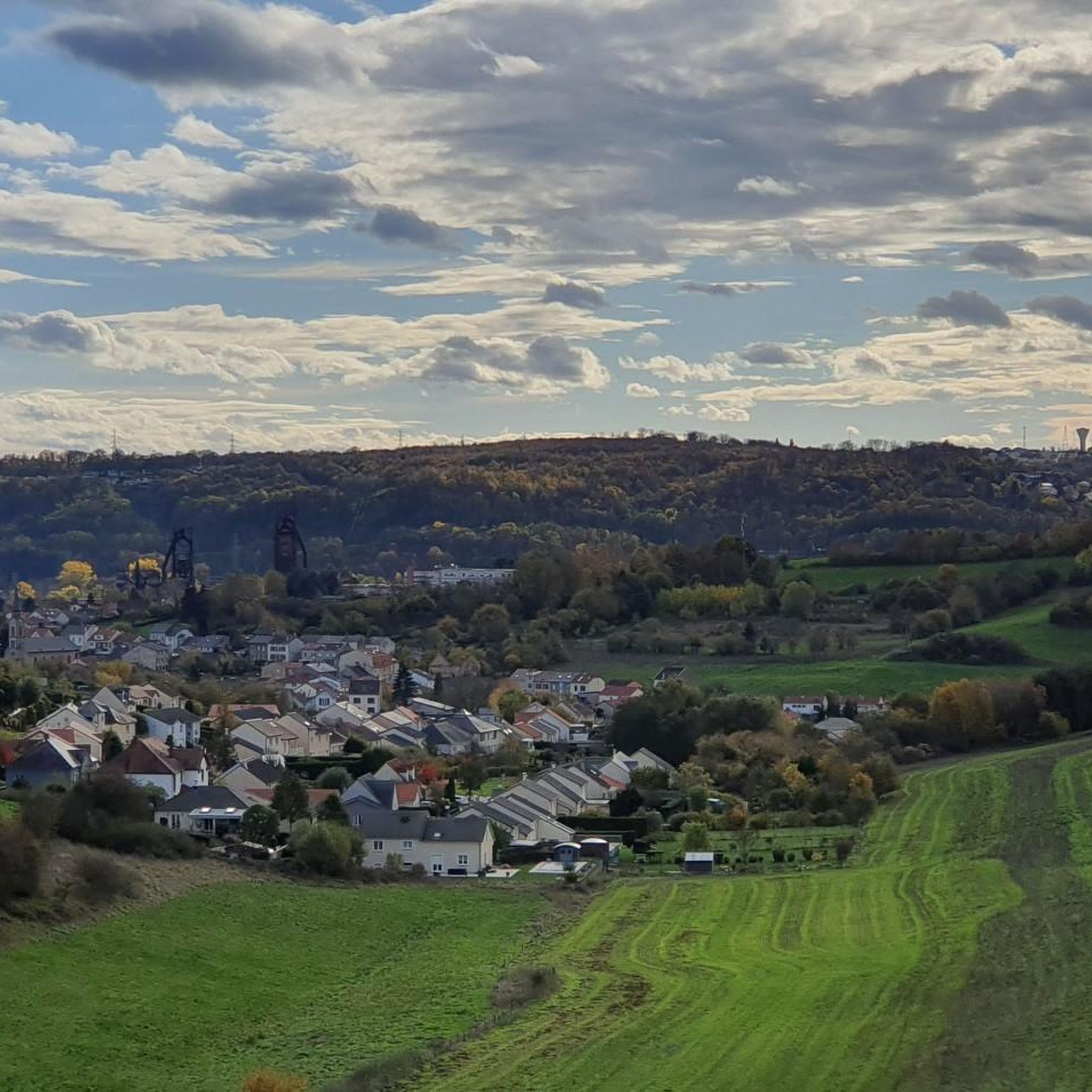
Blast Furnace U4 is a rust-infested fossil. It stands alone on a fenced industrial steppe next to the national road 953 and the river Vensch. Its neighboring furnaces were gradually demolished. The fight for his life lasted 15 years. Since 1995, blast furnace 4 has been the only one in France to have been listed as a historical monument. During the season, from the oldest blast furnace of the Lorraine brazier, “all the suns” shine into the night as a staging of the artist Claude Leveque’s eponymous light installation.
7
1
Frequently Asked Questions
What historical sites can I explore around Kneuttingen?
The region around Kneuttingen is rich in history. You can visit Thionville, a historic border town with a medieval fortress and the Tour aux Puces. Another significant site is Fort de Guentrange, a well-preserved fortification offering insights into military technology and European border history. Don't miss The Pilgrims' Cross, an impressive wayside cross from 1721 near Thionville.
Are there any industrial heritage sites to visit near Kneuttingen?
Yes, Kneuttingen is known for its industrial past. A must-see is U4 - Blast Furnace Park (Uckange), a rare monument of 20th-century iron and steel industry in France, offering guided tours. You can also explore the Écomusée des Mines de Fer de Lorraine Neufchef for an immersive journey into mining history, or visit ArcelorMittal France in Florange to learn about steel manufacturing.
What natural areas are there for outdoor activities near Kneuttingen?
The extensive Regional Natural Park of Lorraine is easily accessible from Kneuttingen. It features diverse environments like wetlands, humid forests, and numerous ponds, offering abundant opportunities for hiking and biking. You can also find observatories for birdwatching at sites like Lachaussée and Madine Lake within the park. The Parc de la Rotonde in Knutange itself offers a blend of nature and historical context on a former industrial wasteland.
Are there hiking opportunities around Kneuttingen?
Yes, the area around Kneuttingen is ideal for hiking. The Pays Thionvillois offers numerous marked trails. For example, you can find routes like the 'Boucle Magnifique vue sur le village – Calvaire de Knutange' starting from Hayange. The MTB Trails around Kneuttingen guide also lists routes that can be adapted for hiking.
What cycling routes are available near Kneuttingen?
Cyclists will find various routes around Kneuttingen. The Road Cycling Routes around Kneuttingen guide features options like the 'Speed on the Moselle Cycle Route' and routes passing by the Uckange Blast Furnaces. For gravel biking, the Gravel biking around Kneuttingen guide offers routes such as 'Climb to Tivoli' and 'Scenic Tree-Lined Pathway'.
What family-friendly attractions are available near Kneuttingen?
For family fun, consider visiting the Zoo d'Amnéville, one of France's most visited recreational sites, located approximately 12.4 km from Knutange. Nearby, you'll also find Walygator Parc, an amusement park with rides, and the Aquarium d'Amnéville for an underwater experience.
What is the best time to visit attractions around Kneuttingen?
The best time to visit largely depends on your interests. For outdoor activities like hiking and cycling in the Regional Natural Park of Lorraine, spring through early autumn offers pleasant weather. Industrial sites like U4 - Blast Furnace Park are typically open during the warmer season, with special light installations visible at night. Historical forts like Fort de Guentrange often have guided tours on specific days, so checking their schedules in advance is recommended.
Are there any hidden gems or unique places to discover?
Beyond the main attractions, the region holds unique spots. The Parc de la Rotonde in Knutange, developed on a former industrial wasteland, offers a unique blend of nature and historical context. The Église Saint-Joseph in the vicinity also represents a rich local religious heritage. Exploring the smaller villages and their local churches can reveal charming insights into the area's character.
What do visitors enjoy most about the attractions around Kneuttingen?
Visitors frequently appreciate the blend of historical depth and natural beauty. The impressive scale and historical significance of sites like U4 - Blast Furnace Park and Fort de Guentrange are often highlighted. Many also enjoy the tranquility and scenic views offered by the outdoor areas, such as the Moselle Valley and the Regional Natural Park of Lorraine, which provide a peaceful contrast to the industrial heritage.
Can I find information on walking trails that are suitable for beginners or families?
Yes, the area offers various walking trails suitable for different skill levels. The Pays Thionvillois has numerous marked trails, some of which are gentle and perfect for families or beginners. When planning, look for routes described as 'easy' or 'family-friendly' in local guides or on platforms like komoot. The Regional Natural Park of Lorraine also has many accessible paths for leisurely strolls.
Where can I find information about public transport or parking for attractions?
While specific details for each attraction vary, major towns like Thionville are important transportation hubs. For attractions further afield, driving is often the most convenient option, and parking is generally available. For detailed public transport information or specific parking facilities for individual sites, it's best to check the official websites of the attractions or local tourism offices like Thionville Tourisme.
Most popular routes around Kneuttingen

Get inspired with the komoot mobile app


Explore more
Still not found the Highlight you’re looking for? See guides of the top attractions in other regions:
