The best walks and hikes around Bingen
4.6
(11905)
40,715
hikers
78
hikes
Hiking around Bingen offers trails through varied landscapes characterized by limestone formations, deep valleys, and dense woodlands. The region features historical elements such as castle ruins and chapels, often integrated into the hiking paths. Elevation changes are moderate, providing accessible routes for different skill levels.
Best hiking trails around Bingen
- The most popular hiking route is Bittelschießer Cave – Bittelschießer Valley loop from Bingen, a 5.2 miles (8.3 km) trail that takes about 2 hours 16 minutes to complete.…
Last updated: October 8, 2026
4.7
(7)
20
hikers
Moderate hike. Good fitness required. Easily-accessible paths. Suitable for all skill levels.
4.9
(18)
73
hikers
2.73km
00:45
50m
50m
Easy hike. Great for any fitness level. Easily-accessible paths. Suitable for all skill levels.

4.5
(19)
53
hikers
13.3km
03:39
220m
220m
Moderate hike. Good fitness required. Easily-accessible paths. Suitable for all skill levels.
4.9
(7)
40
hikers
3.98km
01:06
70m
70m
Easy hike. Great for any fitness level. Easily-accessible paths. Suitable for all skill levels.
4.5
(12)
26
hikers
Easy hike. Great for any fitness level. Easily-accessible paths. Suitable for all skill levels.
Get access to more routes and recommendations from other explorers.
Already have an account?
Our route recommendations are based on thousands of hikes, rides, and runs completed by other people on komoot.
Start today with a free account
Your next adventure awaits.
Tips from the Community

Located directly below Hornstein Castle, this hiking parking lot is a perfect starting point for a short loop in the surroundings.
0
0

Not quite as spectacular as the Bittelschiesserhöhle, but still worth a look.
7
0
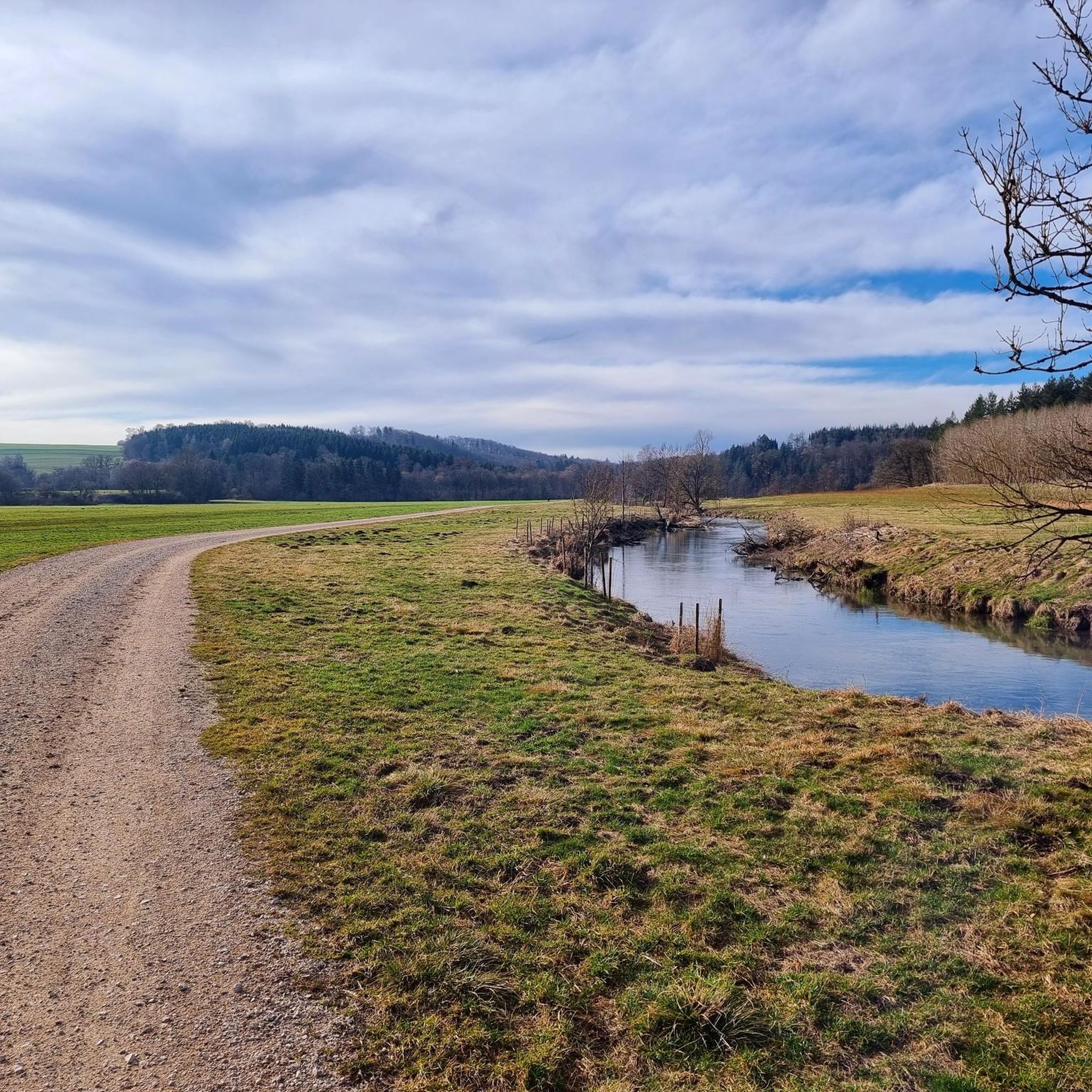
Sturdily built with good views on both sides of the Lauchert.
8
0
Short detours from the river hiking trail offer hikers two large (Bittelschiesserhöhle and Rappenfelsenhöhle) and several small caves to visit.
7
0
The small kidney-shaped round building with an original stucco ceiling from 1696 is accessible right next to the cave via steep stairs. Unfortunately, the chapel was closed.
7
0
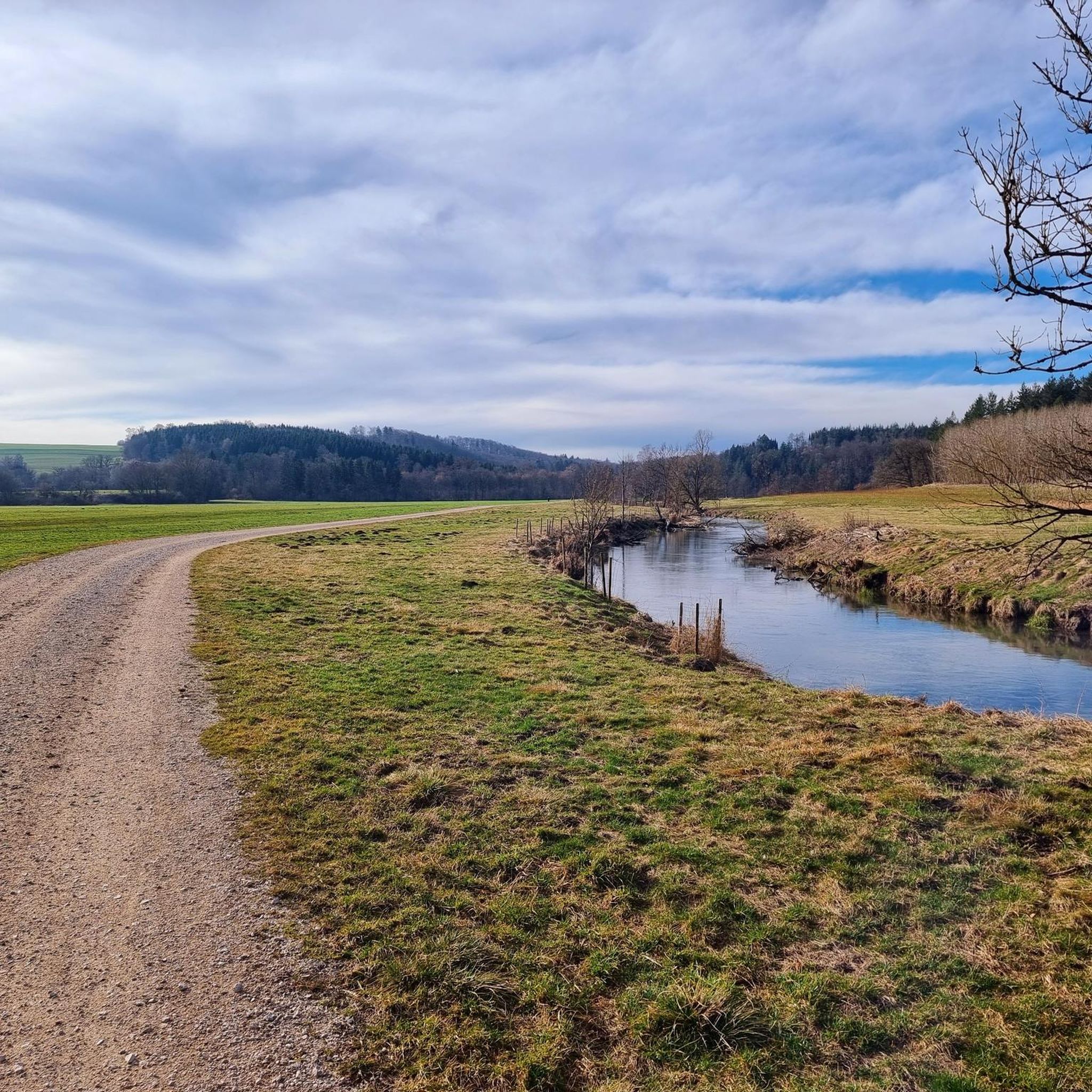
In high summer, the Lauchert still has enough water, unlike other rivers, and the hike through the Bittelschiessertäle is highly recommended.
6
0

Pure relaxation while swinging. Afterwards, the well-deserved rest follows.
0
0
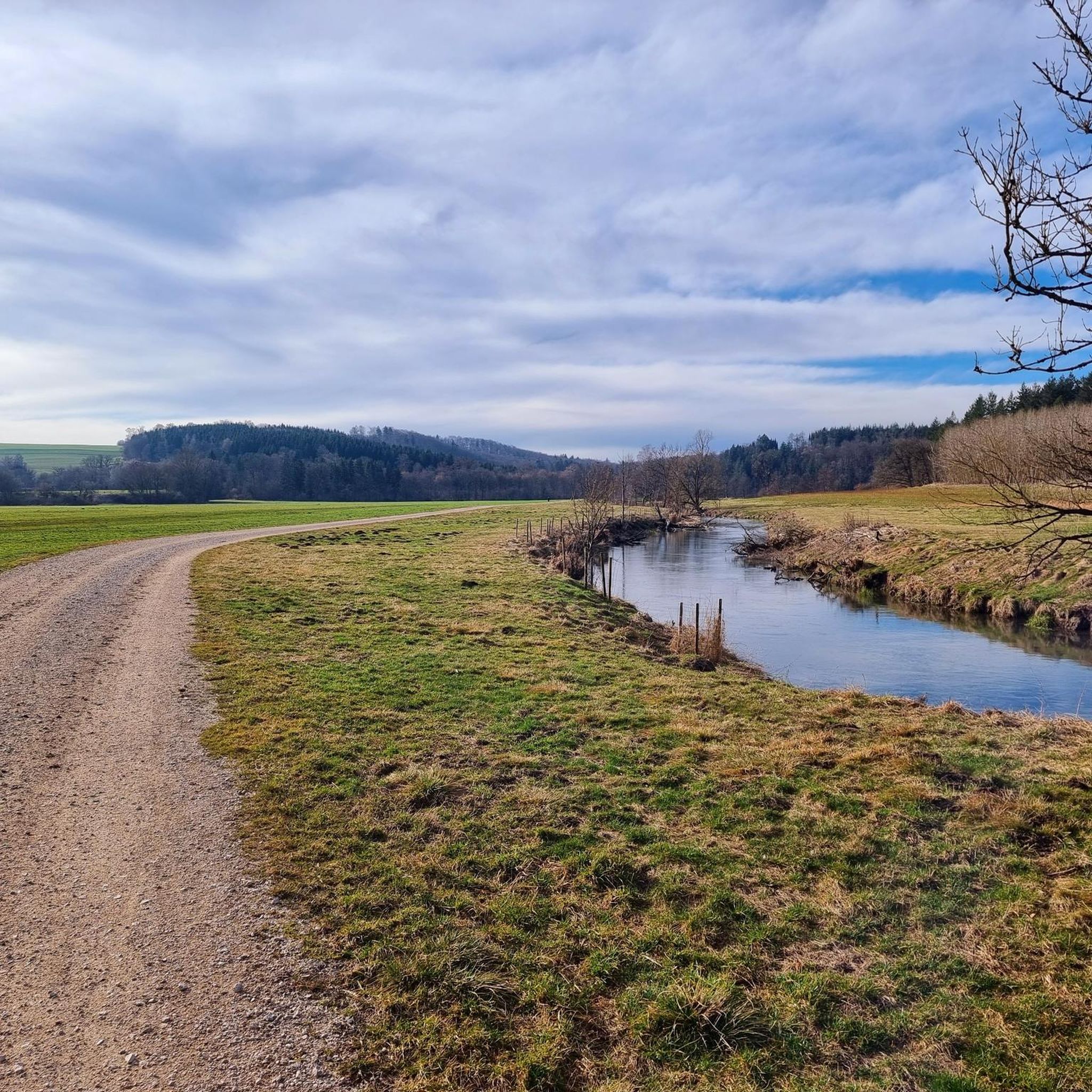
A great view into the Laucherttal valley.
0
0
Frequently Asked Questions
How many hiking trails are available around Bingen?
Bingen offers a wide variety of hiking experiences, with over 80 routes available. These trails traverse diverse landscapes, from limestone valleys to dense woodlands, ensuring options for every preference.
What kind of landscapes can I expect to see while hiking in Bingen?
Hiking around Bingen, particularly Bingen am Rhein, immerses you in the stunning UNESCO World Heritage Upper Middle Rhine Valley. You'll encounter dramatic river gorges, dense forests like the Bingen Forest and Soonwald, picturesque vineyards along the Nahe Valley, and prominent ridges such as Rochusberg. The region is characterized by limestone formations, deep valleys, and rich historical elements.
Are there any historical sites or landmarks to discover on the trails?
Yes, Bingen's hiking trails often integrate historical elements. You can explore castle ruins, such as the Hornstein Castle Ruins, and chapels. The region is also known for its impressive castles along the Rhine, many of which are accessible or visible from trails like the RheinBurgenWeg. For specific historical points of interest, consider routes that pass by sites like the Devil's Bridge Inzigkofen or the Suspension bridge Inzigkofen.
Are there hiking options suitable for families with children?
Absolutely. Bingen offers family-friendly routes with moderate elevation changes. The Bingen Forest Adventure Trail, for instance, is a 4.5-kilometer circular path designed with interactive stations, making it an engaging experience for children. Many of the easy-rated trails, like the Bittelschießer Chapel – Hornstein Castle Ruins loop from Bingen (Hohenz) Hp, are also well-suited for families.
Can I bring my dog on the hiking trails in Bingen?
Many trails in the Bingen area are dog-friendly, allowing you to enjoy the natural beauty with your canine companion. It's always recommended to keep dogs on a leash, especially in nature reserves or areas with wildlife, and to check specific trail regulations before you go. The varied terrain, from forest paths to open valleys, provides plenty of opportunities for walks with your dog.
Are there any circular hiking routes in the Bingen area?
Yes, Bingen features numerous circular hiking routes, perfect for day trips. Popular options include the Bittelschießer Cave – Bittelschießer Valley loop from Bingen, which explores a valley and a cave, and the Nägelesfelsen – Hornstein Castle Ruins loop from Bingen (Hohenz) Hp, leading through rocky outcrops and past historical ruins.
What is the best time of year to go hiking in Bingen?
The Bingen region offers beautiful hiking opportunities throughout much of the year. Spring brings vibrant wildflowers, especially in the Columbia River Gorge (though this refers to Bingen, Washington, the general sentiment of spring beauty applies). Summer is ideal for longer days and warmer weather. Autumn provides stunning foliage as the vineyards and forests change color. Even in winter, some trails are accessible, offering a serene experience, though conditions may vary.
Are there trails for different fitness levels, from easy to more challenging?
Yes, Bingen caters to all fitness levels. You'll find 44 easy routes, 34 moderate routes, and 2 more difficult options. Easy paths like the Hornstein Castle Ruins – Bittelschießer Chapel loop from Bingen are perfect for a leisurely stroll, while moderate trails such as the Bittelschießer Cave – Bittelschießer Valley loop from Bingen offer a bit more challenge with varied terrain and elevation.
What do other hikers say about the trails in Bingen?
The hiking routes in Bingen are highly regarded by the komoot community, with an average score of 4.6 stars from over 380 reviews. Hikers often praise the region's diverse landscapes, the integration of historical sites, and the well-maintained paths that offer a mix of natural beauty and cultural exploration.
Are there any waterfalls or caves to explore near the hiking routes?
Yes, the Bingen area is home to several natural wonders. You can discover fascinating caves like the Inzigkofer caves and rock gate, Zigeunerfels Cave and Picnic Area, or Göpfelstein Cave. Additionally, you might encounter the scenic Gieß Waterfall (Veringendorf), adding another beautiful element to your hike.
What are some notable viewpoints or scenic spots along the hikes?
Bingen offers numerous vantage points with magnificent panoramas. The Rochusberg ridge provides excellent views over the Rhine and Nahe rivers. Specific viewpoints like Kaiser-Friedrich-Turm and Goetheruhe are renowned for their scenic outlooks. You can also find stunning vistas from natural monuments such as Amalien Rock and within the Danube Valley in the Upper Danube Nature Park.
Most popular routes around Bingen
Most popular attractions around Bingen

Get inspired with the komoot mobile app


Explore more
Browse the best Hikes in other regions.
