Attractions and Places To See around Saint-Mexant - Top 17
Best attractions and places to see around Saint-Mexant, a village in the Corrèze department of France, include a mix of historical landmarks, cultural sites, and natural features. The area is characterized by its rolling landscapes and offers insights into local heritage. Its surroundings extend to broader natural sites within the Corrèze region, providing diverse exploration opportunities.
Best attractions and places to see around Saint-Mexant
- The most popular attractions is Puy de Pauliac Summit, a summit that offers an open…
Last updated: July 2, 2026
Puy de Pauliac Summit
Highlight • Summit
Translated by Google •
Tip by

Pans of Travassac
Highlight • Gorge
Translated by Google •
Tip by

Sign up now to discover places like this
Get recommendations on the best single tracks, peaks, & plenty of other exciting outdoor places.
Sign up for free
View of Donzenac
Highlight • Other
Translated by Google •
Tip by

Les 4 moulins
Highlight • Other
Translated by Google •
Tip by

Cabin of the Saulières Resistance Fighters
Highlight • Historical Site
Translated by Google •
Tip by

Sign up for free to discover even more attractions around Saint-Mexant.
Sign up for free
Already have an account?
Start today with a free account
Your next adventure awaits.
Login or Signup

Tips from the Community


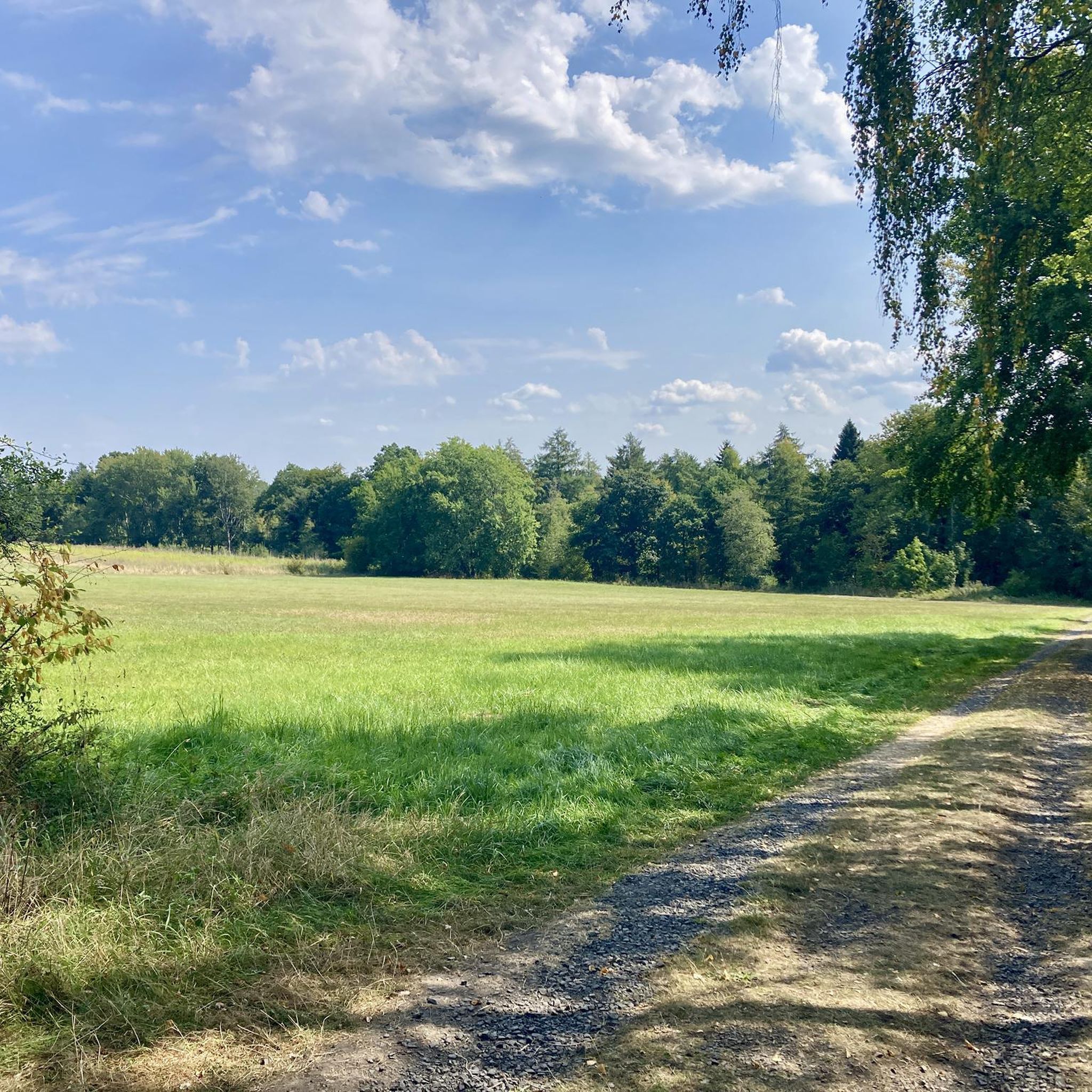
The Puy de Pauliac is one of the most popular peaks among Corrèze residents because it offers a very open panorama of the Corrèze landscapes. From here, you can perfectly see the gentle, hilly terrain composed of oaks and pines.
3
0

Why Visit Puy de Pauliac? For the panorama: Enjoy breathtaking views of Corrèze, ideal for photography and landscape enthusiasts. For hiking: Explore a preserved natural setting thanks to hiking trails suitable for all levels. For serenity: Recharge your batteries in a quiet location, away from the hustle and bustle, surrounded by nature. Puy de Pauliac is an authentic place of discovery in Corrèze, perfect for those seeking natural beauty, tranquility, and outdoor activities.
2
0
The Puy de Pauliac is a peak located in the Corrèze department, in the Nouvelle-Aquitaine region. Although less well-known than some of the region's other peaks, it offers beautiful panoramic views and a preserved natural setting, ideal for hikers and nature lovers. Points of Interest at the Puy de Pauliac: Corrèze Landscapes: The Puy de Pauliac offers an exceptional panorama of the rolling and wooded landscapes of Corrèze. On clear days, visitors can observe distant horizons and the small valleys that shape this rural region. Preserved Natural Setting: The vegetation surrounding the summit is typical of Corrèze forests, with oaks, pines, and a rich diversity of local flora. Hiking Activities: Marked Trails: The Puy de Pauliac is accessible via several hiking trails. The trails are generally well-marked, offering hikers of all levels the opportunity to explore the surrounding area in peace and quiet. Natural Discovery: In addition to the panoramic views, hikers can appreciate the region's ecological richness, observe local wildlife, and immerse themselves in nature. Place of Serenity: Spirit of Relaxation: This is a perfect place for those seeking peace and quiet away from the hustle and bustle of the city. The summit is often a peaceful place, conducive to reflection or contemplation of the surrounding nature. Heritage and Local History: A Place of Remembrance: The Puy de Pauliac can also be linked to certain local histories, particularly those related to the Resistance or the history of Corrèze, although it is less well-known than other historical sites in the region.
2
0
Why Visit the Donzenac Viewpoint? For the panoramas: The spectacular view of the village of Donzenac and the surrounding landscapes is a major asset for nature and photography lovers. For the tranquility: The site offers a moment of calm and contemplation, perfect for escaping the hustle and bustle of everyday life. For the discovery of heritage: The view allows you to appreciate the beauty and medieval architecture of the village of Donzenac in an exceptional natural setting. The Donzenac viewpoint is a must-see place for those who wish to discover the picturesque beauty of this Corrèze village and admire the landscapes set in the tranquility of the countryside.
1
0
Leisure Activities: Hiking: The viewpoint can be reached via hiking trails, allowing visitors to enjoy a walk in nature while discovering the beauty of the landscape. Photography: It is an ideal place for photography enthusiasts, offering opportunities to capture exceptional panoramas and picturesque views of the village and its surroundings. Atmosphere and Tranquility: Relaxation: The viewpoint is a quiet place where visitors can relax, enjoy the scenery and take a moment to appreciate the natural beauty of the area. Peaceful Atmosphere: The calm environment and spectacular view create a serene atmosphere, ideal for recharging one’s batteries.
1
0
The Donzenac Viewpoint is a panoramic location offering stunning views of this charming village located in the Corrèze department of Nouvelle-Aquitaine. Nestled on a hill, Donzenac is renowned for its medieval architecture and picturesque setting, and the viewpoint is an excellent vantage point. Points of Interest at the Donzenac Viewpoint: Panoramic View: Surrounding Landscapes: The viewpoint offers a clear view of the surrounding landscapes, including the green hills, winding valleys and fields typical of the region. The rolling landscapes of the Corrèze can be seen, which add to the beauty of the panorama. Village View: From this viewpoint, you can admire the village of Donzenac with its tiled roofs, narrow streets and historic buildings. The view allows you to appreciate the picturesque arrangement of the houses and monuments of the village. Architectural Heritage: Medieval Architecture: Donzenac is known for its well-preserved medieval buildings, such as stone houses, ancient churches, and ramparts. The viewpoint allows you to grasp the layout and beauty of this traditional architecture in its context. Saint-Pierre Church: Among the elements visible from the viewpoint, the Saint-Pierre church stands out for its Romanesque architecture and its imposing bell tower.
1
0
Why Visit the Pans de Travassac? To discover ancestral know-how: The work of slate workers, a centuries-old tradition, is a captivating demonstration of a unique craft. For the natural beauty of the site: The immense schist cliffs offer impressive landscapes that make the visit an educational as well as aesthetic experience. For its historical heritage: The Pans de Travassac reflect a regional industry that has left its mark on the territory and whose slate has been used for prestigious projects throughout France. The Pans de Travassac is a place where history, geology and craftsmanship meet, offering visitors an immersion in an exceptional natural and industrial heritage.
1
0
Frequently Asked Questions
What historical sites can I explore in and around Saint-Mexant?
Saint-Mexant and its surroundings offer a rich history. You can visit the Pans of Travassac, a gorge with impressive rock formations where you can learn about traditional slate extraction. In the village, the Church of Saint-Mexant features a 12th-century Romanesque choir and beautiful polychrome frescoes. The Maison Brugeau, now the Town Hall, is an attractive 18th-century residence. For a deeper dive into ancient history, the Maison du Patrimoine houses Gaulish artifacts from Tintignac, including a rare boar-headed carnyx and a swan helmet. Additionally, the Cabin of the Saulières Resistance Fighters offers a poignant historical perspective.
Are there any natural viewpoints or scenic spots near Saint-Mexant?
Yes, the region boasts several beautiful natural viewpoints. The Puy de Pauliac Summit offers an open panorama of the gentle, hilly Corrèze landscapes, perfect for photography and nature enthusiasts. Another excellent spot is the View of Donzenac, providing a clear perspective of the charming medieval village of Donzenac and its surrounding green hills. Don't miss the Cascade de la Brauze (Rabès Waterfall) in nearby Cornil, an impressive 30-meter natural slide over rocks, though caution is advised due to slippery conditions.
What kind of hiking trails are available around Saint-Mexant?
The area around Saint-Mexant offers a variety of hiking opportunities. You can find trails suitable for different levels, from easy walks to more challenging routes. For a pleasant walk along the water, consider Les 4 moulins, which is suitable for standard footwear when dry. For more options, explore the Hiking around Saint-Mexant guide, which includes routes like 'Discovering the city of Tulle' and the 'Cloister museum loop'.
Are there family-friendly activities or attractions in the Saint-Mexant area?
While specific 'family-friendly' categories aren't always explicit, many natural and historical sites can be enjoyed by families. Gentle walking trails like Les 4 moulins are suitable for walks with children. The Pans of Travassac offers an educational experience about slate extraction, which can be fascinating for older children. Exploring the historical Church of Saint-Mexant and the Maison du Patrimoine with its Gaulish artifacts can also be engaging for curious minds.
What are the options for running or cycling around Saint-Mexant?
Saint-Mexant is a great base for outdoor sports. For runners, there are various routes, including easy loops like 'Étang de Lachamp' and more challenging ones such as the 'Étang des Pradeaux – Les Noucoux loop'. You can find detailed information in the Running Trails around Saint-Mexant guide. Cyclists can also enjoy the scenic roads with routes like the 'Small loop of Tulle' or the more extensive 'Tulle - Château de Comborn Loop'. Check the Cycling around Saint-Mexant guide for more details.
What is the best time of year to visit Saint-Mexant for outdoor activities?
The best time to visit Saint-Mexant for outdoor activities like hiking, running, and cycling is generally during the spring (April to June) and autumn (September to October). During these seasons, the weather is typically mild and pleasant, making it ideal for exploring the natural landscapes and historical sites. Summer can also be enjoyable, but be prepared for warmer temperatures, especially in July and August.
Are there any unique natural features or monuments to see?
Beyond the panoramic views, Saint-Mexant has a few unique natural and historical features. Behind the village church, you'll find a remarkable linden tree planted in 1831, commemorating the revolution of 1830. The nearby Cascade de la Brauze (Rabès Waterfall) is a regional natural gem with its impressive 30-meter cascade. The Dordogne Gorges, a broader regional highlight, are also within reach for those looking for more extensive natural exploration.
What kind of local heritage can I discover in Saint-Mexant?
Saint-Mexant offers a glimpse into local heritage through its architecture and historical sites. The Church of Saint-Mexant, with its Romanesque choir and frescoes, showcases centuries of religious history. The Maison Brugeau, an 18th-century residence, reflects the village's architectural past. Although private, the Château de Saint-Mexant near the church also hints at the area's fortified history. The Maison du Patrimoine provides insight into ancient Gaulish culture with its archaeological finds from Tintignac.
Can I find places to eat or stay overnight in Saint-Mexant?
Saint-Mexant is a small village, but you can find local amenities. For a wider selection of cafes, restaurants, pubs, and accommodation options, consider nearby towns like Tulle, which is a short drive away and offers more choices for dining and lodging after a day of exploring the attractions around Saint-Mexant.
What do visitors particularly enjoy about the attractions around Saint-Mexant?
Visitors frequently praise the serene natural settings and the rich historical insights offered by the region. The open panorama from Puy de Pauliac Summit is highly appreciated for its breathtaking views of the Corrèze landscapes. The Pans of Travassac is often described as a magnificent place steeped in history, with visitors finding it impressive to walk between the rock faces and learn about slate extraction. The tranquility and natural beauty for hiking and contemplation are also commonly highlighted.
Are there any specific tips for visiting the Pans of Travassac?
When visiting the Pans of Travassac, it's highly recommended to take a guided tour to fully understand the slate extraction process and the site's history. This allows for a deeper appreciation of the impressive rock formations. Ensure the site is open for visits to make the most of your experience, as walking between the rock faces is a key part of its appeal.
What should I know about the Church of Saint-Mexant?
The Church of Saint-Mexant is a significant historical landmark. Originally a 12th-century structure, only its Romanesque choir remains from that period. It was rebuilt in 1789 and further enlarged in 1882. The church is notable for its beautiful polychrome frescoes, offering a glimpse into the artistic and religious heritage of the region.

Get inspired with the komoot mobile app


Explore more
Still not found the Highlight you’re looking for? See guides of the top attractions in other regions:
