The best road cycling routes around Clairmarais
4.3
(127)
6,601
riders
698
rides
Road cycling routes around Clairmarais are characterized by a unique landscape of wetlands, forests, and waterways in the Audomarois marsh. The terrain features an intricate network of canals and ponds, alongside extensive forest paths. While some routes incorporate unpaved sections, many offer mostly paved surfaces, providing varied environments for road cyclists.
Best road cycling routes around Clairmarais
- The most popular road cycling route is St Omer au Kemmelberg — loop on the cobblestones of Gand-Wevelgem, a 72.9 miles (117.3 km) trail that takes 5 hours 15 minutes to complete. This difficult route includes challenging cobblestone sections.
- Another top favourite among local road cyclists is Saint-Omer, Béthune, and Cassel Loop, a difficult 77.3 miles (124.4 km) path. This route offers a comprehensive exploration of the region's diverse landscapes and towns.
- Local road cyclists also love the Mont de Watten – Montée de Cassel loop from Saint-Omer, a 32.1 miles (51.7 km) trail leading through varied terrain, often completed in about 2 hours 9 minutes.
- Road cycling around Clairmarais is defined by marshland scenery, extensive forests, and quiet country roads. The network offers options for different ability levels, from easy rides to more challenging routes with significant elevation gain.
- The routes in Clairmarais are highly rated by the komoot community with an average score of 4.46 stars from more than 100 reviews. More than 6000 road cyclists have used komoot to explore Clairmarais's varied terrain.
Last updated: July 7, 2026
7
riders
117km
05:15
960m
960m
Hard road ride. Very good fitness required. Mostly well-paved surfaces and easy to ride.
3
riders
124km
05:10
580m
580m
Hard road ride. Very good fitness required. Mostly well-paved surfaces and easy to ride.

Sign up for free
4.5
(2)
96
riders
52.7km
02:13
330m
330m
Moderate road ride. Good fitness required. Mostly well-paved surfaces and easy to ride.
5.0
(1)
86
riders
57.6km
02:40
490m
490m
Moderate road ride. Good fitness required. Mostly well-paved surfaces and easy to ride.
5.0
(1)
103
riders
49.8km
02:13
280m
280m
Moderate road ride. Good fitness required. Mostly well-paved surfaces and easy to ride.
Get access to more routes and recommendations from other explorers.
Sign up for free
Already have an account?
Our route recommendations are based on thousands of hikes, rides, and runs completed by other people on komoot.
Start today with a free account
Your next adventure awaits.
Login or Signup
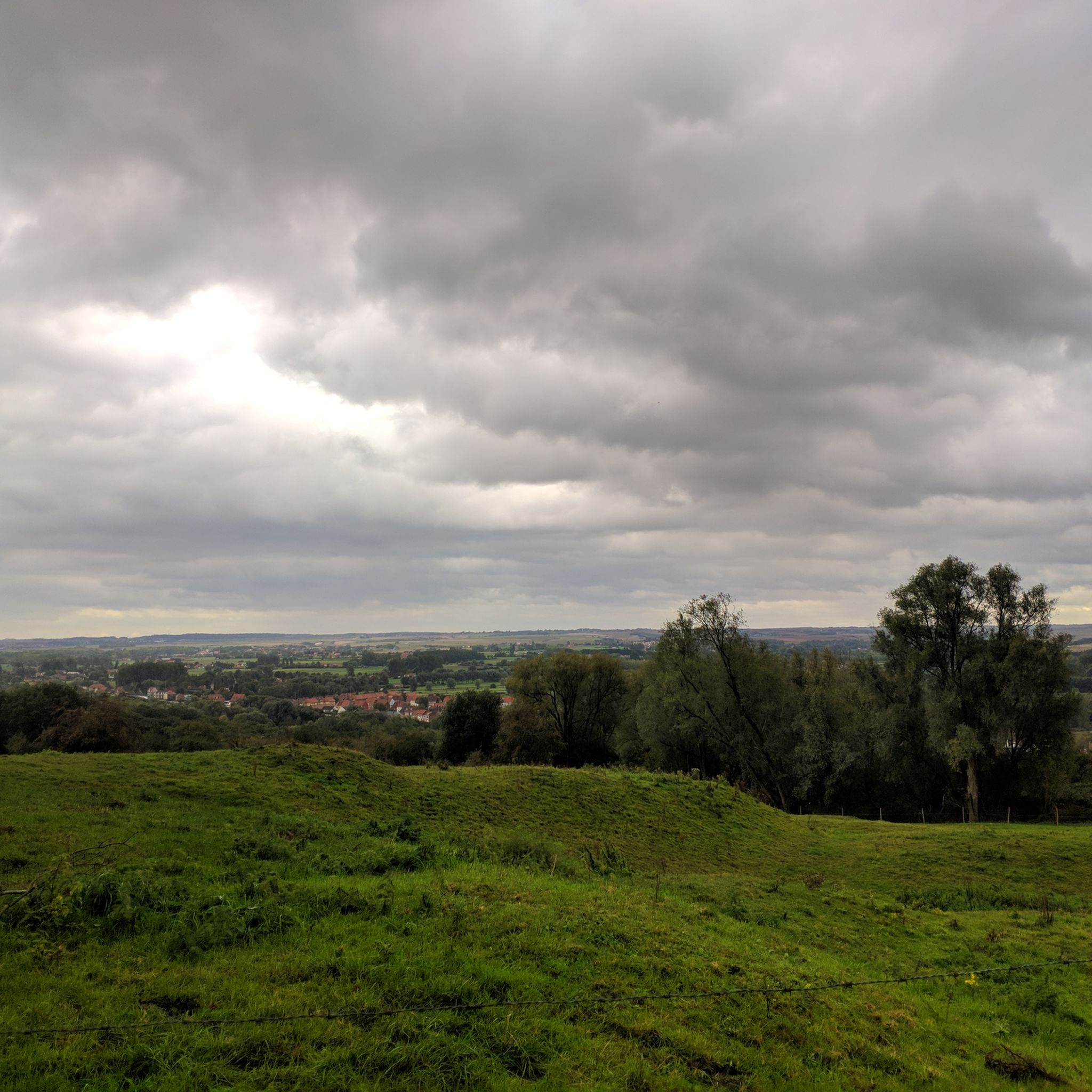

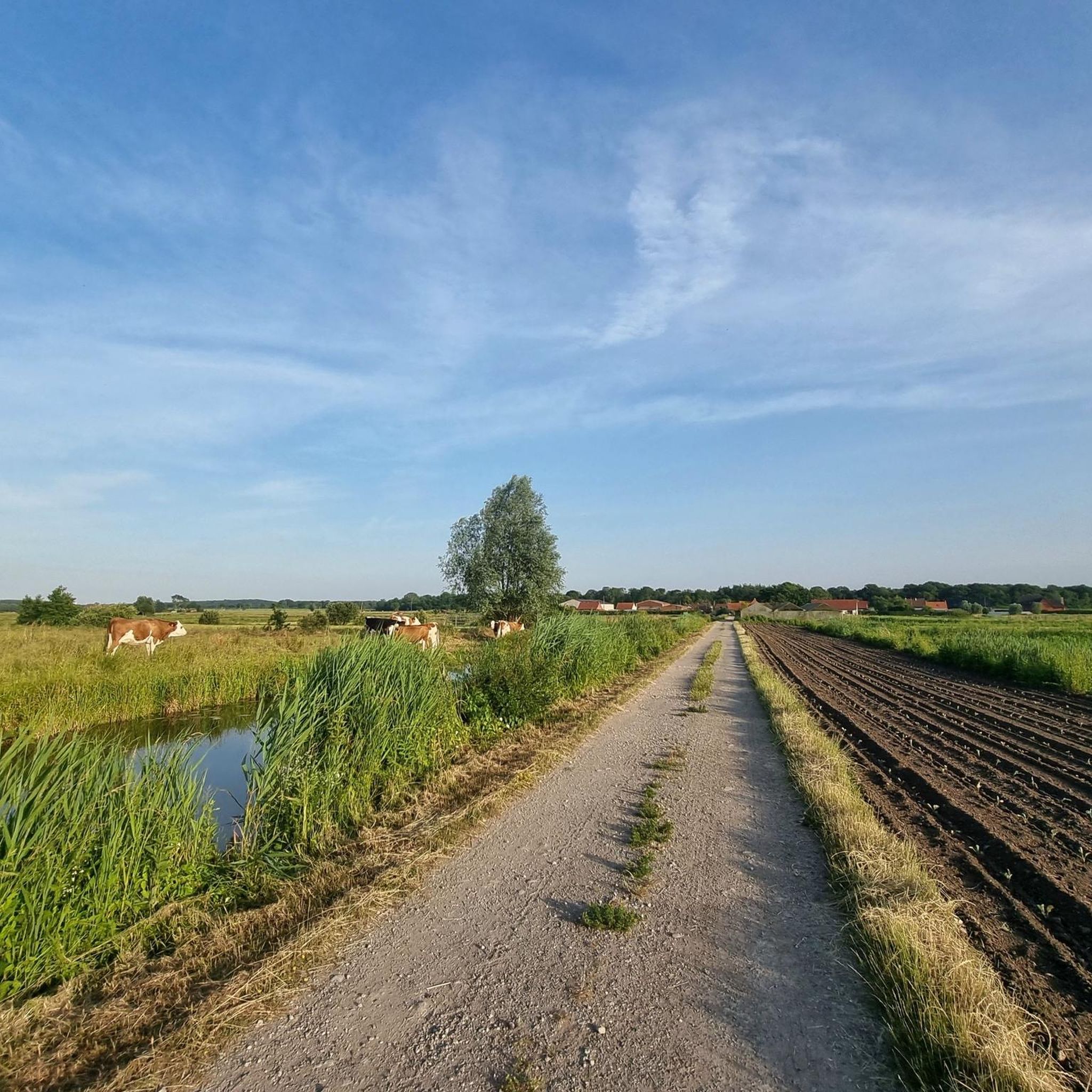
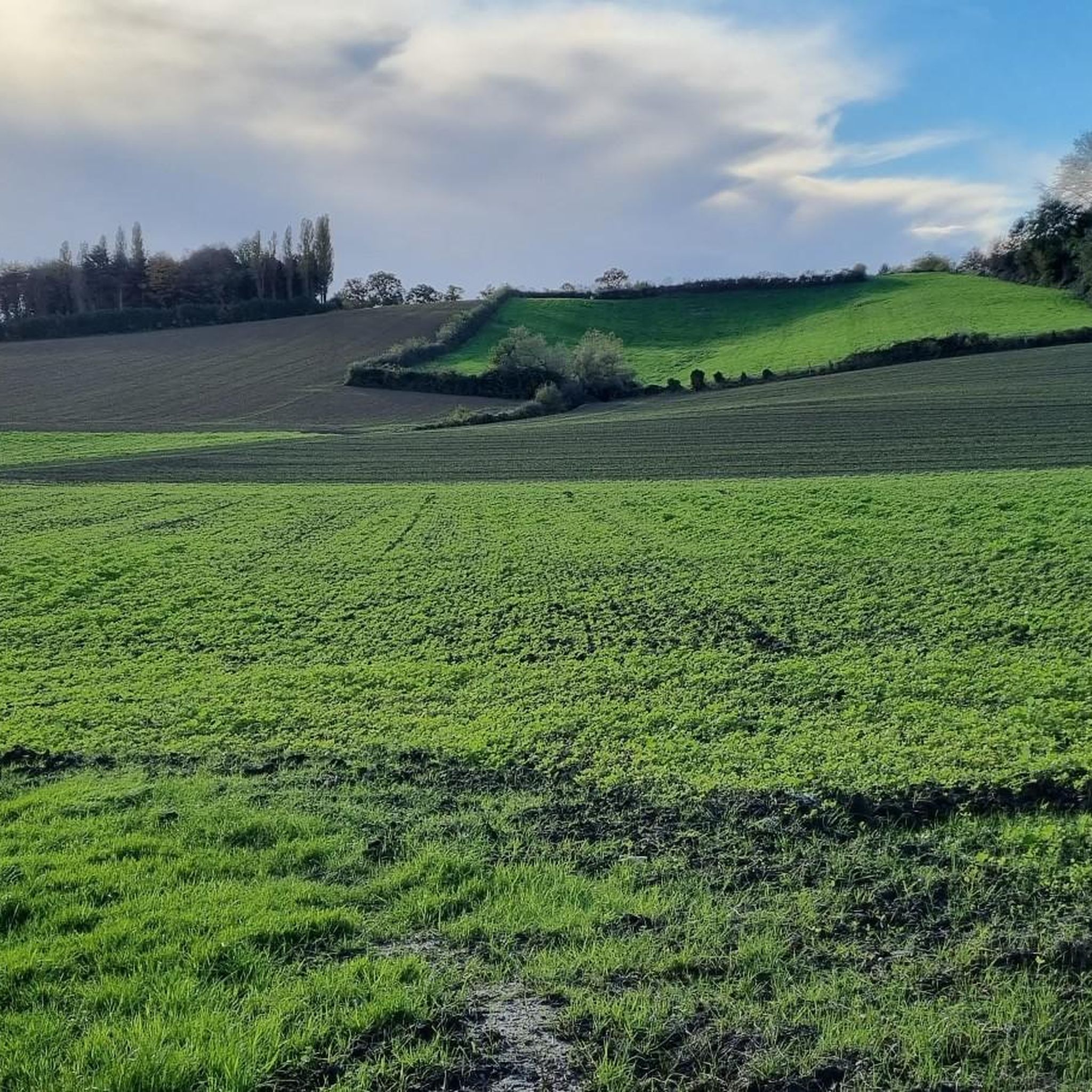

Tips from the Community


The battle of Fromelles on 19 July 1916 was a bloody initiation for Australian soldiers to warfare on the Western Front. Soldiers of the newly arrived 5th Australian Division, together with the British 61st Division, were ordered to attack strongly fortified German front line positions near the Aubers Ridge in French Flanders. The attack was intended as a feint to hold German reserves from moving south to the Somme where a large Allied offensive had begun on 1 July. The feint was a disastrous failure. Australian and British soldiers assaulted over open ground in broad daylight and under direct observation and heavy fire from the German lines. Over 5,500 Australians became casualties. Almost 2,000 of them were killed in action or died of wounds and some 400 were captured. This is believed to be the greatest loss by a single division in 24 hours during the entire First World War. Some consider Fromelles the most tragic event in Australia’s history. https://www.awm.gov.au/articles/encyclopedia/fromelles
0
0

On the top of Kasselberg once stood about twenty windmills. The last mill caught fire on October 30, 1911, which could be seen far into the surrounding area. In 1947, the Ruytoor mill in Arneke was purchased by the local Syndicat d'Initiative, to be opened to the public on July 14, 1949. The mill has two different installations: it functions as a gristmill, which produces organic flour. An electric installation functions as an oil mill, for the production of both rapeseed oil and linseed oil. Near the mill, there is an orientation table and a statue of Maréchal Foch.
1
0


Worth seeing monastery ruins.
0
0

Near the front line in 1916, a fierce battle was fought between the British (Australians) and the Germans. To commemorate 'la bataille' and the wounded who were brought back from the battlefield, a monument/statue was erected here.
1
0

Anecdote: During the battle, Sergeant Simon Fraser heard a wounded soldier cry out, "Don't forget me, cobber!" Despite the danger, Fraser returned to the battlefield to save the man, an act of bravery that was later immortalized in the statue. This event emphasizes the sacrifice and strong bond between soldiers during the horrors of war.
7
0
Frequently Asked Questions
How many road cycling routes are available around Clairmarais?
There are over 700 road cycling routes available around Clairmarais, offering a wide variety of options for different skill levels and preferences.
What kind of terrain can I expect on road cycling routes in Clairmarais?
Road cycling routes in Clairmarais feature a unique blend of landscapes, including the intricate network of canals and ponds within the Audomarois marsh, extensive forest paths, and quiet country roads. While many routes are predominantly paved, some may incorporate unpaved sections, providing a varied environment for cyclists.
Are there road cycling routes suitable for beginners or families in Clairmarais?
Yes, Clairmarais offers numerous routes suitable for all skill levels, including beginners and families. There are over 100 easy routes, often featuring mostly paved surfaces and gentle gradients, such as the 'Clairmarais Church – Forest road loop from Arques' or 'Chemin Gravé – Forest road loop from Clairmarais'.
What are some challenging road cycling routes near Clairmarais?
For those seeking a challenge, the region offers routes with significant elevation gain and varied terrain. Consider the difficult St Omer au Kemmelberg — loop on the cobblestones of Gand-Wevelgem, which includes challenging cobblestone sections, or the Saint-Omer, Béthune, and Cassel Loop for a comprehensive exploration of the region's diverse landscapes.
What natural features and landmarks can I see along the road cycling routes?
The routes often pass through the unique Audomarois marsh, the Clairmarais forest, and offer views of the Romelaere Ponds. Notable highlights include the Romelaëre Nature Reserve Circuit, Harchelle Lake, and the historic Cassel Village, which also presents a challenging climb for cyclists.
Are there any specific starting points for road cycling routes in Clairmarais?
Clairmarais village itself serves as an excellent starting point for many routes. Other common starting points include Saint-Omer and Arques, which are well-connected and offer access to various loops traversing forests, meadows, and marshes.
What is the best time of year for road cycling in Clairmarais?
The region is generally pleasant for cycling from spring through autumn. While specific weather conditions can vary, these seasons typically offer milder temperatures and more stable weather for exploring the marshlands and forests. Winter cycling is possible, but conditions may be colder and wetter.
Are there loop routes available for road cyclists in Clairmarais?
Yes, many road cycling routes around Clairmarais are designed as loops, allowing you to start and finish in the same location. Examples include the 'Clairmarais Church – Forest road loop from Arques' and the Mont de Watten – Montée de Cassel loop from Saint-Omer.
What do other road cyclists enjoy most about road cycling in Clairmarais?
The area is highly rated by the komoot community, with an average score of 4.46 stars from over 100 reviews. Reviewers often praise the unique marshland scenery, the extensive forests, and the quiet country roads that define the cycling experience in Clairmarais.
Are there parking options available for road cyclists in Clairmarais?
Yes, Clairmarais and nearby towns like Saint-Omer offer various parking options. Specific parking areas can be found near popular starting points for routes, such as the village center or access points to the Romelaere National Nature Reserve.
Can I reach Clairmarais by public transport with my bike?
The nearby Saint-Omer station is a key transport hub. While specific bike carriage policies on local public transport should be checked with the operators, trains often allow bikes, making Saint-Omer a potential access point for cyclists looking to explore Clairmarais.
Are there any cafes or places to stop for refreshments along the routes?
While specific cyclist-focused cafes are not explicitly listed, the villages and towns along the routes, such as Clairmarais itself and the nearby Cassel Village, offer amenities where you can find refreshments. The Grange Nature in Clairmarais also serves as a central point for visitors.
Do I need any special permits for cycling in the Clairmarais region?
Generally, no special permits are required for road cycling on public roads and designated cycling paths in the Clairmarais region. However, always respect local regulations, especially when cycling through nature reserves or private lands.
Most popular routes around Clairmarais
Most popular attractions around Clairmarais

Get inspired with the komoot mobile app


Explore more
Browse the best Road cycling routes in other regions.
