Attractions and Places To See around Ormersweiler - Top 20
Best attractions and places to see around Ormersweiler are primarily located in the surrounding region, as Ormersweiler itself is a small locality. The area offers a mix of historical landmarks, cultural sites, and natural features. Visitors can explore a variety of sites, including ancient fortifications, archaeological parks, and scenic cycle paths, making it a suitable base for regional exploration.
Best attractions and places to see around Ormersweiler
- The most popular attractions is Hornbach Abbey, a religious building with a…
Last updated: June 22, 2026
Historic Gersheim Station Restaurant & Beer Garden
Highlight • Restaurant
Translated by Google •
Tip by

Bliestal Cycle Path section Gersheim – Blieskastel
Highlight (Segment) • Cycleway
Translated by Google •
Tip by
Sign up now to discover places like this
Get recommendations on the best single tracks, peaks, & plenty of other exciting outdoor places.
Sign up for free
Moulin d'Eschviller
Highlight • Restaurant
Translated by Google •
Tip by

Blies Floodplain between Blieskastel and Bliesdalheim
Highlight • River
Translated by Google •
Tip by

Hornbach Abbey
Highlight • Religious Site
Translated by Google •
Tip by

Sign up for free to discover even more attractions around Ormersweiler.
Sign up for free
Already have an account?
Start today with a free account
Your next adventure awaits.
Login or Signup
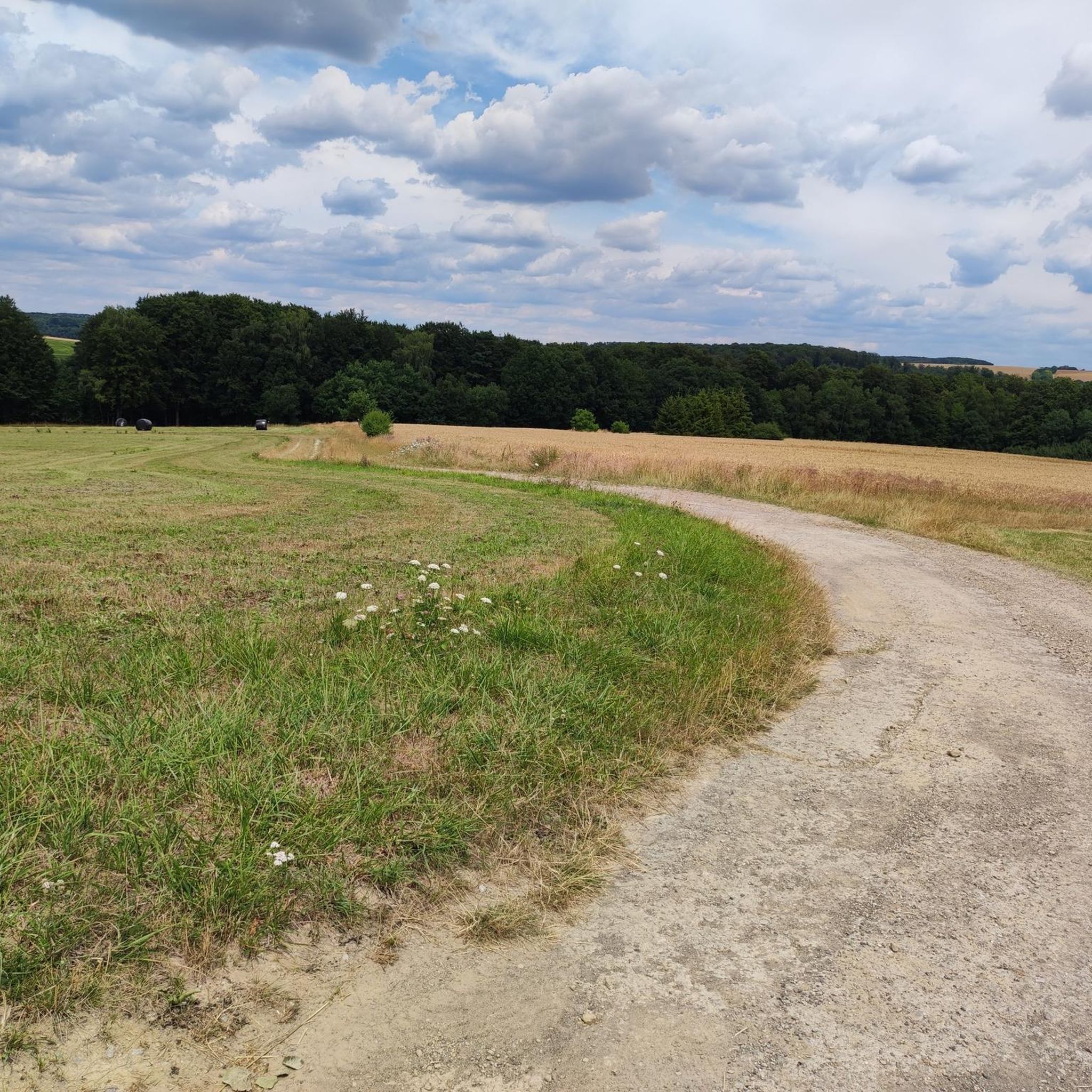
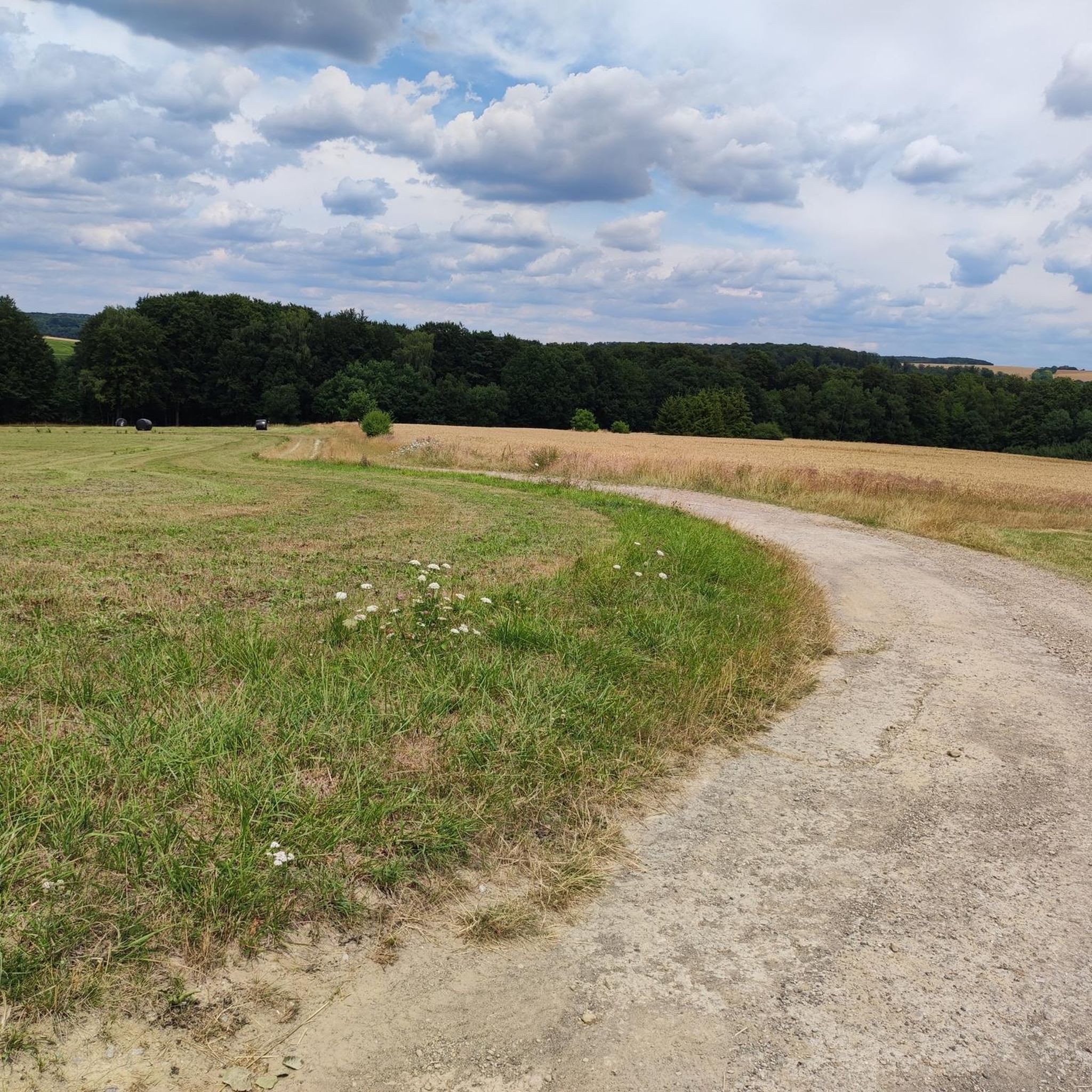
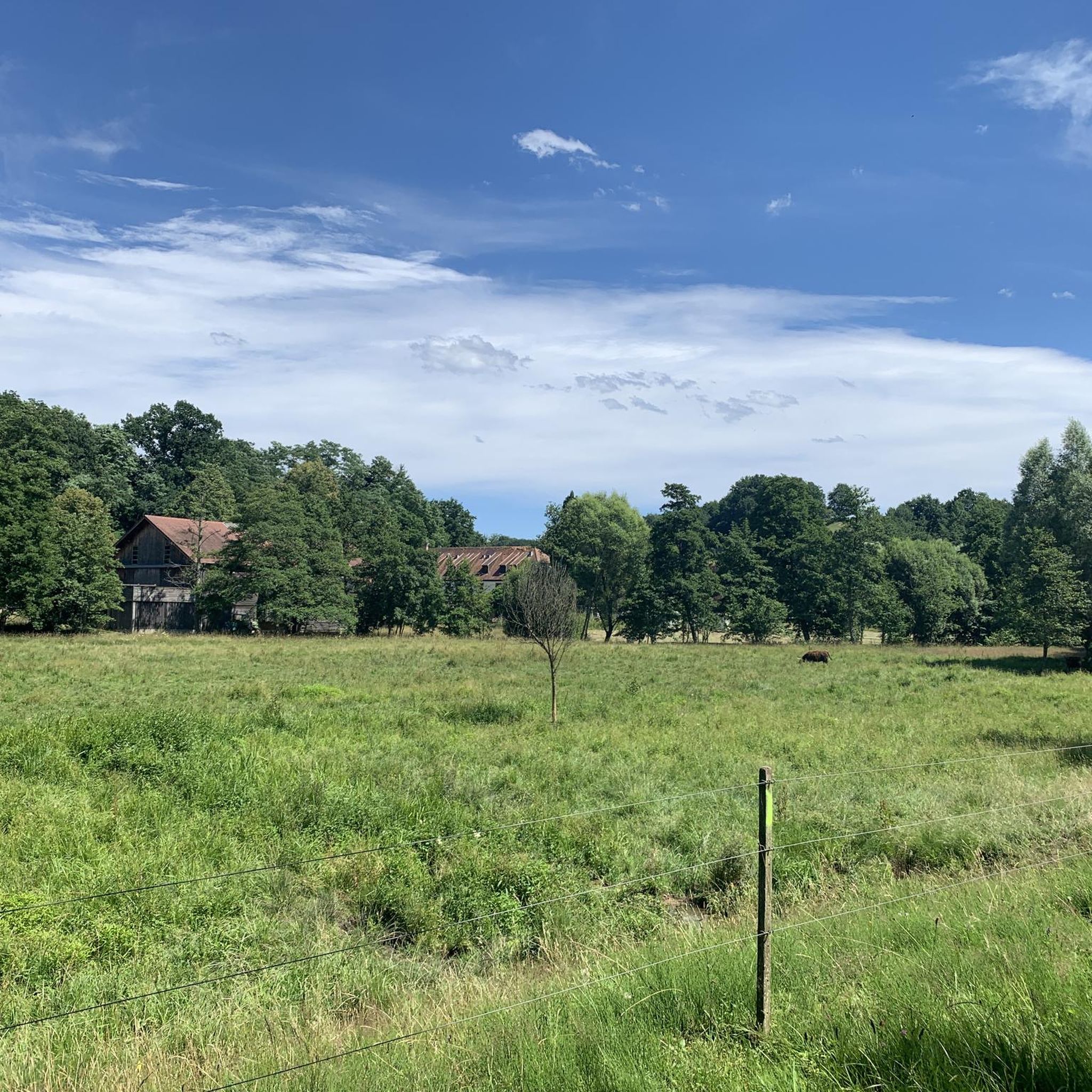
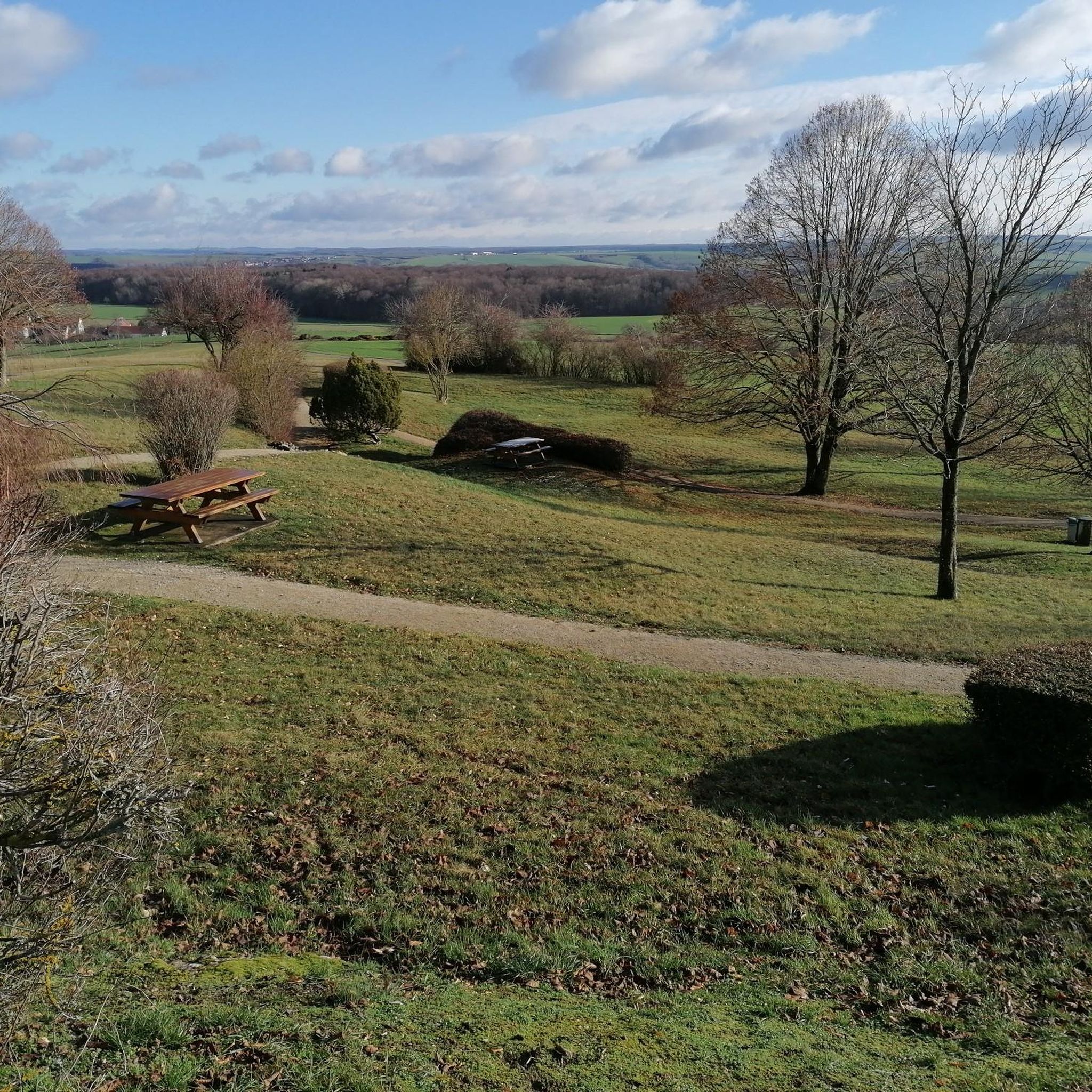
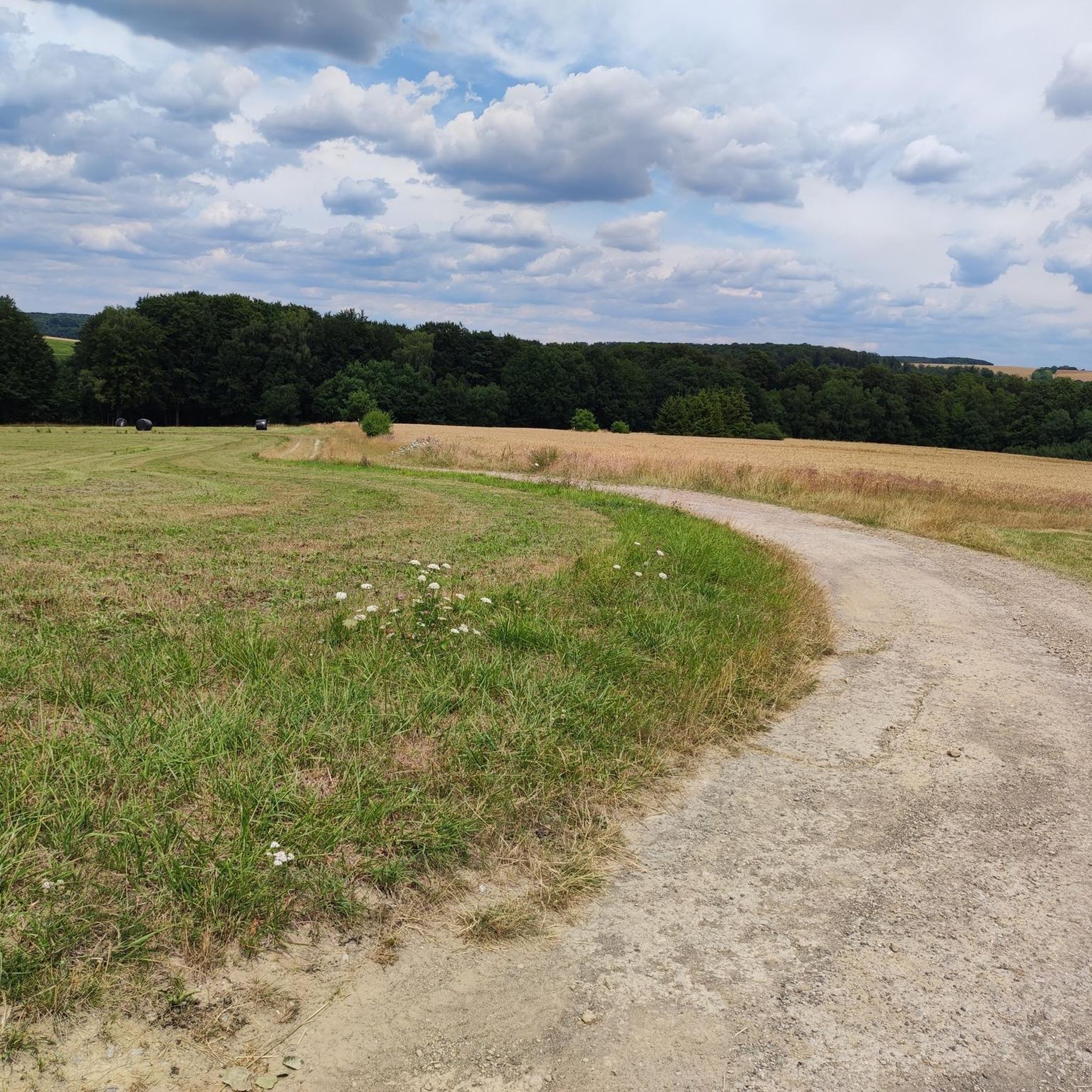
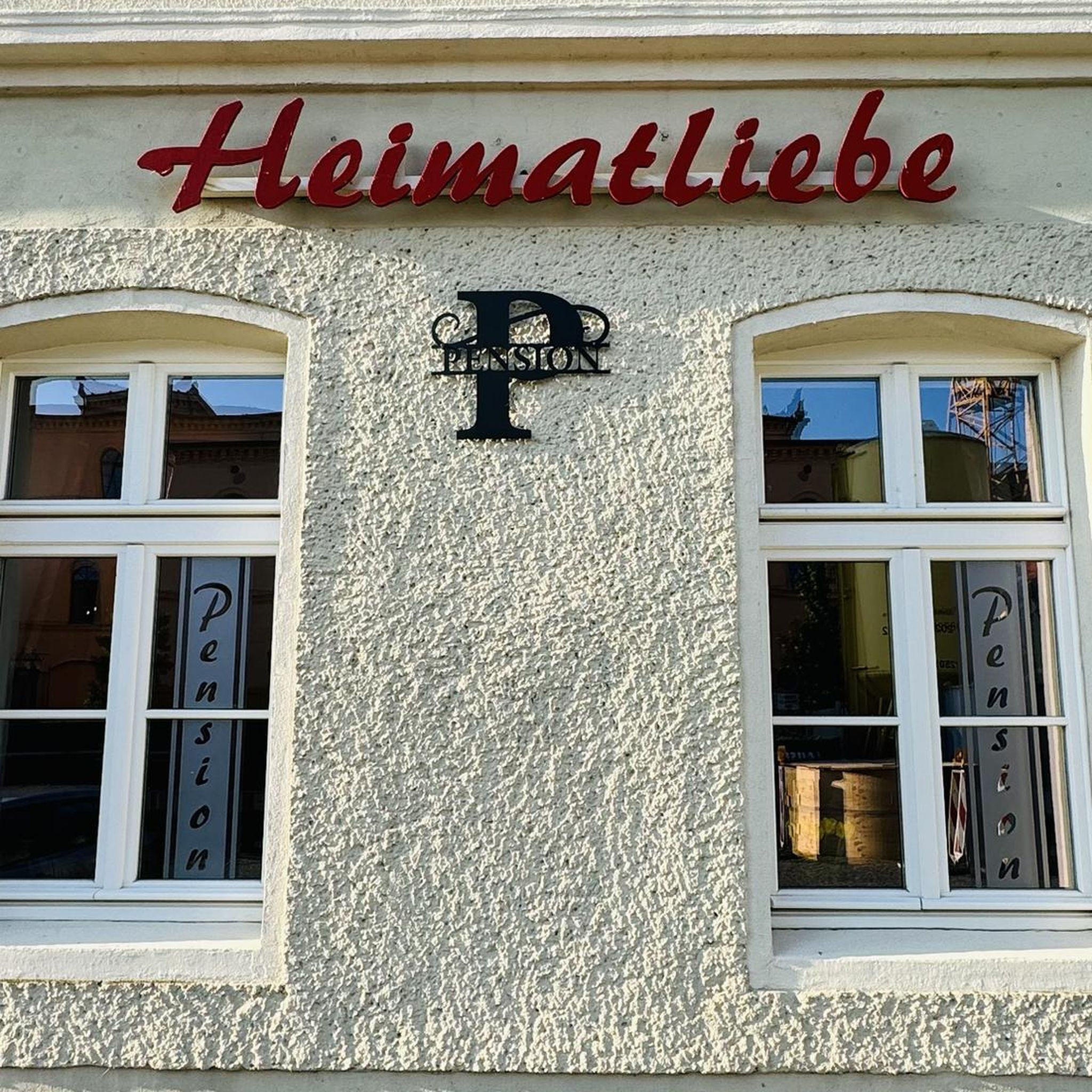
Tips from the Community

Stylish hotel with very good service in stylishly converted buildings of an 8th-century monastery.
5
0

Beautiful monastery in tranquil Hornbach.
4
0

The Moulin d'Eschviller, or the Eschviller Mill, is a historic watermill in the village of Eschviller, part of the commune of Volmunster in the Moselle department in the Grand Est region of France. This mill is a major tourist attraction and an important cultural monument, reflecting the agricultural and industrial history of the region. Dating back to the 18th century, the Moulin d'Eschviller has undergone various modifications and restorations over the centuries. It was originally used to grind grain and played a central role in the local economy and community. Like many other watermills in the region, the mill harnessed the waterpower of nearby rivers to drive the millstones. Today, the Moulin d'Eschviller is a museum open to the public. It offers a variety of activities and excursions. Visitors can take guided tours that explain the history of the mill and how it worked. These tours offer a deep insight into traditional milling technology and rural life from centuries past. The museum features interactive exhibits that are especially interesting for children and families. Here, visitors can learn how grain is milled and processed into flour. There's also a restaurant where you can enjoy a good meal or refreshments.
2
0
Hornbach Abbey is an important historic monastery in the town of Hornbach, Rhineland-Palatinate, dating back to its foundation in 742 by Saint Pirminius. Originally built as a Benedictine monastery, it played an important role in the religious and cultural history of the region.
4
0

Hornbach Monastery is a former monastery founded around 741 by Saint Pirminius in the historic town of Gamundias (now Hornbach), which soon became a Benedictine abbey. The neighboring spiritual centers were Trier and Metz. Today, all that remains of the Hornbach monastery complex are the structural remains of the convent buildings, which have been supplemented by a monastery museum, and a modern chapel containing the historic tomb of the monastery's founder. https://de.wikipedia.org/wiki/Kloster_Hornbach
10
2

Very nice nature reserve. Keep clean
5
0
Great bridge over the floodplain landscape of the Blies
5
0
Here the floodplain landscape is particularly pristine
6
0
Frequently Asked Questions
What historical sites can I visit near Ormersweiler?
The region around Ormersweiler is rich in history. You can explore the ancient Hornbach Abbey, which dates back to the 8th century, offering a glimpse into religious history. Another significant historical site is the Moulin d'Eschviller, a historic mill that now houses a museum and inn, showcasing traditional milling and rural life. Further afield, consider visiting the impressive Citadel of Bitche or the Ouvrage du Simserhof Maginot Line Fortress for insights into military history.
Are there any castles or fortifications to explore in the area?
Yes, the area offers several historical fortifications and castle ruins. You can visit the imposing Citadel of Bitche, a major historic landmark. Other options include Waldeck Castle, a medieval castle from the late 13th century with ruins and underground rooms, and the Château du Ramstein, a castle ruin located in Baerenthal, both providing panoramic views and historical exploration.
Where can I learn about the region's ancient past?
To delve into the region's ancient past, the European Archaeological Park of Bliesbruck-Reinheim is an excellent destination. It offers a comprehensive look at archaeological findings, providing insights into the area's history through its preserved sites and exhibits.
What cycling opportunities are available around Ormersweiler?
The area is very popular for cycling. A highlight is the Bliestal Cycle Path section Gersheim – Blieskastel, which follows an old railway line, offering easy cycling through green landscapes with occasional views of the Blies river. Another great option is the Blies Floodplain between Blieskastel and Bliesdalheim, known as a 'cycling highway' with well-developed paths. For more routes, check out the dedicated guides for Cycling around Ormersweiler, Road Cycling Routes around Ormersweiler, and Gravel biking around Ormersweiler.
Are there any scenic natural areas or viewpoints?
Yes, the region offers beautiful natural scenery. The Bliestal Cycle Path provides scenic views as it winds through green landscapes. The Blies Floodplain between Blieskastel and Bliesdalheim features parts of the Blies river in a 'wildly romantic condition,' offering picturesque natural settings for walks and rides.
Are there family-friendly attractions around Ormersweiler?
Many attractions in the area are suitable for families. The Hornbach Abbey offers a peaceful setting with a monastery garden, and the Moulin d'Eschviller, with its museum and inn, provides an engaging historical experience. The Bliestal Cycle Path and the Blies Floodplain are also excellent for family outings, offering easy cycling paths that are safe for all ages.
What dining options are available near the attractions?
You'll find several dining options. The Moulin d'Eschviller houses an inn, perfect for a meal in a historic setting. The Hornbach Abbey complex includes a hotel and restaurant, often with a beer garden for pleasant weather. Additionally, the Historic Gersheim Station Restaurant & Beer Garden is a great stop, especially if you're cycling along the nearby bike path.
Are there any wheelchair-accessible paths or attractions?
Yes, some paths are designed for accessibility. The Bliestal Cycle Path section Gersheim – Blieskastel is noted for its gentle inclines and smooth surface, making it suitable for wheelchairs. Similarly, the Blies Floodplain between Blieskastel and Bliesdalheim offers well-developed paths that are accessible, allowing everyone to enjoy the natural surroundings.
What do visitors enjoy most about the attractions around Ormersweiler?
Visitors particularly appreciate the blend of historical depth and natural beauty. The ease of cycling on paths like the Bliestal Cycle Path, which follows old railway lines, is frequently praised. The historical significance and peaceful atmosphere of sites like Hornbach Abbey and the unique experience at Moulin d'Eschviller also receive high marks from the komoot community.
Can I find accommodation near the attractions?
Yes, accommodation options are available. The Hornbach Abbey complex itself houses a hotel, offering a unique stay in a historic setting. The Moulin d'Eschviller also operates an inn, providing a charming place to stay. For more options, you might look into nearby towns and villages.
Are there opportunities for challenging outdoor activities?
While many paths are gentle, the broader region offers more challenging routes for experienced cyclists. For instance, the Gravel biking around Ormersweiler guide lists several 'difficult' routes, such as the 'Bliestal Route – View of Böckweiler loop from Herbitzheim' or the 'Moulin d'Eschviller – Auberge le Moulin d'Eschviller loop from Schorbach,' which provide more strenuous rides through varied terrain.
Most popular routes around Ormersweiler
Most popular attractions around Ormersweiler

Get inspired with the komoot mobile app


Explore more
Still not found the Highlight you’re looking for? See guides of the top attractions in other regions:
