The best road cycling routes around Caunes-Minervois
4.3
(91)
1,608
riders
91
rides
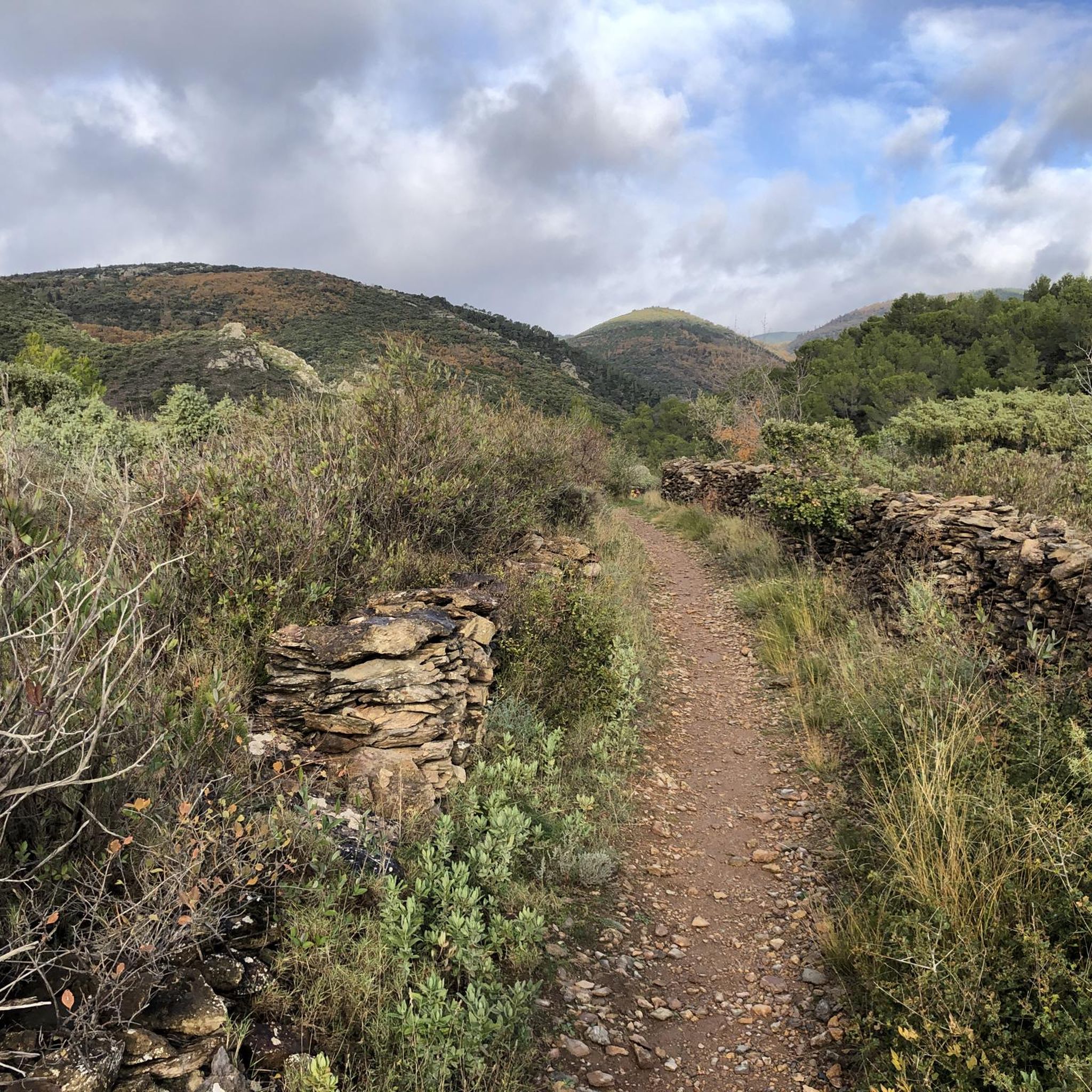
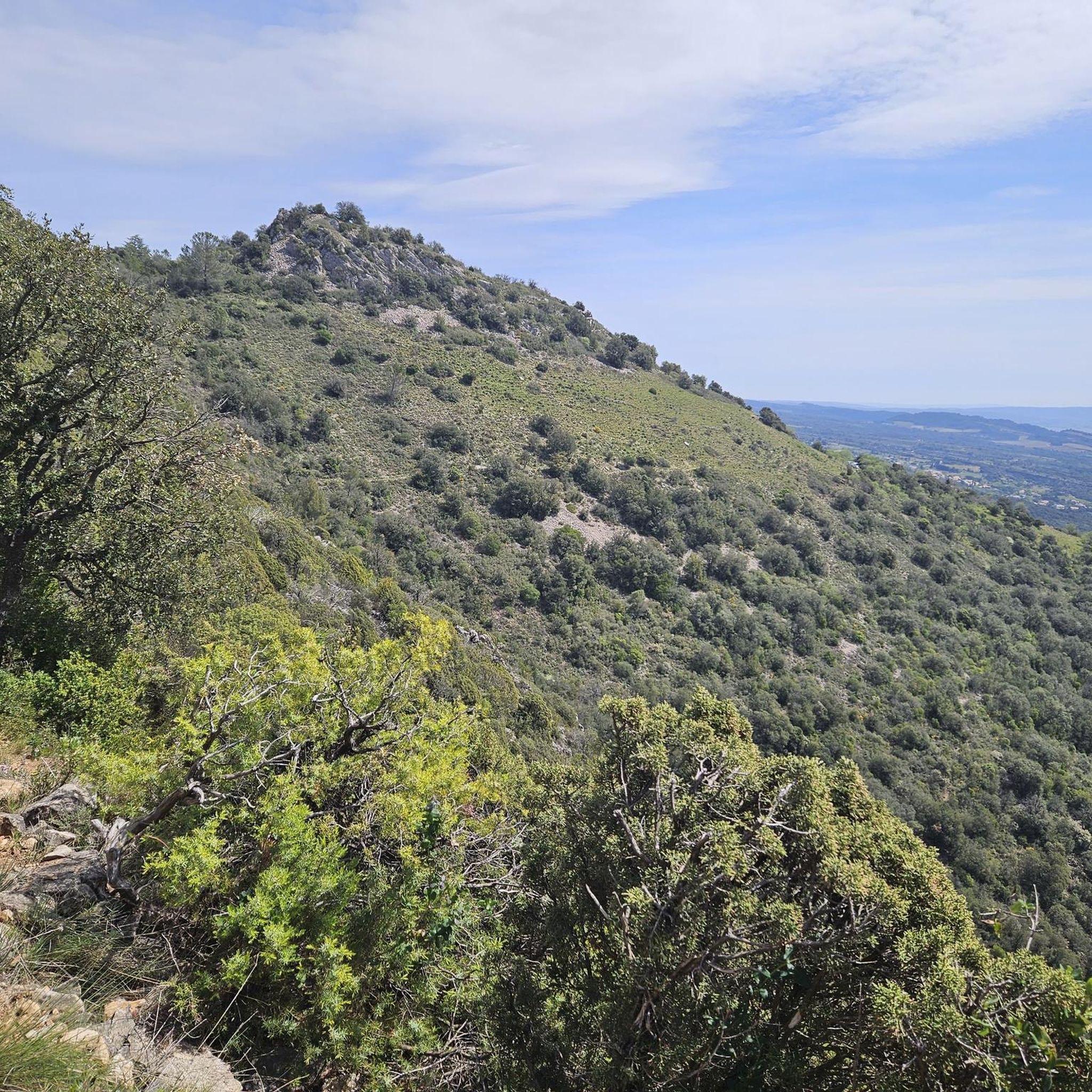
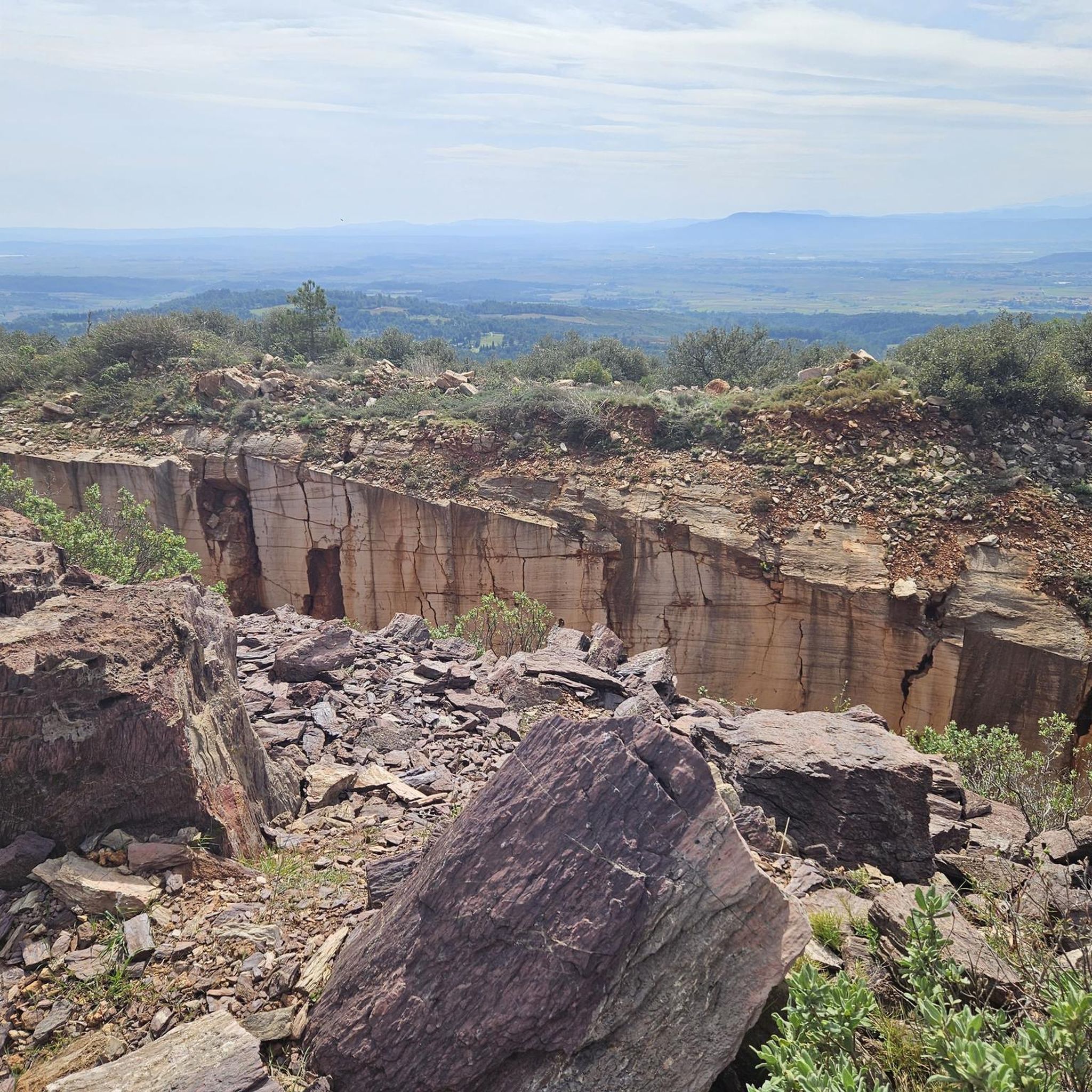
Road cycling around Caunes-Minervois offers diverse terrain, situated between the Minervois plain and the foothills of the Montagne Noire. The region features extensive vineyards, challenging climbs into the Black Mountain, and historic marble quarries. Cyclists can navigate routes with significant elevation changes, traversing areas with both gentle gradients and steep ascents. This landscape provides varied experiences for different fitness levels.
Best road cycling routes around Caunes-Minervois
- The most popular road cycling route is Pic de Nore – Lastours > Lastours loop from Trausse, a 48.9 miles (78.6 km) trail that takes 4 hours 2 minutes to complete. This route features a challenging ascent towards the Pic de Nore, the highest point of the Montagne Noire.
- Another top favourite among local road cyclists is La Tourette Cabardes – View of Aragon loop from Villeneuve-Minervois, a moderate 40.5 miles (65.2 km) path. This route offers panoramic views of the Aragon region and varied landscapes.
- Local road cyclists also love the Grotte Pont Petite – Minerve loop from Trausse, a 28.7 miles (46.2 km) trail leading through historic villages and vineyards, often completed in about 2 hours 21 minutes.
- Road cycling around Caunes-Minervois is defined by the Minervois Plain's vineyards, the challenging climbs of the Montagne Noire, and routes passing through ancient marble quarries. The network offers options for easy rides, moderate explorations, and difficult routes requiring very good fitness.
- The routes in Caunes-Minervois are highly rated by the komoot community with an average score of 4.2 stars from over 50 reviews. More than 1,500 road cyclists have used komoot to explore Caunes-Minervois's varied terrain.
Last updated: August 28, 2026
3.8
(33)
322
riders
78.6km
04:03
1,390m
1,390m
Hard road ride. Very good fitness required. Mostly well-paved surfaces and easy to ride.
12
riders
44.0km
01:50
270m
270m
Easy road ride. Great for any fitness level. Mostly well-paved surfaces and easy to ride.

Sign up for free
5.0
(2)
14
riders
55.2km
02:18
360m
360m
Moderate road ride. Good fitness required. Mostly well-paved surfaces and easy to ride.
21
riders
61.1km
02:59
710m
710m
Moderate road ride. Good fitness required. Some segments of this route may be unpaved and difficult to ride.
11
riders
42.0km
02:12
650m
650m
Moderate road ride. Good fitness required. Mostly well-paved surfaces and easy to ride.
Get access to more routes and recommendations from other explorers.
Sign up for free
Already have an account?
Our route recommendations are based on thousands of hikes, rides, and runs completed by other people on komoot.
Start today with a free account
Your next adventure awaits.
Login or Signup

Tips from the Community

An ancient site of Roman baths, Homps later housed a commandery of the Knights of the Order of Malta. Then, thanks to the construction of the Canal du Midi, the commune experienced considerable growth in the wine trade and transport. Today, barges make a pleasant stopover in its charming marina.
0
0
The Homps lock is a single lock on the Canal du Midi located in the commune of Homps.
0
0

Viewpoint over Azillanet ! A nice stop to enjoy a superb perspective over Azillanet, a village whose history dates back to at least the 9th century, when it was mentioned under the name of Azelanum.
1
0
From this viewpoint, the village appears surrounded by the vineyards of Minervois and protected by the relief. The domed bell tower of the Saint-Étienne church stands out clearly above the roofs.
1
0
At the entrance to La Livinière stands a monument astonishing in its size and history: the Notre-Dame du Spasme basilica. This Marian shrine, which became a minor basilica in 1959, has been a major pilgrimage site in the Minervois for several centuries. Its origin is linked to Nicolas de La Jugie, lord of La Livinière in the 14th century, who is said to have brought back from Jerusalem a statue representing the Virgin at the moment of her swoon at the foot of the Cross. The interior of the building reveals an architecture vaster than one might imagine from the road: three naves and a large space capable of accommodating many pilgrims. A detail that gives the place a unique history: the original statue of Notre-Dame du Spasme, venerated for centuries by the inhabitants and pilgrims, disappeared during a theft in 1960.
1
0
In the heart of Cesseras, the Saint-Geniès church surprises with its elegance and medieval character. Built in the 15th century in the southern Gothic style, it retains a single nave, a polygonal choir, and beautiful stone vaults whose sculpted keystones bear witness to the know-how of the builders of the Minervois. Classified as a Historic Monument since 1933, it succeeded a first place of worship mentioned as early as 844. By lingering for a few moments before its stones, one discovers that the history of Cesseras dates back much further than the Middle Ages: the territory has been occupied since prehistoric times, while the village developed around an old feudal castle. Another interesting detail: the name Saint-Geniès recalls Saint Genès of Rome, a Christian martyr from the 3rd century.
1
0
In the heart of Olonzac, the church of Notre-Dame de l'Assomption recalls the ancient history of this Minervois town. While the current building mainly dates from the modern era, religious presence on the site dates back several centuries: a first church dedicated to Saint-Jean du Puits already existed in 852, before a new Notre-Dame church was built to support the village's development. Rebuilt in the 19th century, it today bears witness to the many transformations that Olonzac has undergone over time. Looking up at the bell tower, one can also think of the old bell from 1677 preserved in the church. Classified as a historical monument, it still bears the mark of the White Penitents of Olonzac, a religious confraternity once very present in local life.
1
0
The very origin of the name Beaufort intrigues historians. It would come from the Latin Bellum Fortis ("powerful fortress"), a name that recalls the defensive importance of the site in the Middle Ages. Observing the relief surrounding the castle, it is easy to understand why this promontory was chosen to monitor the passage routes of the Minervois.
2
0
Frequently Asked Questions
How many road cycling routes are available around Caunes-Minervois?
There are over 90 road cycling routes around Caunes-Minervois, offering a wide range of experiences. You'll find routes suitable for various fitness levels, from easy rides to challenging ascents into the Montagne Noire.
What kind of terrain can I expect on road cycling routes in Caunes-Minervois?
The region offers diverse terrain, blending the gentle, vineyard-covered Minervois plains with the more demanding inclines of the Montagne Noire. Routes often feature significant elevation changes, traversing areas with both gentle gradients and steep ascents, primarily on paved surfaces.
Are there challenging climbs for experienced road cyclists?
Yes, Caunes-Minervois is an excellent destination for experienced cyclists seeking a challenge. A notable route includes the 6 km ascent to the Pic de Nore, the highest point of the Montagne Noire. The Pic de Nore – Lastours > Lastours loop from Trausse is a difficult 48.9-mile route with over 1300 meters of elevation gain, offering panoramic views.
Are there any easier road cycling routes suitable for beginners or families?
While many routes involve climbs, there are easier options, particularly on the Minervois plains. These routes often wind through vineyards and charming villages, providing a more leisurely experience. For example, the Grotte Pont Petite – Minerve loop from Trausse is a moderate 28.7-mile route that leads through historic villages and vineyards with less demanding elevation.
What historical or natural landmarks can I see along the road cycling routes?
Road cycling routes often pass through areas rich in history and natural beauty. You can expect to see extensive vineyards, ancient red marble quarries, and charming villages. Notable landmarks include the Pic de Nore for its panoramic views, the historic Notre-Dame du Cros Church, and sections of the UNESCO-listed Canal du Midi.
Are there any circular road cycling routes in the area?
Yes, many of the road cycling routes around Caunes-Minervois are designed as loops, allowing you to start and finish in the same location. Examples include the challenging Pic de Nore – Lastours > Lastours loop from Trausse and the moderate La Tourette Cabardes – View of Aragon loop from Villeneuve-Minervois.
What is the best time of year for road cycling in Caunes-Minervois?
The spring and autumn months generally offer the most pleasant conditions for road cycling in Caunes-Minervois, with milder temperatures and less intense sun. Summer can be hot, especially in the plains, but higher elevations in the Montagne Noire provide some relief. Always check local weather forecasts before heading out.
Where can I find parking for road cycling routes in Caunes-Minervois?
Caunes-Minervois and surrounding villages like Trausse and Villeneuve-Minervois typically offer public parking areas where you can leave your vehicle before starting a ride. Look for designated parking zones within the village centers, which often serve as convenient starting points for many routes.
What do other cyclists say about road cycling in Caunes-Minervois?
The road cycling routes in Caunes-Minervois are highly rated by the komoot community, with an average score of 4.2 stars from over 50 reviews. Cyclists often praise the varied terrain, the stunning panoramic views from the Montagne Noire, and the picturesque rides through vineyards and historic villages.
Are there opportunities to explore the Minervois wine region by bike?
Absolutely. Many road cycling routes wind directly through the extensive vineyards of the Minervois region. These routes offer picturesque scenery and a chance to experience the heart of this renowned wine-growing area, often passing through charming wine-producing villages.
Are there any specific permits required for cycling in the region?
Generally, no specific permits are required for road cycling on public roads and designated cycling paths in the Caunes-Minervois region. However, always respect private property and local regulations, especially when passing through vineyards or rural areas.
What makes Caunes-Minervois unique for road cycling?
Caunes-Minervois offers a unique blend of challenging mountain climbs, such as the ascent to the Pic de Nore, and scenic rides through the historic Minervois wine region. The area's rich heritage, including its famous red marble quarries and ancient abbey, combined with diverse landscapes, provides a truly distinctive road cycling experience.
Most popular routes around Caunes-Minervois
Most popular attractions around Caunes-Minervois

Get inspired with the komoot mobile app


Explore more
Browse the best Road cycling routes in other regions.
