Top 6 Castles around Grand-Charmont
Castles around Grand-Charmont offer a glimpse into the region's rich history and defensive architecture. Grand-Charmont, a commune in the Doubs department of France, is situated near the city of Montbéliard, which features a significant historical fortress. The area is characterized by its historical fortifications and strategic locations overlooking valleys and rivers. Visitors can explore sites that blend military history with modern recreational uses.
Best castles around Grand-Charmont
- The most popular castles is Mont Vaudois Fort, a historical site constructed…
Last updated: July 8, 2026
Fort de Vézelois
Highlight • Historical Site
Translated by Google •
Tip by

Mont Vaudois Fort
Highlight • Historical Site
Translated by Google •
Tip by

Sign up now to discover places like this
Get recommendations on the best single tracks, peaks, & plenty of other exciting outdoor places.
Sign up for free
Montbéliard
Highlight • Settlement
Translated by Google •
Tip by

Montbéliard
Highlight • Settlement
Translated by Google •
Tip by

Fort du Mont Bart
Highlight • Castle
Translated by Google •
Tip by
Sign up for free to discover even more castles around Grand-Charmont.
Sign up for free
Already have an account?
Start today with a free account
Your next adventure awaits.
Login or Signup

Tips from the Community

The town of Montbéliard was part of Württemberg for 400 years and was called “Mömpelgard”.
3
0


The Mont Bart fort is a 19th century fortification which dominates the Doubs and Allan valleys. The fort is part of the Séré de Rivières fortification system, built to protect French territory from a possible German invasion after the War of 1870. You can explore the fort and its surroundings, including the barracks, the bakery, the wine cellar magazines and the observation post. The fort is open to visitors from April to October, except Mondays.
2
1

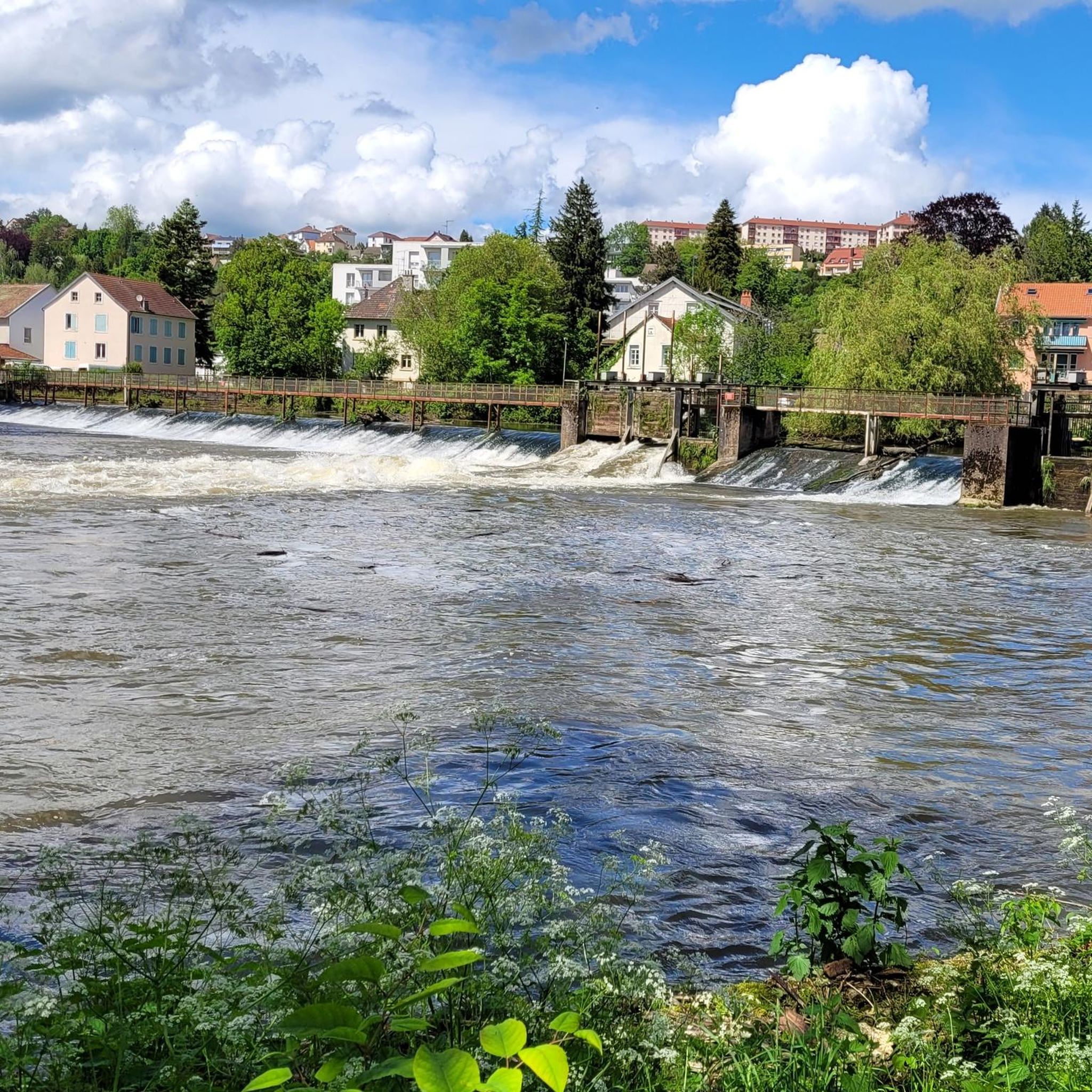
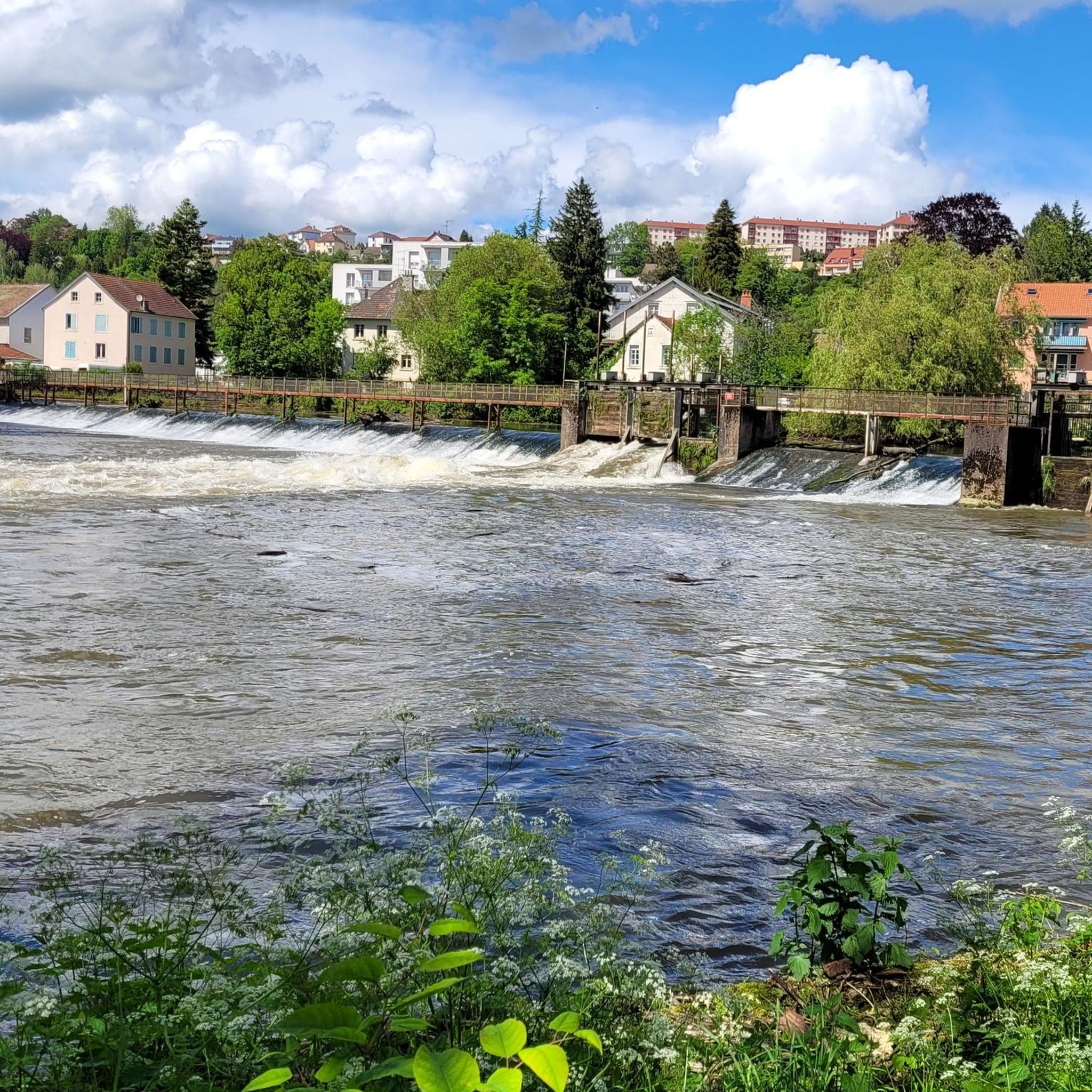
Montbéliard is an industrial city in eastern France, renowned for the Peugeot (car manufacturer) facilities located in the neighboring town of Sochaux. The city has a train station with daily service to Besançon (and then Paris). It is also popular with hikers, as the GR 5 long-distance hiking trail passes nearby and the EuroVelo 6 cycle route runs through its city center. If you visit, be sure to see the Château des Ducs de Wurtemberg (Castle of the Dukes of Württemberg), the Temple Saint-Martin (Saint Martin's Temple), or the Church of Saint-Maimboeuf. With a population of 25,000, the city offers all the amenities needed for a pleasant stay.
1
0
The construction of the Mont-Vaudois fort took 3 years between 1874 and 1877. In 1885, the invention of the torpedo shell, I suppose, bombarded the fort from above and led to the construction of an underground bunker as a defense. In 1944, faced with the advance of the Allies, a German unit occupied the fort and was driven out without success, despite a barrage of 3,000 shells. The Germans withdrew on their own. A testimony of this bunker built in 1885.
2
0
The construction of the Mont-Vaudois fort took 3 years between 1874 and 1877. In 1885, the invention of the torpedo shell, I suppose, bombarded the fort from above and led to the construction of an underground bunker as a defense. In 1944, faced with the advance of the Allies, a German unit occupied the fort and was driven out without success, despite a barrage of 3,000 shells. The Germans withdrew on their own. A testimony of this bunker built in 1885.
2
1

It was built from 1883 to 1886 by the Adrien Hallier company and takes its name Boulanger from the General of the Empire, Michel Ordener. Fort Ordener was built at the same time and with the aim of covering Fort Bessoncourt. Its role was to control the roads coming from Switzerland as well as the Mulhouse railway. From 1893 this fort was connected to a number of other forts around Belfort by a strategic railway. During the two World Wars Fort Ordener was inactive. It will then be used as an ammunition depot for the army. Fort Ordener was bought by the municipality of Vézelois in 1999. The association "Le Renouveau du Fort de Vézelois" takes care of the restoration and communication around the fort.
0
0
It was built from 1883 to 1886 by the Adrien Hallier company and takes its Boulanger name from the general of the Empire, Michel Ordener. Fort Ordener was built at the same time and with the aim of covering Fort Bessoncourt. His role was to control the roads coming from Switzerland as well as the Mulhouse railway line. From 1893 this fort was linked to a number of other forts around Belfort by a strategic railway. During the two World Wars Fort Ordener was inactive. It will then be used as an ammunition depot for the army. Fort Ordener was bought by the municipality of Vézelois in 1999. The association "Le Renouveau du Fort de Vézelois" takes care of the restoration and communication around the fort.
1
0
Frequently Asked Questions
Which are the most notable castles and forts to visit near Grand-Charmont?
The region around Grand-Charmont features several significant historical sites. The majestic Château de Montbéliard, located in the nearby city of Montbéliard, is a must-see, showcasing centuries of architectural evolution. Within Grand-Charmont itself, Mont Vaudois Fort and Fort Lachaux offer insights into 19th-century military defense. Other notable forts include Fort de Vézelois and Fort du Mont Bart.
What historical periods do the castles and forts around Grand-Charmont represent?
The historical sites near Grand-Charmont span various periods. The Château de Montbéliard has origins dating back to the Gallo-Roman period, evolving from a 10th-century defensive structure to a Renaissance residence. Forts like Mont Vaudois Fort, Fort Lachaux, Fort de Vézelois, and Fort du Mont Bart primarily represent 19th-century military architecture, built as part of France's post-1870 defensive systems.
Are there family-friendly activities at the castles near Grand-Charmont?
Yes, some sites offer family-friendly experiences. The Château de Montbéliard, with its museum and historical exhibits, can be engaging for families. Fort Lachaux, while a former military site, has been redeveloped to include an animation farm with 150 animals and an escape game, making it a fun destination for families within Grand-Charmont.
Can I find hiking or walking trails around these historical sites?
Absolutely! The area around Grand-Charmont is well-suited for outdoor activities. Fort Lachaux is integrated into six hiking routes. You can explore various trails, including road cycling, running, and mountain biking routes, that pass by or near these historical sites. For detailed routes, check out the Road Cycling Routes around Grand-Charmont, Running Trails around Grand-Charmont, and MTB Trails around Grand-Charmont guides.
What is unique about the Château de Montbéliard?
The Château de Montbéliard is unique for its blend of architectural styles, evolving from a 10th-century fortress to a Renaissance residence. It served as the home for the Counts of Montbéliard and Dukes of Württemberg for four centuries. Its prominent Henriette and Frédéric Towers date back to the 1400s, and it now houses a museum with natural history, archaeological, and historical collections.
What can I expect when visiting Fort Lachaux?
Fort Lachaux, located in Grand-Charmont, was a 19th-century military fortification. While much of the original structure was demolished, the site now offers recreational activities. You can find an animation farm with 150 animals, an escape game in the former barracks, and several hiking routes that integrate the site. It provides a blend of historical context and modern leisure.
What is the significance of Fort de Vézelois?
Fort de Vézelois, also known as Fort Ordener, was built between 1883 and 1886 as a crucial part of a fortified system. Its primary role was to control roads coming from Switzerland and the Mulhouse railway line. It was later used as an ammunition depot and is now undergoing restoration by a local association.
What is the history behind Mont Vaudois Fort?
The Mont Vaudois Fort was constructed between 1874 and 1877. A notable feature is an underground bunker built in 1885, designed as a defense against new artillery technologies. It played a role in regional defense, even being occupied by German units in 1944 before their withdrawal.
What is the best time of year to visit the castles near Grand-Charmont?
Visiting during spring, summer, or early autumn generally offers the most pleasant weather for exploring the castles and their surrounding areas. Many sites, like Fort du Mont Bart, are open to visitors from April to October, allowing for comfortable outdoor exploration and scenic views.
How can I find opening hours and visitor information for the Château de Montbéliard?
For the most current opening hours, ticket prices, and specific visitor information for the Château de Montbéliard, it is best to consult the official tourism website: paysdemontbeliard-tourisme.com.
Are the castles around Grand-Charmont accessible for visitors with mobility concerns?
Accessibility varies by site. Older fortifications like the Château de Montbéliard, with its historical architecture and multiple levels, may have limited accessibility in certain areas. Modernized sites or outdoor areas, such as the leisure center at Fort Lachaux, might offer better accessibility. It's advisable to check specific venue details before your visit.
Are there options for dining or refreshments near the castles?
Yes, particularly in the larger towns. Near the Château de Montbéliard, you'll find various restaurants and cafes in the city of Montbéliard. Grand-Charmont itself also offers dining options. For sites like Fort Lachaux, which is now a leisure center, there might be refreshment facilities available on-site or nearby.
Most popular routes around Grand-Charmont
Most popular attractions around Grand-Charmont

Get inspired with the komoot mobile app


Explore more
Looking for the best castles somewhere else? Discover other guides around Grand-Charmont:
