Attractions and Places To See around Laignelet - Top 20
Best attractions and places to see around Laignelet include a blend of local historical sites and access to significant regional attractions in Brittany, France. This rural commune offers insights into its medieval past through ancient castral mottes and its industrial heritage with historical glassworks. The area is characterized by natural features such as the extensive Forêt de Fougères, providing numerous walking and hiking opportunities. Laignelet serves as a gateway to cultural sites and natural landscapes within its borders and the…
Last updated: June 22, 2026
Fougères Castle
Highlight • Castle
Translated by Google •
Tip by

Place du Marchix – Half-timbered houses
Highlight • Historical Site
Translated by Google •
Tip by

Sign up now to discover places like this
Get recommendations on the best single tracks, peaks, & plenty of other exciting outdoor places.
Sign up for free
Saint Léonard Church
Highlight • Other
Translated by Google •
Tip by

Public Garden
Highlight • Rest Area
Translated by Google •
Tip by
Saint-Sulpice Church, Fougères
Highlight • Religious Site
Translated by Google •
Tip by

Sign up for free to discover even more attractions around Laignelet.
Sign up for free
Already have an account?
Start today with a free account
Your next adventure awaits.
Login or Signup
Tips from the Community

The Place du Marchix is located in the city's oldest district. The square takes its name from the Old French word "marchié," as Fougères's first market once took place here. The district is characterized by well-preserved half-timbered houses dating back to the 16th century, many of which are listed as historical monuments. The square was once a center for artisanal businesses such as tanneries and cloth manufacturers, which used the nearby river to process leather and fabrics.
1
0
The Jardin Public is centrally located in the city and extends over several terraces offering sweeping views of the old town and the Château de Fougères. Created in 1865, the park combines features of an English landscape garden, French garden architecture, and botanical design.
1
0
The Église Saint-Léonard was built in the 12th century and acquired its present form in the flamboyant Gothic style in the 15th and 16th centuries. During the French Revolution, the church was deprived of its sacred function, but in the 19th century, under architects such as Aristide Tourneux, it underwent extensive renovations, including a new main façade with a large rose window. Inside, 19th-century stained-glass windows depicting episodes from the life of Saint Léonard can be seen.
1
0
The church was originally founded in the 11th century, while the current structure was built in several stages between 1380 and 1760. Particularly noteworthy are the wooden-vaulted nave, the 16th-century granite carvings, and the stained-glass windows from 1885 to 1926. The church also houses the venerated statue of Notre-Dame-des-Marais.
1
0

The largest fortress in Europe, the castle of Fougères stands on a rocky outcrop surrounded by marshland. The first castle of Fougères was built around the turn of the millennium to defend the north-eastern part of the border area of the Duchy of Brittany. Built at the crossroads of important trade routes, this primitive fortress had the main objective of monitoring the powerful neighbors and preventing their raids on Breton lands. To the north, Normandy belonged to the kings of England at the time.
4
1
The church tower can be visited in high season, where you can discover an incredible panorama of Fougères as well as its monuments and the surrounding countryside. Here you will have the opportunity to discover the secret interior of its tower, its impressively large bell and of course... a spectacular 360° view of the city, the castle and the valley!
1
0

As you visit Place du Marchix, nestled in one of France’s most picturesque medieval towns, you’ll be surrounded by beautifully preserved half-timbered houses. Full of rustic charm that harks back to its days as a bustling market, you’ll be captivated by the sight of Château de Fougères, one of Europe’s largest medieval fortresses, whose imposing towers and walls dominate the skyline. The square itself offers a peaceful retreat with quiet cafes and local shops, making it a great place to take a break and appreciate the history of this charming town.
2
0

The Fougères Public Garden is a public park which develops on three levels following the slope of the land. There is an English garden, a French garden and a botanical garden.
1
0
Frequently Asked Questions
What historical sites can I explore in and around Laignelet?
Laignelet and its surroundings offer a rich historical tapestry. You can visit the Église de Laignelet (Saint-Martin), built in 1888, known for its unique 'église-halle' design. The region also has a significant glassmaking history, preserved at the Historical Glassworks (Verrerie de la Hellonière), which offers exhibitions and demonstrations by reservation. Just 5 km away, the impressive Fougères Castle stands as one of Brittany's largest medieval fortresses. In Fougères, explore the historic lower town with its Place du Marchix – Half-timbered houses and the Belfry of Fougères. You can also find remnants of ancient castral mottes, such as those of La Fontaine la Chèze and Malhaire, bearing witness to the region's medieval past.
Where can I find natural features and walking opportunities near Laignelet?
The extensive Forêt de Fougères, located just 3 km away, is a prominent natural highlight offering numerous walking and hiking opportunities. Within the forest, you can discover ancient megalithic sites like the Pierre du Trésor and the dolmen de la Pierre Courcoulée. Laignelet is also part of the "Entre Vallons et Forêt" circuit, a network of forest trails and sunken paths providing panoramic views. For a specific experience, try the Nature Walk "Aux Roches du Saut-Roland" to explore local legends and nature.
Are there specific hiking trails recommended around Laignelet?
Yes, there are several marked hiking trails in the area. You can explore circuits like the Circuit de la Vigne Fontaine, Circuit de Niche Coucou, Circuit de la Pierre Courcoulée, and Circuit des Vieux Châteaux. For more detailed routes, komoot offers various options, including the easy "Circuit of the Cordon des Druides" and the "Landéan Cellar loop from Laignelet." You can find more hiking options on the Hiking around Laignelet guide page.
What kind of outdoor activities are available besides hiking?
Beyond hiking, the Laignelet area offers opportunities for running and road cycling. You can find various running loops, such as the "Cordon des druides loop from Laignelet" or shorter, easy loops directly from Laignelet. For cyclists, there are road cycling routes like the "Fougères Castle – View of Mont Saint-Michel loop from Lécousse" which covers a significant distance. Golf enthusiasts can also enjoy a 9-hole course at the Château du Bois-Guy. Explore more options on the Running Trails around Laignelet and Road Cycling Routes around Laignelet guide pages.
Are there any scenic viewpoints in the Laignelet area?
Yes, the region boasts a remarkable panorama offering expansive views over the rural landscapes stretching towards Fougères and the Vitré region. Additionally, the Public Garden in Fougères provides a beautiful vantage point with great views down to the fortress. During high season, the tower of Saint Léonard Church also offers a spectacular 360° view of the city, the castle, and the valley.
Are there family-friendly attractions suitable for children near Laignelet?
Families will find several engaging options. The Place du Marchix – Half-timbered houses in Fougères offers a charming historical setting to explore. The Public Garden in Fougères is also family-friendly with its beautiful flowers and sculptures. A short drive away, the Parc Floral de Haute-Bretagne (9 km) provides a beautiful horticultural experience that can be enjoyed by all ages.
What is the best time of year to visit Laignelet for outdoor activities?
The spring and summer months (roughly April to September) are generally ideal for outdoor activities in Laignelet. During this period, the weather is typically milder and more conducive to hiking, cycling, and exploring the natural features like the Forêt de Fougères and the various walking circuits. The gardens and floral parks are also in full bloom, offering vibrant displays.
Are there local markets to visit near Laignelet?
Yes, you can experience the local culture by visiting nearby markets. Fougères, just 4 km away, hosts a market every Saturday. For another option, the town of Louvigné-du-Désert, about 12 km from Laignelet, has a market on Fridays.
Is Mont-Saint-Michel easily accessible from Laignelet?
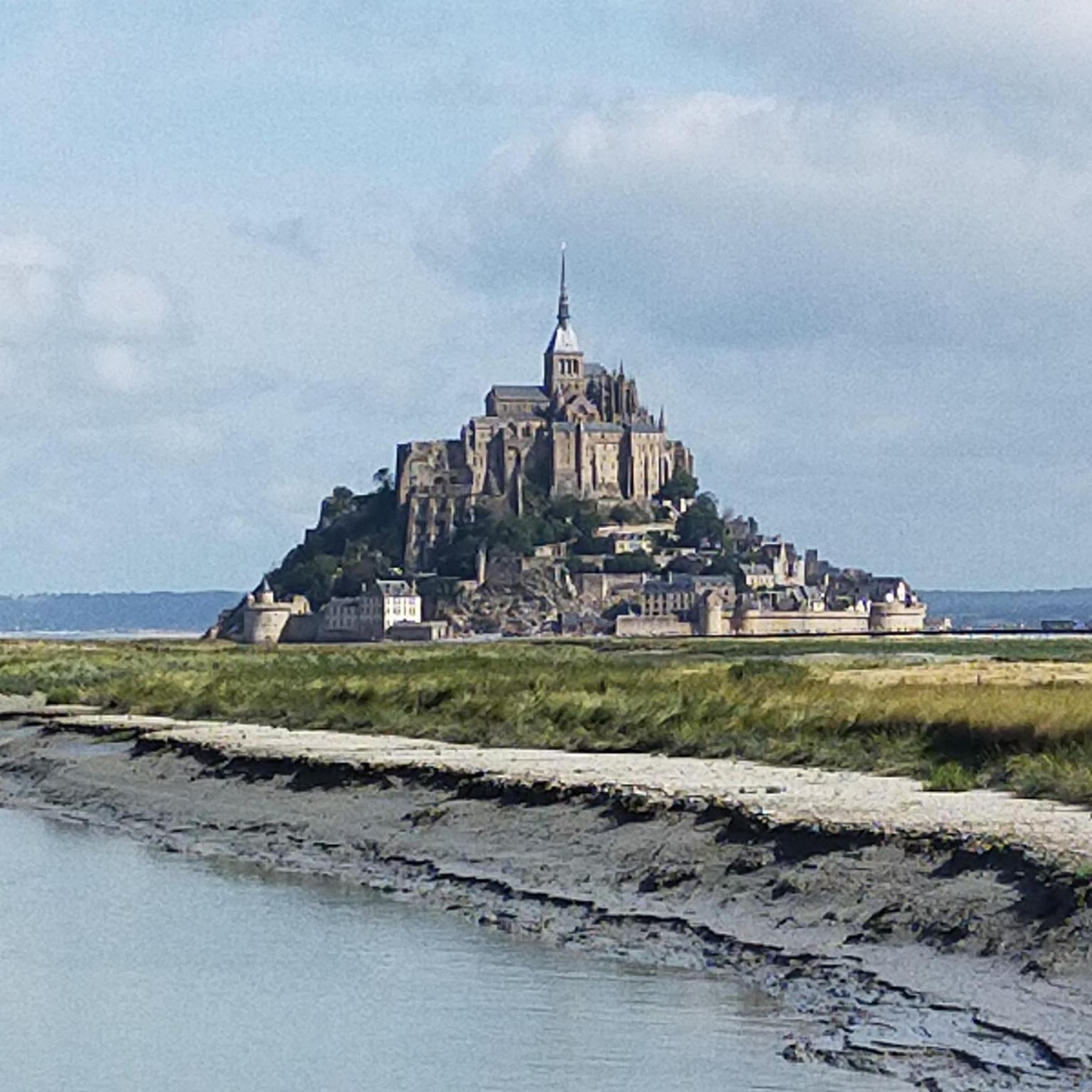
Mont-Saint-Michel, a world-renowned heritage site, is approximately 40 km from Laignelet. While it's a bit further afield, it is considered a must-visit in the broader region of Normandy and is accessible for a day trip by car.
What do visitors particularly enjoy about the attractions near Laignelet?
Visitors frequently praise the historical depth and natural beauty of the area. The Fougères Castle is often highlighted as one of the best medieval castles in the region, admired for its strategic location and impressive scale. The Place du Marchix is appreciated for its beautifully preserved half-timbered houses and rustic charm. Many also enjoy the panoramic views from the Public Garden and the tower of Saint Léonard Church, offering stunning perspectives of Fougères and the surrounding countryside.
Are there any significant churches to visit in the area?
Beyond the local Église de Laignelet (Saint-Martin), which is notable for its architecture and the large cross on its parvis, the Saint Léonard Church in Fougères is a significant site. Built in the 12th century with flamboyant Gothic architecture, it features beautiful 19th-century stained-glass windows. Its tower can be visited in high season, offering panoramic views.
Are there any hidden gems or lesser-known spots worth discovering around Laignelet?
For those looking for lesser-known spots, the remnants of ancient castral mottes at La Fontaine la Chèze and Malhaire offer a glimpse into the region's medieval past, though only earthworks remain for some. The Historical Glassworks (Verrerie de la Hellonière) provides a unique insight into Laignelet's industrial heritage, with exhibitions and demonstrations available by reservation. Additionally, the house where Anne Boivent, founder of the Sisters of Rillé congregation, resided from 1823 to 1833 is still visible near the church.
Most popular routes around Laignelet
Most popular attractions around Laignelet

Get inspired with the komoot mobile app


Explore more
Still not found the Highlight you’re looking for? See guides of the top attractions in other regions:
