Attractions and Places To See around Mercuès - Top 20
Best attractions and places to see around Mercuès include a blend of historical landmarks and natural beauty within the picturesque Lot Valley. This charming commune in the Lot department of France is known for its vineyards and offers exceptional views, particularly from the historic Château de Mercuès. Visitors can explore cultural sites and enjoy the natural landscape, often intertwined with the nearby city of Cahors. The region provides opportunities for exploring historical architecture and scenic outdoor activities.
Best attractions and…
Last updated: July 2, 2026
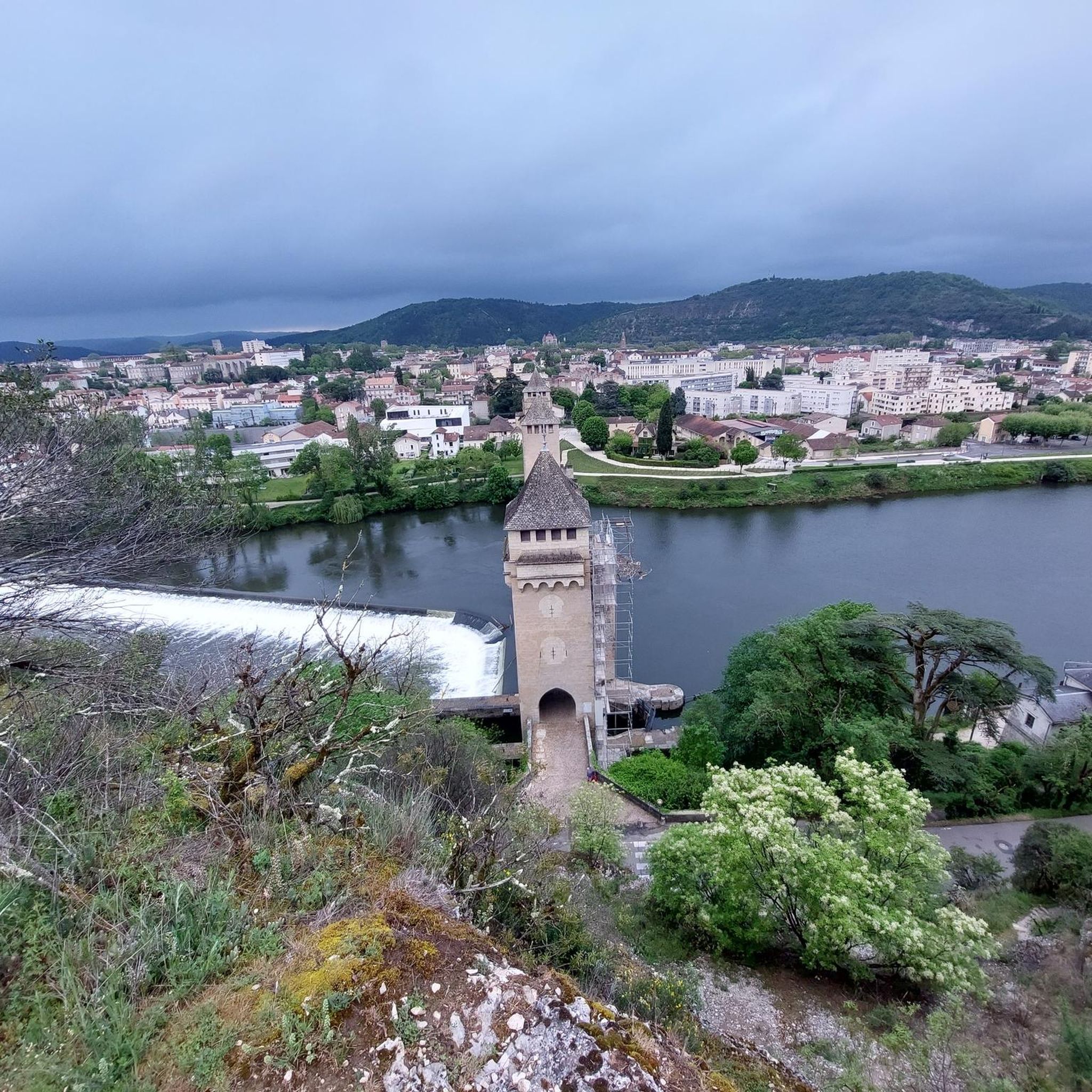
Valentré Bridge
Highlight • Monument
Showing Translation
Tip by

Saint Stephen's Cathedral
Highlight • Religious Site
Construction began in the late 11th century, but it is said to have taken another 400 years to complete.
Translated by Google •
Tip by

Sign up now to discover places like this
Get recommendations on the best single tracks, peaks, & plenty of other exciting outdoor places.
Sign up for free
Mont Saint-Cyr viewpoint overlooking Cahors
Highlight • Viewpoint
Translated by Google •
Tip by

Cahors Railway Bridge
Highlight • Bridge
Translated by Google •
Tip by

Monument des Morts
Highlight • Other
Translated by Google •
Tip by

Sign up for free to discover even more attractions around Mercuès.
Sign up for free
Already have an account?
Start today with a free account
Your next adventure awaits.
Login or Signup

Tips from the Community

Two large domes dominate the Romanesque nave. They represent the most extraordinary example of the so-called "Aquitanian" architectural style: 16 meters in diameter and 32 meters high; only the Hagia Sophia in Istanbul has a taller dome. Also noteworthy is the small, golden church of Saint-Svair, with its large statue of Emperor Charlemagne, who presented it to the church of Cahors.
2
0

Worth seeing cathedral in Cahors.
0
0

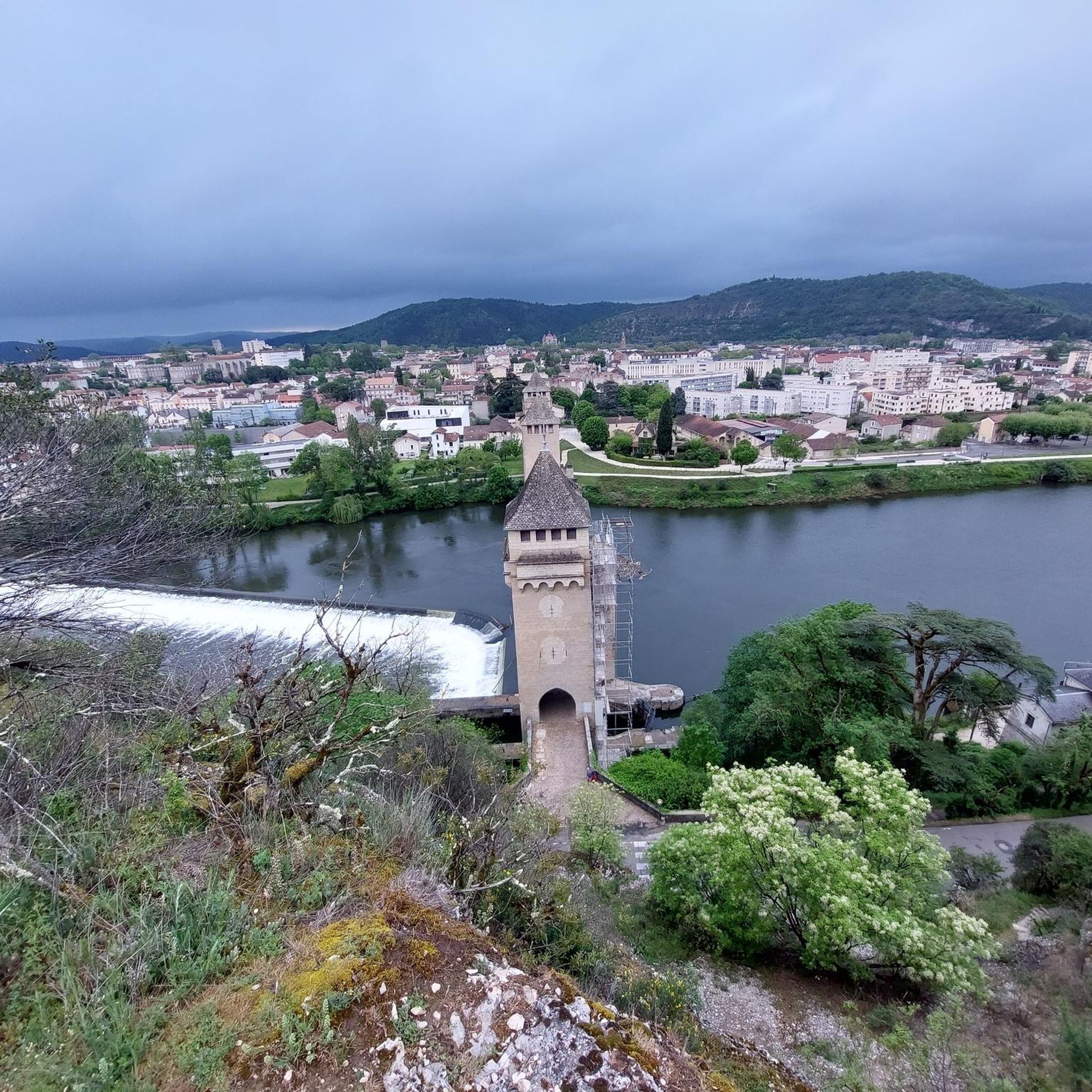
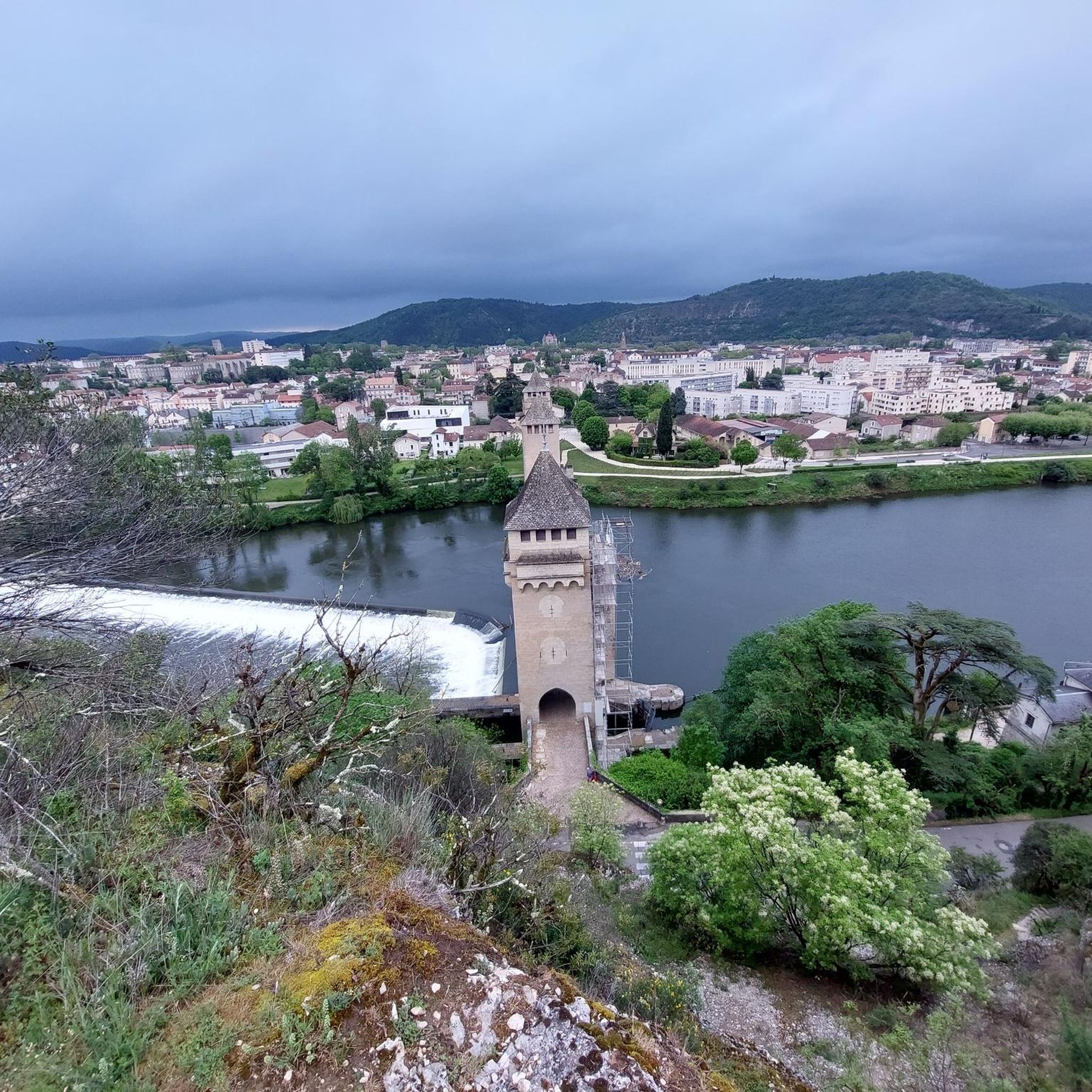
Here the hiker or pilgrim has the town of Cahors and the river Lot at his feet, a truly picture-book view.
0
0

This St. Etienne Cathedral impressed us deeply again! The building dates back to the 11th century and is very unique with its two domes. Only in Perigeux is there a cathedral with similar architecture. The special feature is the Saint Coiffe, a fabric relic in which the veil of Jesus from the tomb is venerated. In one dome you can see frescoes of saints, in the middle of St. Stephen, the first martyr of the Christians in Jerusalem. During our visit (September 2024), pictures by the late impressionist painter Henri Martin were projected onto the other gray dome. It is worth spending some time in the cathedral!
1
0

This railway bridge was built on the Montauban-Brive line, an axis declared of public interest because it corresponded to the shortest route between Toulouse and Paris. Built at an angle to the riverbed, it combines traditional techniques and implementations typical of industrial architecture. The structure was built between 1880 and 1883 by the engineers Jean LANTEREIS and Jean-Louis LACAZE, employed by the Fives-Lille company. It consists of 5 arches with an opening of 36 meters. The pillars decorated with pilasters are made of hewn Cantal granite. The industrially manufactured metal trusses were melted down in the Fourchambault workshops on behalf of the Orléans company and transported to the location by rail.
1
0

According to my research this bridge has nothing to do with Eiffel. The history of the Cahors railway bridge is intertwined with that of the Montauban-Brive line. Declared of public utility by the law of March 11, 1879, it was of capital importance because it was the shortest route between Toulouse and Paris. A first section between Montauban and Cahors led to the construction of several structures: bridges over the Tarn and Aveyron, viaducts and bridge over the Lot. The construction of the latter was entrusted to the Fives-Lille Company. The work, supervised by two civil engineers: Jean Lantereis and Jean-Pierre Lacaze, began in March 1880 and was completed in June 1883. Source: https://www.pop.culture.gouv.fr/notice/merimee/IA46000096
1
2

We recommend going in once. From here you can explore the city centrally.
0
0

Komoot shows this section as Off Grid. However, the path is well marked and easy to walk on.
1
0
Frequently Asked Questions
What historical landmarks can I explore near Mercuès?
Mercuès and its surroundings are rich in history. The most prominent is the magnificent 13th-century Château de Mercuès, which served as a summer residence for the count-bishops of Cahors and now operates as a hotel and wine estate. In nearby Cahors, you can visit the impressive 14th-century Valentré Bridge, known for its unique architecture and the legend of the "Devil's Bridge." Also, explore Saint Stephen's Cathedral, a religious building showcasing a blend of Romanesque and Gothic styles.
Are there any notable natural viewpoints in the Mercuès area?
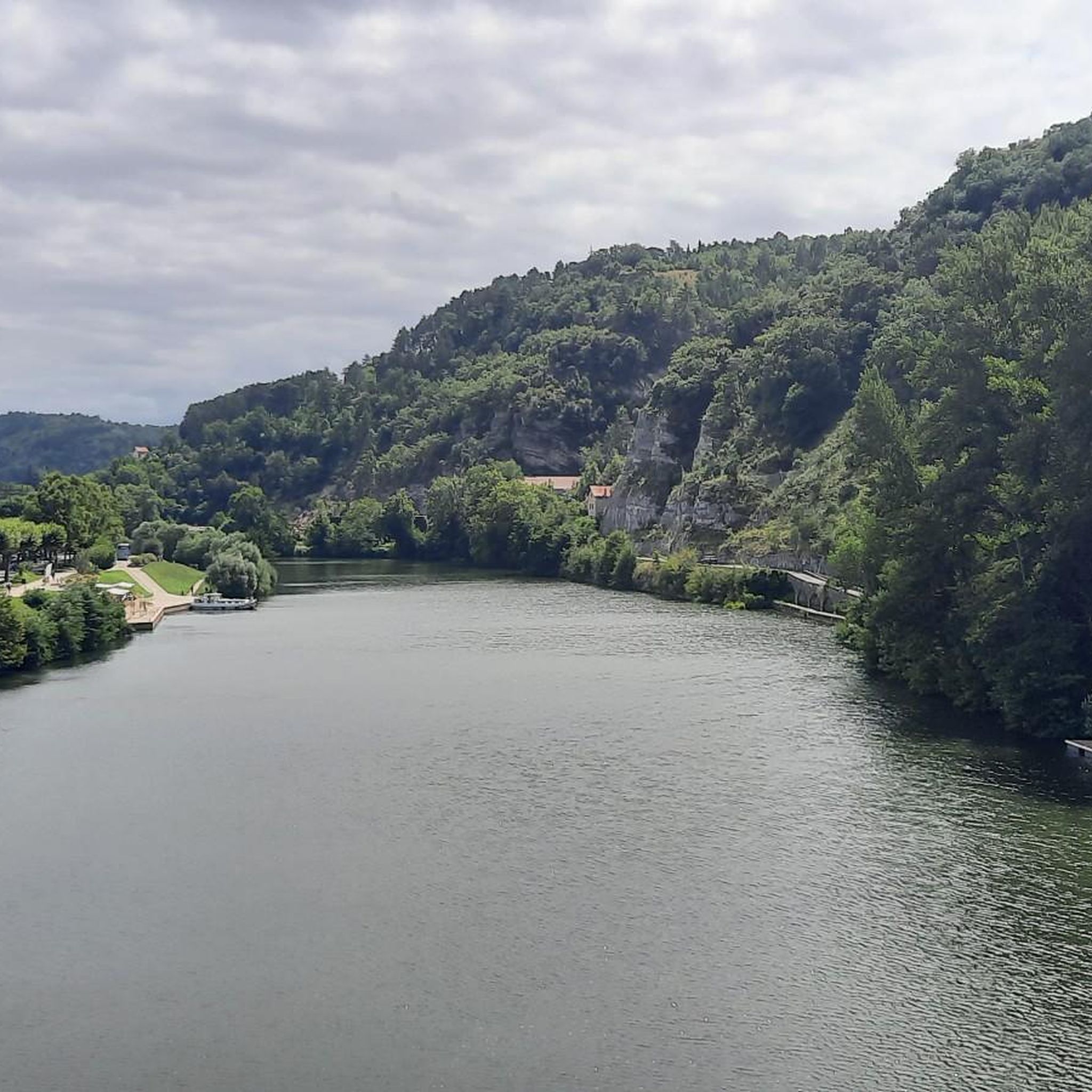
Yes, the region offers picturesque views, especially from the historic Château de Mercuès, which is perched on a rocky outcrop overlooking the Lot Valley. For panoramic vistas over Cahors and the Lot valley, visit Mont Saint-Cyr viewpoint overlooking Cahors. This spot is ideal for observing the city's unique location within a large bend of the Lot River.
What kind of outdoor activities are available around Mercuès?
The Mercuès area, nestled in the picturesque Lot Valley, is popular for various outdoor activities. You can find numerous routes for hiking, road cycling, and running. The Château de Mercuès itself offers private paths for cycling and hiking. For more detailed routes, check out the hiking guide, road cycling guide, and running trails guide for Mercuès.
Can I find family-friendly attractions in Mercuès and its surroundings?
Absolutely. Many attractions in the area are suitable for families. The Valentré Bridge and Saint Stephen's Cathedral in Cahors are historical sites that can engage various age groups. Additionally, the Mont Saint-Cyr viewpoint overlooking Cahors offers a great spot for a family picnic with scenic views. The region's numerous hiking and cycling trails also provide opportunities for family outings.
What is the Château de Mercuès, and what can I do there?
The Château de Mercuès is a historic 13th-century castle that now functions as a prestigious four-star hotel and restaurant. It's also the center of a 35-hectare wine estate specializing in Malbec wines. Visitors can explore the castle's halls, a small chapel, and underground cellars. The château offers private and interactive wine tasting workshops with a sommelier, including tours of the property and cellar. It also features a semi-Olympic outdoor swimming pool, tennis courts, and private paths for cycling and hiking.
Are there opportunities for wine tasting near Mercuès?
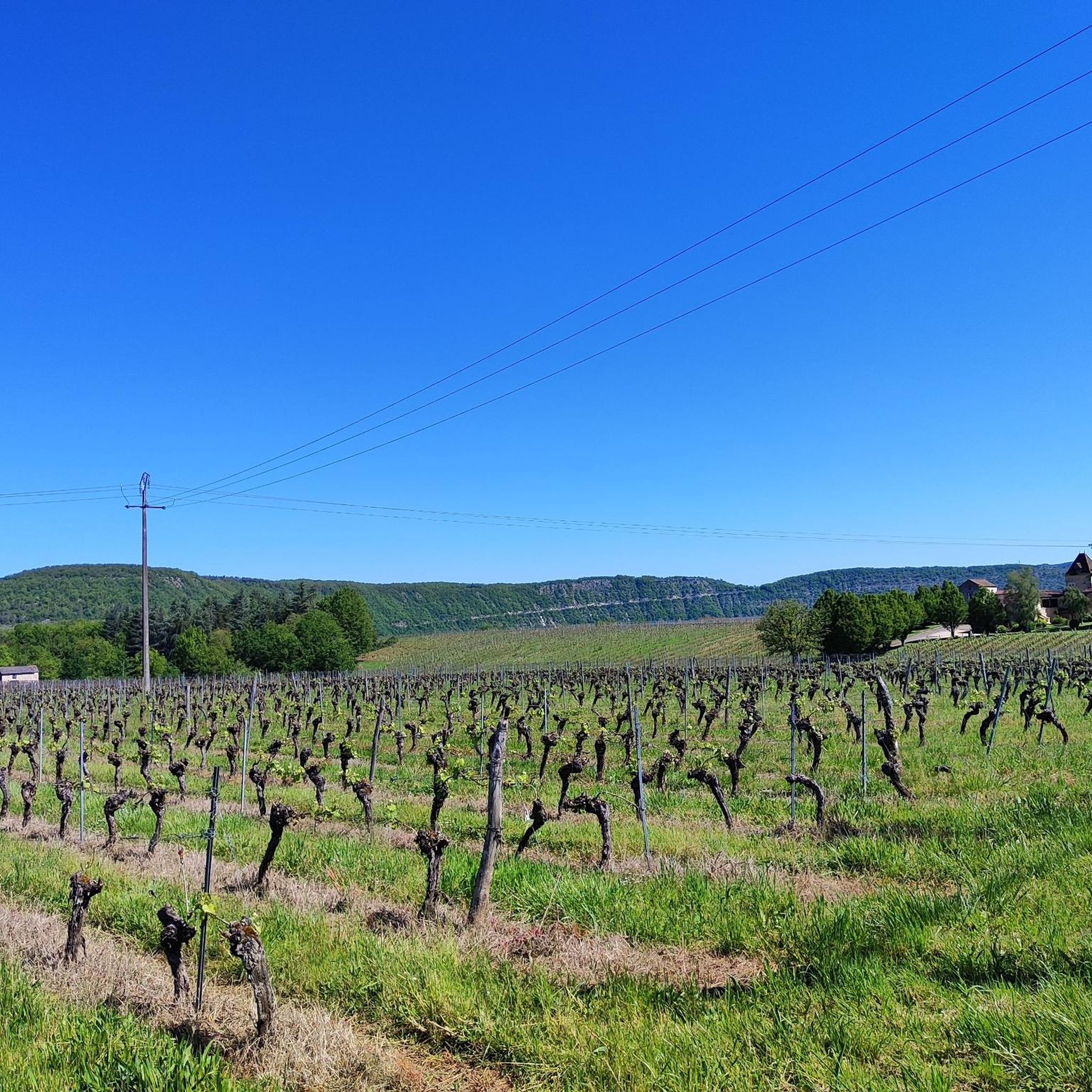
Yes, Mercuès is located in the heart of the Cahors appellation, renowned for its Malbec wines. The Château de Mercuès, a significant wine estate, offers private and interactive wine tasting workshops with a sommelier, including tours of its property and cellars. This provides an excellent opportunity to experience the local viticulture.
What hiking trails are recommended around Mercuès?
The area around Mercuès offers a variety of hiking trails. Some popular options include the 'Château de Mercuès et le Régnac — loop from Mercuès' (moderate, 16.5 km) and 'The virgin loop from Mercuès' (easy, 6.9 km). For more choices, including routes of varying difficulties, you can explore the comprehensive Hiking around Mercuès guide.
Are there cycling routes suitable for road bikes near Mercuès?
Yes, the region is well-suited for road cycling. You can find routes like the 'Luzech – Albas loop from Mercuès' (moderate, 71.9 km) or the 'Château de Mercuès – Romanesque Church of Rampoux loop from Mercuès' (moderate, 63.1 km). These routes allow you to explore the scenic Lot Valley and its vineyards. Discover more options in the Road Cycling Routes around Mercuès guide.
What makes the Valentré Bridge in Cahors a significant attraction?
The Valentré Bridge is an emblematic monument of Cahors, built in the 14th century. It's renowned for its unique fortified architecture, featuring three square towers and eight arches, designed for defense. Its immaculate condition is partly due to a restoration in the 1880s. The bridge is also famous for the legend of the "Devil's Bridge," which tells of a pact between the master builder and the devil, immortalized by a carved stone figure on the bridge.
What architectural styles can be seen at Saint Stephen's Cathedral in Cahors?
Saint Stephen's Cathedral in Cahors is a fascinating blend of architectural styles, reflecting centuries of modifications since its construction began in the late 11th century. It features two domes reminiscent of Byzantine churches, Romanesque-style portals, and Gothic arches. The unusual nave reflects the transition between Romanesque and Gothic, and it houses a notable 14th-century fresco.
What do visitors particularly enjoy about the attractions around Mercuès?
Visitors appreciate the blend of historical depth and natural beauty. The medieval architecture of sites like the Valentré Bridge and Saint Stephen's Cathedral, combined with the stunning panoramic views from places like Mont Saint-Cyr, are frequently highlighted. The region's charm, its connection to the Lot River, and the opportunities for outdoor activities also contribute to a highly positive visitor experience.
Is there a good time of year to visit Mercuès for outdoor activities?
The Lot Valley, where Mercuès is situated, offers pleasant conditions for outdoor activities for much of the year. Spring and autumn generally provide mild temperatures, making them ideal for hiking, cycling, and exploring the vineyards. Summer can be warm, perfect for enjoying the Lot River, but early mornings or late afternoons are best for more strenuous activities. Winters are cooler but can still offer opportunities for walks, especially on clear days.
Are there any unique bridges to see in the area besides the Pont Valentré?
Yes, in addition to the iconic Valentré Bridge, you can also see the Cahors Railway Bridge. Built between 1880 and 1883, this bridge showcases a blend of traditional techniques and industrial architecture, featuring five arches and pillars made of hewn Cantal granite. It's a testament to 19th-century engineering.
What local cuisine or gastronomic experiences can I find near Mercuès?
The region around Mercuès is known for its rich gastronomic traditions. Local cuisine often features specialties such as saffron, duck, lamb, and the highly prized black truffles. Many local restaurants and markets offer opportunities to savor these regional delights. The Château de Mercuès, with its prestigious restaurant, also provides a fine dining experience showcasing local flavors.
Most popular routes around Mercuès
Most popular attractions around Mercuès

Get inspired with the komoot mobile app


Explore more
Still not found the Highlight you’re looking for? See guides of the top attractions in other regions:
