Top 6 Castles around Saint-Céré
Castles around Saint-Céré offer a journey through medieval and Renaissance history in the Lot department of France. The region is characterized by its rolling hills, the scenic Dordogne Valley, and charming villages. This area provides a rich historical landscape, with numerous fortresses and châteaux perched on hilltops or nestled in valleys. The natural setting complements the historical landmarks, making it an appealing destination for exploration.
Best castles around Saint-Céré
- The most popular castles is Loubressac Village, a settlement that…
Last updated: July 1, 2026
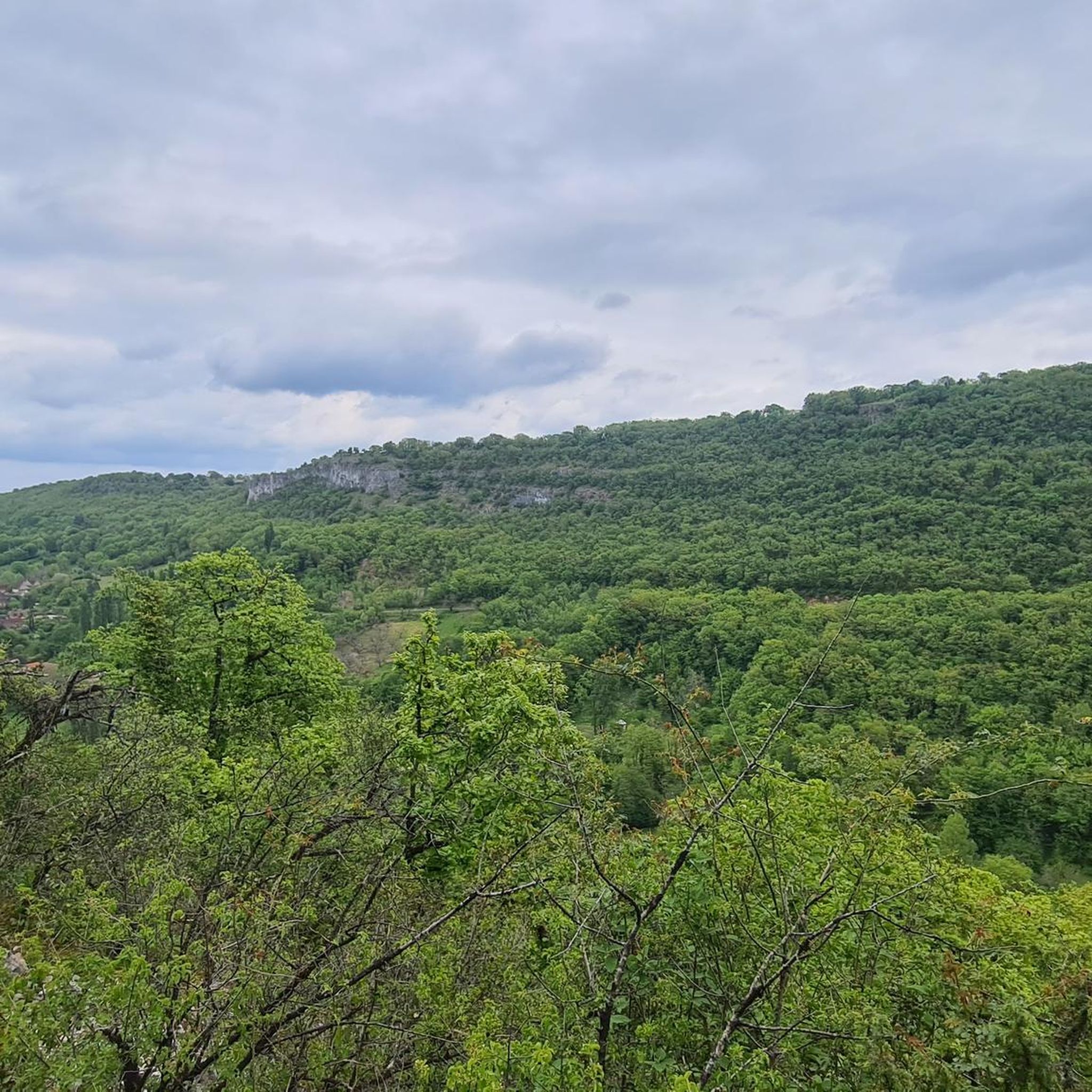
Taillerfer ruins
Highlight • Historical Site
Translated by Google •
Tip by

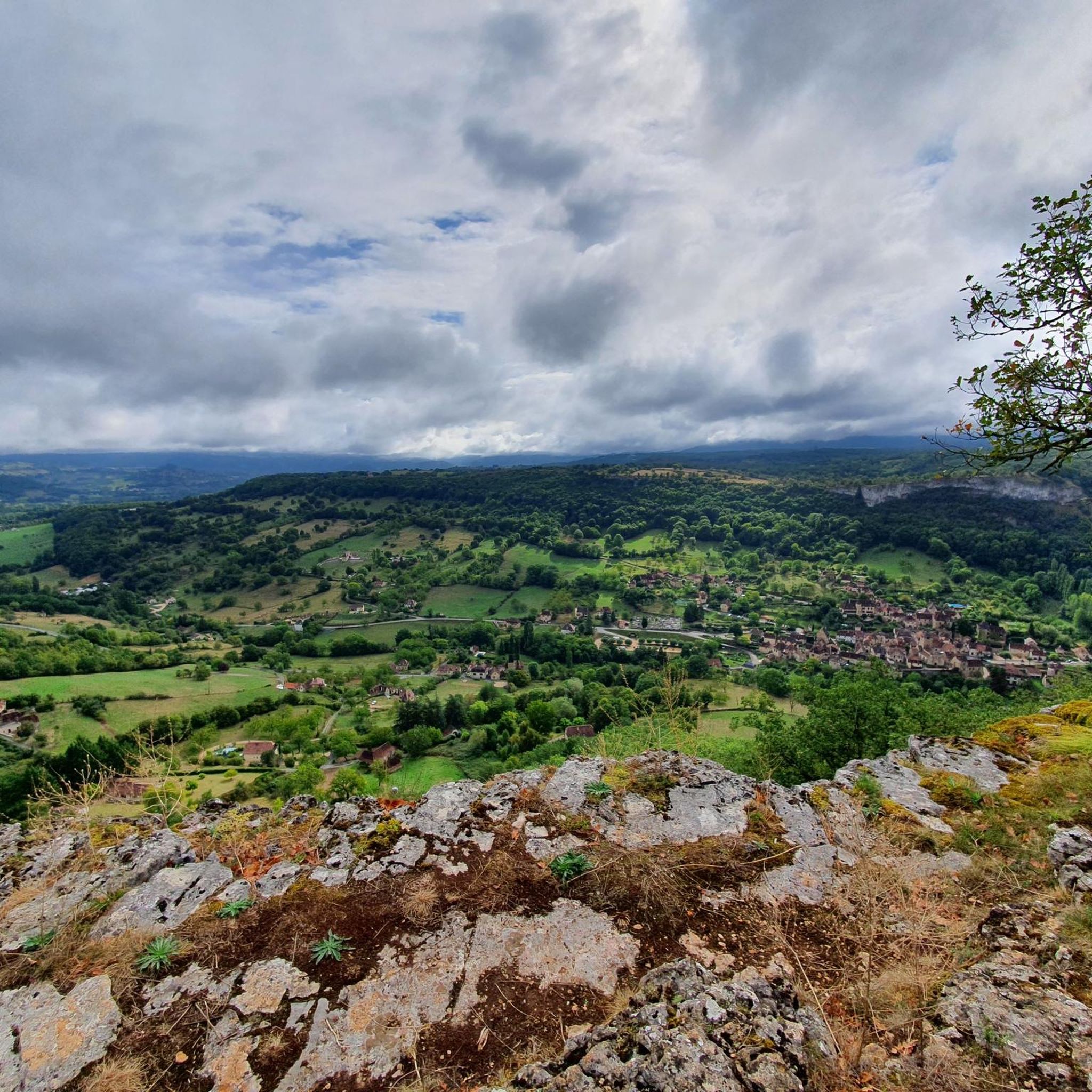
View of the Castelnau-de-Bretenoux castle
Highlight • Viewpoint
Translated by Google •
Tip by

Sign up now to discover places like this
Get recommendations on the best single tracks, peaks, & plenty of other exciting outdoor places.
Sign up for free
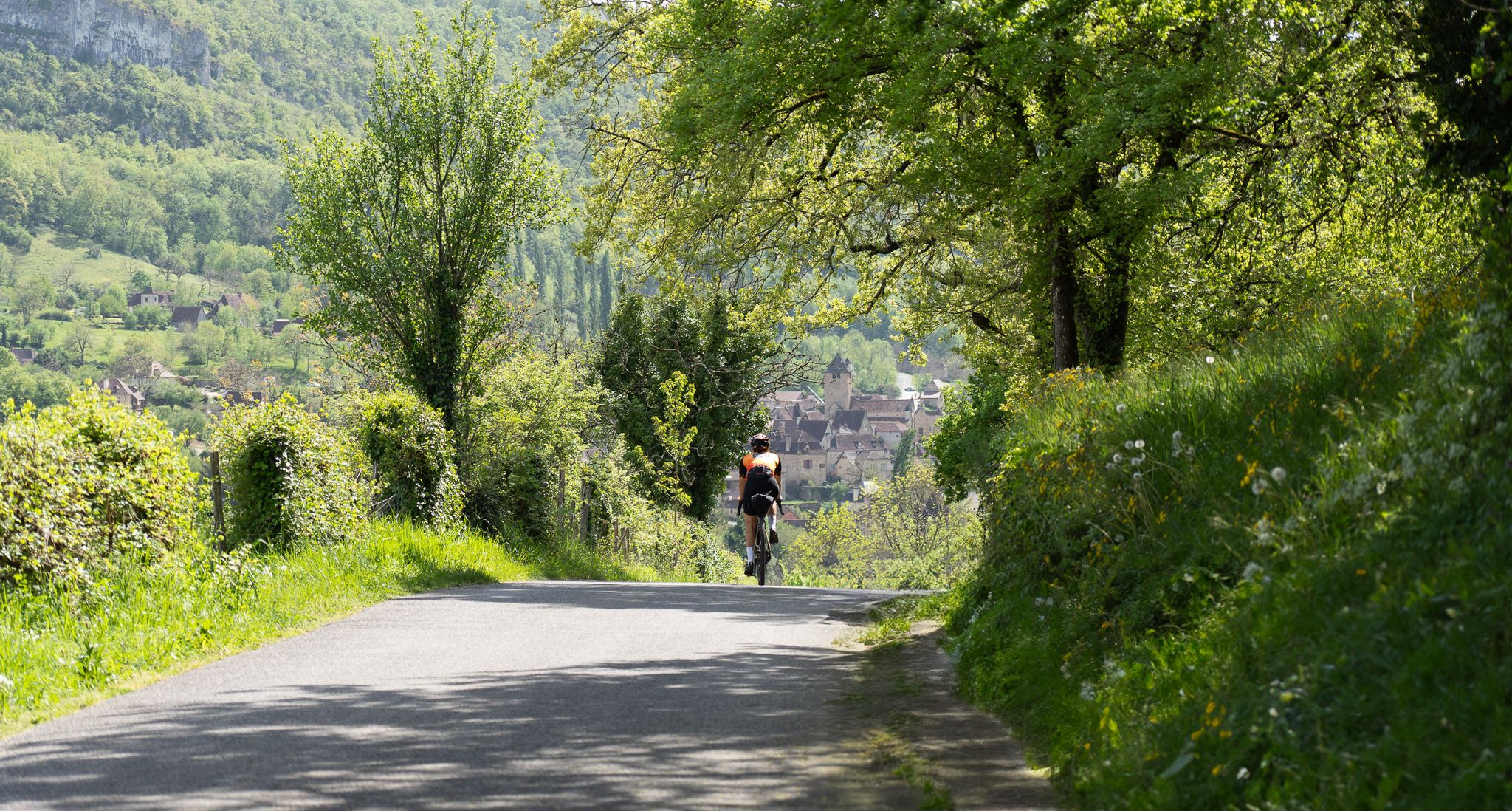
Path to the Château des Anglais and View of Autoire
Highlight • Castle
Translated by Google •
Tip by

Montal Castle
Highlight • Castle
Translated by Google •
Tip by

Padirac Castle
Highlight • Castle
Translated by Google •
Tip by

Sign up for free to discover even more castles around Saint-Céré.
Sign up for free
Already have an account?
Start today with a free account
Your next adventure awaits.
Login or Signup



Other adventures around Saint-Céré

Tips from the Community

Beautiful, partly alpine trail – hiking boots are recommended. The trail sometimes involves stairs.
1
0

Beautiful little castle, beautiful church and a restaurant right next door.
1
0

The Château de Taillefer probably dates from the 13th century. Access to the castle was via a ramp carved into the rock. The castle consisted of a one-storey main building, which was probably framed by two narrow courtyards, one on the east side and one on the west side.
1
2
Take your binoculars with you! You can see lots of birds on the cliff face.
2
1

Walking shoes required, magnificent view of Autoire, nice path with few people, children to be avoided
3
0
Must see: The art collection in the castle also includes seven large-format tapestries from the 17th century with scenes from country life.
0
0

Very nice view of the Château Castelnau-Bretenoux.
5
0

Perched at the top of the hill, it is here that one expects to see a large castle like this, with this plan which dominates the whole valley.
3
0
Frequently Asked Questions
Which castles near Saint-Céré offer the most impressive historical architecture?
For medieval military architecture, Château de Castelnau-Bretenoux is a must-see, with its formidable red sandstone walls and six towers dating back to the 11th century. For a stunning example of French Renaissance design, visit Montal Castle, celebrated for its elegant style and harmonious design.
Are there any castles near Saint-Céré that are particularly family-friendly?
While many castles offer general appeal, the viewpoint for Château de Castelnau-Bretenoux is listed as family-friendly. The castle itself provides a fascinating glimpse into medieval life, which can be engaging for children. Exploring the grounds and interiors of Château de Montal can also be a captivating experience for families.
What is the best time of year to visit the castles around Saint-Céré?
The spring and autumn months generally offer pleasant weather for exploring the castles and their surroundings, avoiding the peak summer heat and crowds. The region's natural beauty, especially the Dordogne Valley, is particularly vibrant during these seasons. Some castles may have reduced hours or be closed in winter, so it's advisable to check specific opening times.
Can I find hiking trails that offer views of the castles?
Yes, several trails provide excellent views. For instance, the View of the Castelnau-de-Bretenoux castle highlight is a viewpoint accessible via trails. You can also find routes like the 'Le moulin Haut and château de Montal — loop from Saint-Céré' which incorporates castle views. For more options, explore the Hiking around Saint-Céré guide.
Which castle offers the best panoramic views of the surrounding area?
Château de Saint-Laurent-les-Tours, perched on a hilltop, offers impressive panoramic views over the town of Saint-Céré and the surrounding Bave valley. Similarly, climbing to the top of the keep at Château de Castelnau-Bretenoux provides magnificent vistas of the Dordogne Valley.
Are there any castles near Saint-Céré with unique artistic or cultural connections?
Yes, Château de Saint-Laurent-les-Tours was acquired by the renowned painter Jean Lurçat in 1945 and became his home and studio. It now houses the Jean Lurçat Museum and Workshop, preserving his artistic environment and displaying his tapestries, paintings, and ceramics. You can learn more about Jean Lurçat at tourisme-lot.com.
What are the parking options for visiting the main castles?
For Château de Castelnau-Bretenoux, parking facilities are available near the castle. For Montal Castle, there is typically parking provided for visitors. For Château de Saint-Laurent-les-Tours, parking is usually available in Saint-Céré, with a walk up to the castle.
Can I visit a castle that was involved in World War II history?
Yes, Montal Castle famously served as a hiding place for valuable artworks from the Louvre, including the Mona Lisa, during World War II. This adds a unique layer of historical significance to its already rich Renaissance heritage.
Are there any less crowded or 'hidden gem' castles to explore?
While the main castles are popular, the Taillerfer ruins offer a more rugged and less crowded experience. These ruins provide panoramic views over the Dordogne valley in a wilder setting, perfect for those seeking a quiet exploration away from the main tourist paths.
What kind of cycling routes are available near the castles?
The region offers various cycling routes that pass by or near several castles. For example, the 'Castelnau-Bretenoux Castle – Saint-Médard-de-Presque loop from Saint-Jean-Lespinasse' is a challenging route. You can find more options and details in the Cycling around Saint-Céré guide.
How long should I allocate for visiting a castle?
Typically, you should allow 1.5 to 2 hours to fully explore a major castle like Château de Castelnau-Bretenoux or Montal Castle, including their interiors, grounds, and any museums. For smaller sites or viewpoints like Château de Saint-Laurent-les-Tours, an hour might suffice, depending on your interest in the Jean Lurçat Museum.
Are there any castles that are part of a picturesque village?
Yes, Loubressac Village is a medieval settlement that features a privately owned castle and a historic church. The village itself is considered one of the most beautiful in France, offering panoramic views over the Dordogne valley and preserving an idyllic character.
Most popular routes around Saint-Céré
Most popular attractions around Saint-Céré

Get inspired with the komoot mobile app


Explore more
Looking for the best castles somewhere else? Discover other guides around Saint-Céré:
