Attractions and Places To See around Malguénac - Top 20
Best attractions and places to see around Malguénac include historical sites, religious buildings, and significant waterways. This region in Brittany offers a blend of cultural heritage and natural landscapes, centered around the Blavet river and the Nantes-Brest canal. Visitors can explore structures dating back centuries and enjoy routes along the canal. The area provides various opportunities for discovering local history and scenic views.
Best attractions and places to see around Malguénac
- The most popular attractions is Pontivy Castle, a…
Last updated: July 2, 2026
Pontivy Castle
Highlight • Castle
Translated by Google •
Tip by

Saint-Nicodème Chapel
Highlight • Religious Site
Translated by Google •
Tip by

Sign up now to discover places like this
Get recommendations on the best single tracks, peaks, & plenty of other exciting outdoor places.
Sign up for free
Canal de Nantes à Brest: Pontivy to Mûr-de-Bretagne
Highlight (Segment) • River
Translated by Google •
Tip by
Notre-Dame-de-Quelven chapel
Highlight • Other
Translated by Google •
Tip by

Chapel of Our Lady of the Carmelites
Highlight • Other
Translated by Google •
Tip by

Sign up for free to discover even more attractions around Malguénac.
Sign up for free
Already have an account?
Start today with a free account
Your next adventure awaits.
Login or Signup


Tips from the Community

In view of this Marian shrine, a "Chapelle Notre Dame," I would like to offer the viewer a brief reflection from the important French order founder and Doctor of the Church, Saint Bernard of Clairvaux (c. 1090 to 1153). He recommended at the time: "In danger, in doubt, in difficulties, think of Mary, invoke Mary. Do not let her name leave your lips, never let it leave your heart. (...) Under her protection, you have nothing to fear; if she goes before you, you will not tire; if she grants you her favor, you will reach your goal."
0
0
The term "basilica," used above by Vincent Reboul, can have two different meanings for places of worship: + First, as an architectural style: In the Roman Empire, basilicas were secular buildings (market halls or courtrooms); the early Christian era partially adopted this architectural style and, for this purpose, also the term "basilica." + Second, "basilica minor" is an honorary title for special places of worship throughout the world (regardless of the aforementioned architectural style), which has been personally awarded by the Pope since the 18th century.
0
0
Although I often stop in churches or chapels on my walks (if the door is not locked), I have never come across a place of worship that is dedicated to the patronage of Saint-NICODEME. The person of Nicodemus takes us far back to the Holy Land in Jesus' time; he is mentioned several times by at least one of the four evangelists. I did some more research this morning: In his version of the "Good News" (this is the meaning of the word "gospel"), John describes the encounter of a Nicodemus, a scribe and member of the Jewish High Council, who visits Jesus at night and has a discussion with him about faith (John 3:1-21). Later, at the meeting of the High Council, he speaks in Jesus' favor: "But Nicodemus, one of their own, who had previously visited Jesus, said to them, 'Does our law condemn a man before it has examined him and found out what he does?'" (John 7:50-51). After the crucifixion, it is Joseph of Arimathea and Nicodemus who bury the body with dignity (John 19:38-42).
1
0

The old castle is now partially open to the public. It looks very defensive.
1
0

This chapel is so imposing in its dimensions and importance that it is known here as the Basilica. It is a marvel of 15th century architecture which features numerous gargoyles and a 70 meter high bell tower. All in pure Breton granite.
3
0

The Château de Pontivy, or Château des Rohan, was built between the middle of the 15th century and the beginning of the 16th century for and by the Viscounts of Rohan. Following the codes of Breton military architecture from the end of the 15th century, this castle is one of the last fortified castles to have been built in Brittany. You will notice that the facade allows adaptation to the development of fire artillery, but that particular attention is paid to comfort and decoration. The downspouts are worked, the skylights carved, and the interior of the castle is equipped with fireplaces and latrines, making it a little gem of comfort for the time. Two permanent exhibitions are housed there: one is dedicated to the sculptor Gaston Schweitzer, while the other is a more contemporary installation by Japanese artist Koki Watanabe. I personally loved the contrast offered by this rather austere facade with the charm of the half-timbered houses in the city center, which I invite you to take the time to discover.
4
0
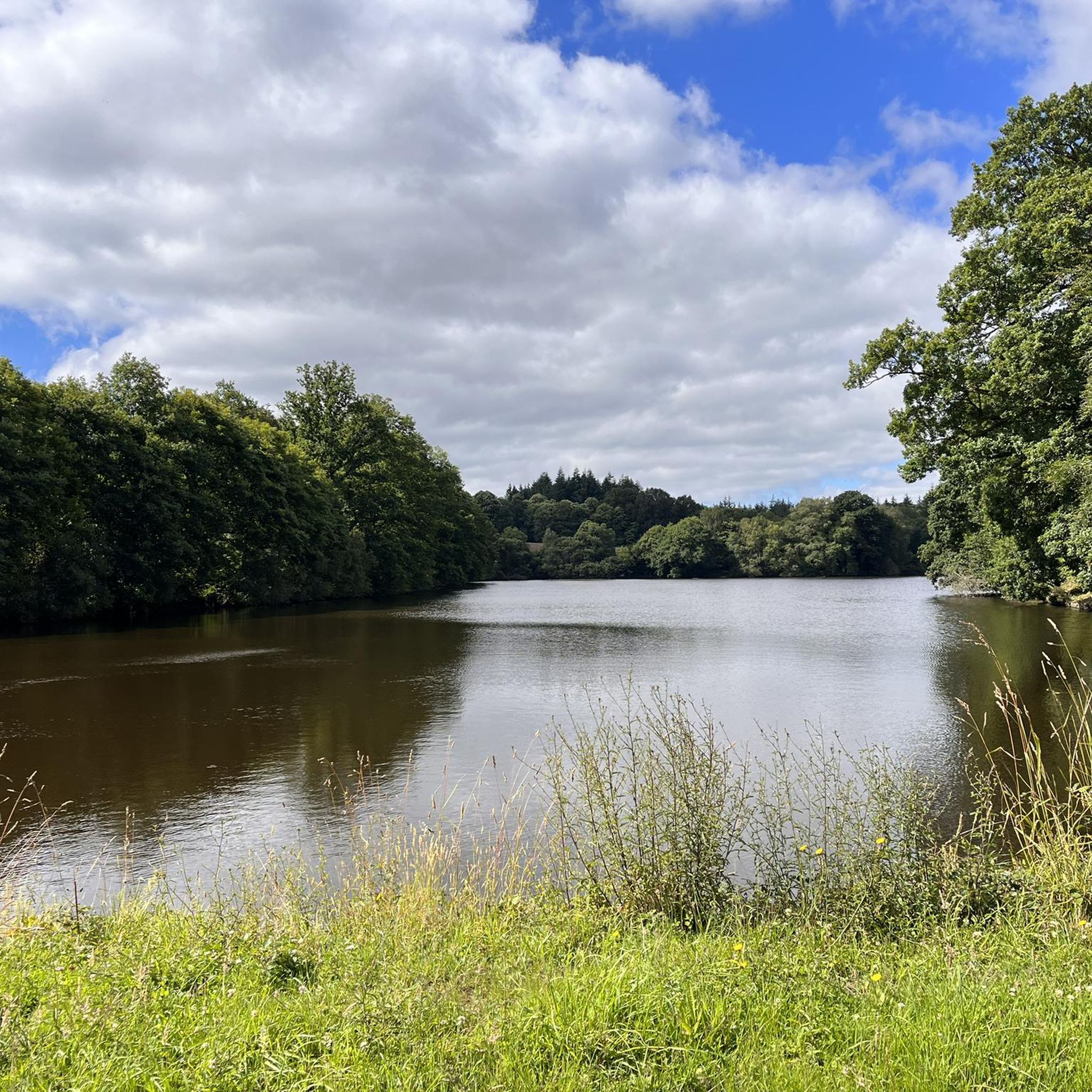
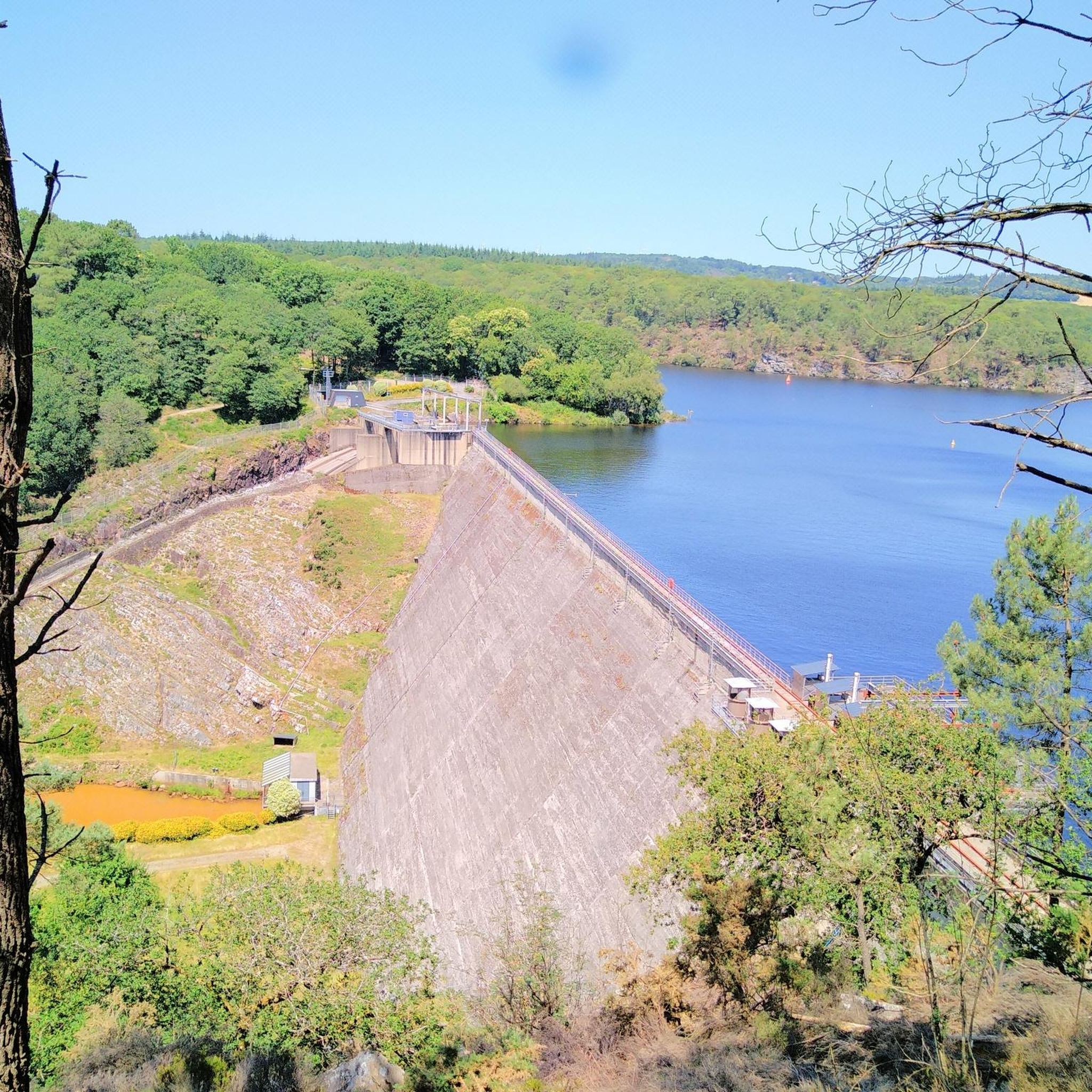
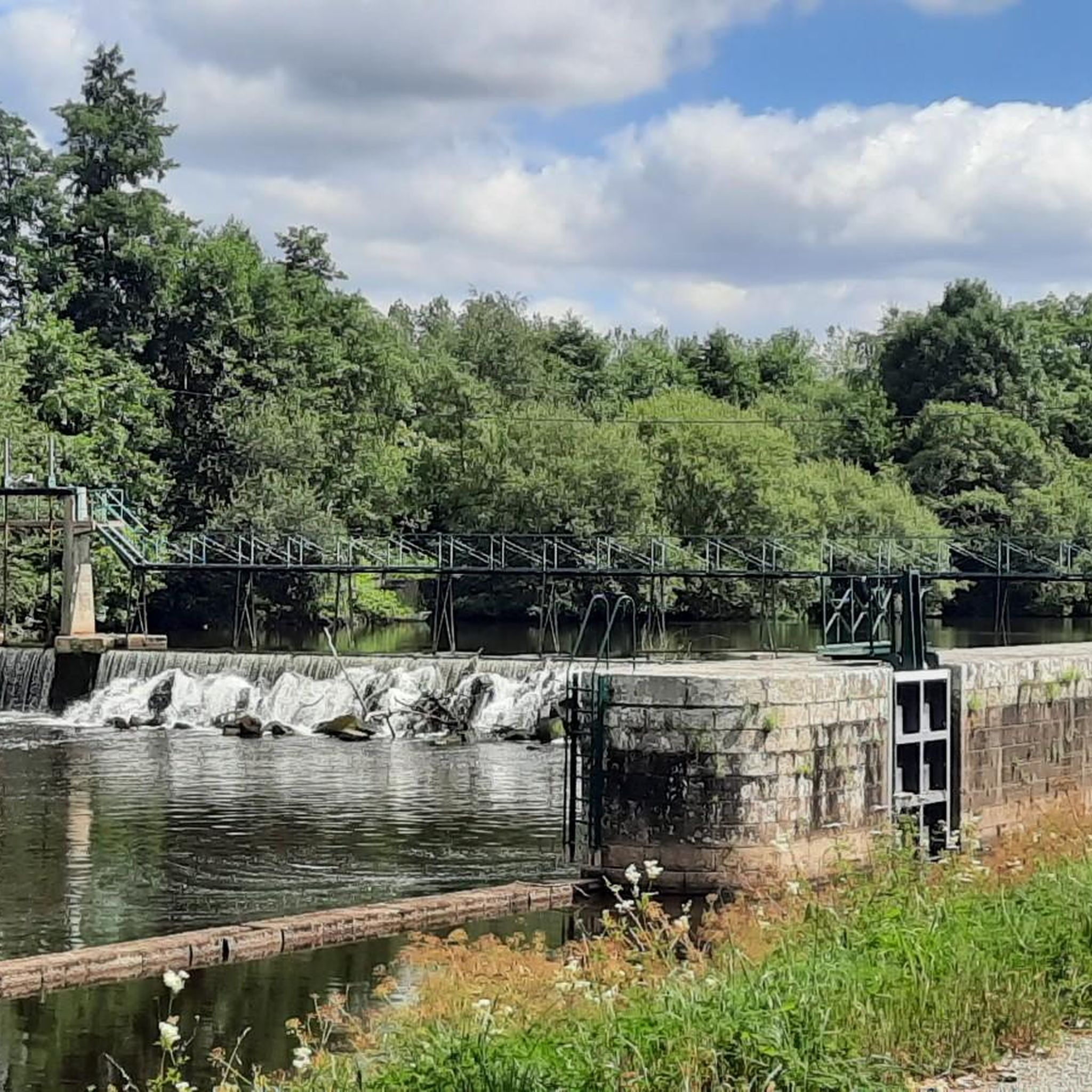
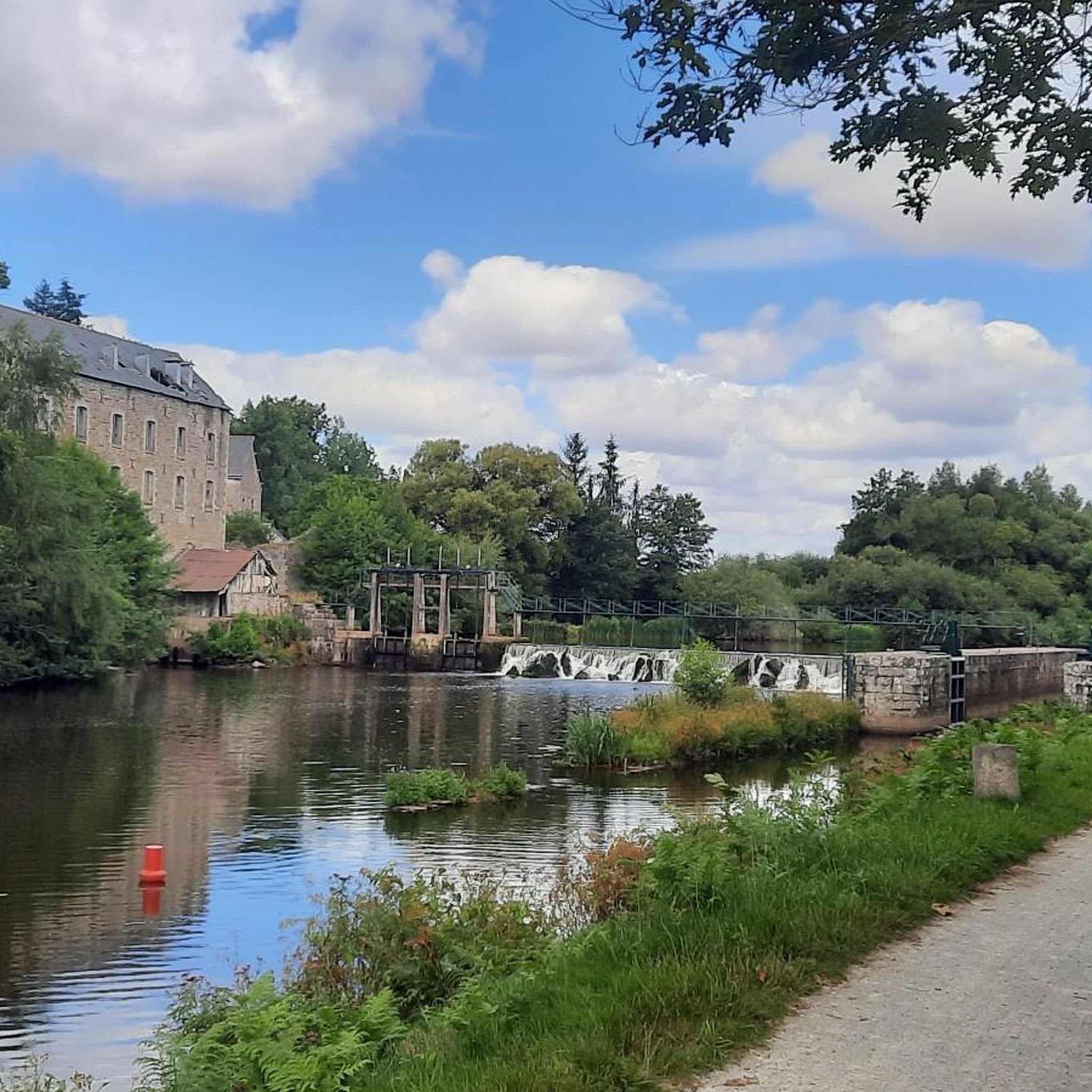
This curved section of the famous Nantes-Brest canal lets you discover the richness of the banks of the Blavet, which flows into the Lorient estuary in Morbihan. You can see that its bed is mainly artificial, and that its course is regulated by an ingenious system of locks. Slightly to the north of Mûr-de-Bretagne, the Guerlédan dam abruptly interrupts its course, thus giving birth to the largest artificial lake in Brittany, the Lac de Guerlédan. The gravelly surface is pleasant for both touring bikes, gravel and even road bikes. I am personally charmed by the melody of the tires on the gravel, so this portion is conducive to meditation and relaxation for me. A real moment of vacation!
1
0

The Nantes to Brest canal for nature lovers and safety if accompanied by children is a must, on its entire route.
0
0
Frequently Asked Questions
Are there family-friendly attractions around Malguénac?
Yes, several attractions are suitable for families. Pontivy Castle offers a glimpse into medieval history with its impressive architecture. The Canal de Nantes à Brest: Pontivy to Mûr-de-Bretagne section is excellent for cycling or walking along the waterways, which is also considered family-friendly. Additionally, the Saint-Nicodème Chapel is set in a green, peaceful environment that families might enjoy.
What historical sites can I visit near Malguénac?
The region is rich in history. A prominent historical site is Pontivy Castle, a 15th-16th century fortress built for the Viscounts of Rohan, showcasing Breton military architecture. You can also explore the Saint-Nicodème Chapel, a beautifully decorated religious building with historical significance.
What kind of outdoor activities can I do along the Nantes-Brest canal?
The Canal de Nantes à Brest: Pontivy to Mûr-de-Bretagne section is ideal for various outdoor activities. You can enjoy cycling along its gravel paths, which are suitable for touring, gravel, and even road bikes. The canal also offers pleasant routes for walking and observing the ingenious system of locks, such as the Guernal lock.
Are there any religious buildings worth visiting?
Yes, the Saint-Nicodème Chapel is a magnificent chapel known for its stone lace decoration and green setting. Another notable religious site is the Chapel of Our Lady of the Carmelites, which offers a serene spot near the Nantes to Brest canal.
Where can I find trails for running or cycling near Malguénac?
The area around Malguénac offers several options for running and cycling. For running, you can find various routes, including loops from Pontivy or Malguénac itself. For cycling, especially mountain biking and gravel biking, there are numerous trails such as the 'Ecluse – Le Divit Lock loop' or routes along the Canal de Nantes à Brest. You can explore more options on the Running Trails around Malguénac, MTB Trails around Malguénac, and Gravel biking around Malguénac guide pages.
What natural features can I see around Malguénac?
The region is characterized by its waterways, particularly the Blavet river and the Nantes-Brest canal. You can explore the banks of the Blavet river, which flows into the Lorient estuary, and observe the artificial bed and lock systems of the canal. The area provides scenic views along these important waterways.
Are there any unique or 'hidden gems' to discover?
While not strictly 'hidden,' the intricate system of locks along the Nantes-Brest canal, such as the Guernal lock in Neulliac, offers a fascinating glimpse into early 19th-century engineering and local history. The accompanying buildings, some undergoing restoration, add to the unique charm of these sites.
What do visitors enjoy most about the attractions near Malguénac?
Visitors appreciate the blend of cultural heritage and natural landscapes. The historical depth of sites like Pontivy Castle and the peaceful, scenic routes along the Canal de Nantes à Brest are frequently highlighted. The architectural details of chapels and the opportunity for outdoor activities along the waterways are also popular.
Can I find easy walks or circular routes in the area?
The paths along the Nantes-Brest canal, particularly the section from Pontivy to Mûr-de-Bretagne, offer relatively flat and easy walking opportunities. While specific circular walks are not detailed here, the canal paths provide excellent out-and-back options or can be combined with local roads for circular routes.
What is the significance of the Nantes-Brest canal in this region?
The Nantes-Brest canal is a significant waterway that shapes the landscape and offers recreational opportunities. It features an artificial bed regulated by a system of locks, like the Guernal lock, which are historical engineering marvels. The canal's banks provide popular routes for cycling and walking, connecting various towns and natural areas.
Are there any specific viewpoints or scenic spots?
While dedicated 'viewpoints' are not explicitly listed, the routes along the Canal de Nantes à Brest offer continuous scenic views of the waterways and surrounding natural environment. The setting of Saint-Nicodème Chapel in a green landscape also provides a picturesque scene.
Most popular routes around Malguénac

Get inspired with the komoot mobile app


Explore more
Still not found the Highlight you’re looking for? See guides of the top attractions in other regions:
