Attractions and Places To See around Lavercantière - Top 20
Best attractions and places to see around Lavercantière include a blend of historical landmarks, natural features, and cultural sites. This charming village in the Lot department of France is situated amidst diverse landscapes, offering opportunities for exploration. The area is characterized by its historical architecture, including castles and churches, alongside natural attractions like lakes and regional parks. Visitors can discover both local points of interest and those within a short distance.
Best attractions and places to see around Lavercantière
- The…
Last updated: October 9, 2026
Frayssinet-le-Gélat
Highlight • Settlement
Translated by Google •
Tip by

Les Arques
Highlight • Other
Translated by Google •
Tip by

Sign up now to discover places like this
Get recommendations on the best single tracks, peaks, & plenty of other exciting outdoor places.
Cazals
Highlight • Settlement
Translated by Google •
Tip by

Salviac
Highlight • Settlement
Translated by Google •
Tip by
View of Les Arques
Highlight • Other
Translated by Google •
Tip by
Sign up for free to discover even more attractions around Lavercantière.
Already have an account?
Start today with a free account
Your next adventure awaits.


Tips from the Community

very nice town with a Sunday market with regional products
0
0

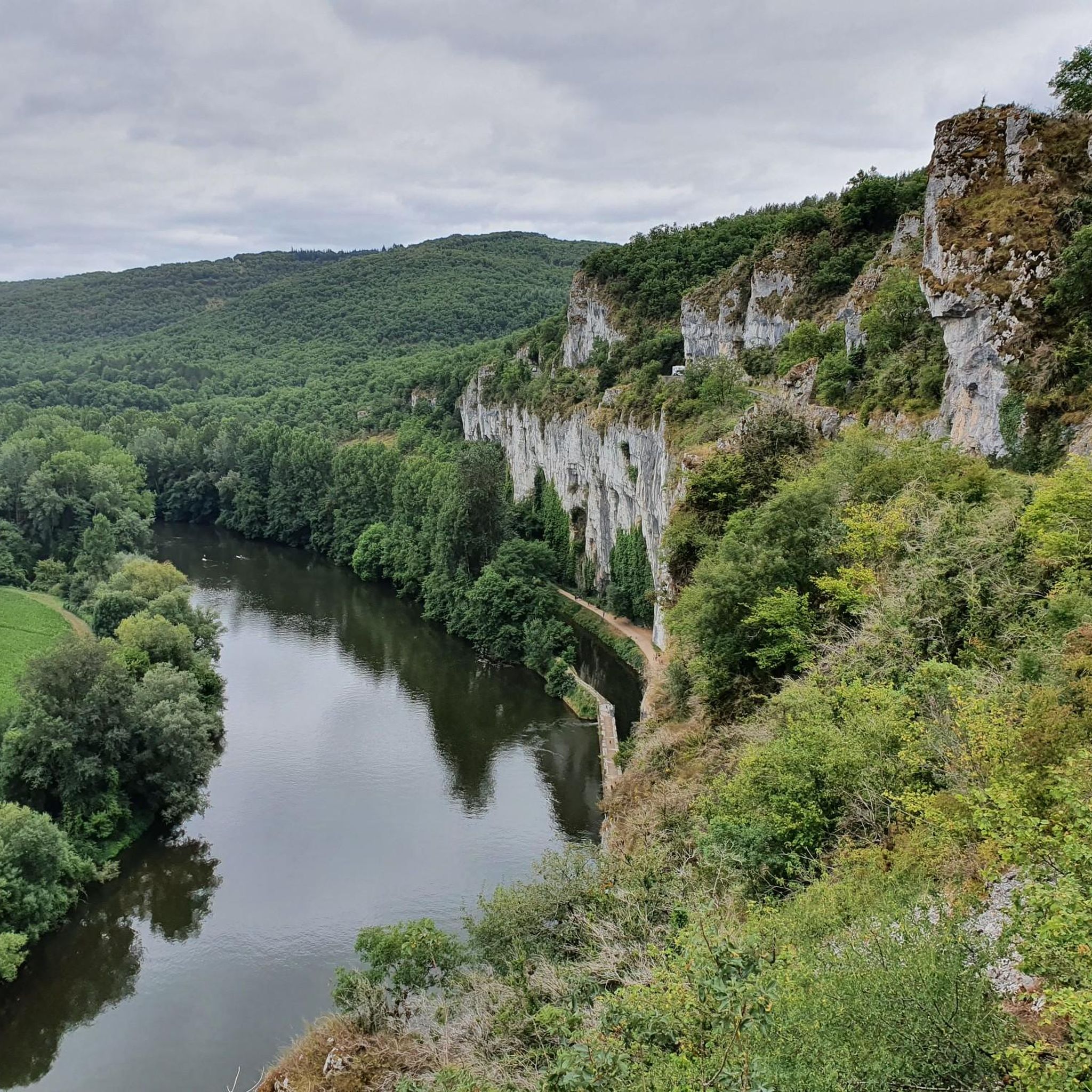
A walk through a lovely landscape!
0
0

Arriving at this point, the village of Les Arques takes shape and is worth exploring. You will notice in this region a glaring lack of vineyards. In 1865, an attack of phylloxera decimated all the vineyards of the region in just 12 years.
2
0
A beautiful town enhanced by its Saint-Radegonde church.
2
1

Small village perched above a valley surrounded by oak forests. It is also the place of adoption of the Russian sculptor Ossip Zadkine, who owned a house there and whose many sculptures can be found in the streets and in the small museum dedicated to him.
1
0

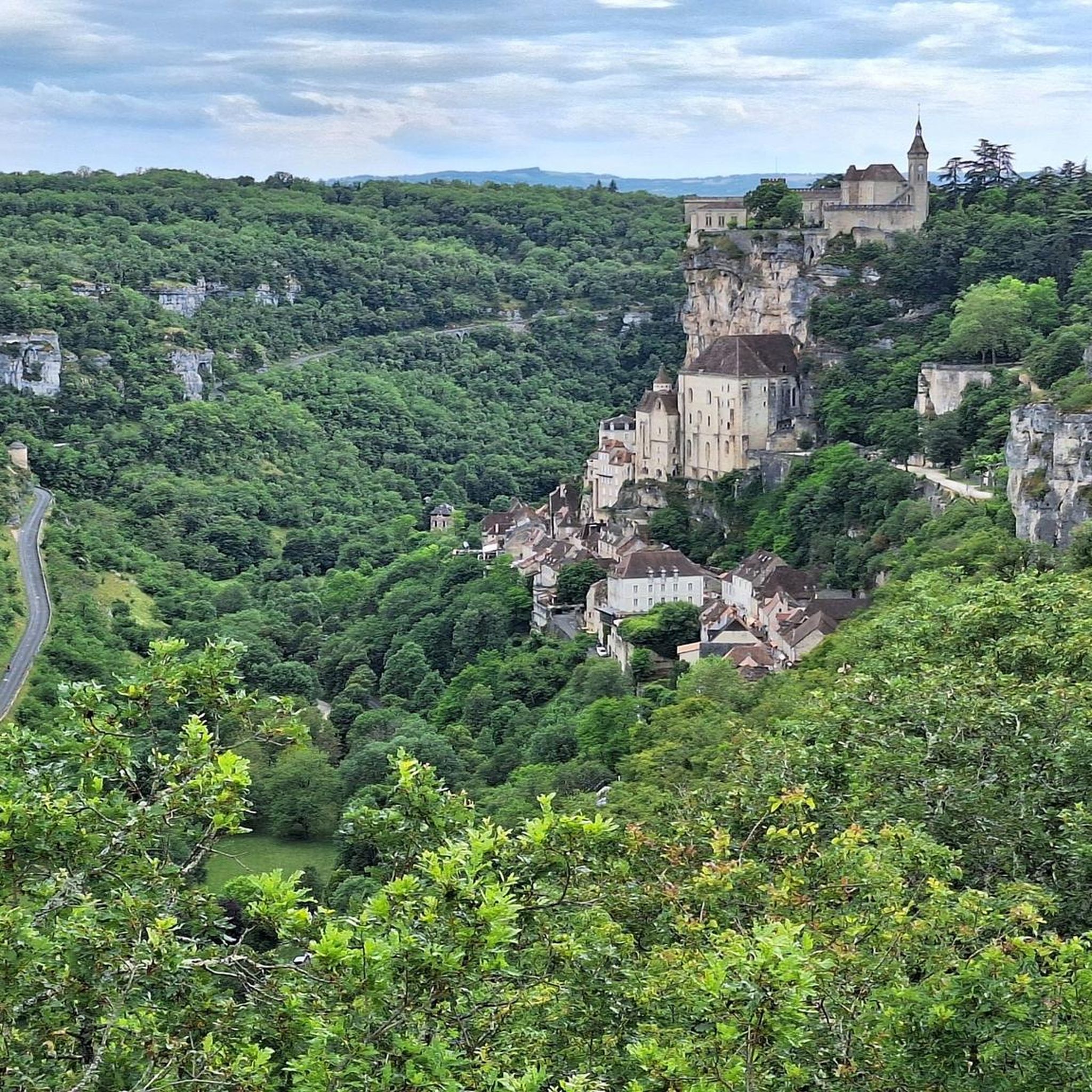
Lovely little village at the top of a short climb
0
0

We are here in the village of Frayssinet-le Gélat, in a micro-region of the Lot department called Bouriane. The land is sandy and granitic which encourages the growth of trees and plants that like the acidity of the soil. Chestnut trees, ferns, broom, foxgloves are some examples. The remarkable monument of the village is undoubtedly the Sainte-Radegonde church which is unique in its kind. Its porch appears to be a medieval tower. The defensive aspect of the church - which was to serve as a place of refuge in troubled times - is obvious.
0
0
Frequently Asked Questions
What historical sites can I visit around Lavercantière?
The region around Lavercantière is rich in history. You can explore the village of Frayssinet-le-Gélat, known for its unique Sainte-Radegonde church with a medieval tower-like porch that served a defensive role. Nearby, the charming town of Salviac features the remains of the Pech Curet dolmen and the Lacoste castle. Further afield, the historic Château de Lavercantière, dating back to the 12th century, offers a glimpse into the past, though it's a private property. You can also find numerous other historic churches in the vicinity, such as Eglise Notre-Dame de Nativité and Notre Dame des Cordeliers.
Are there any natural attractions or lakes near Lavercantière?
Yes, Lavercantière is well-situated for enjoying natural beauty. You can visit Cazals, which features a body of water with a lovely beach. Other nearby natural spots include Lac Vert (Green Lake), approximately 9.9 km away, and Lac de Cazals, about 7.7 km away, both offering peaceful scenery and opportunities for relaxation. The vast Causses du Quercy Natural Regional Park, a UNESCO Global Geopark, is also within reach, offering diverse landscapes for exploration.
What cultural experiences are available in the Lavercantière area?
For cultural experiences, consider visiting Les Arques, a village notable as the place of adoption for Russian sculptor Ossip Zadkine. You'll find many of his sculptures in the streets and a dedicated museum. Additionally, the Museum of Agricultural Machinery and Automobile Salviac, located about 5.5 km away, offers a fascinating collection for enthusiasts of history and machinery.
Are there family-friendly activities or places to visit around Lavercantière?
Many attractions around Lavercantière are suitable for families. The village of Frayssinet-le-Gélat and the town of Salviac are both listed as family-friendly, offering historical sites and charming environments. Cazals, with its lake and beach, provides a great spot for family relaxation and play. Exploring the natural parks and lakes also offers outdoor fun for all ages.
What kind of outdoor activities can I do near Lavercantière?
The area around Lavercantière is excellent for outdoor activities. You can find numerous routes for mountain biking, running, and hiking. For mountain biking, explore trails like the 'Les Arques – Cazals loop from Dégagnac' or 'Salviac – Cazals loop from Gindou'. Running enthusiasts can enjoy routes such as the 'Running loop from Lavercantière' or 'Running loop from Gindou'. If you prefer hiking, there are moderate trails like the 'Restaurant loop from Lavercantière' or 'Hiking loop from Rampoux'. You can find detailed information and more routes in the komoot guides for MTB Trails, Running Trails, and Hiking around Lavercantière.
Are there any notable gardens to visit in the region?
Beyond the immediate vicinity, the wider region boasts several remarkable gardens. The Marqueyssac Gardens in Vezac, about 24.2 km away, are famous for their meticulously hand-pruned box trees and panoramic views of the Dordogne Valley. Other notable gardens include Jardin de la Daille, Jardins du château de Caudon, Jardins de l'Albarède, Jardins secrets de Cahors, and Jardins du Manoir d'Eyrignac.
What are some hidden gems or less-known spots around Lavercantière?
While many attractions are well-known, exploring the smaller villages like Les Arques offers a unique charm with its artistic heritage and local Sunday market. The defensive architecture of the Sainte-Radegonde church in Frayssinet-le-Gélat is also a fascinating detail often overlooked. Additionally, the numerous small churches and prehistoric sites scattered throughout the Lot and Dordogne regions provide opportunities for discovery away from the main tourist routes.
What do visitors enjoy most about the attractions near Lavercantière?
Visitors particularly appreciate the blend of historical charm and natural beauty. The unique character of villages like Les Arques, with its artistic connection to Ossip Zadkine and local markets, is highly rated. The defensive history of the church in Frayssinet-le-Gélat and the historical remains in Salviac also draw interest. Many enjoy the peaceful natural settings, such as the lake and beach at Cazals, and the scenic views offered by the landscape.
Are there any castles or fortresses to explore nearby?
Yes, the region is home to several impressive castles. The Château de Lavercantière itself is a historic castle with parts dating back to the 12th century, though it is a private property. In Salviac, you can see the Lacoste castle. Further afield, the Castelnaud-la-Chapelle Castle, known for its military history, and Le Château de Beynac, dramatically perched on a cliff overlooking the Dordogne River, are both within a reasonable driving distance and offer rich historical insights.
What is the best time of year for outdoor activities in Lavercantière?
The spring and autumn months generally offer the most pleasant weather for outdoor activities around Lavercantière, with mild temperatures ideal for hiking, cycling, and exploring. Summers can be warm, making water-based activities at the lakes particularly appealing. Winters are typically cooler and quieter, with some attractions having reduced hours, but still offer opportunities for peaceful walks.
Can I find prehistoric sites in the area?
Yes, the wider Dordogne Valley, often referred to as the 'Cradle of Mankind,' is renowned for its significant prehistoric sites. One notable example is Font de Gaume, which is famous for its original polychrome cave paintings. Exploring these sites offers a unique journey into ancient human history.
Most popular routes around Lavercantière

Get inspired with the komoot mobile app


Explore more
Still not found the Highlight you’re looking for? See guides of the top attractions in other regions:
