Attractions and Places To See around Aubiat - Top 12
Best attractions and places to see around Aubiat are found in this commune in the Puy-de-Dôme department of France. Situated in the Limagne plain, Aubiat serves as a gateway to the natural features of the Auvergne region, including the Chaîne des Puys. The area offers a blend of historical landmarks, cultural sites, and access to volcanic landscapes. Visitors can explore various points of interest that reflect the local heritage and natural beauty.
Best attractions and places to see around Aubiat
…Last updated: October 16, 2026
Ruins of the Priory of Saint-Coust
Highlight • Historical Site
Tip by

Maringues
Highlight • Other
Translated by Google •
Tip by

Sign up now to discover places like this
Get recommendations on the best single tracks, peaks, & plenty of other exciting outdoor places.
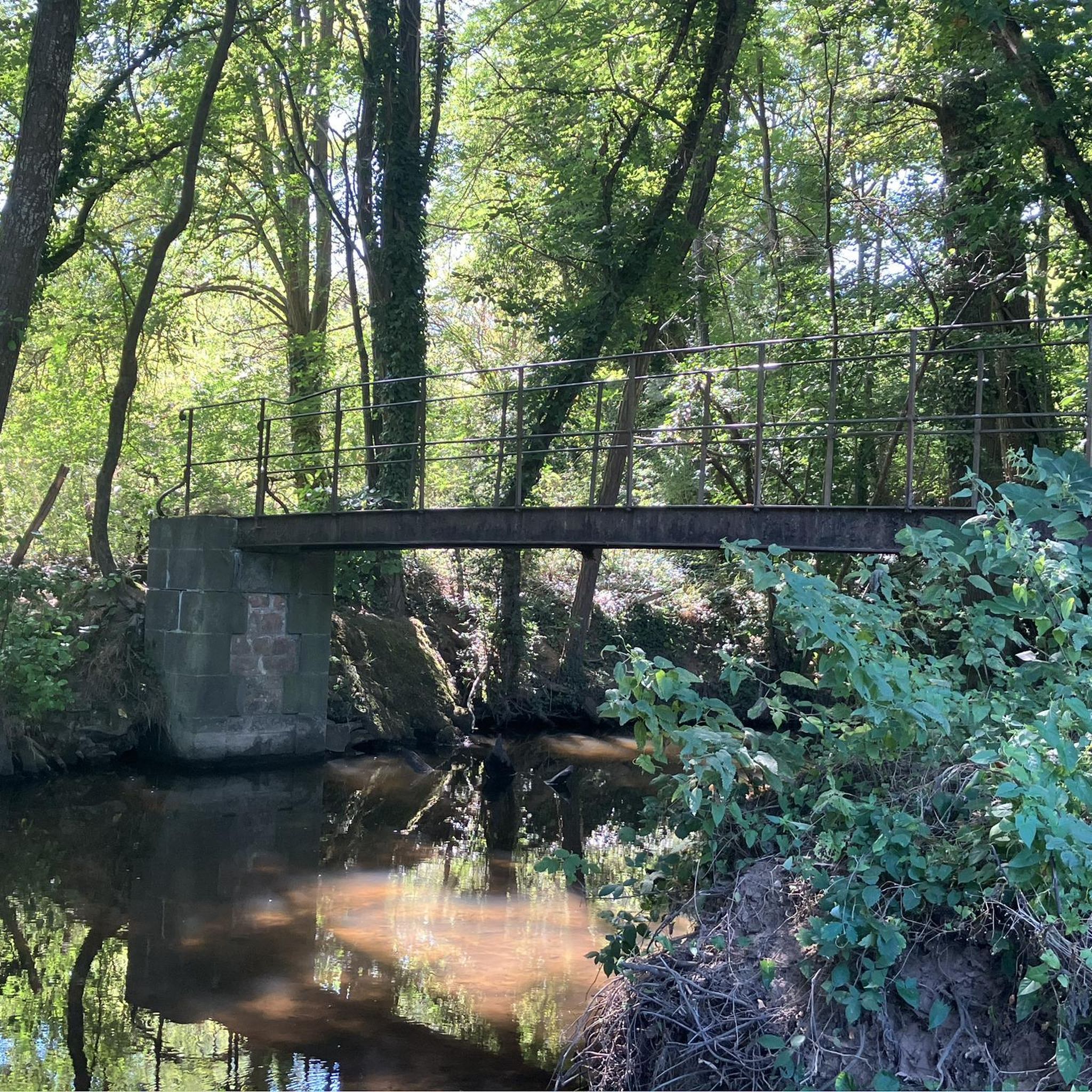
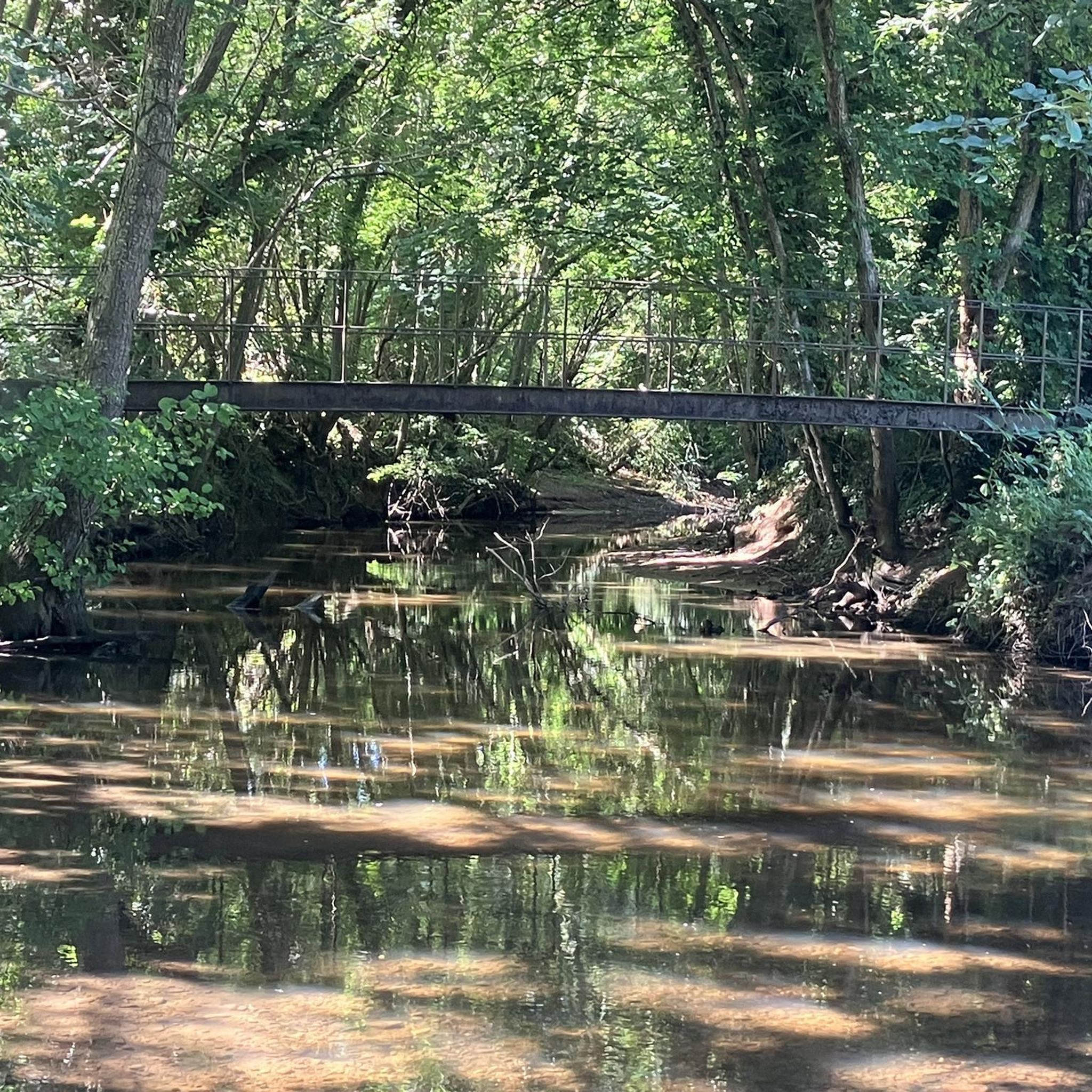
Pont des Fainéants
Highlight • Bridge
Translated by Google •
Tip by

Saint-Amable Basilica, Riom
Highlight • Other
Over the centuries, the building has been modified several …
Translated by Google •
Tip by

Château d'Effiat
Highlight • Castle
Translated by Google •
Tip by

Sign up for free to discover even more attractions around Aubiat.
Already have an account?
Start today with a free account
Your next adventure awaits.


Tips from the Community

Thank you for sharing places that are unknown to most of us but are of definite interest.
0
0

The town with the characteristic bridge is very nice to look at.
0
0

The Château d'Effiat dates from the 16th century. It has a drawbridge and a monumental gate. It has been a listed monument since 1942.
0
0

Located in the Limagne plain, Maringues is a village with a unique character. The city is rich in its past. Go here to explore the city of tanners and stop in front of the monumental statue of the tanner. Stroll through its charming streets and enjoy its market (Monday), one of the most typical in Auvergne.
0
0
The Château d'Effiat dates from the 16th century. It has a drawbridge and a monumental gate. It has been a listed monument since 1942.
1
0

The bridge crossing the Morge was the southern gateway to Maringues. It has been rebuilt several times and once supported one of the city gates. The Maringois called it “the lazy bridge”, because the day laborers were there, leaning on the railing, in the hope of being called by a tanner boss in need of manpower. The workers already at work below, seeing them with their arms dangling, called them lazy.
0
0

The Saint-Amable basilica of Riom is the story of the construction of a church and a baptistery during the 5th century. Over the centuries, the building has been modified several times and thus offers an undeniable archaeological interest. After Clermont Cathedral, Saint-Amable is the largest building in the diocese of Clermont. The basilica has been listed as a historical monument since 1840.
0
0
Dans Gallia Christiana (Tomme II, p. 411), Saint Coust est mentionné comme une fondation de l'abbaye clunisienne de Mozac. La première citation "Ecclesiam de Sana Cultura" apparaît dans un placard non daté d'Adrien IV, Pape de 1154 à 1159 qui précise et confirme les processions de Mozac. La même citation se trouve dans une confirmation des biens et privilèges de l'abbaye par le Pape Alexandre III en 1160. Saint Coust existe donc au milieu du XIIème siècle. L'hypothèse la plus vraisemblable paraît donc être une fondation dans la première moitié du XIIème siècle, au moment des grands défrichements et de l'essor démographique dans tout l'Occident médiéval, et à l'époque de l'épanouissement de la réforme grégorienne dans l'église. Un habitat plus ou moins dispersé aurait alors existé tout autour de la nouvelle église sur une plateforme favorable à la vigne, à la jonction du piémont du plateau et de la plaine de la Limagne, à proximité des sources, du ruisseau Chambaron et de la forêt sur le plateau. De plus, sur la butte de Fugeasseix, située à proximité vers l’Est, la tradition orale situerait un ancien village. Son abandon semble ancien : il s’explique principalement par la naissance et l’expansion d’un bourg castral à 1 km au Sud, au pied du château du Comte Guy II d’Auvergne, Chastel-Guion, dès le début du XIIIème siècle, soit moins d’un siècle après la première mention connue de Saint-Coust. Une chapelle dédiée à Saint Maurice et à la nomination de l’Abbé de Mozac est construite contre la butte du château. Ce déclin est accentué par les épidémies de peste de 1401 et 1631. Les survivants rejoignent le bourg castral et le nouveau hameau des Grosliers à 1 km au Nord fondé au XVIème siècle. L’église de Saint-Coust semble déjà désaffectée ou tout au moins très peu utilisée dès 1698 et interdite au culte en 1721. La Révolution Française de 1789 parachève cette lente décadence amorcée dès la fin du Moyen Age. Début 1792, Saint-Coust est supprimé sans opposition de la part des officiers municipaux qui rendent responsable l’Abbé de Mozac du délabrement de l’édifice et probablement d’une grande partie des habitants eux-mêmes. L’enclos paroissial est alors vendu comme Bien National.
1
0
Frequently Asked Questions
What historical sites can I explore in Aubiat and its surroundings?
Aubiat is rich in history. You can visit the Ruins of the Priory of Saint-Coust, which date back to the 12th century. The commune also features several historical châteaux, including the visible but private Château d'Aubiat, and the Château d'Effiat, a 16th-century castle with a drawbridge and monumental gate. Don't miss the Saint-Amable Basilica in Riom, a significant religious building with archaeological interest, or the historic Pont des Fainéants, a bridge with a unique local history.
What natural features can I discover near Aubiat?
Aubiat is ideally located for exploring the natural wonders of the Auvergne region. You can discover the impressive Chaîne des Puys, an alignment of 80 volcanoes, including the highest point, Puy de Dôme. Another unique natural site is the Gour de Tazenat, a nearly perfect circular crater lake surrounded by forests, located nearby in Charbonnières-les-Vieilles. The Val de Morge, Côteau du Puy Saint-Jean, and Wood of Bussière also offer picturesque landscapes.
Are there opportunities for hiking or cycling around Aubiat?
Yes, the area around Aubiat provides numerous opportunities for outdoor activities. You can find various hiking and walking trails, including those along the banks of the Morge river. For cyclists, there are several routes available, such as the 'View of Gour de Tazenat – View of Gour de Tazenat loop from Aubiat' for cycling, or the 'Beauregard Vendon church – View of Gour de Tazenat loop from Aubiat' for road cycling. You can find more details on these routes in the Cycling around Aubiat and Road Cycling Routes around Aubiat guides.
What are some family-friendly attractions in the Aubiat area?
Families can enjoy exploring the historical Château d'Effiat, which often hosts cultural events. The Pont des Fainéants offers a glimpse into local history with an interesting story behind its name. Additionally, the natural sites like the Gour de Tazenat provide beautiful settings for family walks and picnics.
What is the best time of year to visit Aubiat for outdoor activities?
The spring and autumn months generally offer pleasant weather for exploring Aubiat's outdoor attractions and natural features. During these seasons, temperatures are mild, and the landscapes are particularly beautiful, making it ideal for hiking, cycling, and visiting historical sites without the peak summer crowds or winter chill.
Can I visit any local markets or experience unique cultural aspects?
Yes, the nearby village of Maringues is known for its vibrant market, held every Monday, which is considered one of the most typical in Auvergne. Maringues also has a rich history as a city of tanners, offering a unique cultural insight. Aubiat itself has a significant viticulture heritage, with a history of extensive vineyards in the 19th century.
How can I access the Puy de Dôme and the Chaîne des Puys from Aubiat?
From Aubiat, you are well-positioned to discover the Chaîne des Puys and the Puy de Dôme. The Puy de Dôme, a Grand Site de France, can be ascended via the Panoramique des Dômes rack railway, offering stunning panoramic views of the volcanic landscape.
Are there any lesser-known historical gems to discover in Aubiat?
Beyond the main attractions, Aubiat holds several lesser-known historical gems. The Ruins of the Priory of Saint-Coust offer a fascinating look into medieval religious history. The commune also features various historical crosses, such as the Grande croix de Persignat and the Croix des Rameaux, which reflect local heritage. Historically, Aubiat was home to several mills, like the Moulin des Côtes, Moulin de Piry, and Moulin de Lavaur, hinting at its industrial past.
What do visitors enjoy most about the attractions around Aubiat?
Visitors appreciate the blend of historical depth and natural beauty. For instance, the Maringues market is highly praised for its authenticity and charm. The Ruins of the Priory of Saint-Coust are noted for their historical interest, offering a glimpse into unknown but significant pasts. The architectural beauty and historical significance of sites like the Saint-Amable Basilica and Château d'Effiat are also frequently highlighted.
Are there options for gravel biking near Aubiat?
Yes, gravel biking is a popular activity around Aubiat. You can find routes like the 'View of the volcano range – View of the Puy de Dôme loop from Ennezat' or the 'Riom – Colline de Diu loop from Riom - Châtel-Guyon'. These routes offer a mix of terrain suitable for gravel bikes. More details can be found in the Gravel biking around Aubiat guide.
What is the history behind the châteaux in Aubiat?
Aubiat is home to several historic châteaux. The Château d'Aubiat, though private, features a 15th-century defensive tower and was central to village life. Château de Mons, once owned by General Beker, now serves as a research center. Other notable historical residences include Château de Montclavel and Château de Persignat, all contributing to the commune's rich architectural heritage.

Get inspired with the komoot mobile app


Explore more
Still not found the Highlight you’re looking for? See guides of the top attractions in other regions:
