The best cycling routes around Saint-Sornin
4.4
(390)
2,378
riders
78
rides
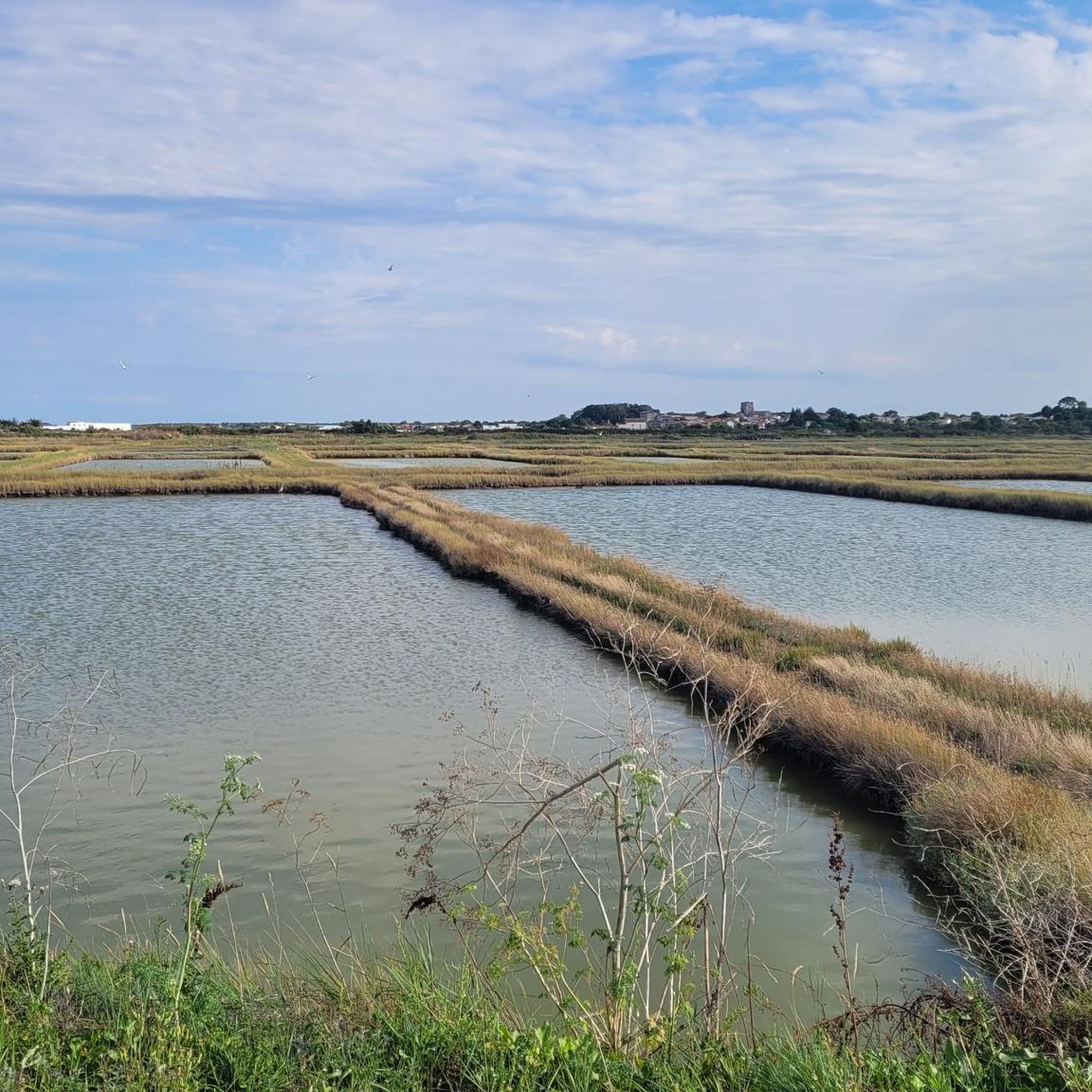
Touring cycling around Saint-Sornin, located in the Charente-Maritime department of France, offers diverse landscapes for exploration. The region is characterized by extensive marshlands, including the Marais de Brouage and the Vallée de la Seudre, which provide unique routes with opportunities for wildlife observation. Situated on a limestone promontory, Saint-Sornin is bordered by the Seudre estuary, offering varied terrain where the river meets the marshlands. The area's cycling network also connects to coastal areas, providing options for rides that incorporate seaside…
Last updated: June 27, 2026
2.2
(5)
42
riders
72.8km
04:16
290m
290m
Moderate bike ride. Good fitness required. Mostly paved surfaces. Suitable for all skill levels.
4.3
(3)
25
riders
Easy bike ride. Great for any fitness level. Mostly paved surfaces. Suitable for all skill levels.

Sign up for free
5.0
(2)
12
riders
34.0km
02:23
110m
110m
Moderate bike ride. Good fitness required. Mostly paved surfaces. Suitable for all skill levels.
3.0
(1)
8
riders
38.2km
02:52
190m
190m
Hard bike ride. Good fitness required. You may need to push your bike for some segments of this route.
4.5
(4)
8
riders
38.1km
02:15
120m
120m
Moderate bike ride. Good fitness required. Mostly paved surfaces. Suitable for all skill levels.
Get access to more routes and recommendations from other explorers.
Sign up for free
Already have an account?
Our route recommendations are based on thousands of hikes, rides, and runs completed by other people on komoot.
Start today with a free account
Your next adventure awaits.
Login or Signup


Tips from the Community

The port of Ribérou is a major heritage site in Saujon, bearing witness to a prosperous maritime past linked to the salt and wine trade. Transformed in the 19th century by ambitious works, it has now been reinvented as a place for living, relaxation, and preserving local history. 🛶 Origins and the Middle Ages The port of Ribérou takes its name from the Latin word ripa ("riverbank") or the Occitan word ribèira ("river"). It is located at the head of the Seudre estuary. It existed as early as the 11th century and became an important river and sea port thanks to its strategic position at the head of the estuary, used particularly for the salt trade—then called "white gold"—a highly sought-after product for preserving food. 🚢 Medieval Period and International Trade With the opening of British markets during the reigns of Eleanor of Aquitaine and Henry II Plantagenet, ships laden with wool, salt, wine, and other goods flocked to Ribérou. In the 16th century, the port exported local wines (such as cognac and pineau) throughout Europe. In 1577, during the Wars of Religion, the port was a strategic site: troops were stationed there, and battles took place. 🏗️ Decline, Reconstruction, and the 19th Century The estuary gradually silted up, making navigation difficult. By 1691, only smaller vessels could dock there. During the French Revolution, the sale of the tidal mill, which helped remove sediment, worsened the silting, leading to the port's decline. A modernization project began in 1822, but it wasn't until 1839 that an ambitious program was launched under the impetus of Jules Dufaure—a native of Saujon and Minister of Public Works—with the construction of sturdy quays, slipways, a lock bridge (marking the boundary between fresh and salt water), and reception facilities. In 1842, the work was completed, and the main quay was named Quai Dufaure in honor of this political support. 📉 Gradual Decline and Modernization The arrival of the railway in 1876 and the persistent problems of silting led to a decline in the port's traditional commercial activity, already facing competition from other transport networks. In the 20th century, the port gradually lost its economic importance but remained active for traditional fishing and became a place for pleasure boating, leisure, and local culture. Urban and tourism development projects (particularly in 2011–2012) modernized the port while preserving its historical charm. 🌊 Today The port of Ribérou is now a small fishing and pleasure port, much appreciated for its walks along the Seudre River, water sports (canoeing, kayaking, paddleboarding, etc.), and seasonal events.
0
0


Very beautiful church. A must-see!
0
0


The port of Royan is located between the Foncillon district and the Grande Conche beach, in the heart of the city. Ideally located at the mouth of the Gironde, in the immediate vicinity of the Atlantic Ocean and opposite Port-Médoc, it consists of a marina with a thousand rings and a fishing port, specializing in “noble” species (sole, meagre, sea bass, etc.). You will find the harbor master's office, the Fishing Port and the auction, as well as a covered shopping arcade, “Les voûtes du Port”, which extends the shopping arcades of the “Front de Mer”. Port, 1100 sheltered places – Reception pontoon – Secure pontoons. Access pass is 0.30 m above the zero of the nautical charts. Basins after dredging 2.30 m from the zero of the nautical charts. Services: water, electricity (220 V) on pontoon, toilets, WC, showers, handling in closed technical area, recovery of careening water, grey water and black water pumps, maintenance and ship repair workshops, ship chandlers on the port, wifi, 24/24 CB fuel, slipway. V.H.F. 9. The port is sheltered from all winds because it is protected by the landing stage of the ferries which ensure the crossing of the Gironde for the crossings to the Pointe de Grave/Le Verdon-sur-Mer.
1
0
The port of Ribérou is a fishing and pleasure port located at the end of the Seudre estuary, in Saujon. It is one of the two ports in the city, along with that of Breuil, a little downstream. Active since the 11th century, it took on its current appearance from 1842, under the impetus of the Minister of Public Works at the time, Jules Dufaure, a "local boy", who thus attempted to revive maritime trade and fishing activities, which were then in decline. Ideally located, on the edge of the city center, the La Lande leisure center and the preserved areas of the Seudre marshes (towpaths transformed into walking trails), it has become one of the major tourist attractions in Saujon, where theme evenings and the July 14 fireworks are organized. In 2011, the municipality began a renovation program for the port site, entrusted to the architect-urban planner Sophie Blanchet. It consists of transforming the old car parks into a pedestrian esplanade, a real meeting place with modern street furniture and, in the long term, green spaces. From the quays, lined with bourgeois buildings, small picturesque streets lined with hollyhocks allow you to crisscross the district and reach the city centre. The Ribérou lock bridge, known as the "bridge of opposing waters", was renovated in 2010. It marks the separation between the waters of the estuary (port side: brackish water) and the waters of the river (retention basin side: fresh water). Ribérou is a starting point for certain water sports (canoeing and kayaking). It is approximately 250 metres long and 40 metres wide. From Ribérou, it is possible to reach successively the ports of Breuil (Saujon), L'Éguille, Mornac, Chaillevette, Chatressac (Chaillevette), Grandes Roches and Orivol (Étaules), La Grève in Duret and Coux (Arvert), La Grève (La Tremblade) and La Cayenne (Marennes).
0
0

A small creperie with very friendly staff that serves food both for lunch and dinner. Otherwise, the place doesn't seem to serve anything to eat in the evenings in September 2024.
0
0
Frequently Asked Questions
How many touring cycling routes are available around Saint-Sornin?
There are over 75 touring cycling routes around Saint-Sornin, offering a wide range of options for different skill levels and preferences. These routes are highly rated by the komoot community, with an average score of 4.4 stars.
What kind of terrain can I expect on touring cycling routes in Saint-Sornin?
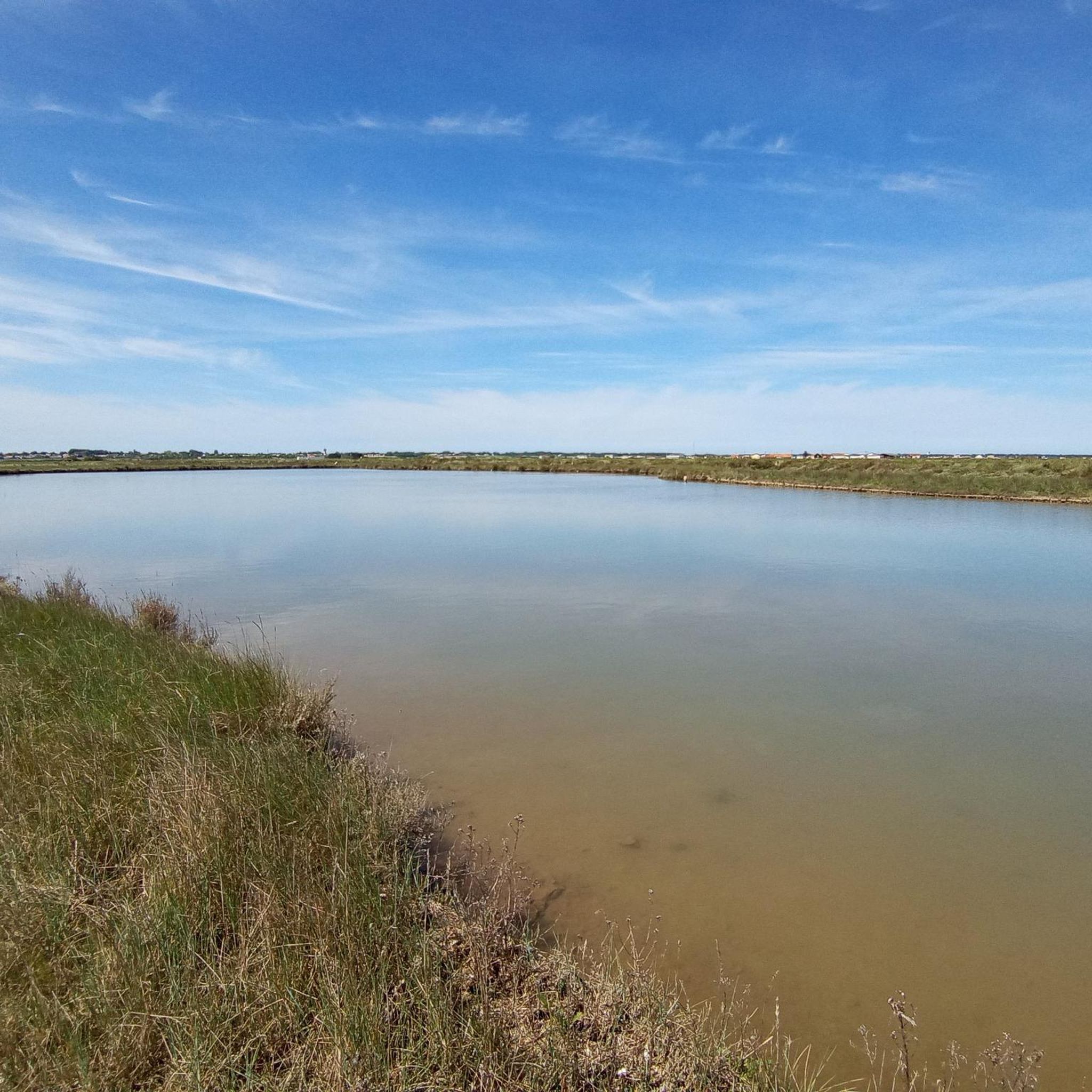
The terrain around Saint-Sornin is quite varied. You'll find many routes traversing the extensive marshlands, such as the Marais de Brouage and the Vallée de la Seudre, which are generally flat and picturesque. The region is also bordered by the Seudre estuary, offering routes where the river meets the marshlands. Some longer routes may connect to coastal areas, providing gentle landscapes and fresh sea air.
Are there family-friendly touring cycling routes in Saint-Sornin?
Yes, Saint-Sornin offers several easy touring cycling routes suitable for families. Many paths through the marshlands are relatively flat and safe. For example, the Icehouse – Brouage Citadel loop from Saint-Just-Luzac is an easy 25.4 km trail that takes you through marshlands and past the historic Brouage Citadel, perfect for a family outing.
What are some interesting historical sites or attractions I can visit along the cycling routes?
Cycling around Saint-Sornin allows you to discover several points of interest. You can explore the local heritage, including the Saint-Saturnin Church, a Romanesque church founded in the 11th century. Routes through the marshlands might lead you past the historic Tour de Broue. Additionally, you can find attractions like Riberou Port or the Mornac-sur-Seudre Marshes, offering scenic stops.
Are there circular touring cycling routes available in the area?
Yes, many of the touring cycling routes around Saint-Sornin are designed as loops, allowing you to start and end at the same point. Examples include the Icehouse – Brouage Citadel loop from Saint-Just-Luzac and the Chenal de Marennes – Port of Marennes loop from Nieulle-sur-Seudre, which takes you through the Marennes basin.
What kind of wildlife can I spot while cycling through the marshlands?
The marshlands of Brouage and the Seudre valley are significant natural sites, rich in biodiversity. While cycling through these areas, you might observe diverse ecosystems and wildlife, including species like the European pond turtle, various birds such as egrets and herons, and coypu. It's a great opportunity for nature enthusiasts.
What do other touring cyclists enjoy most about cycling in Saint-Sornin?
The area is highly rated by the komoot community, with an average score of 4.4 stars from over 300 reviews. Reviewers often praise the unique marshland ecosystems, the blend of natural beauty with cultural exploration, and the well-maintained cycling network that connects to both historical sites and coastal areas.
Are there options for longer or more challenging touring cycling routes?
Yes, while many routes are easy or moderate, Saint-Sornin also offers options for more challenging and longer rides. For instance, the Rochefort Transporter Bridge – In the Coubre Forest loop from Saint-Just-Luzac is a difficult 115.4 km route with significant elevation gain, catering to experienced touring cyclists looking for an extensive adventure.
Can I find places to stop for refreshments or food along the cycling routes?
Yes, many routes pass through or near villages and towns where you can find cafes and traditional establishments. The 'Le tour du village de Saint-Sornin' route, for example, encourages discovery of local heritage including traditional cafes. For longer rides, planning your route to include stops in towns like Marennes or Nieulle-sur-Seudre will provide opportunities for refreshments.
How accessible is Saint-Sornin by public transport for cyclists?
While the region is well-suited for cycling, specific public transport options for carrying bicycles directly to trailheads might be limited. It's advisable to check local bus or train services for their bicycle policies if you plan to use public transport to reach Saint-Sornin or specific starting points for your tours. Many visitors opt to drive and park near their chosen starting points.
Are there specific routes that connect to coastal areas or the Atlantic Coast?
Absolutely. The region's cycling network, including routes like the Vélodyssée, connects to coastal areas such as the Ile d'Oléron and the Marennes basin. The L'Équille – Port of Royan loop from Nieulle-sur-Seudre is a moderate 72.5 km path that offers varied scenery, including sections along the Seudre estuary and towards coastal areas, providing opportunities for seaside cycling.
What is the best time of year for touring cycling in Saint-Sornin?
The region generally offers pleasant cycling conditions for much of the year. Spring and autumn are often ideal, with milder temperatures and beautiful natural scenery. Summer can also be enjoyable, especially for coastal routes where you can benefit from sea breezes. It's always a good idea to check the local weather forecast before heading out.
Most popular routes around Saint-Sornin
Most popular attractions around Saint-Sornin

Get inspired with the komoot mobile app


Explore more
Browse the best Cycling routes in other regions.
