The best road cycling routes around Sainte-Gemme
4.5
(41)
1,089
riders
173
rides
Road cycling routes around Sainte-Gemme traverse picturesque rural landscapes characterized by mostly paved roads and varied terrain. The region offers a mix of flat sections and gentle ascents, with some routes featuring up to 1,500 feet of elevation gain. Natural features like ponds and historical landmarks such as ancient structures and chapels are often encountered along the way, providing scenic backdrops for rides.
Best road cycling routes around Sainte-Gemme
- The most popular road cycling route is Terre-Nègre Lighthouse – The…
Last updated: July 3, 2026
5.0
(1)
13
riders
Moderate road ride. Good fitness required. Mostly well-paved surfaces and easy to ride.
15
riders
39.3km
01:33
110m
110m
Easy road ride. Great for any fitness level. Mostly well-paved surfaces and easy to ride.

Sign up for free
5.0
(2)
10
riders
Easy road ride. Great for any fitness level. Mostly well-paved surfaces and easy to ride.
9
riders
Moderate road ride. Good fitness required. Mostly well-paved surfaces and easy to ride.
7
riders
44.5km
01:50
180m
180m
Easy road ride. Great for any fitness level. Mostly well-paved surfaces and easy to ride.
Get access to more routes and recommendations from other explorers.
Sign up for free
Already have an account?
Our route recommendations are based on thousands of hikes, rides, and runs completed by other people on komoot.
Start today with a free account
Your next adventure awaits.
Login or Signup

Tips from the Community

Here you'll find a romantic little lighthouse, and behind it lies a garden with a bench overlooking the sea, a lovely place to stop for a break. Afterwards, you can continue along the cliff to the right until you reach Euro Velo 1 again.
0
0

Perfect beachside bike trail along the boulevard, with several rest stops with seating and beach acces.
0
0

On the beach of Royan (20,000 inhabitants). This is where the boat that takes you across the Gironde docks/departs.
0
0

The Terre-Nègre lighthouse is a landmark forming a cylindrical tower a little over 26 meters high. Located on the tip of Terre-Nègre, in the commune of Saint-Palais-sur-Mer, in Charente-Maritime, it is intended to mark the southern pass of the Gironde estuary and to signal the presence of a dangerous sandbank, the "Anglais bar". This building forms a tower-column 3.16 meters in diameter and 26.60 meters high. A spiral staircase with a central core of 143 steps leads to a summit platform equipped with a directional light. The tower is painted in two different colors to make it more visible: the upper part is red, the lower part is white. The base of the lighthouse is hidden by a building that once served as the keeper's accommodation. The installation of a beacon at this location was considered as early as 1763. De Kearney took over the beaconing plan four years later. Construction work on the tower began in 1770 and was completed in 1773, probably under the supervision of the Bordeaux engineer Claude Tardy. In 1807, the tower was raised. However, this work was considered insufficient by some of the estuary's navigators. In 1834, sailors from the nearby port of Royan sent a request to the Ministry of the Navy to study the possibility of equipping the tower with a light. However, this request was postponed the following year due to lack of sufficient funds. A new request from sailors prompted the lighthouse commission to experiment with a first light in 1836. Finally, on October 15, 1838, a fixed white 4th order light was permanently installed. The latter was replaced in 1856 by a fixed white light of the 4th order of a small dioptric model with a reinforced sector of the 5th order catoptric. It was equipped with new lights in 1899 and 1904. In 1939, it was electrified. During the German occupation, the lighthouse served as an observatory for the soldiers of the Wehrmacht. Damaged during the fighting of 1945 (presence of breaches at the top of the tower), it was restored in the immediate post-war period. In March 1947, the lighthouse was operational again. A light with 3 occultations — changing every 12 seconds — was installed. Its colors are white, red and green. Its current range is 18 miles. Listed as a Historic Monument since 2011, the lighthouse is not open to visitors. However, it can be admired from the outside and a pretty passage provides direct access to the coastal path.
0
0

It is an absolutely beautiful village.
0
0

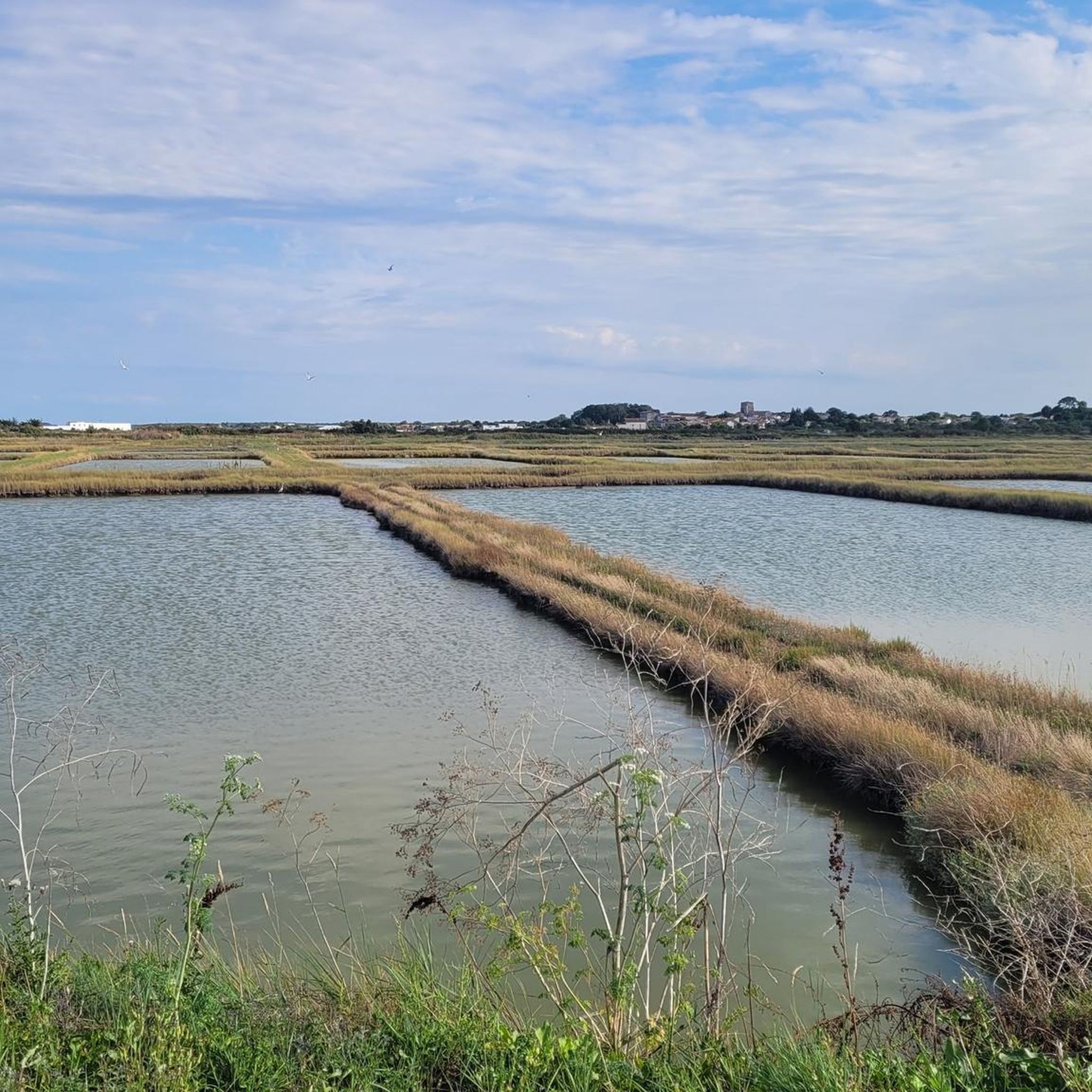
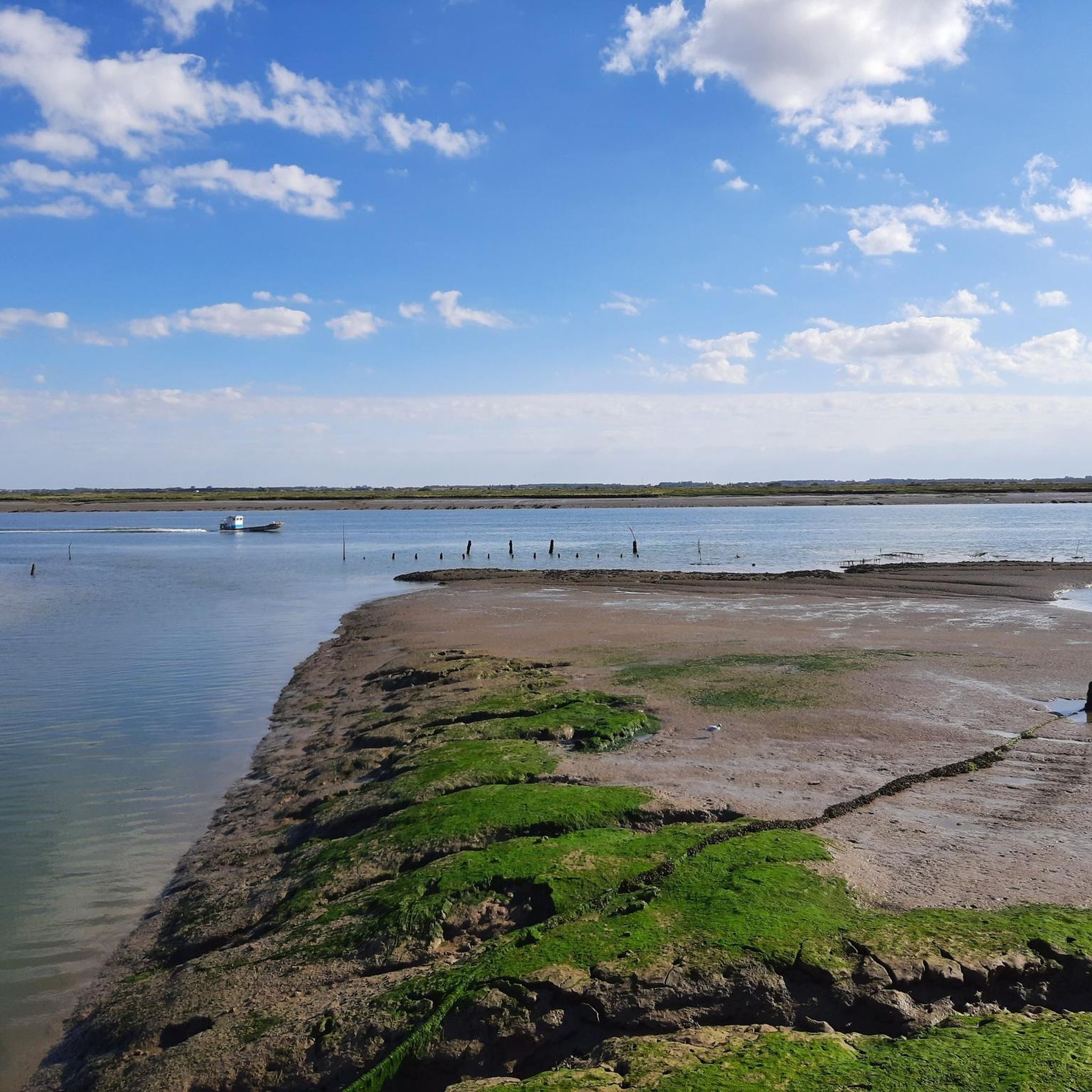
Along the Oysterfields, This is France at its best (when the sun shines!)
0
0
Don't count on making speed here - this is a very busy place in Summer, but always nice things to see.
0
0

Small town with a special charm along the Charente.
0
0
Frequently Asked Questions
How many road cycling routes are available around Sainte-Gemme?
There are over 170 road cycling routes around Sainte-Gemme, offering a wide variety of options for different skill levels and preferences. You'll find everything from easy loops to more challenging moderate routes.
What kind of terrain can I expect on road cycling routes in Sainte-Gemme?
The road cycling routes around Sainte-Gemme primarily feature picturesque rural landscapes with mostly paved roads. While many routes offer flat sections, you can also expect gentle ascents, with some routes featuring up to 1,500 feet of elevation gain. Some longer, more challenging routes might include unpaved segments.
Are there routes suitable for beginners or families in Sainte-Gemme?
Yes, Sainte-Gemme offers numerous easy road cycling routes perfect for beginners or families. For example, the Church of Le Gua in Aubin loop from Le Gua is an easy 24.5-mile path with minimal elevation changes, providing a tranquil ride through the countryside. Overall, 63 routes are classified as easy.
What are some scenic highlights or landmarks I can see while cycling in Sainte-Gemme?
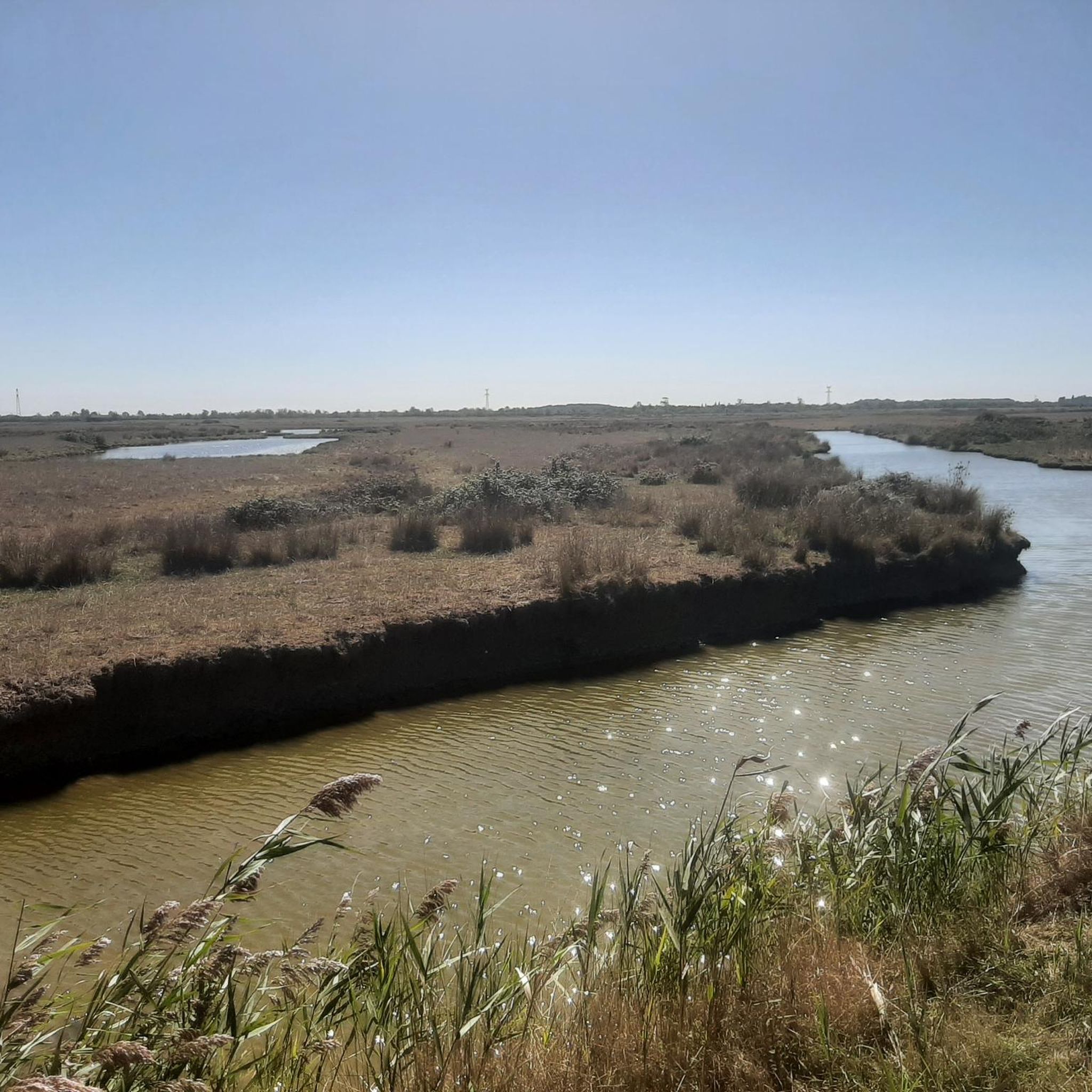
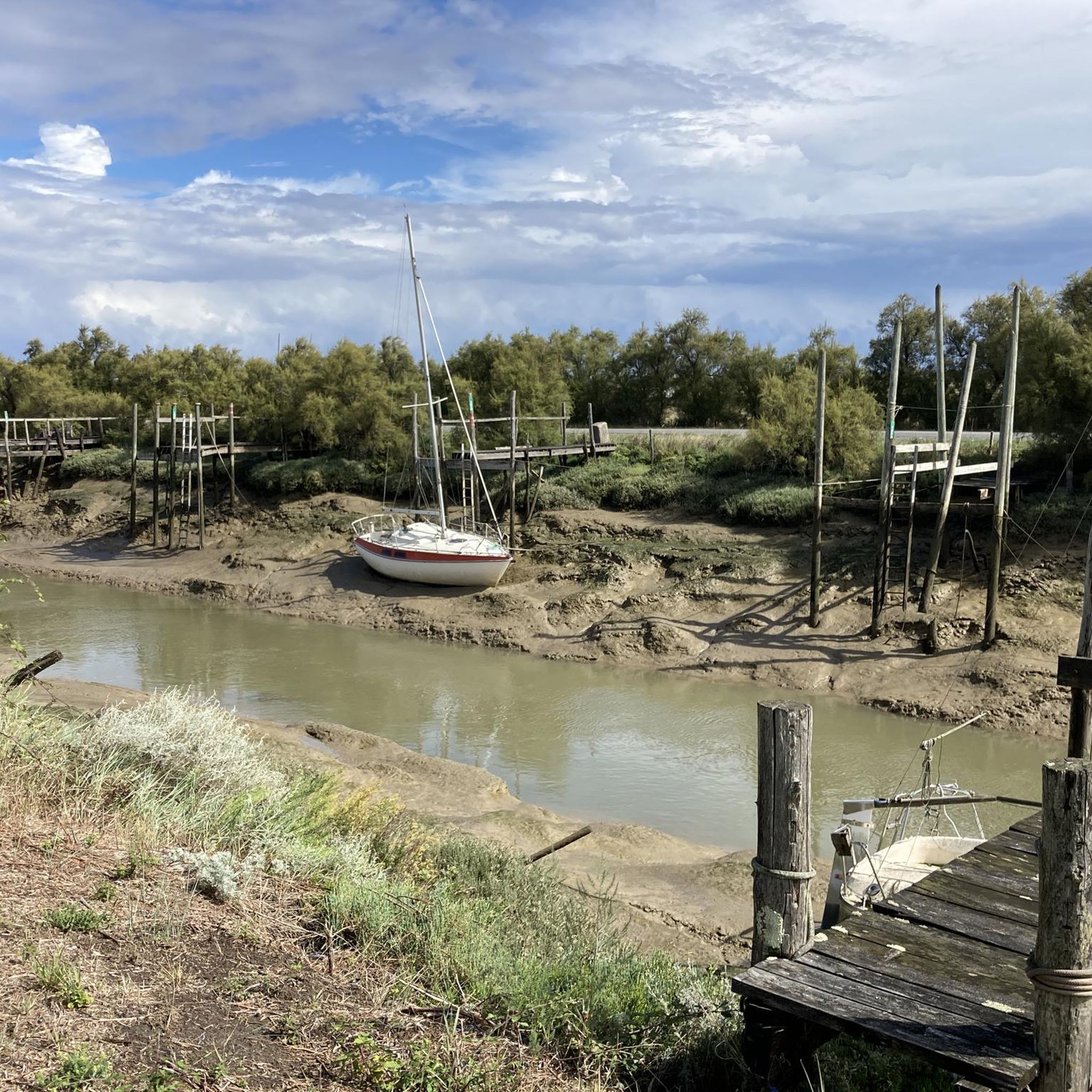
The routes often traverse scenic rural areas and pass by historical landmarks and natural features. You might encounter ancient structures, chapels offering panoramic views, and natural viewpoints. Specific highlights include the Riberou Port, the tranquil Mornac-sur-Seudre Marshes, and various historic churches like the Saint-Pierre Church in Mornac-sur-Seudre.
Are there challenging routes for experienced road cyclists?
Absolutely. While many routes are moderate or easy, Sainte-Gemme also offers options for experienced cyclists seeking more challenge. Some routes can extend for over 5 hours with more than 1500 feet of elevation gain. The region has 3 routes classified as difficult and 106 as moderate, providing ample opportunities for longer, more demanding rides.
What is the typical duration and distance of road cycling routes in the region?
Route distances and durations vary significantly. You can find shorter loops, like the Porche de Pont l'Abbé – Saint-Nazaire Church loop from Pont-l'Abbé-d'Arnoult, which is 28.9 miles and takes about 1 hour 52 minutes. Longer routes, such as the Terre-Nègre Lighthouse – The market halls in Mornac-sur-Seudre loop from Sainte-Gemme - Ferme de Magné, cover 43.5 miles and typically take around 2 hours 56 minutes.
What do other cyclists say about road cycling in Sainte-Gemme?
The komoot community highly rates road cycling around Sainte-Gemme, with an average score of 4.4 stars from over 60 reviews. Cyclists often praise the varied terrain, the scenic rural backdrops, and the well-maintained (mostly paved) roads that make for enjoyable rides. Over 900 road cyclists have used komoot to explore the area.
Are there any specific natural features to look out for on the routes?
Yes, the region is known for its natural beauty. Beyond the general rural scenery, you might encounter significant natural features like ponds and lakes, which are often rich in flora and fauna. The Mornac-sur-Seudre Marshes are a notable natural highlight that some routes pass by.
When is the best time of year to go road cycling in Sainte-Gemme?
While specific data isn't provided, generally, spring and autumn offer the most pleasant conditions for road cycling in regions like Sainte-Gemme, with milder temperatures and beautiful scenery. Summer can also be enjoyable, though it might be warmer, and winter can be colder with a higher chance of adverse weather.
How can I find parking or access routes via public transport in Sainte-Gemme?
While specific parking areas or public transport links for individual trailheads are not detailed in the route descriptions, most towns and villages along the routes will offer public parking options. For public transport, it's advisable to check local bus or train services connecting to Sainte-Gemme or nearby larger towns, as options can vary.
Are dogs allowed on road cycling routes in Sainte-Gemme?
The allowance of dogs on road cycling routes typically depends on local regulations and the specific nature of the path. While dogs are generally permitted on public roads, if a route passes through private land, nature reserves, or specific parks, restrictions may apply. It's always best to check local signage or specific route details if you plan to cycle with a dog.
Are there any routes that pass through historical sites or villages?
Many routes around Sainte-Gemme are designed to showcase the region's rich history and charming villages. For instance, the Porche de Pont l'Abbé – Saint-Nazaire Church loop from Pont-l'Abbé-d'Arnoult leads through rural landscapes and past historical points of interest. The region's historical landmarks, including ancient structures and chapels, are often encountered along the way, adding a cultural dimension to your ride.
Can I combine road cycling with exploring Gallo-Roman history in the area?
Yes, for those interested in history, the nearby Gallo-Roman town of Jublains (formerly Noviodunum) features remains of a temple, thermal baths, a theater, and a fortress. While not directly on the provided routes, you could plan a cycling trip that includes a visit to this significant historical site, adding a cultural dimension to your outdoor excursion.
Most popular routes around Sainte-Gemme
Most popular attractions around Sainte-Gemme

Get inspired with the komoot mobile app


Explore more
Browse the best Road cycling routes in other regions.
