The best road cycling routes around Corme-Écluse
4.0
(55)
1,377
riders
156
rides
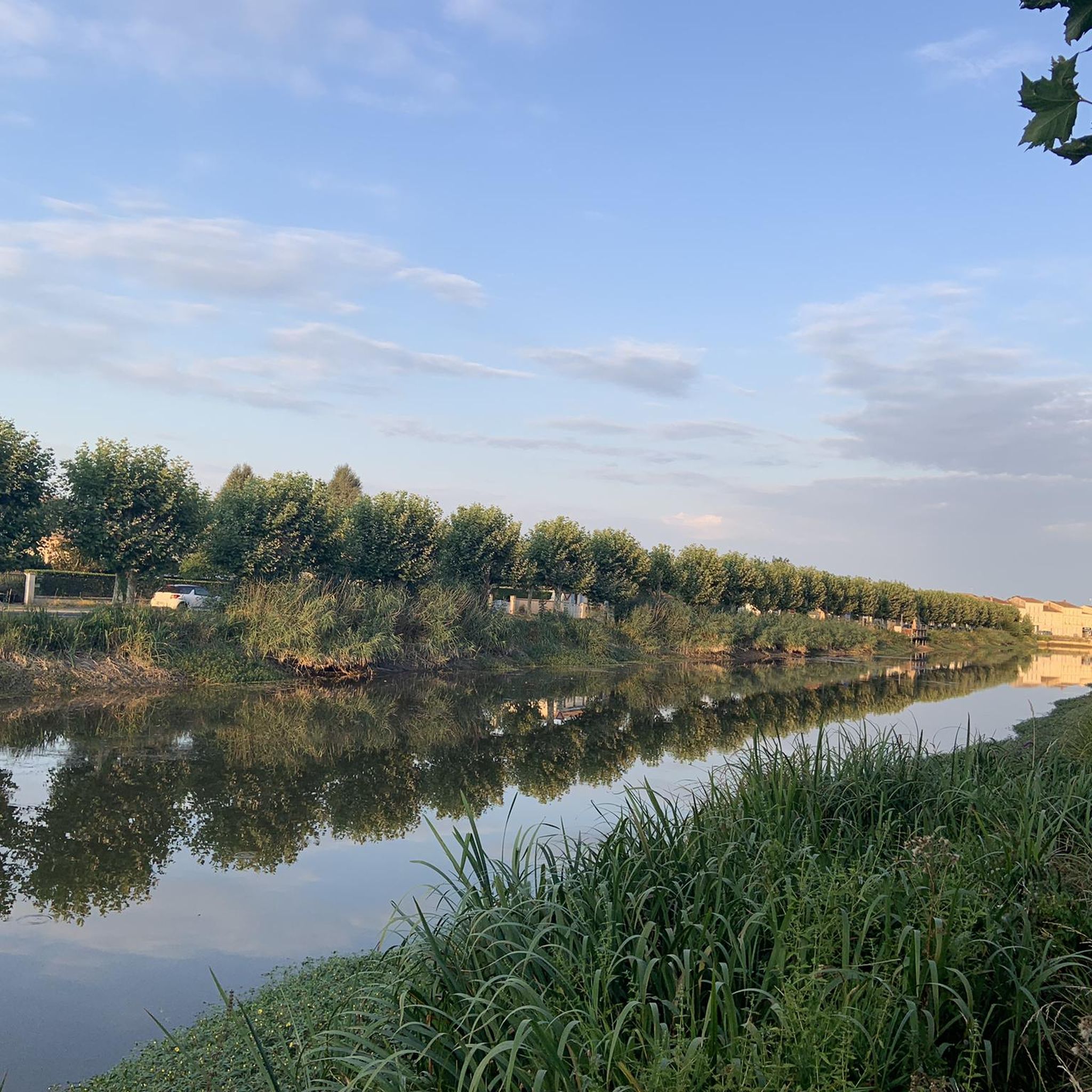
Road cycling routes around Corme-Écluse traverse a gently undulating agricultural plateau, characterized by extensive fields, valleys, and interspersed forests. The region is influenced by the tranquil Seudre River, offering waterside sections and lush environments. These varied landscapes provide a diverse backdrop for road cyclists, ranging from open vistas to shaded paths.
Best road cycling routes around Corme-Écluse
- The most popular road cycling route is Regulus Caves – Church of Arces loop from Grézac, a 32.7 miles (52.5 km) trail…
Last updated: July 3, 2026
4.0
(2)
35
riders
99.8km
04:12
490m
490m
Moderate road ride. Good fitness required. Mostly well-paved surfaces and easy to ride.
5.0
(1)
58
riders
52.2km
02:11
330m
330m
Moderate road ride. Good fitness required. Mostly well-paved surfaces and easy to ride.

Sign up for free
12
riders
50.9km
02:02
190m
190m
Moderate road ride. Good fitness required. Mostly well-paved surfaces and easy to ride.
1.0
(1)
11
riders
87.6km
03:36
250m
250m
Moderate road ride. Good fitness required. Some segments of this route may be unpaved and difficult to ride.
6
riders
47.8km
01:55
190m
190m
Easy road ride. Great for any fitness level. Mostly well-paved surfaces and easy to ride.
Get access to more routes and recommendations from other explorers.
Sign up for free
Already have an account?
Our route recommendations are based on thousands of hikes, rides, and runs completed by other people on komoot.
Start today with a free account
Your next adventure awaits.
Login or Signup

Tips from the Community

Built from 1955 and consecrated in 1958, the Notre-Dame de Royan church symbolizes the city standing tall and proud again. The reinforced concrete monument thus fits into the general trend of renewal in sacred art after the sad events the world experienced in the 1940s. It is considered today as a feat and a masterpiece of modern architecture. "Upon entering this concrete cathedral, be silent. Here, everything is momentum, rigor, roughness, austere beauty. The twilight sings the elusive, the divine, variable and constant like the sea." ANDRÉ MALRAUX Minister of Cultural Affairs (1958-1969)
1
0

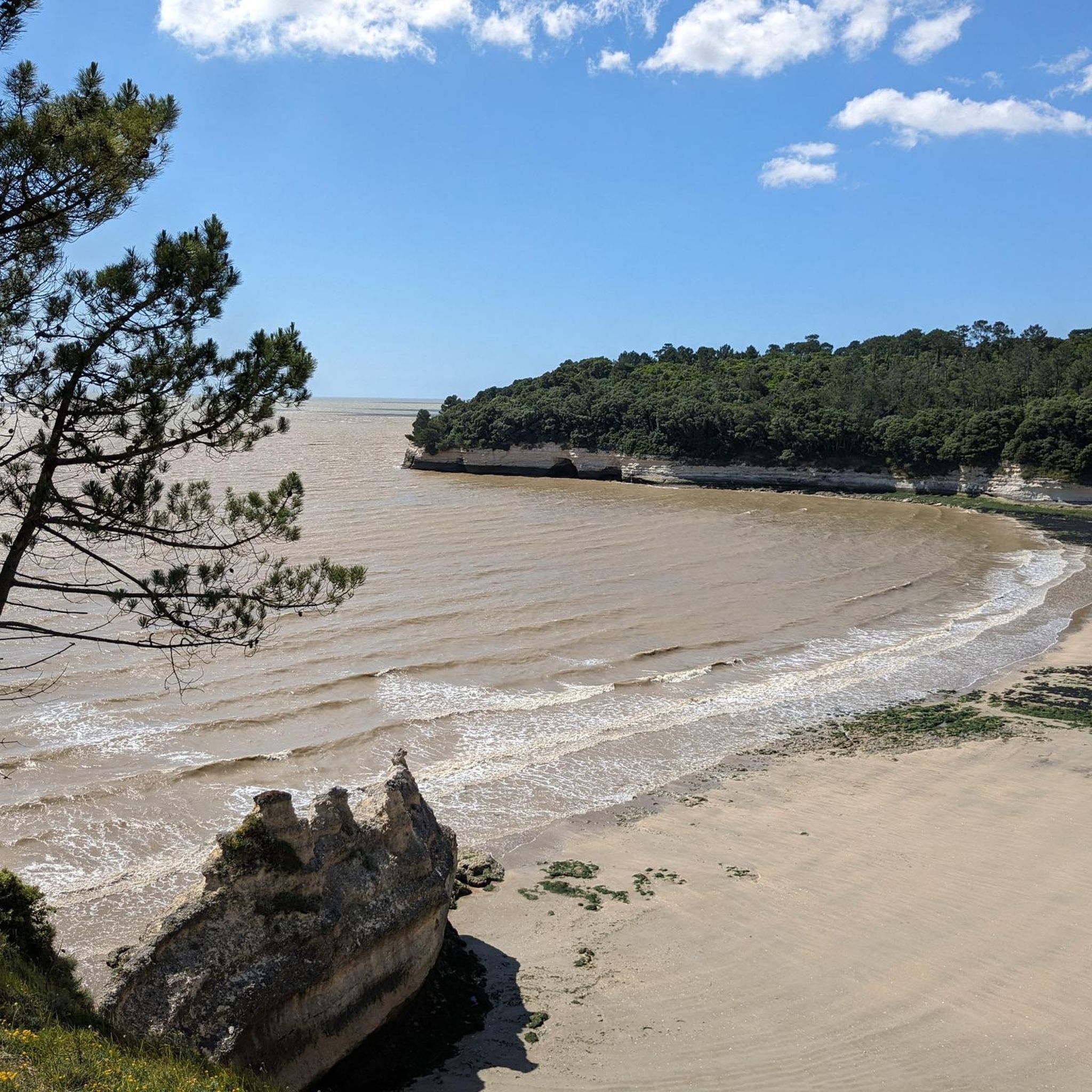
Exceptional view, the most beautiful village in France.
0
0

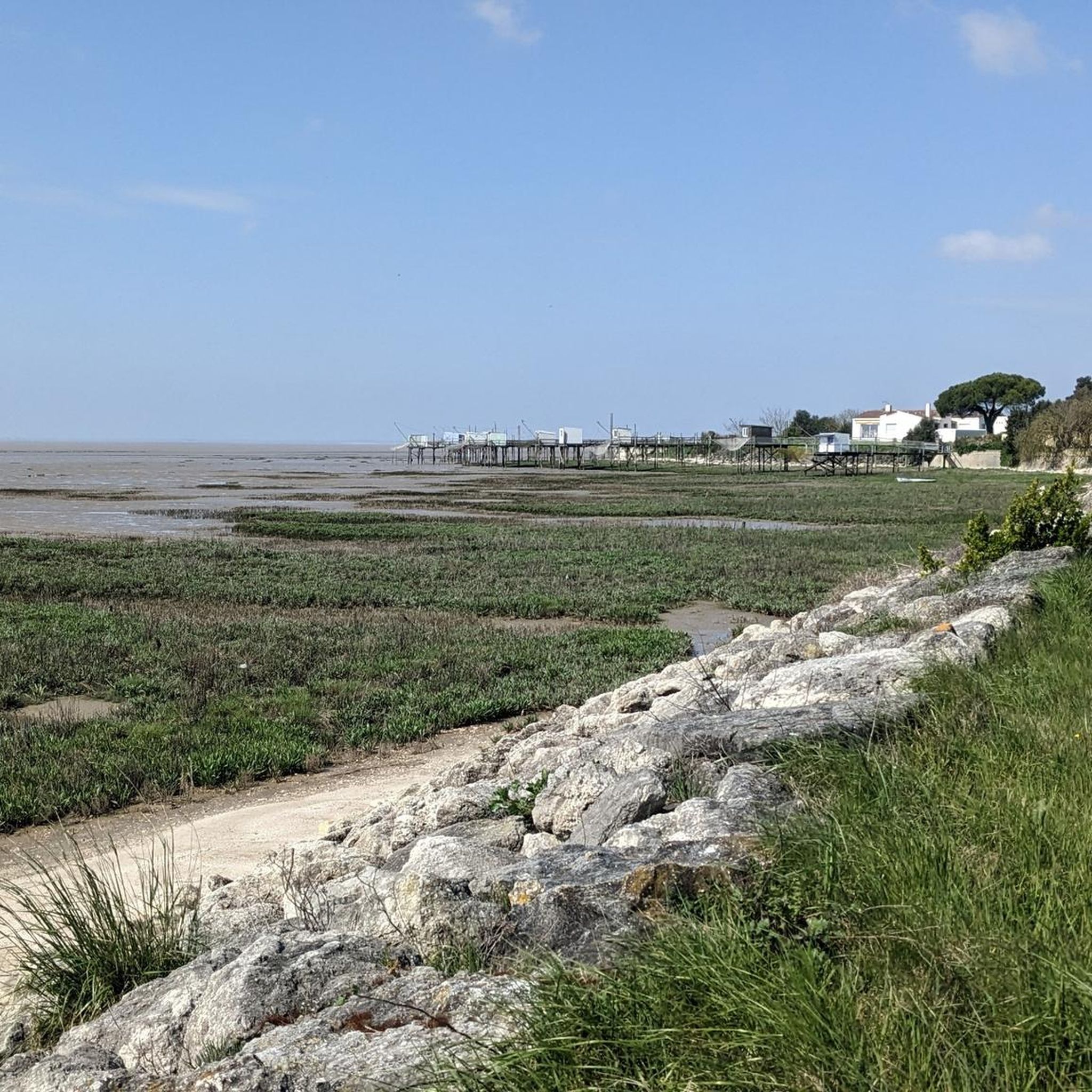
Perfect beachside bike trail along the boulevard, with several rest stops with seating and beach acces.
0
0

The church suffered little damage during the Hundred Years' War and the Wars of Religion. From the end of the 18th century, maintenance work was undertaken mainly inside the church. In 1822, the reconstruction of the bell tower framework began, followed in 1852 by the restoration of the west facade. A further restoration took place around 1860, and the sacristy was enlarged by the construction of a semicircular annex extending the Romanesque apse. Beginning in 1880, a roof repair campaign began, and a new belfry was installed in the bell tower. From 1890 to 1900, the cemetery surrounding the church was moved to the "Fief des Rentes," and the former burial site was transformed into a public square. Starting in 1926, the choir roof was replaced and the bell tower was made watertight. In 1971, the work program included the renovation of the exterior walls, the demolition of the false apse and the sacristy that concealed the apse of the south transept. In 1990, the main door was replaced with oak leaves, the stones were repointed, and the collapsed arch keystone was reinstalled. In the 2000s, the municipality repaired the mechanism of the two belfry bells, and the building was illuminated and maintenance work was carried out.
0
0
The Church of Our Lady of Corme-Écluse, the seat of a former Benedictine priory of the Abbey of the Ladies of Saintes, was donated around 1104 by Ramnulfus Focaudi (Bishop of Saintes between 1083 and 1106) to the Royal Abbey of Saint-Jean-d'Angély "so that he might always enjoy it and possess it in perpetuity." This abbey was thus responsible for the reconstruction of the sanctuary in the mid-12th century in the Romanesque style. A plaque affixed to the south wall of the nave contains a few historical snippets, still legible: 1200, the Benedictines completed the construction and adorned the church with an oak statue of the Blessed Virgin; 1327, the Abbot of Saint-Jean-d'Angely and an envoy of Pope John XXII prayed before the venerated image; In 1628, a pilgrimage was established to venerate the statue; In 1733, the statue was mutilated. The desecrator was punished. The church's plan is a slightly asymmetrical Latin cross (the north arm of the transept is longer than the south arm). The nave consists of two bays covered by pointed barrel vaults. It is lit by three symbolic windows rebuilt in the 13th century. A transverse arch separates the nave from the transept, whose crossing, under the bell tower, is covered by a cupola on squinches. The south arm of the transept opens onto an apse with a semi-dome vault. However, the north arm, rebuilt in the 17th century in the Romanesque style, is slightly longer than the south arm, and is designed on a rectangular plan without an apse. This arm has a portal with columns and toric rollers. After passing the triumphal arch, the choir begins with a straight bay covered with a semi-circular barrel vault and ends with a semi-circular vaulted arch.
0
0
Upon arriving in Corme-Écluse, it's only natural to stop at the church square, the heart of the Cormillon village. On this square, facing the town hall, stands the Church of Notre-Dame. Walk around it to admire the architectural details characteristic of the 12th-century Saintonge Romanesque style. The church was the seat of a former Benedictine priory of the Abbey of the Ladies of Saintes. The sculpted decoration of the Abbey of the Ladies certainly inspired that of the church of Corme-Écluse. This was often the case; mother abbeys were taken as examples by the priories that depended on them in terms of architecture and sculpture. In some cases, it is even assumed that the sponsors, artists, or craftsmen were the same people or at least from the same circle, sometimes descendants. Since the 13th century, the monument has been the destination of numerous pilgrimages that continue to this day. The pilgrimage takes place on the third Sunday of July in the convent gardens, followed by a procession to the Church of Our Lady.
0
0
There is no information on the WEB concerning the history of this church. According to the elders of the commune, this church dates back to the 12th century. According to the deliberations of the municipal council of the commune: - the church was rebuilt over the period from 1800 to 1847 following a fire. - the sacristy was enlarged in 1864 The church contains magnificent wooden statues and is adorned with multi-colored stained glass windows with geometric shapes.
0
0

On the beach of Royan (20,000 inhabitants). This is where the boat that takes you across the Gironde docks/departs.
0
0
Frequently Asked Questions
How many road cycling routes are available around Corme-Écluse?
There are over 140 road cycling routes around Corme-Écluse, catering to various skill levels. This includes 46 easy routes, 90 moderate routes, and 4 more challenging options.
What kind of terrain can I expect on road cycling routes in Corme-Écluse?
The region features a gently undulating agricultural plateau with extensive fields, valleys, and interspersed forests. Many routes also follow the tranquil Seudre River, offering waterside sections and lush environments. The terrain is generally well-suited for road bikes, with varied landscapes from open vistas to shaded paths.
Are there any family-friendly road cycling routes in Corme-Écluse?
Yes, Corme-Écluse offers 46 easy road cycling routes, many of which are suitable for families looking for a relaxed ride. These routes typically feature gentle gradients and allow for a slower pace to appreciate the rural surroundings.
What are some notable landmarks or attractions I can see while cycling around Corme-Écluse?
Cyclists can discover several points of interest. The village itself boasts the 12th-century Romanesque Church of Notre-Dame. Routes often pass through charming countryside, and you might encounter attractions like the Grottes de Matata or the Caillaud cliff at Talmont sur Gironde. For a unique experience, consider visiting Suzac Forest.
What do other road cyclists enjoy most about the routes in Corme-Écluse?
The road cycling routes in Corme-Écluse are highly rated by the komoot community, with an average score of 4.1 stars from over 50 reviews. Cyclists often praise the varied terrain, the peaceful agricultural landscapes, and the charming villages encountered along the way. Over 1,300 road cyclists have used komoot to explore this region.
Are there any circular road cycling routes available?
Yes, many of the road cycling routes around Corme-Écluse are designed as loops. For example, the Pisany Market Halls – St Romain de Benet Church loop from Le Chay is a moderate 51.2 km path exploring agricultural lands and villages. Another option is the St Romain de Benet Church – Pisany Market Halls loop from Grézac, an easy 44.9 km route through fields and gentle valleys.
Where can I find parking for road cycling in Corme-Écluse?
Corme-Écluse is a rural commune, and parking is generally available in the village center or near local amenities. For specific starting points of routes, it's advisable to check the individual tour details on komoot, as many routes begin from villages like Grézac or Le Chay, which offer local parking options.
What is the best time of year to go road cycling in Corme-Écluse?
The region's climate makes spring and autumn particularly pleasant for road cycling, with milder temperatures and beautiful scenery. Summer can also be enjoyable, especially when routes pass through forested areas like Suzac Forest, offering shaded sections. The gently undulating terrain is generally accessible year-round, though checking local weather conditions is always recommended.
Are there any longer-distance cycling networks accessible from Corme-Écluse?
Yes, Corme-Écluse is located in the broader Royan Atlantique area, which is part of a larger regional cycling network. The renowned Vélodyssée, a long-distance route spanning over 1,200 kilometers along the Atlantic coast, passes through the region, offering extensive cycling opportunities and connecting to a wider network of cycle-friendly infrastructure.
Can I find routes that offer views of the Seudre River?
Absolutely. The 'soft Seudre' river gracefully traverses the area, and many road cycling routes are designed to run alongside it. These routes provide serene views and a different perspective of the countryside, often featuring lush, verdant environments characteristic of the Seudre area.
What is a good moderate road cycling route to explore the local countryside?
A popular moderate route is the Regulus Caves – Church of Arces loop from Grézac. This 52.5 km trail offers varied terrain and takes approximately 2 hours and 12 minutes to complete, providing a good exploration of the local countryside.
Are there any routes that include historical sites or charming villages?
Many routes incorporate historical sites and charming villages. For instance, the Château de Châtenet Ruins – Les Halles de Cozes loop from Grézac is an easy 47.8 km route that allows you to discover local heritage and picturesque settings.
Most popular routes around Corme-Écluse
Most popular attractions around Corme-Écluse

Get inspired with the komoot mobile app


Explore more
Browse the best Road cycling routes in other regions.
