The best walks and hikes around Chenac-Saint-Seurin-D'Uzet
4.6
(112)
1,127
hikers
67
hikes
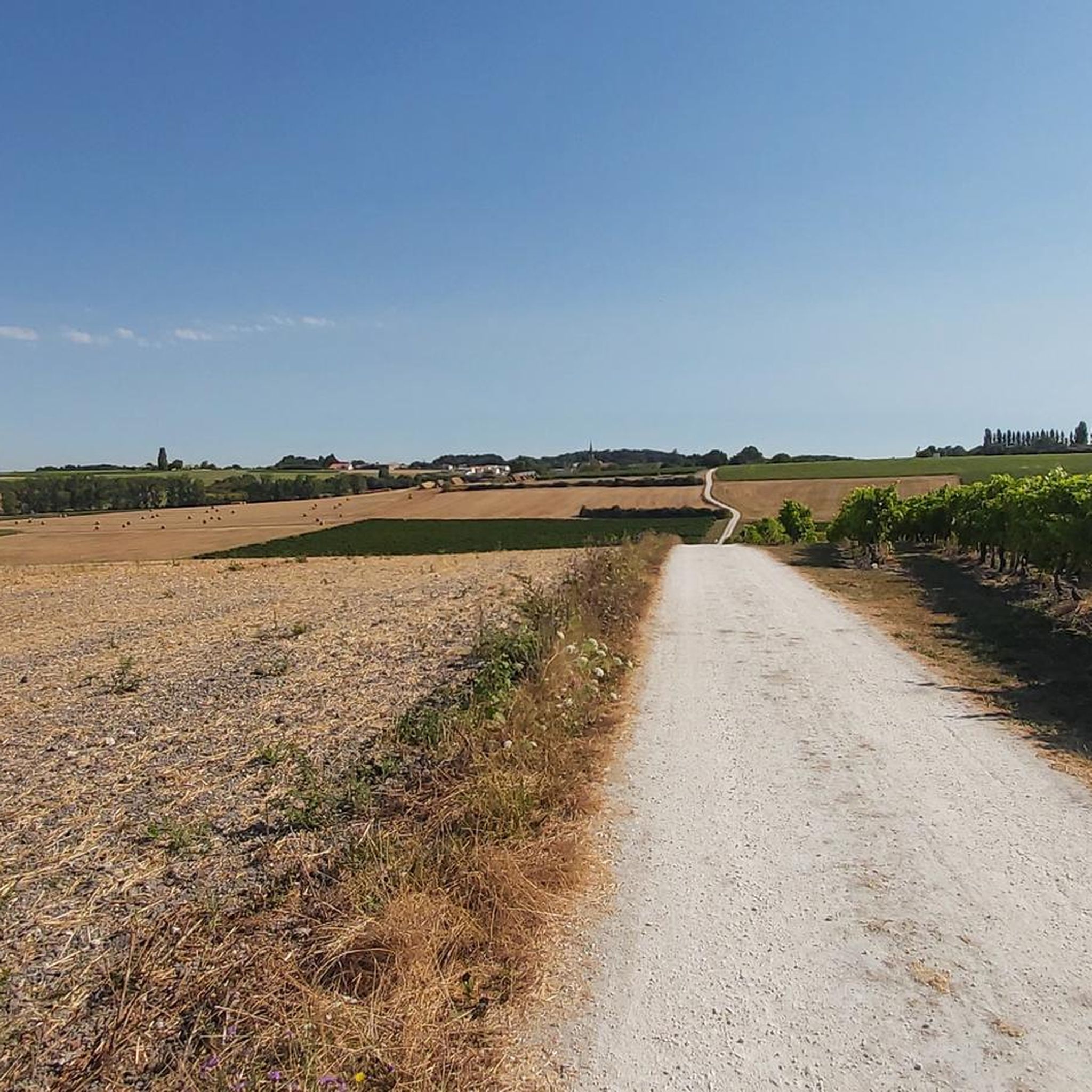
Hiking around Chenac-Saint-Seurin-D'Uzet offers diverse landscapes, transitioning from agricultural countryside and vineyards to the Gironde estuary. The region features hilly inland terrains, distinctive "dead cliffs," wet meadows, and coastal forests. This area provides varied hiking experiences across its unique estuarine environment and rolling lands.
Best hiking trails around Chenac-Saint-Seurin-D'Uzet
- The most popular hiking route is Sea view loop from Mortagne-sur-Gironde, a 2.9 miles (4.7 km) trail that takes 1 hour 13 minutes to complete, offering views of the estuary. …
Last updated: June 29, 2026
3.0
(3)
74
hikers
Easy hike. Great for any fitness level. Easily-accessible paths. Suitable for all skill levels.
4.4
(5)
27
hikers
13.1km
03:26
110m
110m
Moderate hike. Good fitness required. Easily-accessible paths. Suitable for all skill levels.

Sign up for free
5.0
(2)
18
hikers
Moderate hike. Good fitness required. Easily-accessible paths. Suitable for all skill levels.
5.0
(3)
9
hikers
11.7km
03:09
150m
150m
Moderate hike. Good fitness required. Easily-accessible paths. Suitable for all skill levels.
5.0
(1)
7
hikers
8.41km
02:14
90m
90m
Moderate hike. Good fitness required. Easily-accessible paths. Suitable for all skill levels.
Get access to more routes and recommendations from other explorers.
Sign up for free
Already have an account?
Our route recommendations are based on thousands of hikes, rides, and runs completed by other people on komoot.
Start today with a free account
Your next adventure awaits.
Login or Signup


Tips from the Community

You absolutely must follow the guided tour by this passionate and fascinating volunteer guide, photos are not allowed inside the site but it is worth the detour and the effort to climb to the top of the cliff. It is possible to bring the bikes inside the fence, so they are safe.
0
0

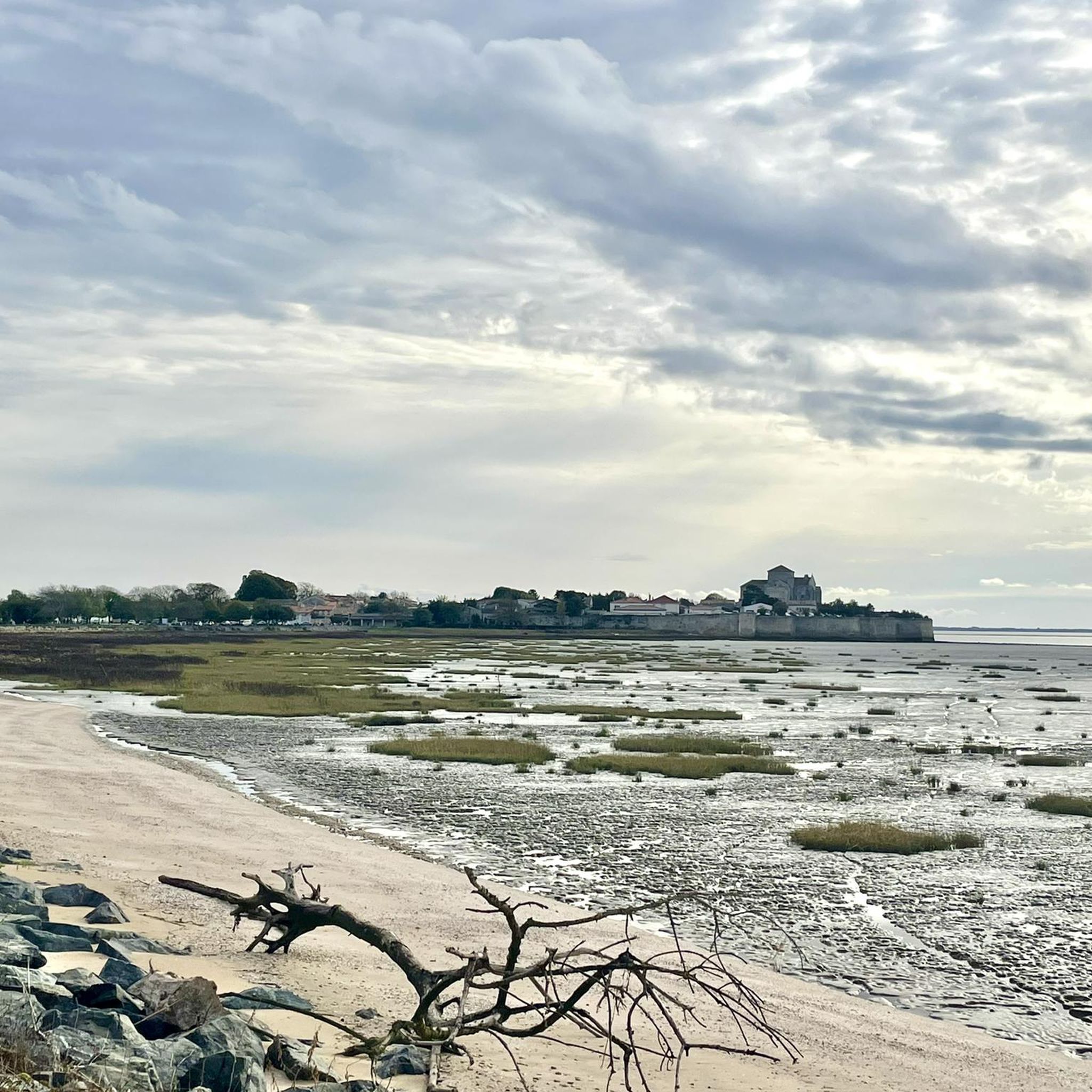
Bright limestone cliffs, small whitewashed houses, a Romanesque sandstone church, and the waters of the Gironde River far below: Talmont-sur-Gironde is a picture-perfect village. And during the peak summer season, it's a tourist magnet, as one of the most beautiful villages in France. If you don't arrive early, you'll have trouble getting through the entrance gate. The large parking lot, which has long since taken up more space than the village itself, is full until late into the evening.
0
0

A small, pedestrian-only craft village. The site is magnificent, located on the Gironde estuary.
0
0

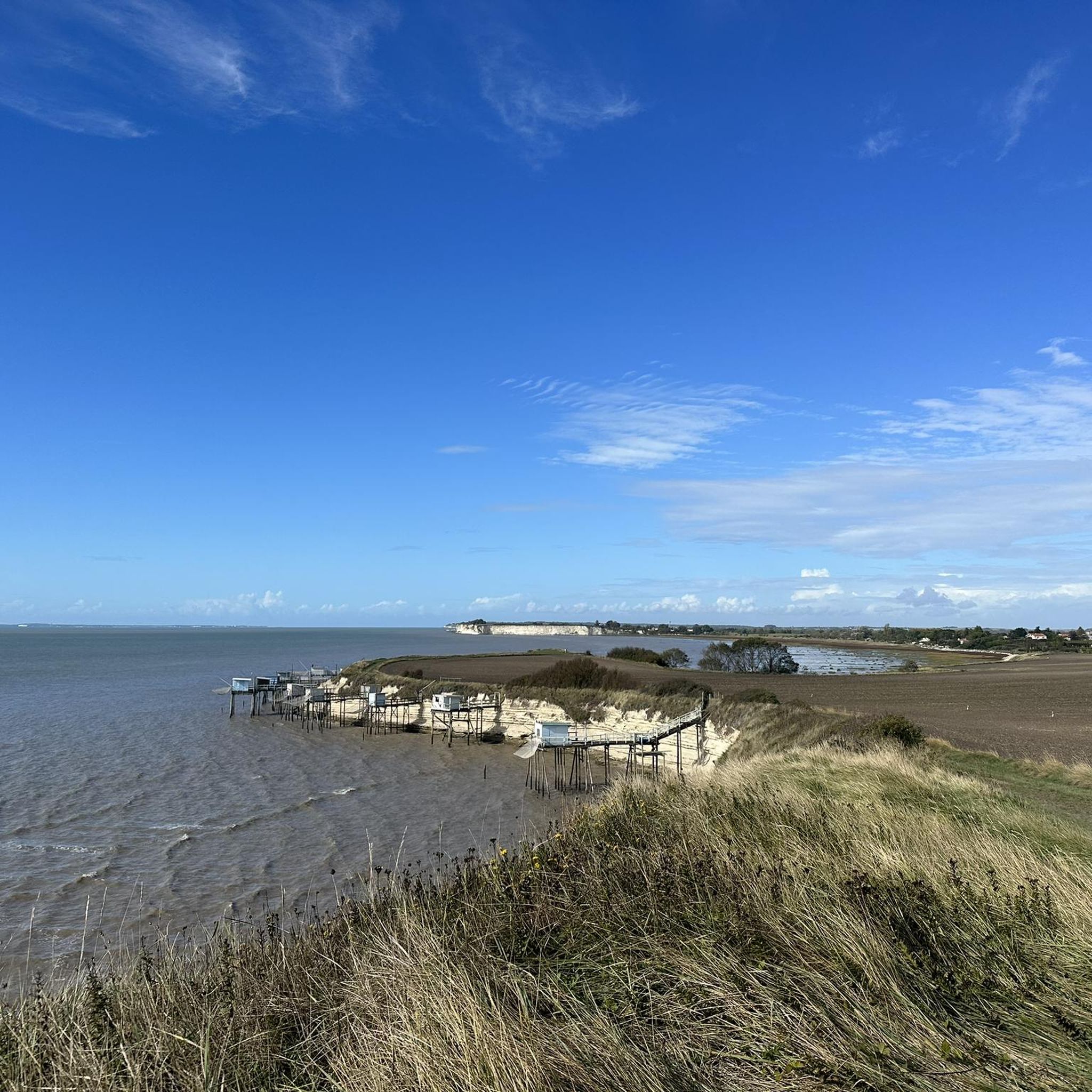
From the height of the coastal plateau the view reaches to the Gironde estuary, and the white cliffs of Pilou, with the tradition fishing huts on stilts (carelets).
1
0
Built on a cliff overlooking the Gironde estuary, the Catholic Church of Sainte-Radegonde is sometimes considered the archetype of the Saintonge Romanesque style. The view of the Gironde estuary and the surrounding rivers is spectacular.
0
0

Inside the dwelling, there is an 18th century fireplace in the room on the right, another from the Renaissance period on the ground floor of the west pavilion, and a third, in marble, from the end of the 19th century, on the upper floor of the latter. The dividing wall between the pavilion and the rest of the dwelling is very thick: it is the old exterior wall of the dwelling, before the developments of the early 20th century and the construction of the pavilion. Also inside, there is a wooden spiral staircase. The ground floor of the south-east tower is occupied by an old bathroom, with a cement bathtub built into the floor.
0
0
The dwelling consists of a main building to which are attached to the west a rectangular pavilion, a round tower in the south-east corner, and another round tower to the north. The west pavilion, made of cut stone, is covered with a high hipped roof and a turned-up eaves, in flat tiles, topped with zinc finials and highlighted by an imposing cornice with modillions. Its south facade has a span of openings, as follows: on the ground floor, a French window in a low arch, decorated with a drip edge; on the first floor, a high window with a projecting frame, mascaron, and molded sill with consoles. The south-east corner of the pavilion is a watchtower. The south-east tower, called the "Renaissance tower", is topped with a pepperpot roof and a turned-up eaves, in flat tiles, topped with a zinc finial, and highlighted by a cornice. The tower, made of cut stone, has a first bay of openings to the south, formed by two windows and topped by a pediment. The ground floor window has a simple projecting frame, to which is added, for the upper floor window, a molded support with consoles, a projecting keystone and a mascaron. The pediment is arched and broken. Its 2 volutes frame a damping. On the east side, the tower has another bay of openings, treated in the same way as the previous one, with the exception of the pediment which is here replaced by a tall chimney stack in cut stone, finished with a curved pediment. Between the west pavilion and the south-east tower, the facade of the dwelling is presented under a broken section of the roof. The facade is characterized by the symmetry created by the distribution of the openings, i.e. 5 bays on the ground floor, including the central door, and 3 pass-through windows on the upper floor. The bays on the ground floor have a projecting frame and keystone. The door also has a segmental arched lintel. Originally, it was a low segmental arched door, topped with a bull's-eye window and a cornice. The 3 pass-through windows have in common a pediment, a projecting keystone and a molded support with consoles. The keystone of the central window also has a mascaron. Cut stones protrude from the wall of the facade. At the rear of the dwelling, to the north, the 2nd round tower is topped with a flat tile roof, topped with a zinc finial. The upper part of the tower, pierced with loopholes, has a larger diameter than the lower part
0
0
The Fond fountain appears on a map of Talmont in 1706, drawn up by the engineer Claude Masse. It is described as a "fountain or soft well". In his writings accompanying his maps and plans, Masse mentions this fountain, the only source of fresh water in Talmont. The fountain then appears on the cadastral map of 1831. The pump and the drinking troughs were apparently installed in 1868. Until the establishment of the water supply, this fountain was the only source of drinking water in the commune, the wells only providing brackish water. The pumping system, initially a balance, later included a wheel. Wooden pipes distributed the water to the stamps. At the top of the pump, another pipe allowed the barrels to be filled in carts. The fountain is located in front of the Fond lodge, at the end of Rue des Porteaux, below the Caillaud hill. The fountain itself is topped with a stone aedicule, with a metal mechanism. It is surrounded by seven monolithic stone drinking troughs or "timbres".
0
0
Frequently Asked Questions
How many hiking trails are available in Chenac-Saint-Seurin-D'Uzet?
There are over 60 hiking trails around Chenac-Saint-Seurin-D'Uzet, offering a wide range of options for exploring the region's diverse landscapes.
What kind of terrain can I expect on hikes in Chenac-Saint-Seurin-D'Uzet?
The region offers a striking variety of terrain, from hilly inland landscapes with vineyards and cereal fields to the unique Gironde estuary shoreline. You'll find paths along distinctive 'dead cliffs,' through wet meadows, and within coastal forests like Forêt de Suzac and Forêt de la Lande.
Are there any easy hiking routes suitable for beginners or families?
Yes, there are plenty of easy options. For example, the Sea view loop from Mortagne-sur-Gironde is a relatively short and gentle trail offering pleasant views of the estuary. Another easy option is the shorter Saint-Étienne Church – Fountain with Basins loop from Mortagne-sur-Gironde.
What natural features or landmarks can I see along the hiking trails?
Hikers can discover several notable natural features and landmarks. The Gironde estuary itself is a constant presence, with its 'dead cliffs' and small fishing ports. The white cliffs of Pilou, adorned with traditional 'carelets,' offer picturesque views. The Chauvignac river, a classified Natura 2000 zone, is also a highlight. You can also explore the Boulevard du Marais for views of the Talmont marshes.
Are there any circular hiking routes in the area?
Yes, many routes in Chenac-Saint-Seurin-D'Uzet are designed as loops, allowing you to start and end at the same point. Examples include the Sainte-Radegonde Church – View of the La Roche cliff loop from Barzan and the View of the La Roche cliff – View of the coastline loop from Barzan.
What kind of wildlife might I encounter while hiking?
The region's diverse ecosystems, particularly around the Chauvignac river and the marshes, support a variety of wildlife. You might spot storks, wild sheep, wild boar, roe deer, and woodcock, especially in quieter areas.
What do other hikers say about the trails in Chenac-Saint-Seurin-D'Uzet?
The hiking routes in Chenac-Saint-Seurin-D'Uzet are highly rated by the komoot community, with an average score of 4.7 stars from over 100 reviews. Hikers often praise the varied terrain, scenic estuary views, and the well-maintained paths that cater to different ability levels.
Are there any historical or cultural attractions near the hiking paths?
Absolutely. The Grottes de Matata, a system of troglodyte caves with a museum, offers historical context. The Sainte-Radegonde Church, an archetypal Saintonge Romanesque church, provides stunning views from its cliff-top location. Nearby medieval villages like Talmont-sur-Gironde also offer charming streets and ancient architecture.
Is it possible to find amenities like cafes or restaurants near the trails?
While specific trailside amenities vary, the small fishing ports and nearby villages like Mortagne-sur-Gironde and Talmont-sur-Gironde offer cafes, restaurants, and other services where you can refresh after your hike.
What is the best time of year to go hiking in Chenac-Saint-Seurin-D'Uzet?
The region is enjoyable for hiking throughout much of the year. Spring and autumn offer pleasant temperatures and vibrant natural colors, while summer provides longer daylight hours for exploration. Even in winter, the coastal paths and forests can be beautiful, though some wet meadows might be marshier.
Are there any specific viewpoints that offer panoramic views of the estuary?
Yes, several spots provide excellent views. The Sainte-Radegonde Church, perched on a cliff, offers spectacular panoramas of the Gironde estuary. The Boulevard du Marais also provides magnificent views of the coast and the Talmont marshes. Additionally, the white cliffs of Pilou are known for their picturesque vistas.
Most popular routes around Chenac-Saint-Seurin-D'Uzet
Most popular attractions around Chenac-Saint-Seurin-D'Uzet

Get inspired with the komoot mobile app


Explore more
Browse the best Hikes in other regions.
