The best walks and hikes around Chillac
4.8
(141)
780
hikers
27
hikes
Hiking around Chillac offers diverse landscapes, characterized by former kaolin quarries forming the distinctive Lacs Bleus, surrounded by pine and oak forests. The region features varied terrain, including shaded woodland paths, open moorland, and gentle inclines. Elevation changes are generally modest, with most routes remaining under 200 meters. This area provides a blend of natural beauty and accessible trails suitable for various hiking preferences.
Best hiking trails around Chillac
- The most popular hiking route is Les Lacs bleus loop from…
Last updated: June 29, 2026
4.4
(29)
228
hikers
3.68km
01:00
50m
50m
Easy hike. Great for any fitness level. Easily-accessible paths. Suitable for all skill levels.
4.9
(11)
34
hikers
7.78km
02:06
100m
100m
Moderate hike. Good fitness required. Easily-accessible paths. Suitable for all skill levels.

Sign up for free
4.5
(4)
10
hikers
Moderate hike. Good fitness required. Easily-accessible paths. Suitable for all skill levels.
4
hikers
28.4km
07:42
390m
390m
Hard hike. Very good fitness required. Easily-accessible paths. Suitable for all skill levels.
5.0
(1)
3
hikers
10.6km
02:55
170m
170m
Moderate hike. Good fitness required. Easily-accessible paths. Suitable for all skill levels.
Get access to more routes and recommendations from other explorers.
Sign up for free
Already have an account?
Our route recommendations are based on thousands of hikes, rides, and runs completed by other people on komoot.
Start today with a free account
Your next adventure awaits.
Login or Signup


Tips from the Community

Magnificent with the change of weather between morning and afternoon, change of colors
0
0

Artificial natural site formed by the exploitation of a clay quarry
2
0

Is a beautiful building, where rooms are available for rent. Le Chatelard has five charming guest rooms, which immerse you in a rustic and relaxing atmosphere. In the morning, a hearty breakfast is served in the dining room.
0
0

Le Châtelar is a castle which has been remodeled several times. The current buildings date from the end of the 19th century.
0
0
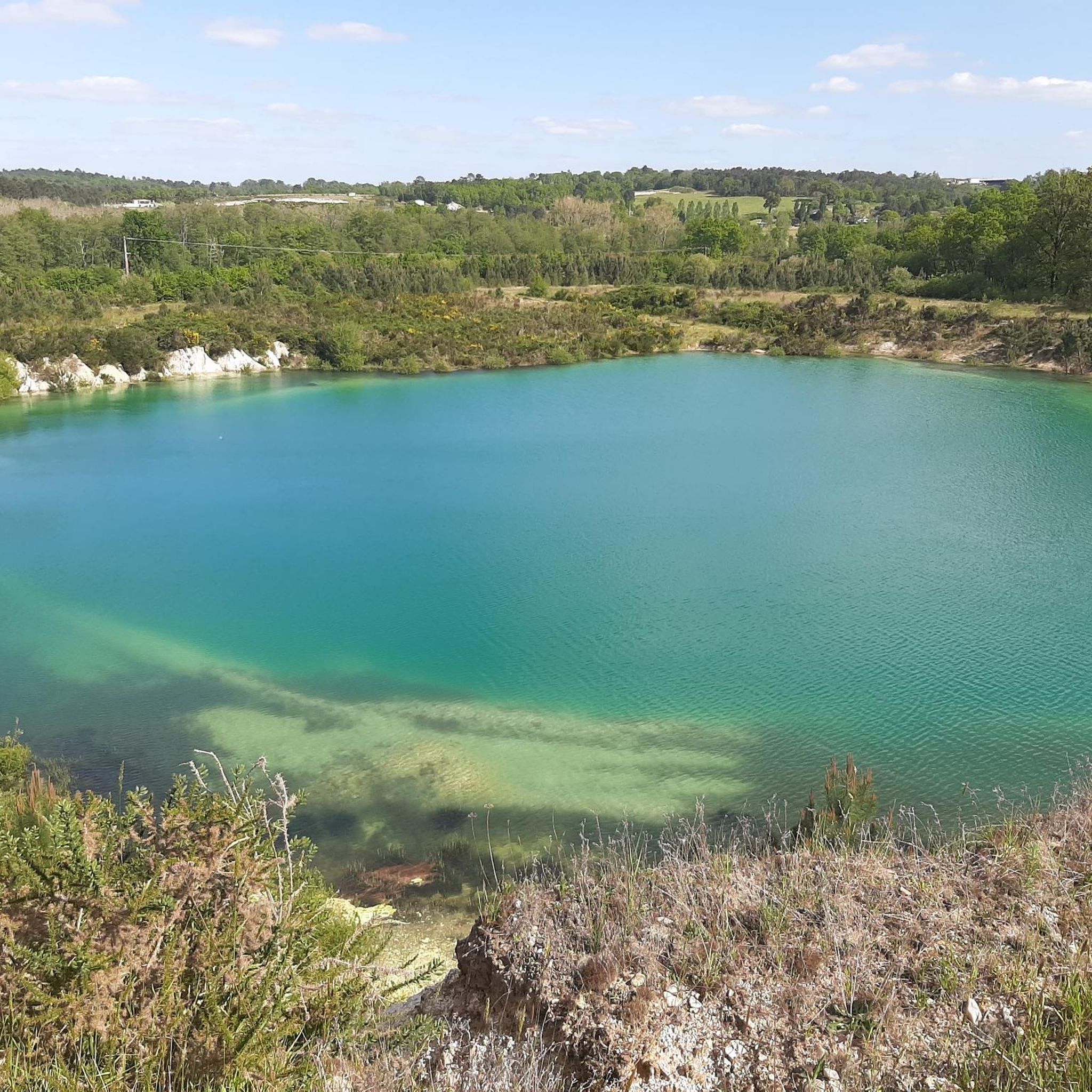
The trail offers a beautiful view of the blue lake of Guizengard. The water takes on a thousand azure hues, creating an almost unreal setting. The site has great ecological value with the presence of numerous plant and animal species. Among the most remarkable, the bee-eater, this beautiful, brightly colored bird has found refuge here to the delight of walkers.
0
0

Church built in the 12th century, having subsequently suffered from wars, in particular that of the Hundred Years. Restored in the 15th century. Single nave plan, ending with a straight apse. The nave is divided into three bays. The walls have large arches resting on very wide pilasters. Ribbed brick vaults were built in 1881 and rest on round columns. The transept is slightly wider. Cupola on pendants. A wall separates the used part of the building from the old chancel, which had three bays of 15th century ribbed vaults. These were destroyed. The bedside wall is straight and lit by three windows. The western facade opens with a semicircular portal with three arches and circular columns of primitive appearance, and is decorated with two blind doors. Two heads adorn the tympanum of the south blind door. The triangular gable has been truncated and ends in a modern campanile. The north side retains the square tower of the old 15th century bell tower.
0
0
Between 1975 and 2013, the exploitation of white clay by humans dramatically changed this forest environment. At the origin of this supernatural landscape, this old kaolin quarry produced a beautiful white earth intended for the manufacture of porcelain, tiles, bricks, and cosmetic and pharmaceutical products. To extract and process the kaolin, operators moved thousands of cubic meters of material by digging up to 40 meters deep. After the end of the industrial exploitation of white clay, the vegetation regained its rights and this huge open-air quarry filled with rainwater, giving rise to a deep artificial lake. This new environment is still very young and the acidity of the soils of the different geological layers prevents any development of aquatic life in the lake (algae, fish, amphibians). The water is crystal clear, transparent, and has no suspended matter that can absorb light. This is fully reflected in the lake which thus sports a shades of blue, from turquoise to azure blue, to the delight of walkers and nature lovers. Two trails allow you to discover this disconcertingly beautiful site: the Grand Bois du Marais circuit and the Guêpiers circuit.
1
0
Frequently Asked Questions
How many hiking trails are available around Chillac?
Chillac offers a diverse selection of nearly 30 hiking trails. These routes cater to various skill levels, with 13 easy, 14 moderate, and 2 difficult options available for exploration.
What are the main natural features I can expect to see on hikes in Chillac?
The primary natural attraction is the stunning Lacs Bleus de Guizengeard, known for their intensely turquoise waters formed from former kaolin quarries. Trails also wind through extensive pine and oak forests, open moorland, and golden cliffs, offering varied landscapes. You can find more information about the lakes on Ouest-France and Sud Charente Tourisme.
Are there any family-friendly hiking options in Chillac?
Yes, Chillac has several easy trails suitable for families. Many routes around the Lacs Bleus, such as the Les Lacs bleus loop from Guizengeard, are relatively short and have modest elevation changes, making them enjoyable for all ages. The 'Sentier de l'argile' (Clay Discovery Trail) is also designed for easy exploration.
Can I bring my dog on the hiking trails in Chillac?
Generally, the natural areas around Chillac, including the Lacs Bleus, are welcoming to dogs. However, it's always recommended to keep dogs on a leash, especially in areas with wildlife or near water bodies, and to check specific signage for any local restrictions.
What kind of terrain will I encounter on the trails?
The terrain around Chillac is quite varied. You'll find shaded forest paths, open moorland with heather and gorse, and gentle paths around the lakes. Elevation changes are generally modest, with most routes staying under 200 meters, making for accessible walks.
Are there any historical or cultural landmarks to explore near the hiking routes?
Absolutely. You can visit the historic Saint-Sulpice Church in Chillac. Other nearby attractions include the Notre-Dame-de-la-Nativité Church of Brossac and the Saint-Sulpice Church in Chillac loop offers a moderate 10.2 km hike that incorporates local history.
What do other hikers enjoy most about hiking in Chillac?
The area is highly rated by the komoot community, with an average score of 4.7 stars from over 120 reviews. Reviewers often praise the unique turquoise waters of the Lacs Bleus, the tranquility of the forest paths, and the well-maintained trails that offer diverse scenery.
Are there any circular hiking routes available?
Yes, many of the trails around Chillac are circular, allowing for convenient exploration without retracing your steps. For example, the Les Lacs bleus – Blue Ponds of Guizengeard loop from Guizengeard is a popular moderate 8.0 km circular route.
What is the best time of year to go hiking in Chillac?
The region is enjoyable for hiking throughout much of the year. Spring and autumn offer pleasant temperatures and vibrant colors, while summer provides warm weather for exploring the lakes and shaded forests. The unique colors of the Lacs Bleus are striking in any season.
Are there any longer, more challenging hikes for experienced trekkers?
While many routes are easy to moderate, there are options for more experienced hikers. The Château le Châtelar in Passirac – Les Lacs bleus loop from Brossac is a difficult 29.5 km trail, offering a substantial challenge and a longer exploration of the region's diverse landscapes.
Are there any specific viewpoints or scenic spots I should look out for?
The trails around the Lacs Bleus offer numerous panoramic views of the vibrant blue waters and surrounding golden cliffs. Keep an eye out for the View of one of the Guizengeard ponds, which provides a particularly stunning perspective of the unique landscape.
Is public transport available to reach the hiking trails in Chillac?
While Chillac is a rural area, public transport options might be limited directly to trailheads. It is generally advisable to plan for personal transportation or check local bus schedules for connections to nearby towns, from which you might access some routes.
Where can I find parking near the hiking areas?
Parking is typically available near popular trailheads, especially around the Lacs Bleus de Guizengeard. Look for designated parking areas at key access points to the trails. For routes like the Blue Ponds of Guizengeard – Les Lacs bleus loop from Guizengeard, starting points often have convenient parking facilities.
Most popular attractions around Chillac

Get inspired with the komoot mobile app


Explore more
Browse the best Hikes in other regions.
