Attractions and Places To See around Saint-Pancrace - Top 20
Attractions and places to see around Saint-Pancrace, situated in the Auvergne-Rhône-Alpes region of France, encompass a variety of historical sites and natural landscapes. The area is known for its mountainous terrain, offering opportunities for outdoor activities. Visitors can explore significant landmarks and experience the local culture. This region provides a diverse environment for discovery.
Best attractions and places to see around Saint-Pancrace
- The most popular attraction is Montvernier Hairpins, a climb that is a highest point in the French…
Last updated: May 21, 2026
Montvernier Hairpins
Highlight (Segment) • Climb
Translated by Google •
Tip by

Col du Chaussy
Highlight • Mountain Pass
Translated by Google •
Tip by

Sign up now to discover places like this
Get recommendations on the best single tracks, peaks, & plenty of other exciting outdoor places.
Sign up for free
Chalet at Col du Glandon
Highlight • Other
Translated by Google •
Tip by

Col de la Croix de Fer
Highlight • Mountain Pass
Translated by Google •
Tip by
Mollard Pass
Highlight • Mountain Pass
Translated by Google •
Tip by

Sign up for free to discover even more attractions around Saint-Pancrace.
Sign up for free
Already have an account?
Start today with a free account
Your next adventure awaits.
Login or Signup


Tips from the Community


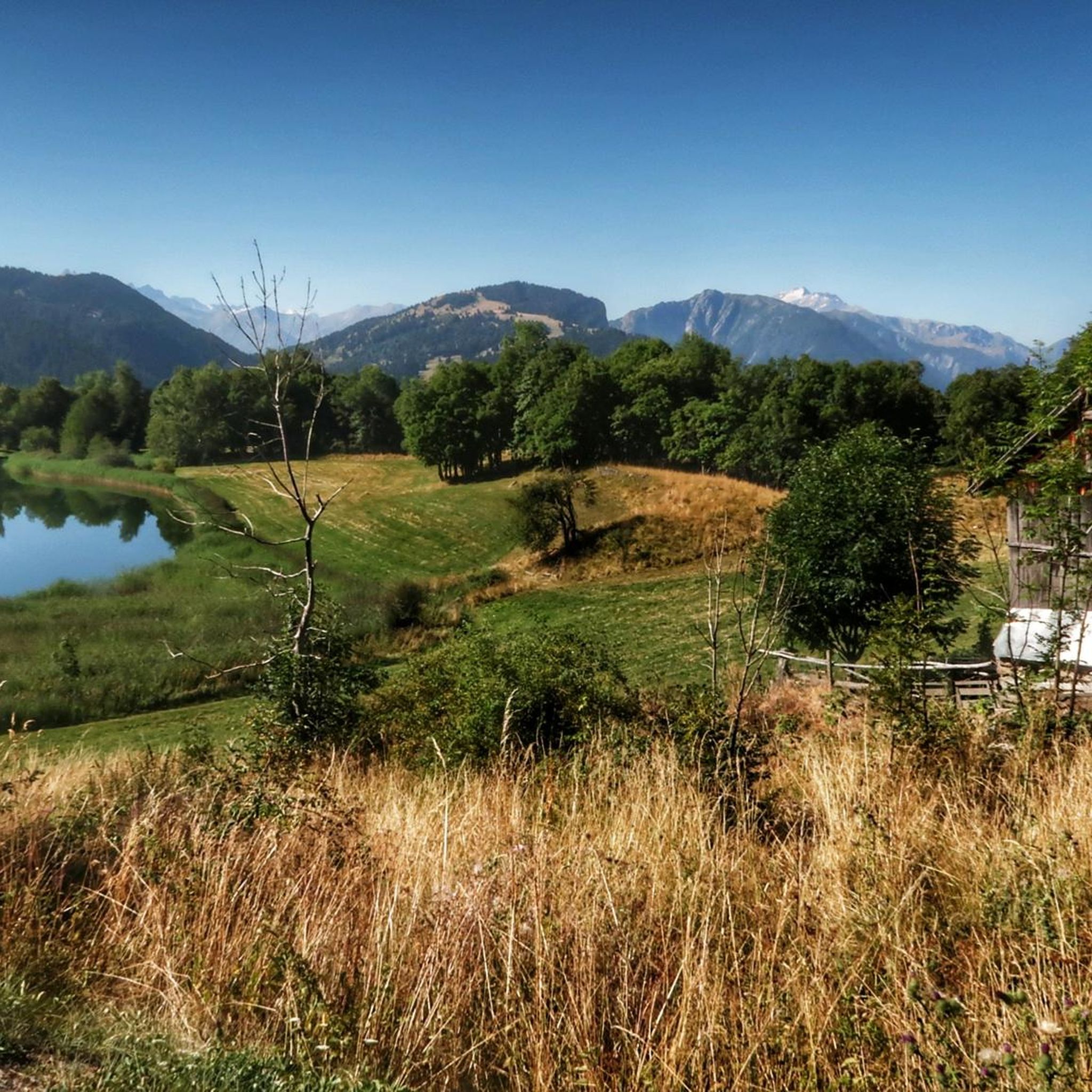
The views at the top of this pass are definitely worth the detour 👍
0
0

Bring gear for the descent to protect against the cold or rain, as was the case for me on the descent from the Croix de Fer. And above all, refill your water bottles in St. Jean de Maurienne because there's no water left before Saint-Sorlin-d'Arves (at least I didn't see any water points) and the climb is very long, about 30 km, to reach the Croix de Fer!
1
0

It's worth taking a break here.
0
0

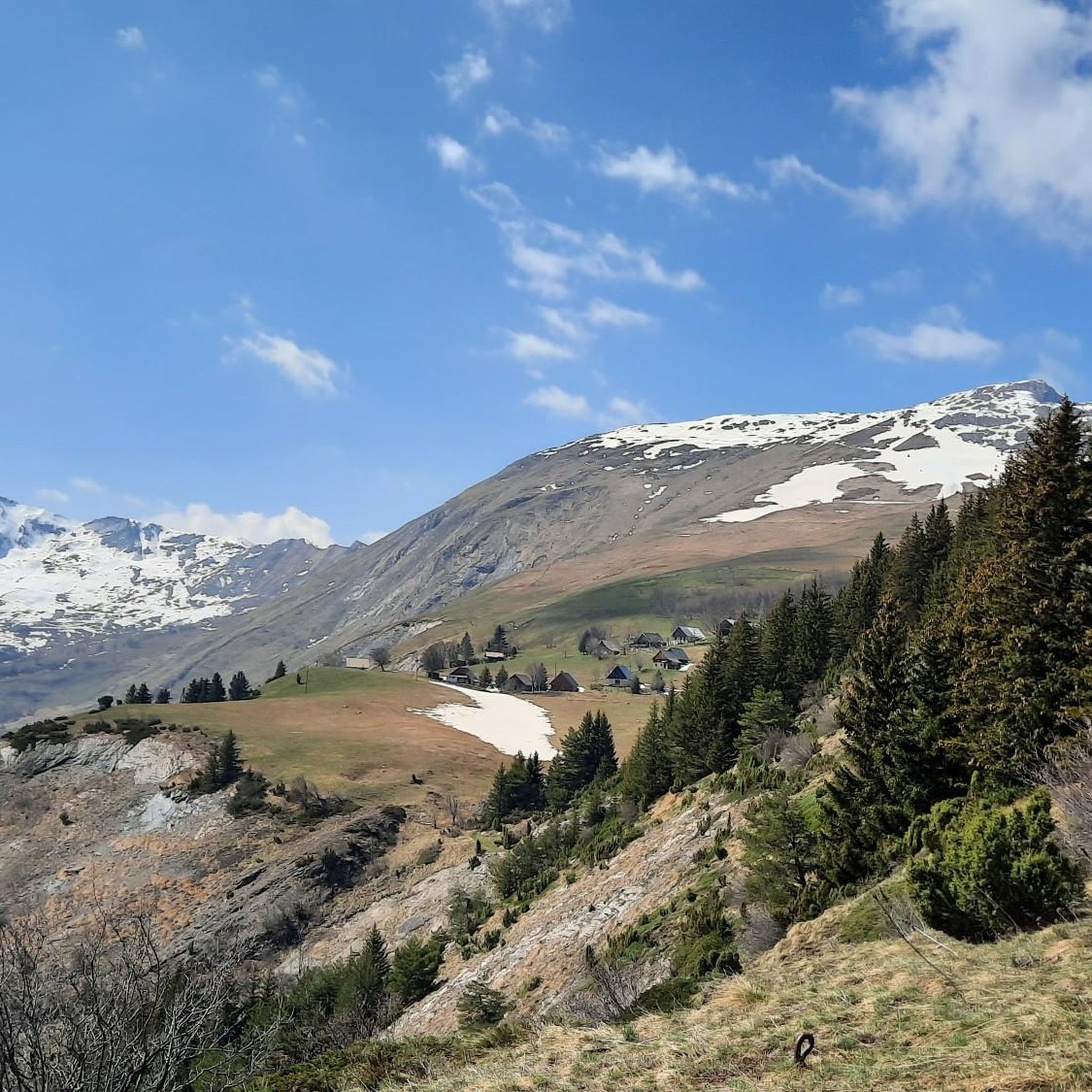
The Col de la Croix de Fer culminates at an altitude of 2063 meters. It is the big neighbor of the Col du Glandon, another crossing point between the Maurienne and Oisans valleys. The Tour de France has used this pass 21 times. It is one of the most beautiful in France, a must-visit point for any mountain-loving cyclist!
1
0

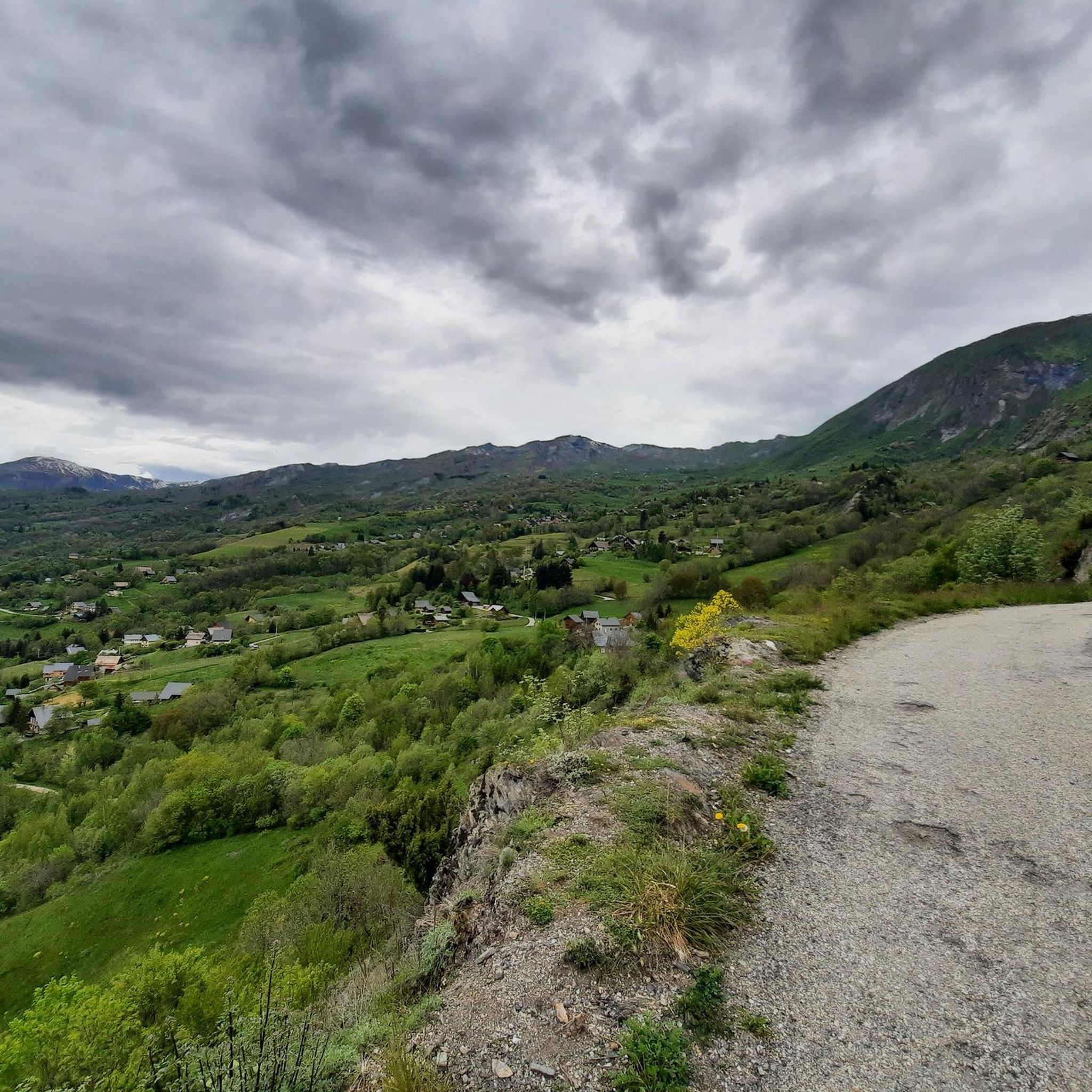
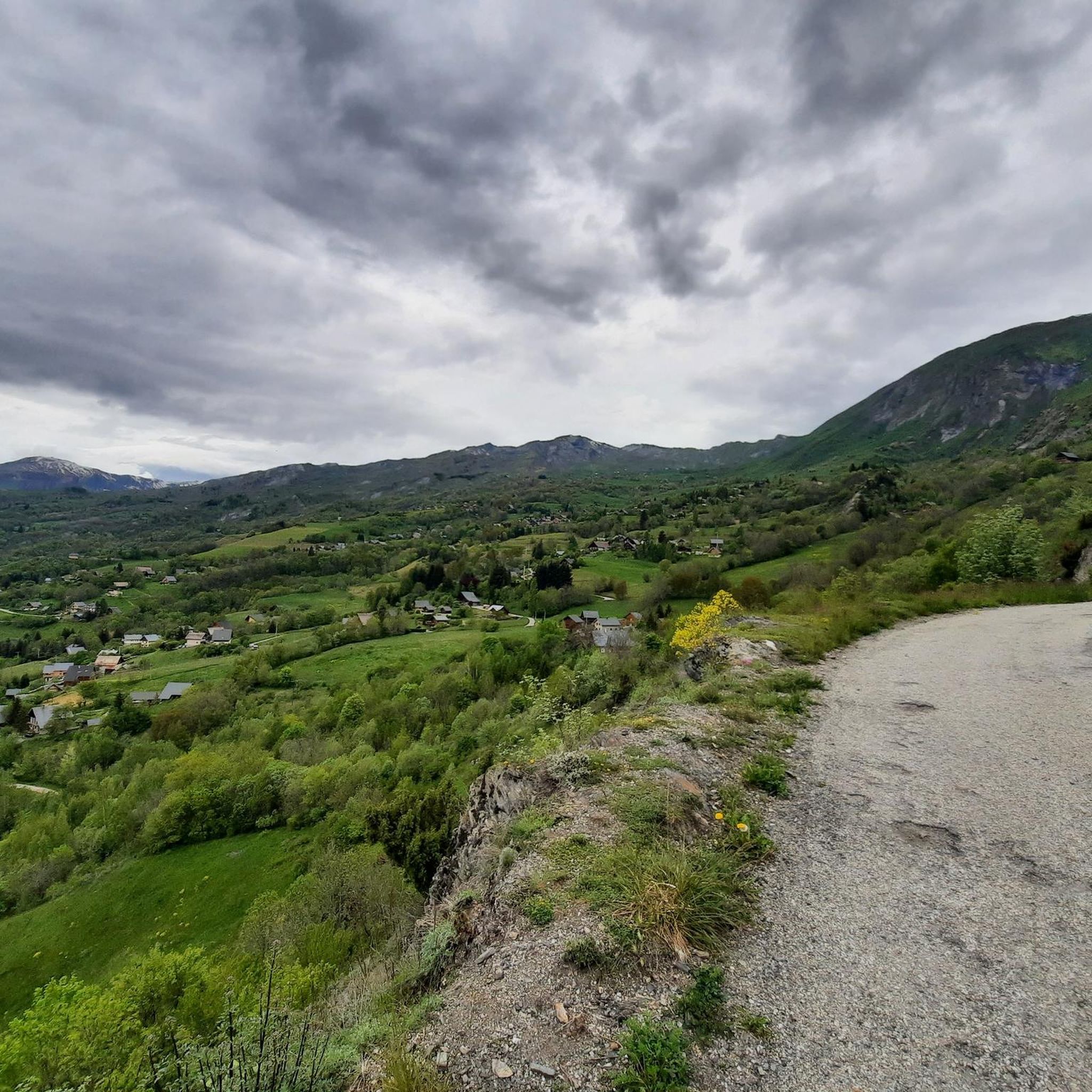
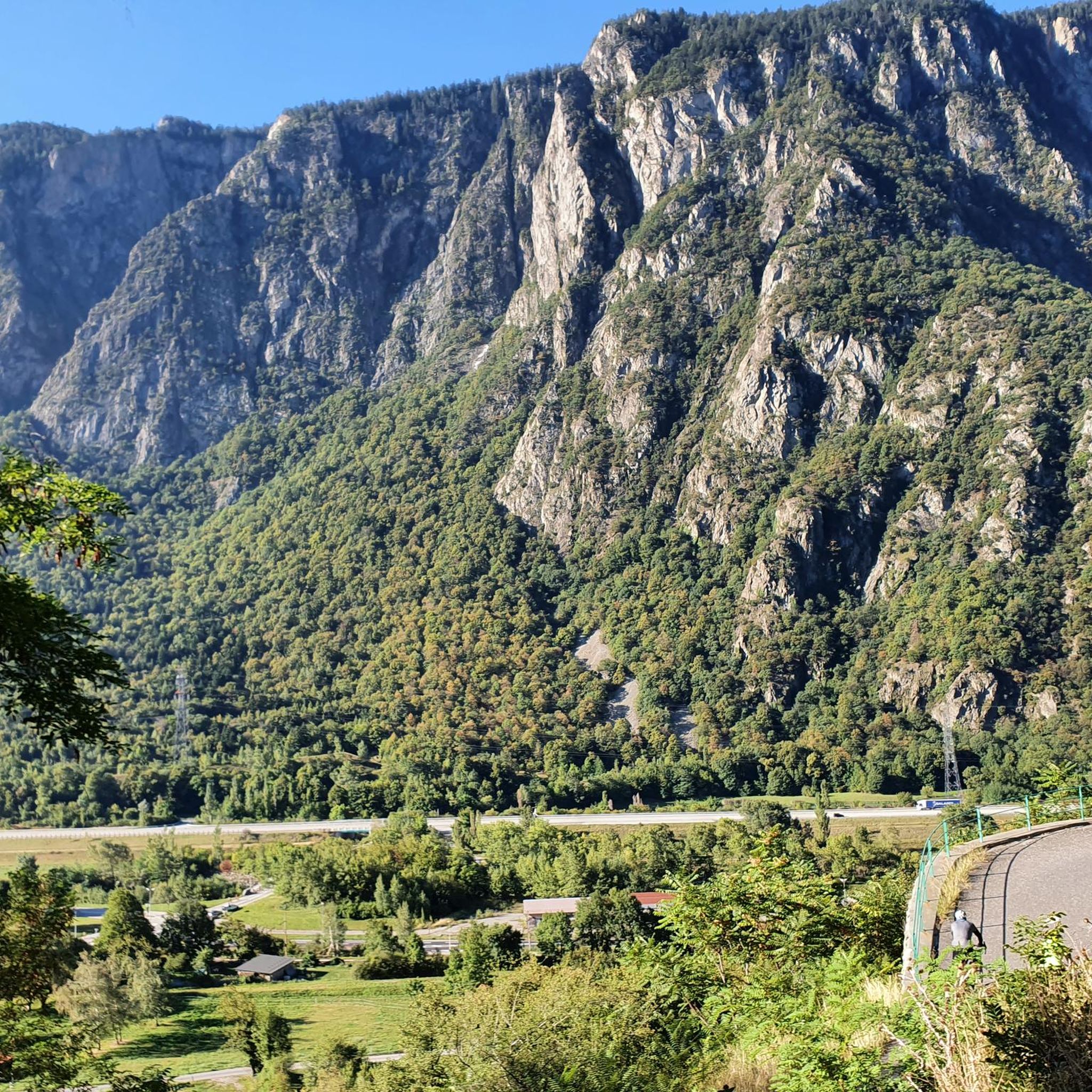
Spectacular port on all its sides. The most famous slope is the one that goes up through Les Lacets de Montvernier. Once this section is over, there are about 10 km of constant climbing with very beautiful views of the Maurienne valley.
0
0

From the hill, if we exclude the overbuilding that has also affected this area, one can enjoy a splendid panorama of the nearby peaks and in particular of the Aiguilles d'Arves, which are in a way the symbol of the entire area. From the pass, if you continue, you descend towards St. Sorlin d'Arves and join up with the road which, starting from St. Jean de Maurienne, continues towards the pass of the Croix de Fer. I preferred to go back towards Albiez to descend directly to St Jean, avoiding the tunnels that I would have had to go through when descending from St Sorlin.
0
1

There are three different ways to climb to the top of the Col de la Croix de Fer. The most famous is the climb from the Verney dam in the Oisans valley, because it is the slope used in the Marmotte (except the last kilometers). It is 27.5 kilometers long with an elevation gain of 1292 meters. The average slope is 4.7% with maximum slopes of 11.1%. The Col de la Croix de Fer from Saint-Jean-de-Maurienne is 28.2 kilometers with an elevation gain of 1475 meters. The average gradient is 5.23% with maximum gradients of 9.6% The final ascent is via the Col du Glandon. After the summit of Glandon it remains approximately 2 kilometers to the summit.
6
1
Frequently Asked Questions
What are the best natural features and viewpoints to explore around Saint-Pancrace?
The region around Saint-Pancrace is rich in natural beauty. You can experience the famous Montvernier Hairpins, a spectacular climb known for its tight bends and use in the Tour de France. Another notable mountain pass is Col du Chaussy, offering a quiet racing bike area and connecting Pontamafrey. For breathtaking views of the Aiguilles d'Arves, visit Mollard Pass, a serene route at 1,638 meters altitude.
Are there any historical or cultural sites near Saint-Pancrace?
Yes, Saint-Pancrace and its surroundings offer several points of cultural interest. The local Eglise Saint-Pancrace is a significant historical and architectural landmark within the village. Just 1.9km away in Saint-Jean-de-Maurienne, you can visit the Musée Opinel to learn about the history of the famous Opinel knife and regional craftsmanship. Local markets in nearby towns like Saint-Jean-de-Maurienne also provide a vibrant taste of the local culture.
What outdoor activities are popular around Saint-Pancrace?
The mountainous terrain around Saint-Pancrace is ideal for various outdoor activities. Cycling is very popular, with challenging climbs like the Montvernier Hairpins and mountain passes such as Col du Chaussy and Col de la Croix de Fer. Hiking and mountain biking are also widely enjoyed, with numerous trails catering to all levels. For a unique perspective, paragliding is an option, and during winter, the region is close to several renowned ski resorts like La Toussuire and Les Sybelles.
Where can I find routes for cycling or gravel biking near Saint-Pancrace?
For cycling enthusiasts, there are many routes available. You can find detailed tours for road cycling in the Cycling around Saint-Pancrace guide, including challenging ascents like the Col du Glandon and Col de la Croix de Fer. If you prefer gravel biking, explore routes such as the Col de Chaussy loop in the Gravel biking around Saint-Pancrace guide.
Are there any running or hiking trails around Saint-Pancrace?
Yes, the area offers a variety of running and hiking trails. For running, you can explore routes like 'The Three Crosses loop from La Simianaz' or 'The Three Crosses loop from Saint-Pancrace', which are detailed in the Running Trails around Saint-Pancrace guide. These trails offer diverse distances and difficulty levels, from moderate to difficult.
What is the best time of year to visit Saint-Pancrace for outdoor activities?
The best time to visit Saint-Pancrace depends on your preferred activities. For cycling, hiking, and mountain biking, the warmer months from late spring to early autumn (May to October) offer pleasant weather and accessible trails. During winter, the region transforms into a popular destination for skiing and snowboarding, with numerous resorts nearby.
Are there family-friendly activities or attractions in the Saint-Pancrace area?
While specific family-friendly highlights are not detailed, the region's natural environment offers many opportunities for families. Easy hiking trails, exploring local markets, and visiting the Musée Opinel in Saint-Jean-de-Maurienne can be enjoyable for all ages. Many nearby ski resorts, such as Les Sybelles, are known for being family-friendly with gentle slopes and ski schools.
What can I expect at the <a href="https://www.komoot.com/highlight/160651" target="_blank" rel="noopener">Col de la Croix de Fer</a>?
The Col de la Croix de Fer is a renowned alpine pass, frequently featured in the Tour de France. It offers challenging climbs with significant elevation gains, making it a favorite for ambitious cyclists. At the summit, you'll find an iron cross, which gives the pass its name, and often a welcoming hostel where you can rehydrate and enjoy regional food. The views of the Arves needles and the Arves valley are magnificent.
What do visitors enjoy most about the attractions around Saint-Pancrace?
Visitors particularly appreciate the stunning natural landscapes and the challenging yet rewarding outdoor activities. The unique experience of cycling iconic routes like the Montvernier Hairpins and the quiet beauty of mountain passes like Mollard Pass are frequently highlighted. The region's blend of historical sites and opportunities for adventure makes it a diverse destination.
Are there places to eat or get coffee near the main attractions?
Yes, for example, at the Chalet at Col du Glandon, you can find coffee and food. Additionally, many of the mountain passes and nearby towns will have cafes and restaurants where you can refuel after your activities. It's always a good idea to check local listings for specific opening hours.
What are some lesser-known or 'hidden gems' in the Saint-Pancrace area?
While the region is known for its prominent mountain passes, the Mollard Pass is considered a quieter, more secret route, especially when approached from Villargondran with its numerous hairpin bends through the forest. Exploring the smaller villages and local markets can also reveal charming, authentic experiences away from the more frequented tourist spots.
Is Saint-Pancrace a good destination for winter sports?
Absolutely. Saint-Pancrace is ideally situated near several renowned ski resorts, making it an excellent destination for winter sports. Popular options include La Toussuire, known for its spectacular landscapes, and Les Sybelles, which is great for families and beginners. Other nearby resorts like Le Corbier, Les Menuires, and Val Thorens offer a wide range of skiing and snowboarding opportunities.
Most popular routes around Saint-Pancrace
Most popular attractions around Saint-Pancrace

Get inspired with the komoot mobile app


Explore more
Still not found the Highlight you’re looking for? See guides of the top attractions in other regions:
