Attractions and Places To See around Castelnau-Barbarens - Top 14
Best attractions and places to see around Castelnau-Barbarens include a charming medieval village perched on a hill in the Gers department of Occitania, France. This area offers a blend of historical landmarks, cultural sites, and natural beauty. The village features well-preserved medieval character and provides panoramic views overlooking the Arrats Valley and, on clear days, the Pyrénées mountain range. Visitors can explore its unique architecture and discover evidence of early occupation, including Gallo-Roman vestiges.
Best attractions and places to see…
Last updated: October 19, 2026
Statue of d'Artagnan
Highlight • Other
Translated by Google •
Tip by

Kazé - artwork by Japanese artist Teruhisa Suzuki
Highlight • Other
Translated by Google •
Tip by

Sign up now to discover places like this
Get recommendations on the best single tracks, peaks, & plenty of other exciting outdoor places.
Sansan paleosite
Highlight • Other
Translated by Google •
Tip by

Auch
Highlight • Other
Renowned for its gastronomy, its cathedral, and its staircase from the top of which the statue of d'Artagnan dominates the course of the Gers.
Translated by Google •
Tip by

13th century bridge
Highlight • Other
Translated by Google •
Tip by
Sign up for free to discover even more attractions around Castelnau-Barbarens.
Already have an account?
Start today with a free account
Your next adventure awaits.
Tips from the Community

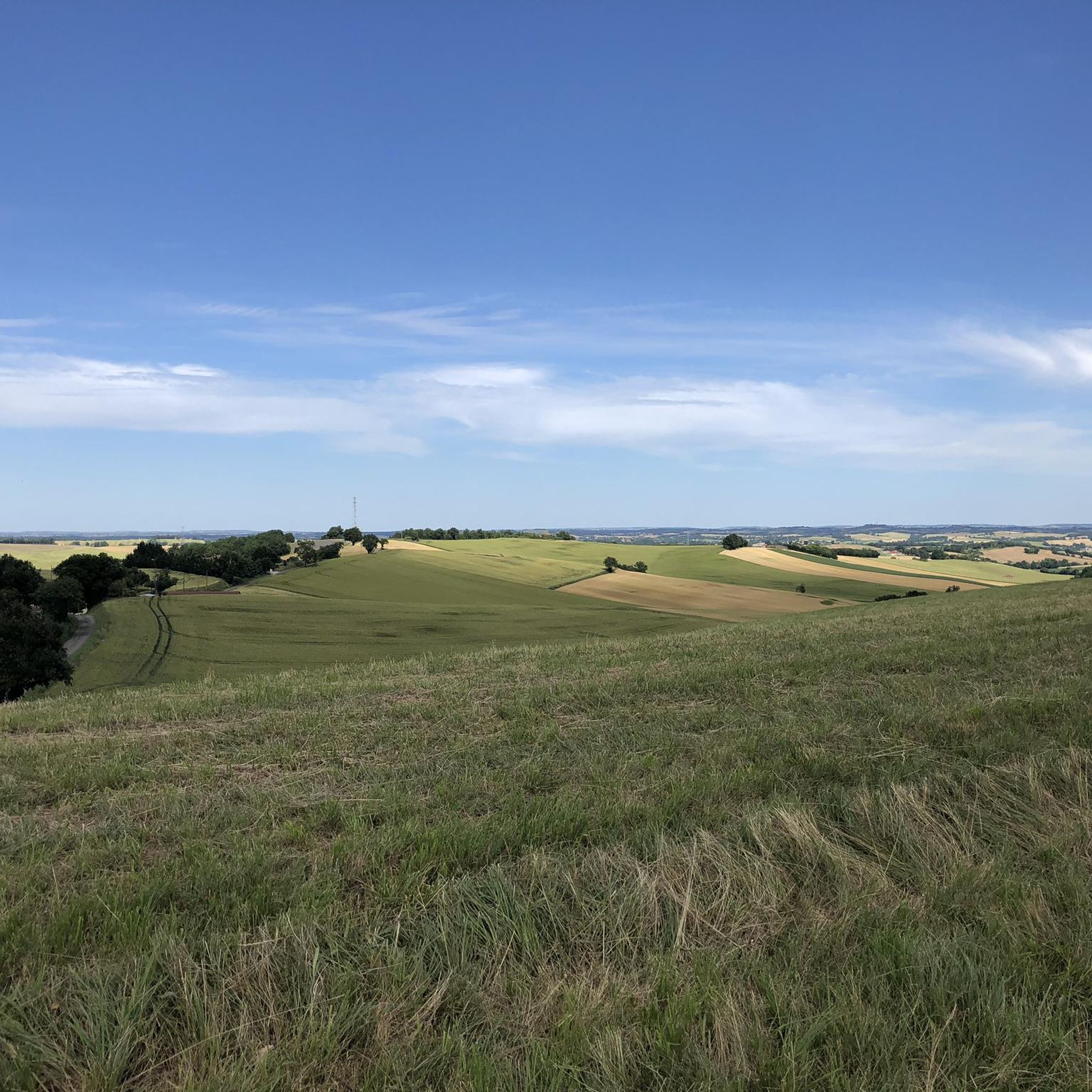
Old 13th century humpback bridge spanning the Gers, approved by King Philippe the Bold in 1285.
0
0
Prefecture of the Gers department. Renowned for its gastronomy, its cathedral, and its staircase from the top of which the statue of d'Artagnan dominates the course of the Gers.
0
0

With this monument at the bottom of a monumental staircase that leads from the river to the cathedral, the city also pays tribute to a literary hero: the fictional character d'ARTAGNAN, created by the writer Alexandre DUMAS (1802 to 1870), along with Athos, Porthos and Aramis the Brave Heroes in "The Three Musketeers". He chose Charles de Batz, Comte d'Artagnan, whose childhood and youth he spent here, as his historical role model.
3
0

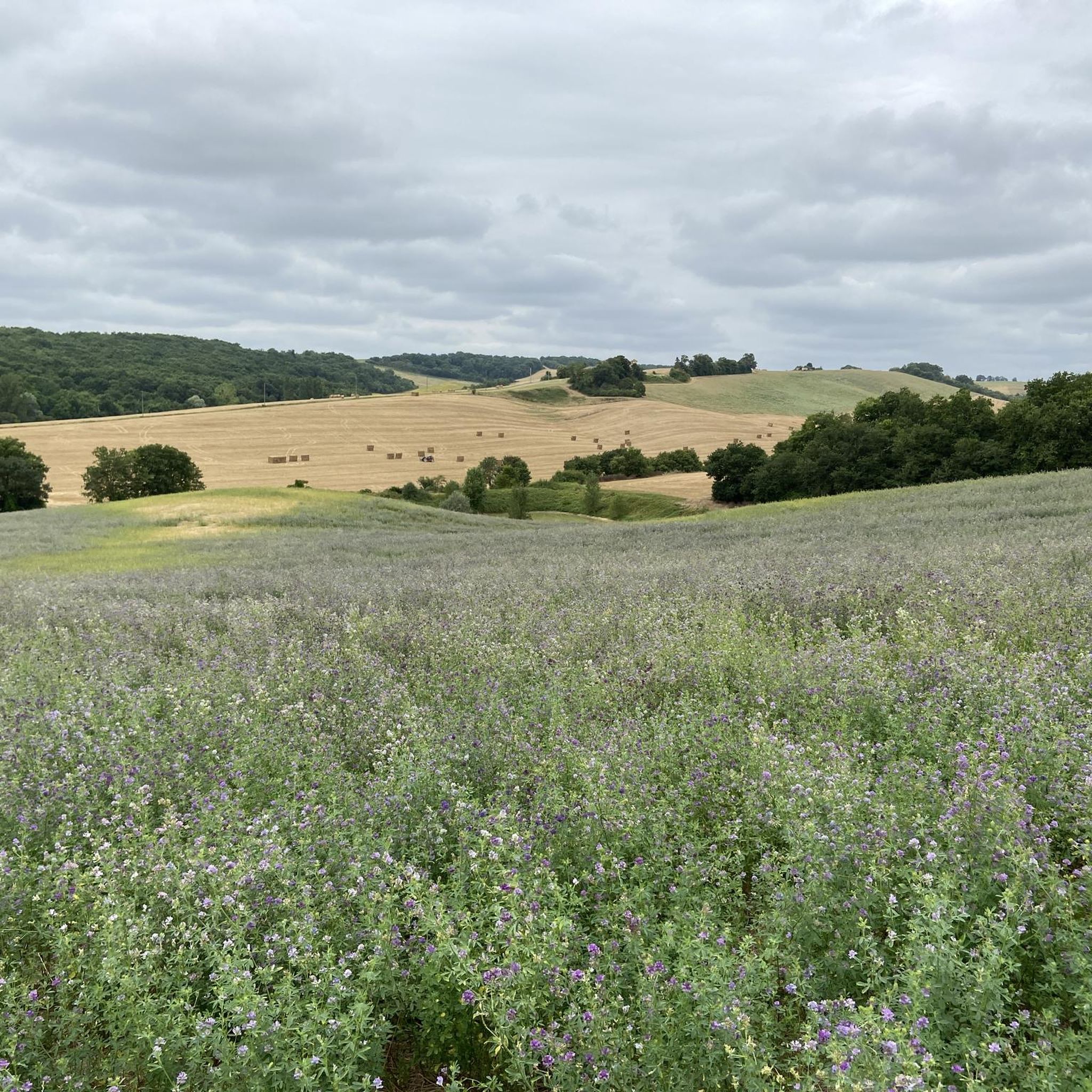
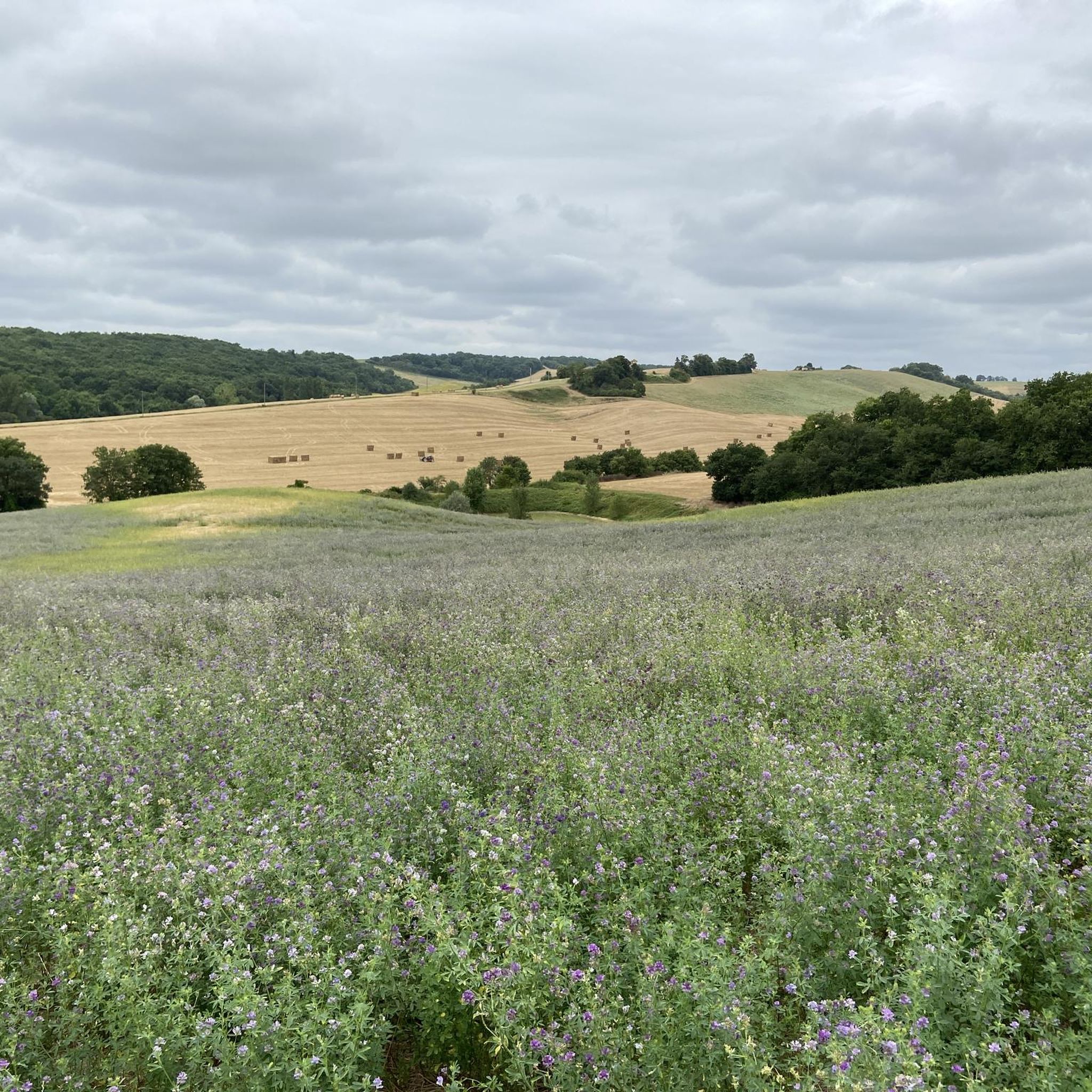
A 3 km path takes you in the footsteps of a Gers lawyer, Sansan, who in 1834 discovered a paleontological site which revolutionized scientific theories. Oddity: the site belongs to the National Museum of Natural History in Paris. More info: https://www.paleosite-sansan.com/
1
0


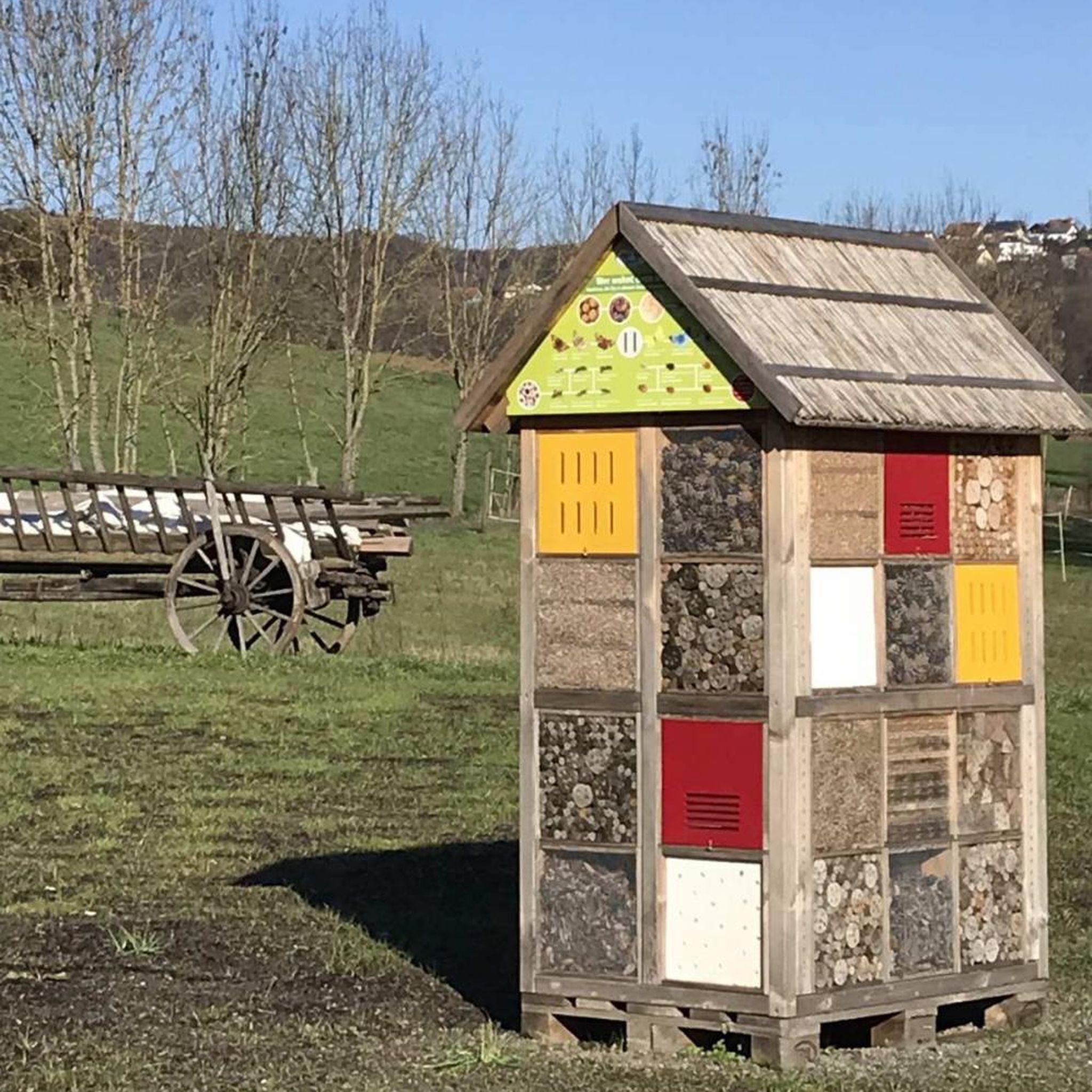
It is actually a work of art by Japanese artist Suzuki. The work was erected in 2013. The artist was born on March 5, 1956. He graduated from the Tokyo School of Fine Arts. He lives and works in Ermont, France. The man is known the world over for his "ephemeral" art produced in the great outdoors using natural materials found on site or recovered. He uses them to create his works, bringing out the character of them and their environment. His works have notably been produced in Japan, France, the Netherlands, and Greece. A tornado… in memory of the Klaus storm of 2009 which devastated 160 trees The production is called "Kazé" which means "wind" in Japanese. The sculpture of braided branches evokes a cyclone trapped in the forest. Light and majestic, it symbolizes all the strength and power of the wind. It is a memorial work, aiming to remember the terrible Klaus storm of January 24, 2009 which devastated more than 160 trees in this forest of St Elix. Since the materials are natural, the work gradually degrades over time. Seven years after her erection, she remains in generally stable condition. However, the degradation process will be the reason for this construction in the coming years. So the curious are invited to come and see her soon.
3
1
Frequently Asked Questions
What historical landmarks can I explore in Castelnau-Barbarens?
Castelnau-Barbarens is rich in history. You can explore the remnants of its medieval past, including the prominent 13th-Century Tower, which was part of the original castle. The 13th century bridge, approved by King Philippe the Bold in 1285, is another significant historical structure nearby. Don't miss the Sainte-Quitterie-Saint-Nicolas Church, built in 1867, which ingeniously incorporates the old watchtower as its bell tower. You can also see vestiges of fortified gate towers and the unique medieval village architecture with its 'embans' (covered passages).
Where can I find panoramic views of the surrounding area?
From its elevated position, Castelnau-Barbarens offers exceptional panoramic views. The village provides magnificent vistas over the Gers countryside and, on clear days, a stunning panorama of the Pyrénées mountain range. An orientation table in the village helps identify points of interest in the surrounding landscape.
Are there any natural areas or features to discover around Castelnau-Barbarens?
Yes, the commune boasts a remarkable natural heritage. The village overlooks and is drained by the Arrats River and its various streams. Castelnau-Barbarens is recognized for its beautiful flowerscapes, having earned an official 'two-flowers' rating, and features three identified natural areas of ecological, faunal, and floral interest.
What cultural activities or sites are available in Castelnau-Barbarens?
The Notre-Dame-de-Pitié Chapel, a 17th-century structure, has been repurposed as a space for artistic exhibitions, offering a blend of history and contemporary culture. During the summer, 'Pays d'Art et d'Histoire' guides offer tours of the village. Every two years, the village hosts the 'Lo Rondèu de Castelnau' festival, celebrating Occitan music and dance.
Are there hiking trails available directly from Castelnau-Barbarens?
Yes, several hiking trails depart directly from the town hall square. These include a discovery trail focusing on local springs and thermal baths, and the Hourontan trail. The village's unique streets, which descend in steps towards the Arrats Valley, also offer an interesting walking experience.
What are some popular attractions slightly further afield but still in the region?
Beyond Castelnau-Barbarens, you can visit Auch, the prefecture of the Gers department, renowned for its gastronomy and cathedral. In Auch, you'll also find the Statue of d'Artagnan, a tribute to the literary hero. Another interesting site is the Sansan paleosite, an important paleontological discovery site.
Are there any unique local crafts or products to discover?
The village features charming medieval-style craftsmen's shops. Additionally, the Moulin de Durban, a windmill rebuilt in 2018, is one of the few in the region that still produces flour, offering a glimpse into traditional local production.
What kind of outdoor activities can I do near Castelnau-Barbarens?
The area around Castelnau-Barbarens is great for various outdoor activities. You can explore MTB Trails, with options like the 'Simorre – Land Art Sculpture loop'. For road cycling enthusiasts, there are numerous Road Cycling Routes, including a loop from Lussan that passes by Auch and the 13th-century bridge. If you prefer running, there are several Running Trails, such as loops starting from A la Bounette or Aurimont.
What is the significance of the Gallo-Roman Villa of Taros?
The Gallo-Roman Villa of Taros is an archaeological site that provides evidence of the area's very early occupation. Prehistoric artifacts and Gallo-Roman vestiges discovered here highlight the long history of human presence in the region, predating the medieval village itself.
Can I find information about the village's history and attractions on site?
Yes, a tourist document titled 'Laissez-vous conter Castelnau-Barbarens' is available at the town hall and local tourist information center. This document provides further insights into the village's history and attractions, helping you make the most of your visit.
What are the 'embans' in Castelnau-Barbarens?
The 'embans' are typical covered passages found within the medieval village architecture of Castelnau-Barbarens. Historically, these passages housed artisans and provided shelter, even on rainy days, contributing to the unique charm and character of the village's streets.
Most popular routes around Castelnau-Barbarens

Get inspired with the komoot mobile app


Explore more
Still not found the Highlight you’re looking for? See guides of the top attractions in other regions:
