Attractions and Places To See around Quingey - Top 20
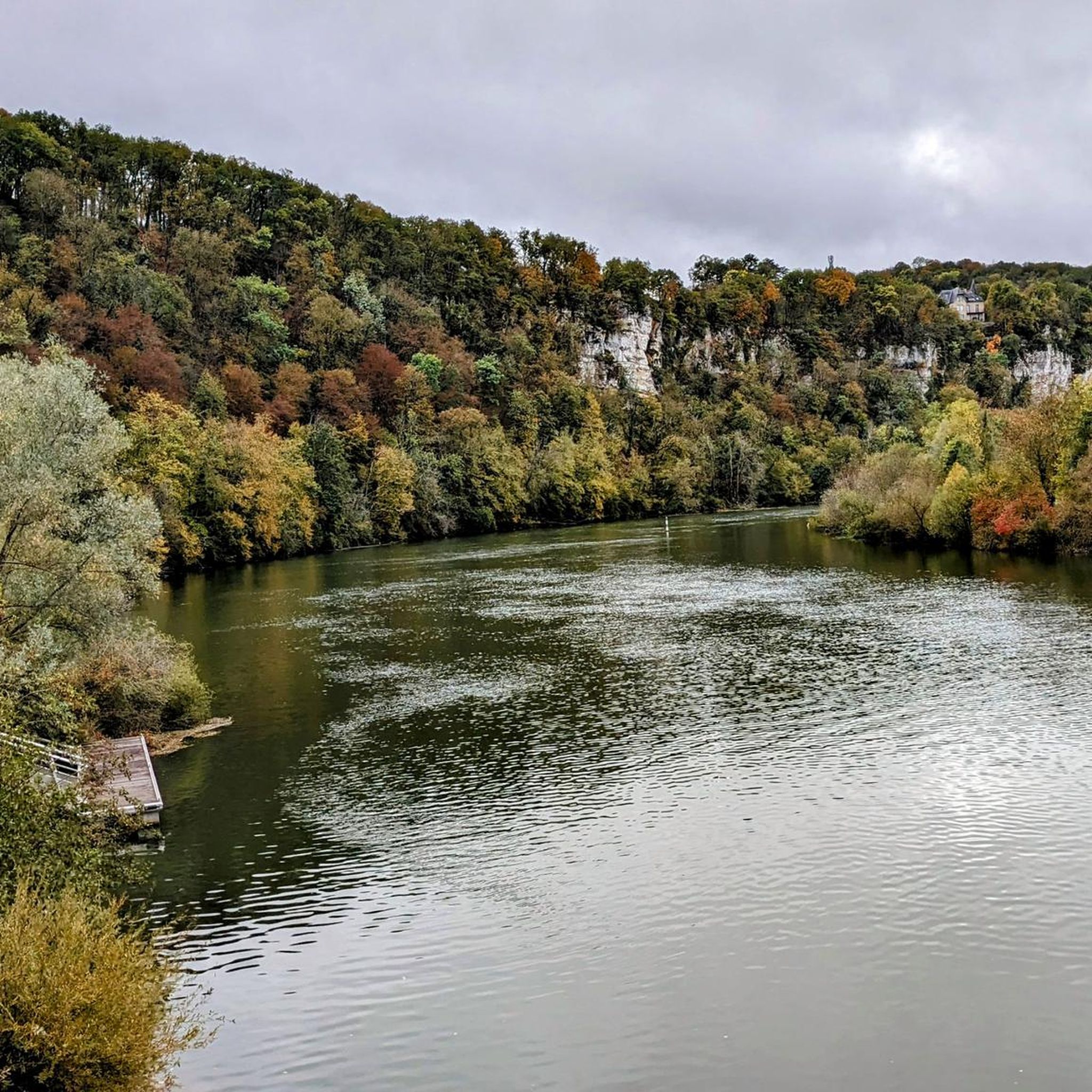
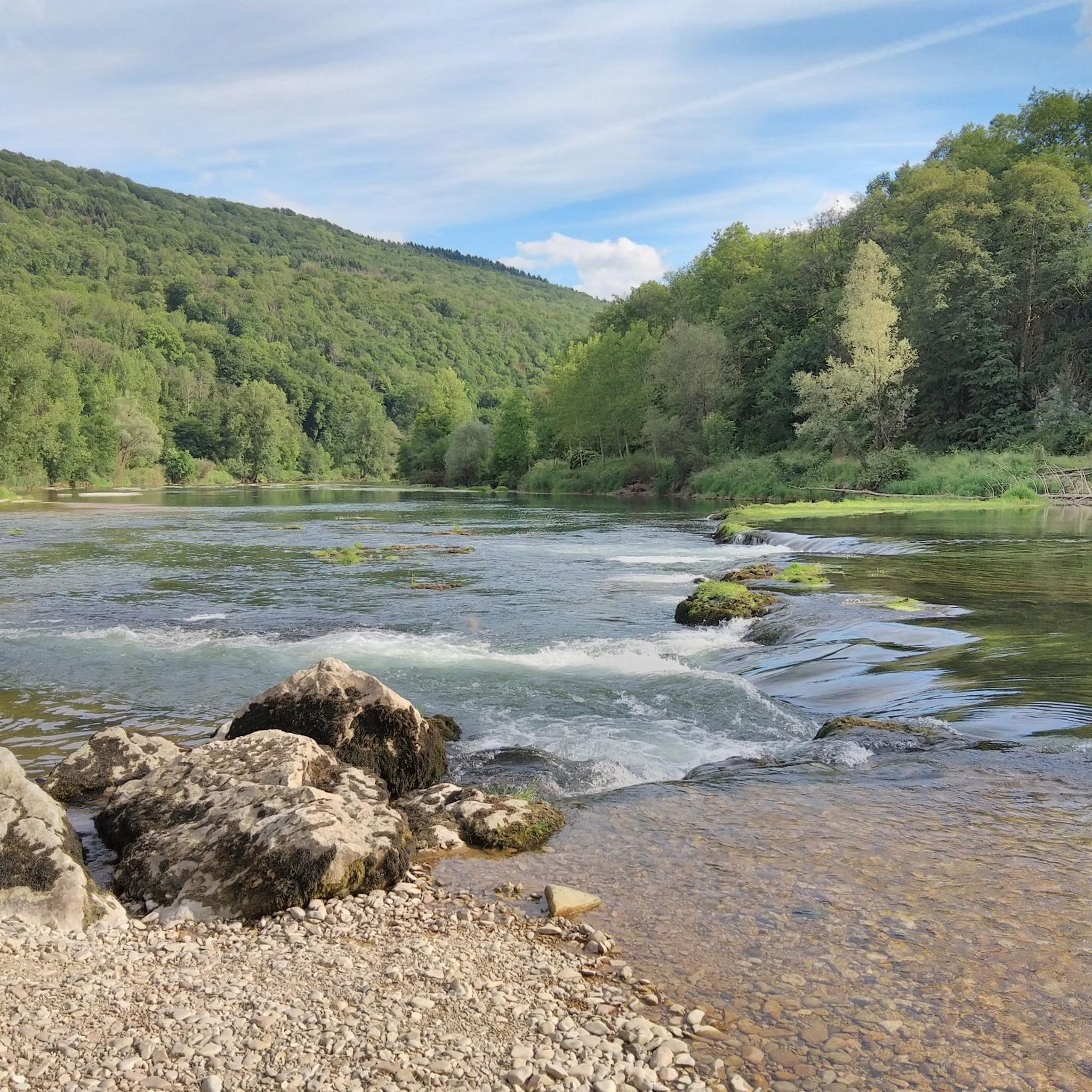
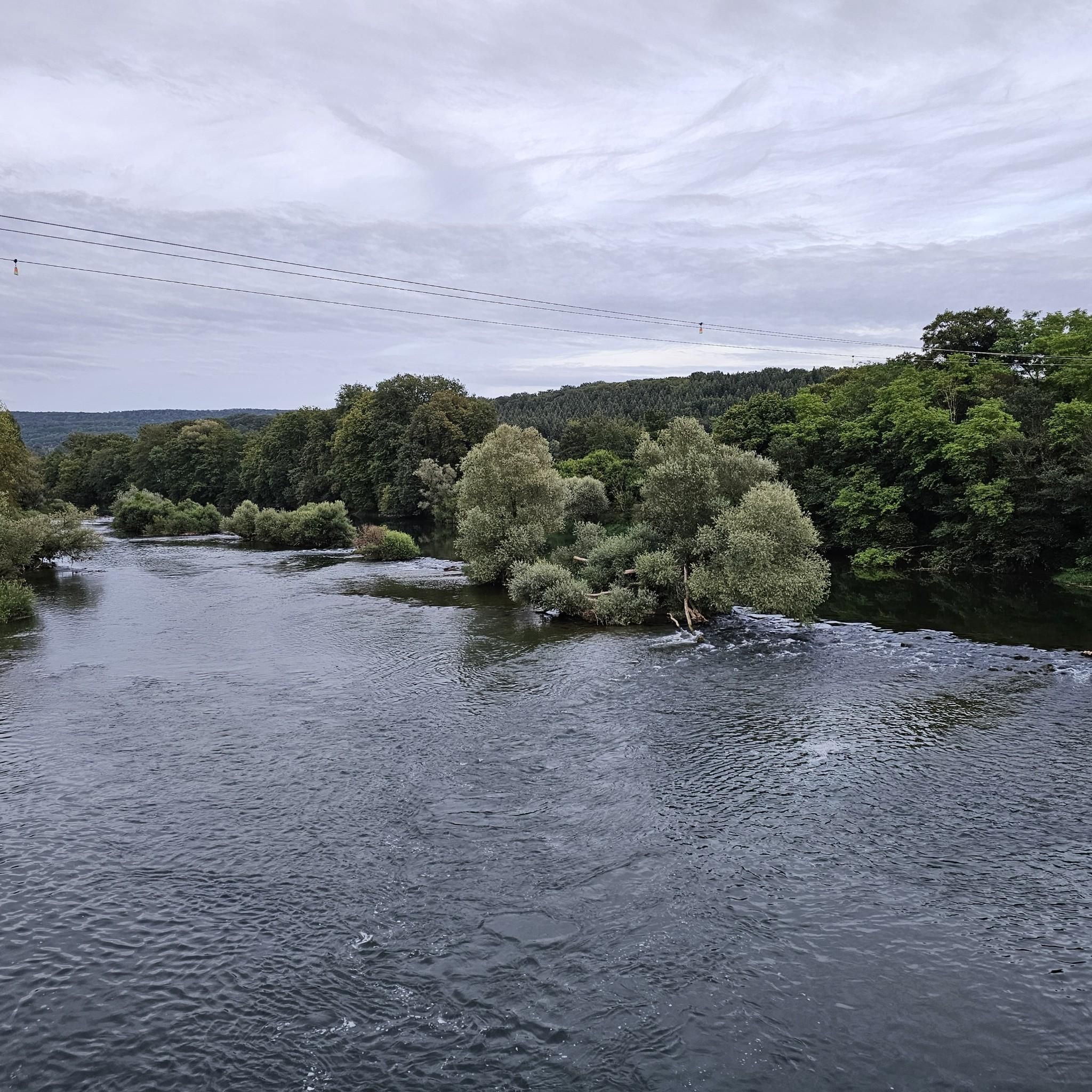
Attractions and places to see around Quingey include a mix of historical landmarks, natural features, and cultural sites. Situated in the Doubs department of France, the commune offers insights into its past with structures like the Château de Quingey and the Chapel of the Brotherhood of the Cross. The Loue River flows through the area, providing natural landscapes, while nearby sites like the Royal Saltworks of Arc-et-Senans and Osselle Cave add to the region's appeal. The area also serves as…
Last updated: July 2, 2026
Thoraise Tunnel
Highlight • Historical Site
On the upstream side, pay attention to the curtain …
Translated by Google •
Tip by

Royal Saltworks of Arc-et-Senans
Highlight • Monument
Translated by Google •
Tip by

Sign up now to discover places like this
Get recommendations on the best single tracks, peaks, & plenty of other exciting outdoor places.
Sign up for free
Osselle Cave
Highlight • Natural Monument
Translated by Google •
Tip by

EuroVelo 6: Doubs and Rhône-Rhine Canal from Beure to Ranchot
Highlight (Segment) • Cycleway
Translated by Google •
Tip by

The Holed Rock
Highlight • Natural Monument
It also has the advantage and the comfort of being placed on …
Translated by Google •
Tip by
Sign up for free to discover even more attractions around Quingey.
Sign up for free
Already have an account?
Start today with a free account
Your next adventure awaits.
Login or Signup
Tips from the Community

According to the listing: Pets welcome https://de.montagnes-du-jura.fr/sit/grotte-dosselle
0
0

Does anyone know if you can go in there with a dog?
0
0

If you would like to visit the saltworks and the exhibitions in addition to the walk, you should plan at least 90 minutes.
1
0

A ship tunnel (1810) that can be walked through from the side as a shortcut for the Le Doubs river canal. On the other side of the canal there is a lock about 3-4 m high. There is a water curtain at both portals and the interior is beautifully and decoratively lit. Worth seeing.
2
0

It is also possible to walk through the tunnel.
5
0


If you want to venture underground, you've come to the right place. A 1200 meter long cave discovered in the 13th century, it has been visited since 1504, making it one of the two oldest tourist caves in the world. Its underground river, its dry gallery and its incredibly colorful geological formations will not leave you indifferent. Neither is the fact that the first cave bear skeleton was discovered there.
0
0

Place steeped in history.
2
0
Frequently Asked Questions
What historical sites can I visit in Quingey?
In Quingey itself, you can explore the remains of the 13th-century Château de Quingey, known for its circular tower. The village also features the 17th-century Chapel of the Brotherhood of the Cross and the 18th-century Saint-Martin Church. Additionally, the historic market halls and old houses with unique lauzes roofs contribute to the village's historical ambiance.
What natural attractions are there near Quingey?
The picturesque Loue River flows through Quingey, offering beautiful landscapes and opportunities for canoeing. West of Quingey, the Côte de Moini features dry grasslands with diverse plant and animal species, maintained by Central Massif goats. For a unique geological feature, visit The Holed Rock, which offers natural rock formations and scenic views.
Are there any UNESCO World Heritage sites close to Quingey?
Yes, approximately 10-11 km from Quingey, you can visit the Royal Saltworks of Arc-et-Senans. This historic factory complex, designed by Claude Nicolas Ledoux, is a UNESCO World Heritage site recognized for its architectural significance in salt production.
What are the visiting hours and accessibility for Osselle Cave?
The Osselle Cave is open daily from 10:00-12:00 and 14:00-17:00. It can only be visited with a multilingual guided tour. The cave maintains a constant temperature of 13 degrees Celsius. It is also a dog-friendly attraction, allowing your canine companions to join the tour.
Are there family-friendly activities around Quingey?
Many attractions around Quingey are suitable for families. The Royal Saltworks of Arc-et-Senans is listed as family-friendly. Exploring the Osselle Cave with its underground river and impressive formations can also be an exciting experience for all ages. Additionally, the region offers various easy cycling routes, such as those along the EuroVelo 6, which are well-maintained and free of car traffic, perfect for family outings.
What outdoor activities can I do along the Loue River?
The Loue River provides excellent opportunities for outdoor activities. Canoeing is a popular choice, allowing you to enjoy the picturesque landscapes from the water. You can also find various cycling routes that follow the riverbanks, such as the 'Pont de Pierre – Along the Loue loop from Quingey' or 'Pont de Pierre – Loue Bridge loop from Quingey', which are listed in the Cycling around Quingey guide.
Where can I find hiking trails around Quingey?
The area around Quingey offers several trails for exploration. The Côte de Moini, west of Quingey, has trails through its dry grasslands. For a unique natural feature, the path to The Holed Rock is easily accessible and signposted. While specific hiking guides are not detailed here, Quingey serves as a starting point for various outdoor activities, including hiking.
What kind of cycling routes are available around Quingey?
Quingey is a great base for cyclists, offering a variety of routes. You can find easy to moderate cycling tours like the 'Pont de Pierre – Loue Bridge loop from Quingey' in the Cycling around Quingey guide. For those interested in longer or more challenging rides, there are also gravel biking options, such as the 'Quingey Bridge – Ruined Tower loop from Quingey' in the Gravel biking around Quingey guide, and road cycling routes, including the 'Mount Poupet – Climb to Mont Poupet loop from Quingey' in the Road Cycling Routes around Quingey guide.
Are there any unique or lesser-known attractions near Quingey?
Yes, the Thoraise Tunnel is a unique historical site. This canal tunnel on the Doubs River allows both boats and pedestrians to pass through and is notable for its water curtain at the entrance and a lock at its exit. It offers a distinctive experience for visitors.
What is the best time to visit Quingey and its attractions?
While specific seasonal recommendations are not provided, the region's blend of historical sites and natural beauty suggests that spring and autumn would be ideal for comfortable exploration of outdoor attractions like the Loue River banks and Côte de Moini, as well as for cycling and hiking. Indoor attractions like the Royal Saltworks and Osselle Cave are enjoyable year-round.
What other notable towns or sites are within a short drive of Quingey?
Several significant attractions are easily accessible from Quingey. These include the historic salt mines and thermal baths of Salins-les-Bains (18 km south), the city of Besançon (18-20 km northeast) with its citadel and cathedral, and Ornans (20 km east), known for its picturesque setting along the Loue River. You can also visit Arbois (24 km south-southwest), the 'capital of Jura wine', and Dole (30 km west) with its prominent Collegiale Church.
Most popular routes around Quingey
Most popular attractions around Quingey

Get inspired with the komoot mobile app


Explore more
Still not found the Highlight you’re looking for? See guides of the top attractions in other regions:
