Lanslebourg-Mont-Cenis
Lanslebourg-Mont-Cenis
The 20 Most Amazing Peaks around Lanslebourg-Mont-Cenis
Best mountain peaks around Lanslebourg-Mont-Cenis are found in the French Alps, near the Vanoise National Park. This region offers a diverse range of mountain peaks, providing access to high-altitude environments and panoramic views. The area is characterized by its alpine landscapes, historical sites, and opportunities for various levels of hiking and mountaineering. Many peaks offer views of glaciers, lakes, and surrounding massifs.
Best mountain peaks around Lanslebourg-Mont-Cenis
- The most popular mountain peaks is Four Teeth Peak, a summit that is recognizable by its distinct rock formations resembling teeth. The climb through "the pertus" is considered easy, with a more challenging option towards the white chapel.
- Another must-see spot is Cà d'Asti Hut (2,854 m), a hut that serves as a support point for ascents to Rocciamelone. Visitors can use it as a landing place for beginners or to break a longer climb into 2 days.
- Visitors also love Rocciamelone Summit, a summit known for its 3,538 meter elevation and a statue of the Blessed Virgin Mary at its peak. It is a popular destination for its physical challenge and panoramic views.
- Lanslebourg-Mont-Cenis is known for its summits, viewpoints, and natural monuments. The region offers a variety of mountain peaks to see and explore, ranging from accessible hikes to challenging mountaineering routes.
- The mountain peaks around Lanslebourg-Mont-Cenis are appreciated by the komoot community, with 88 upvotes and 88 photos shared by visitors.
Last updated: July 7, 2026
Rocciamelone Summit
Highlight • Summit
Translated by Google •
Tip by

Abbey of Novalaise
Highlight • Religious Site
Translated by Google •
Tip by

Sign up now to discover places like this
Get recommendations on the best single tracks, peaks, & plenty of other exciting outdoor places.
Sign up for free
Four Teeth Peak
Highlight • Summit
Translated by Google •
Tip by
Cà d'Asti Hut (2,854 m)
Highlight • Mountain Hut
Translated by Google •
Tip by

Droset Peak
Highlight • Summit
Tip by

Sign up for free to discover even more peaks around Lanslebourg-Mont-Cenis.
Sign up for free
Already have an account?
Start today with a free account
Your next adventure awaits.
Login or Signup
Popular around Lanslebourg-Mont-Cenis
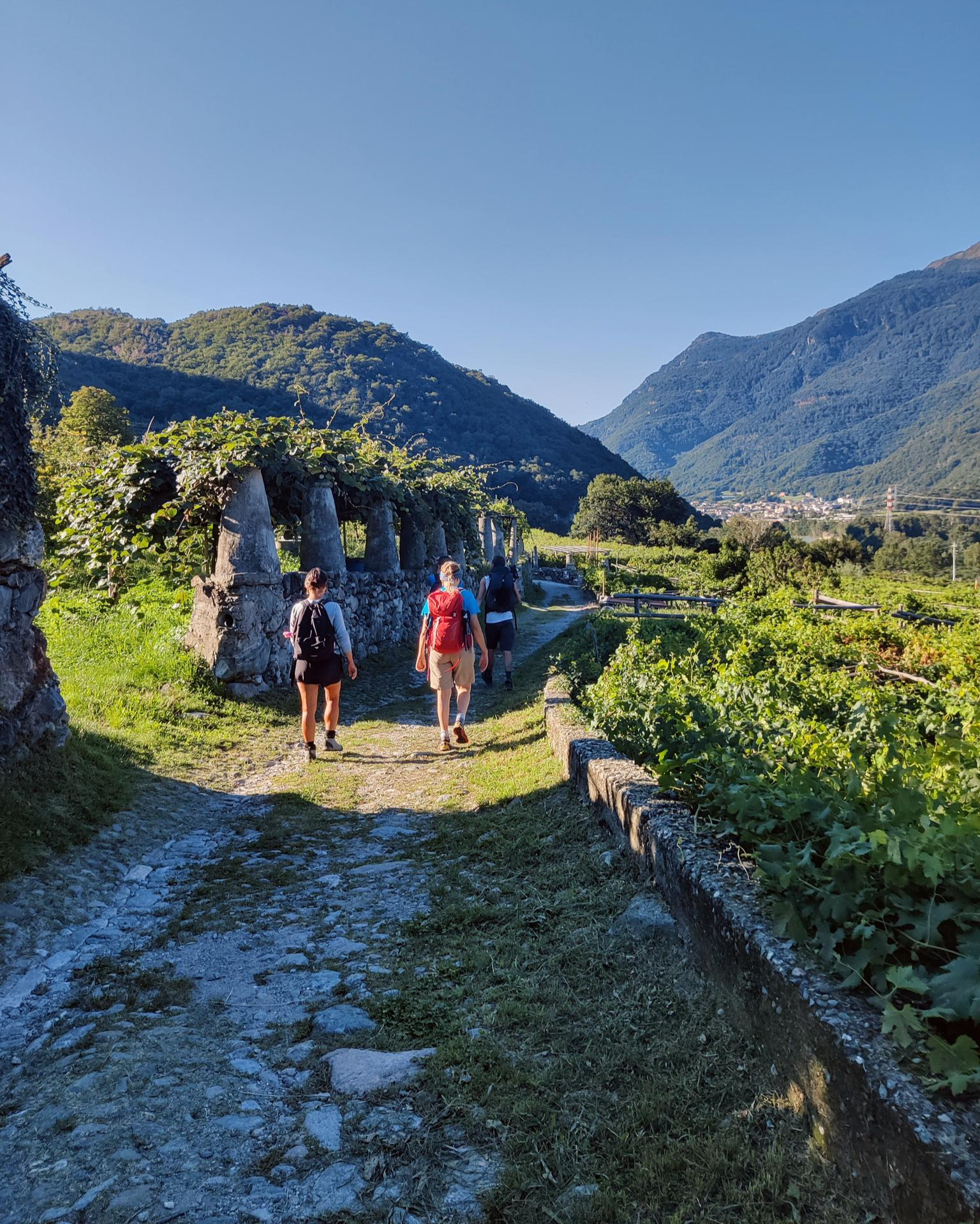
Piemont's Via Francigena
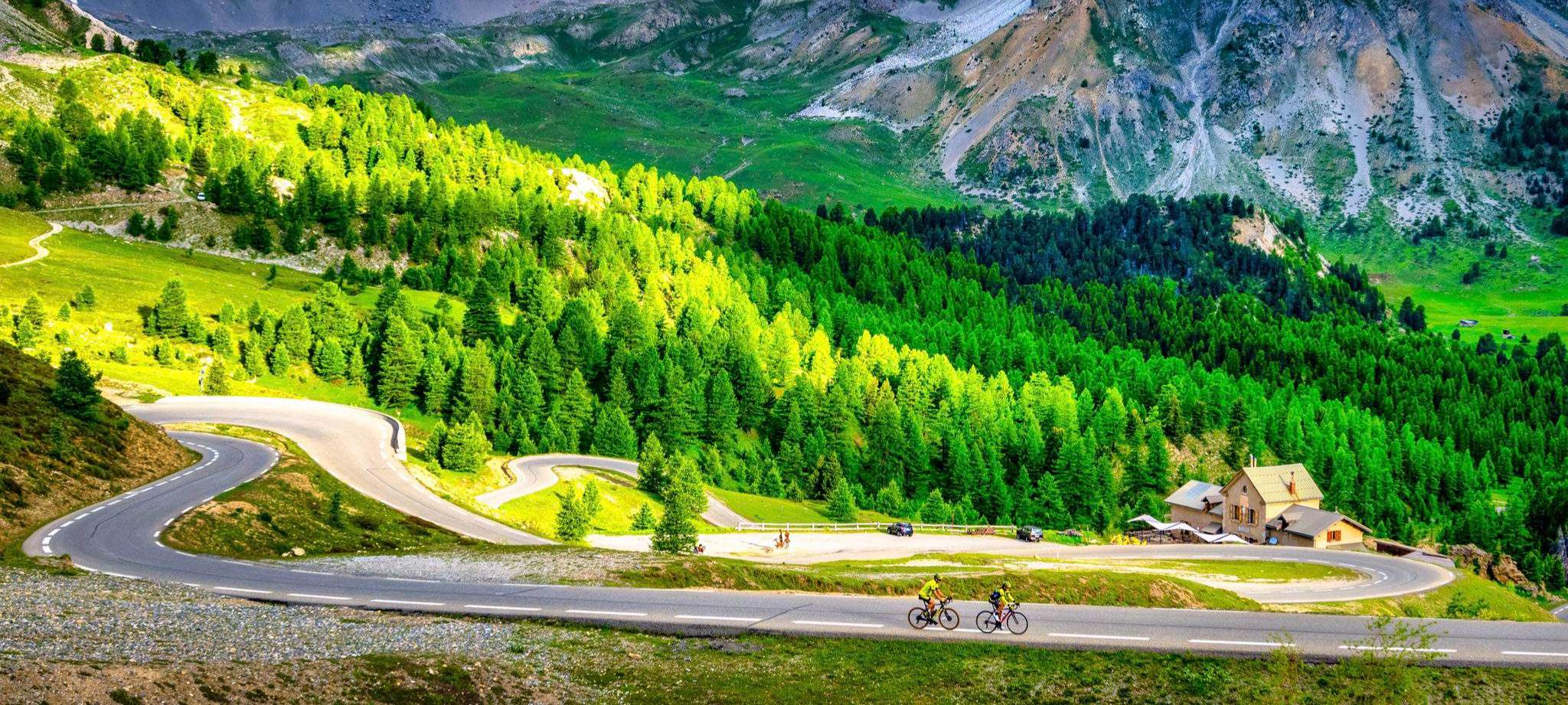
Route des Grandes Alpes
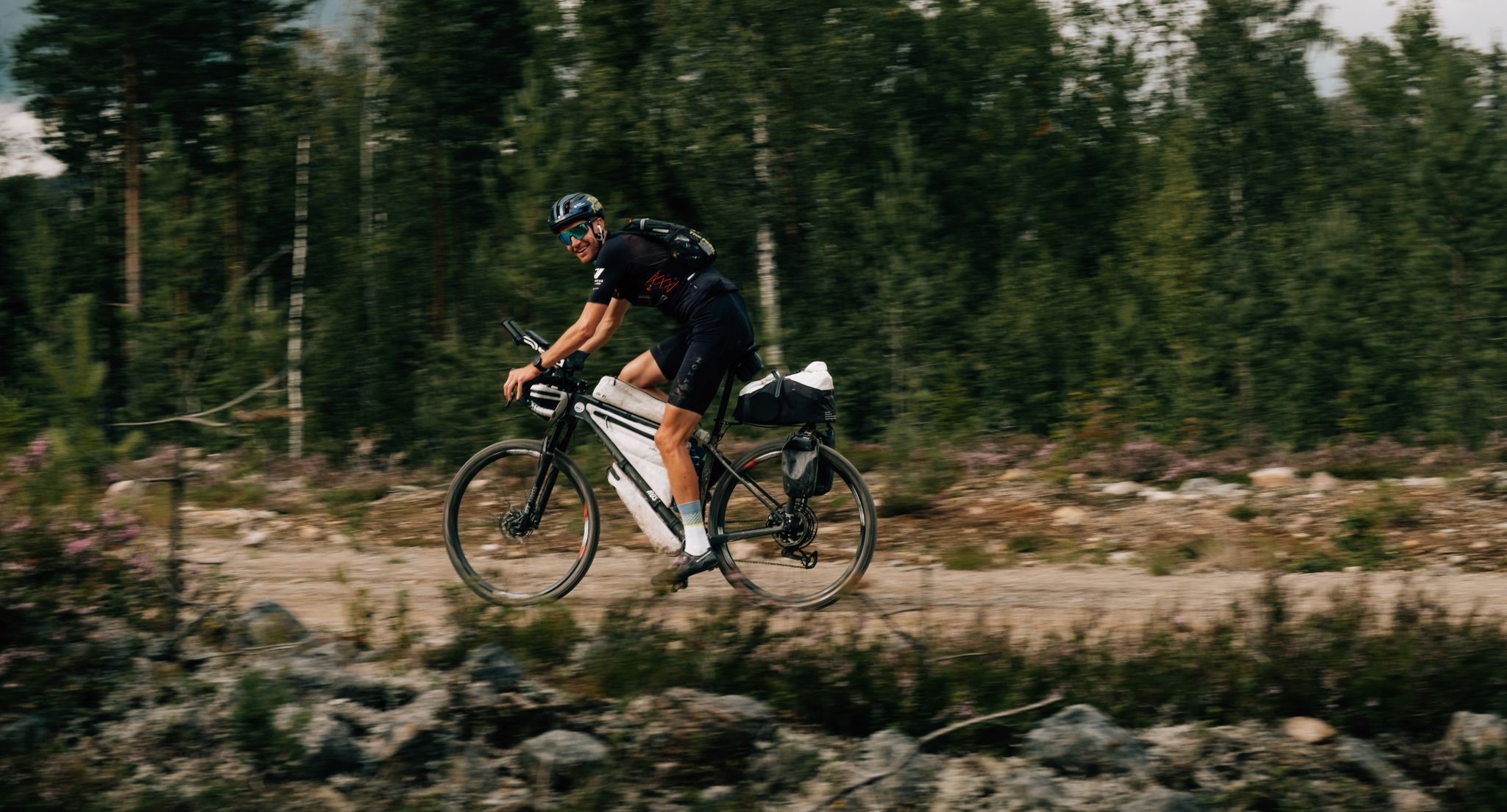
European D̶I̶V̶I̶D̶E̶ Connect Trail Project – a journey across Europe
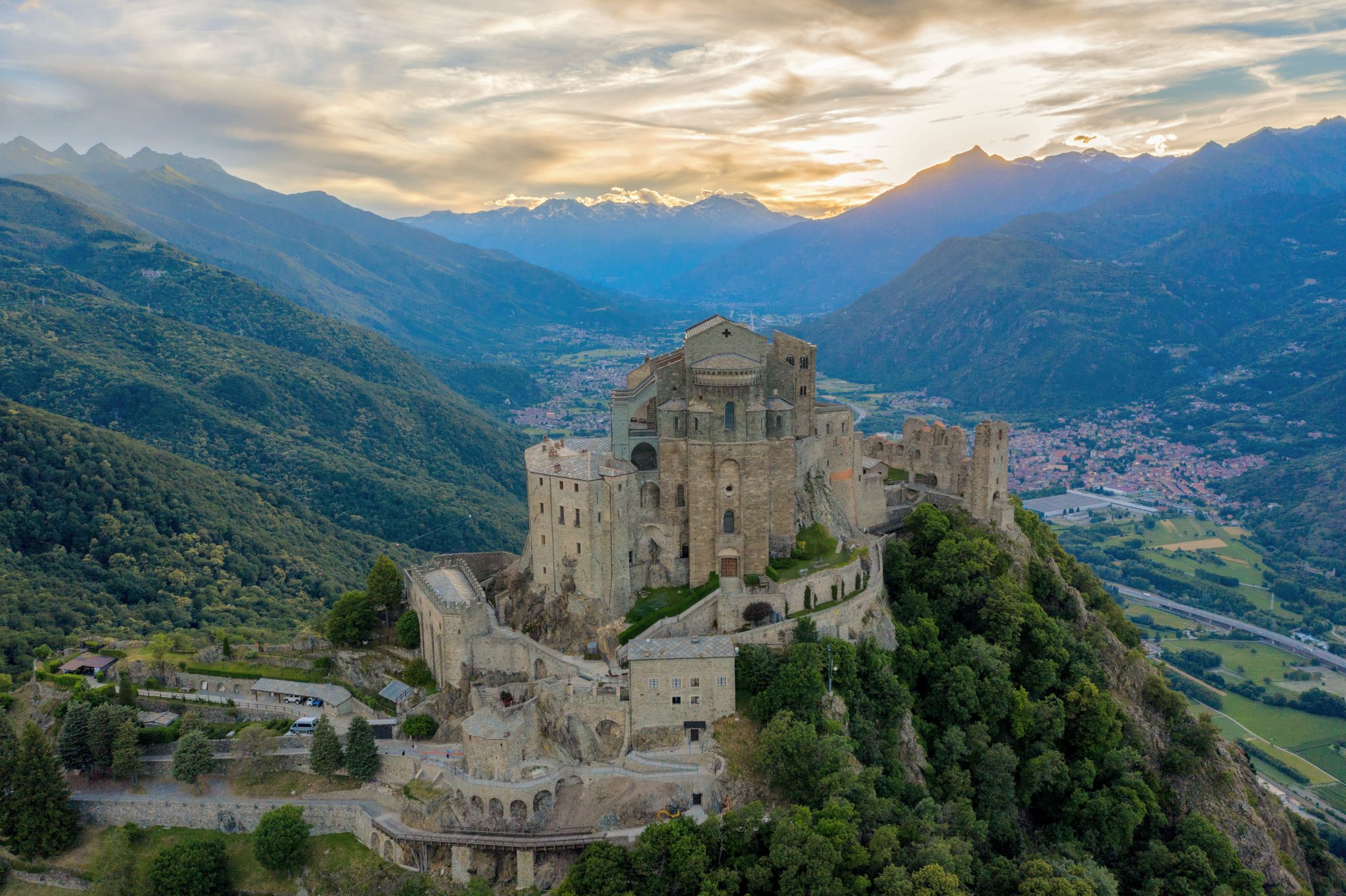
Via Francigena in Valle di Susa – complete route and 'for all' section
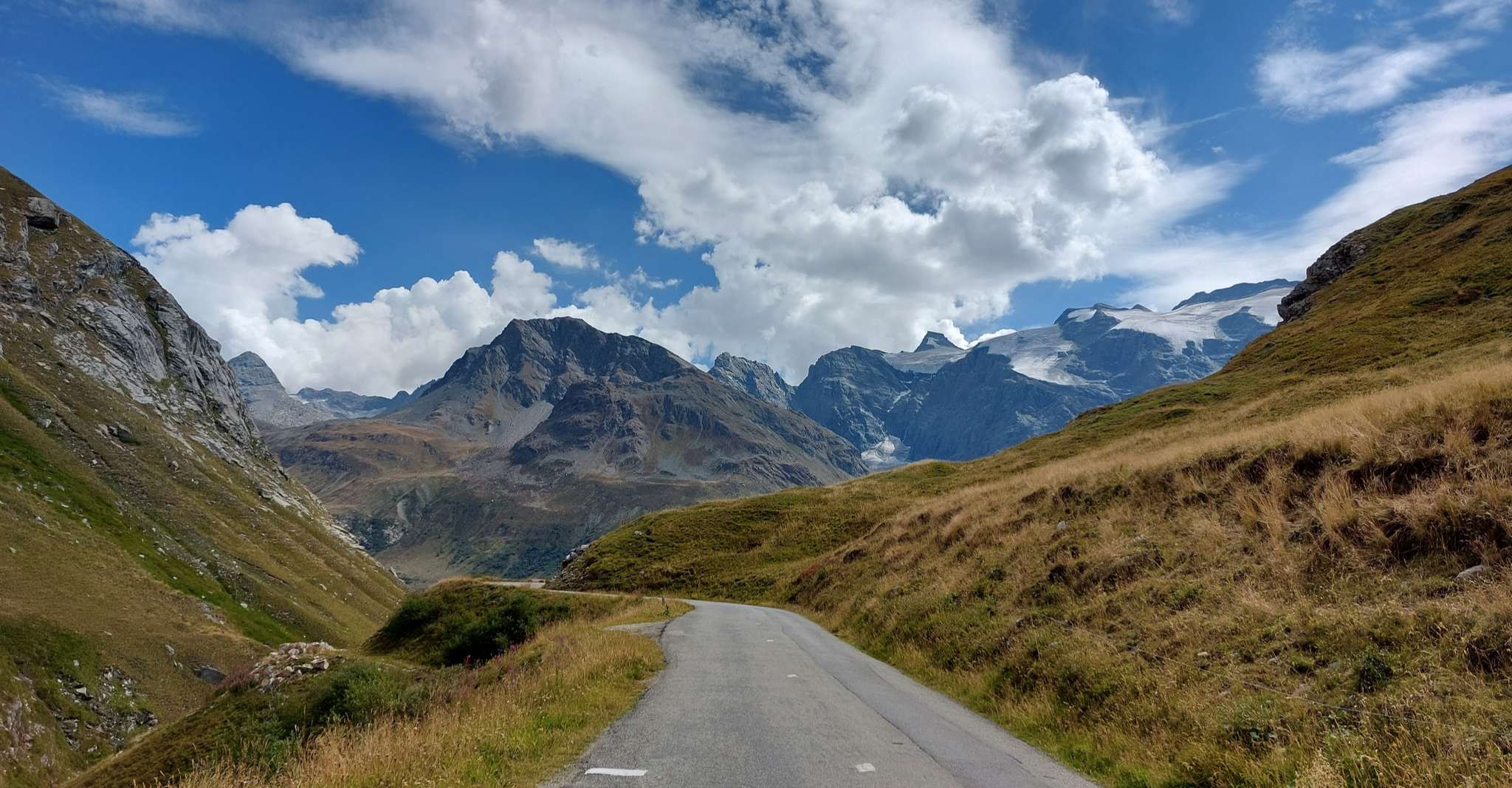
Briançon to Aosta – travelling across the Alps (part 2)
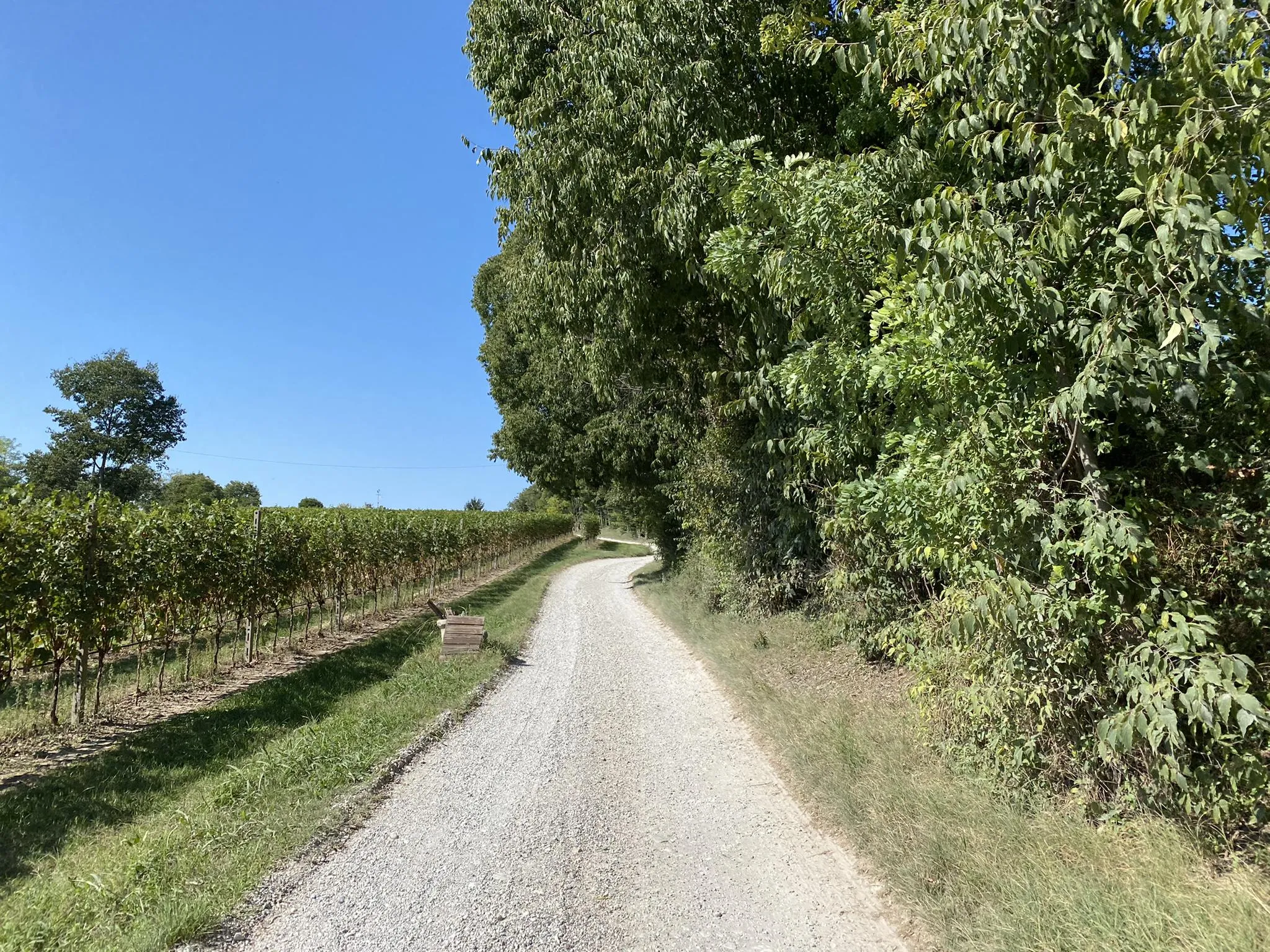
A bike Tour from Moncenisio to Verona – AIDA (western part)
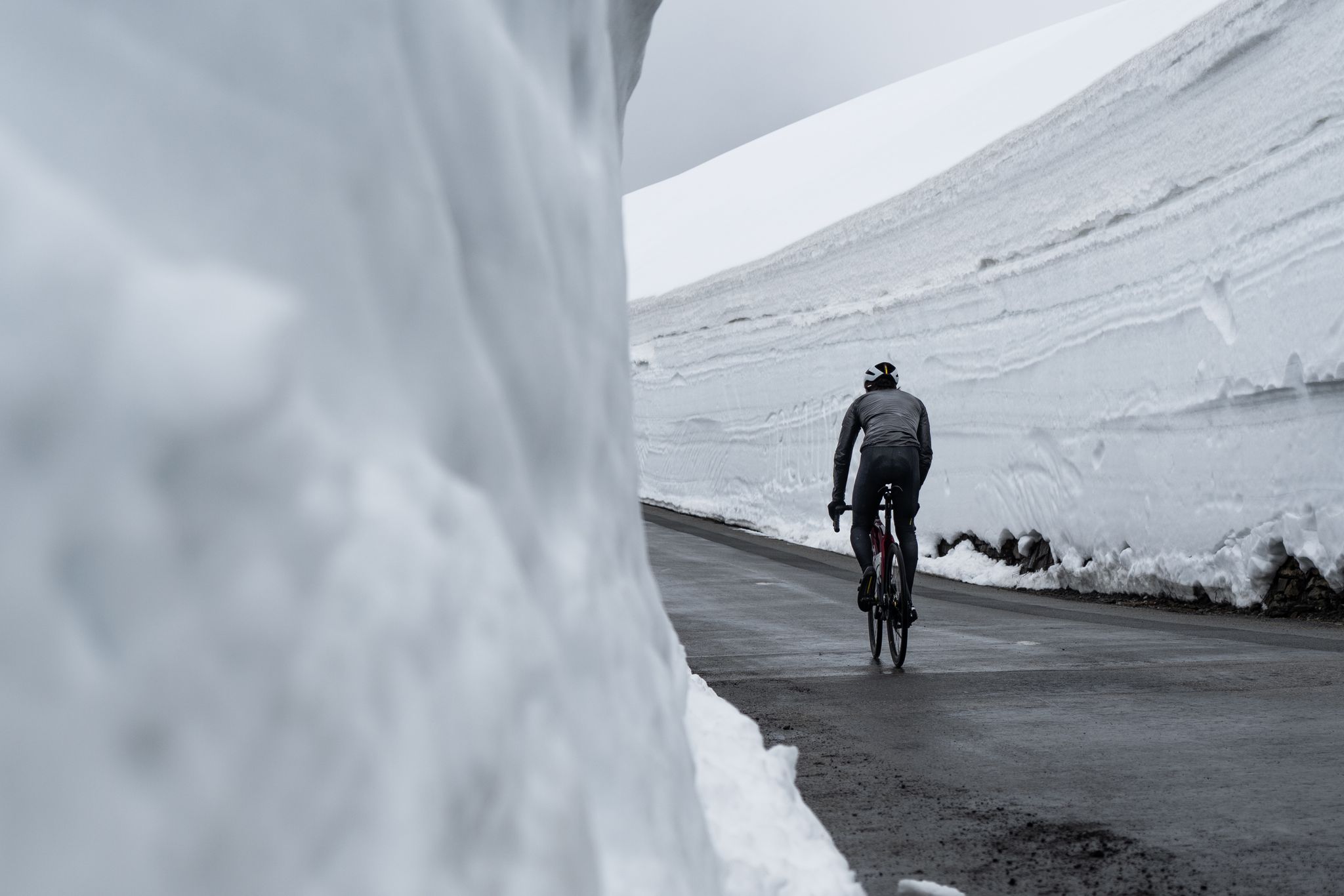
On the roof of Europe – cycling France’s Col d’Iseran out of season
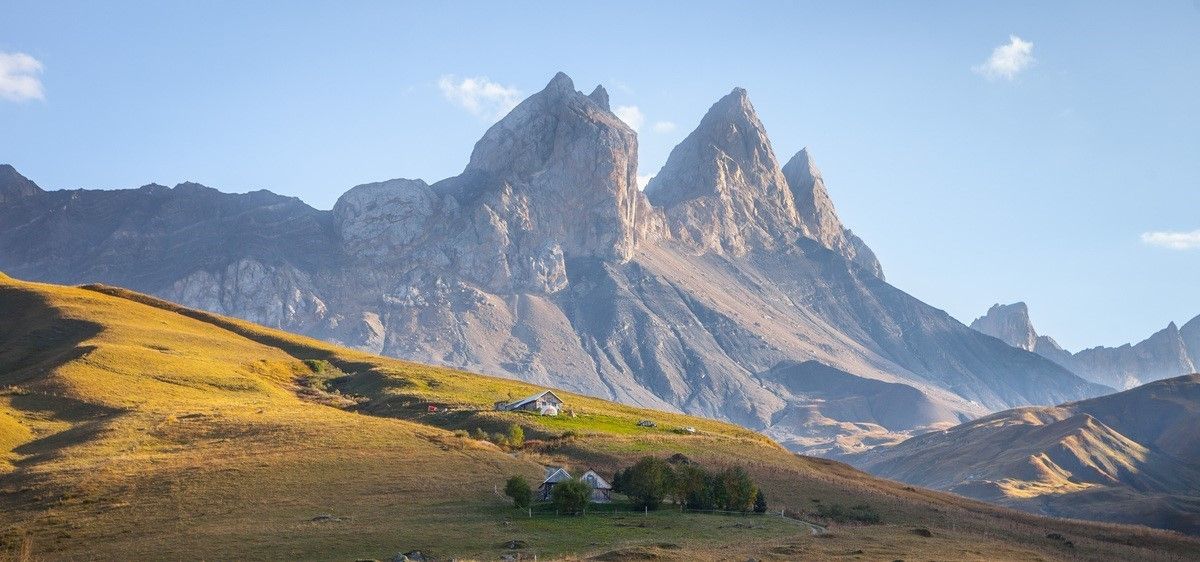
France’s breathtaking Alpine world — road bike routes around Maurienne
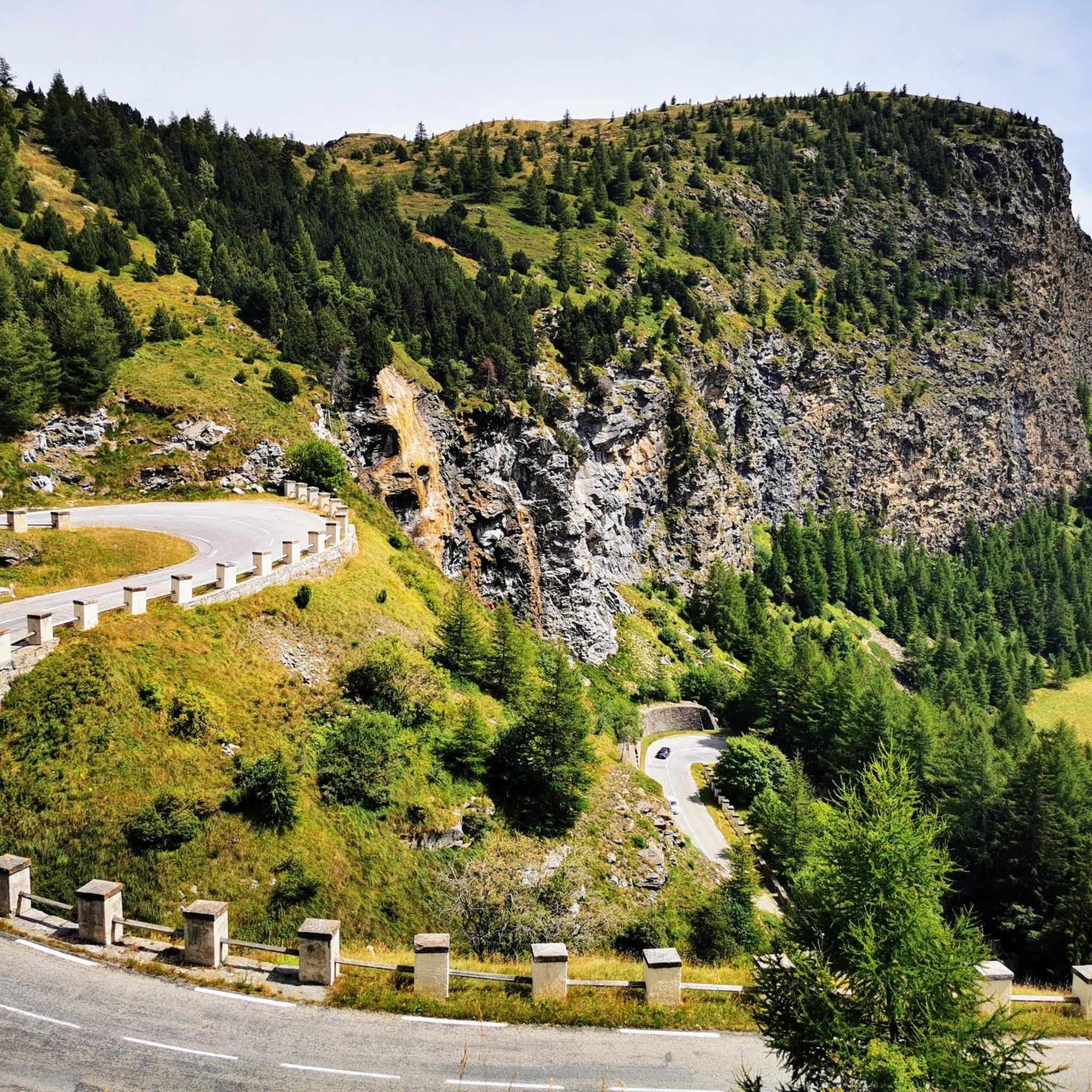
Hiking around Lanslebourg-Mont-Cenis
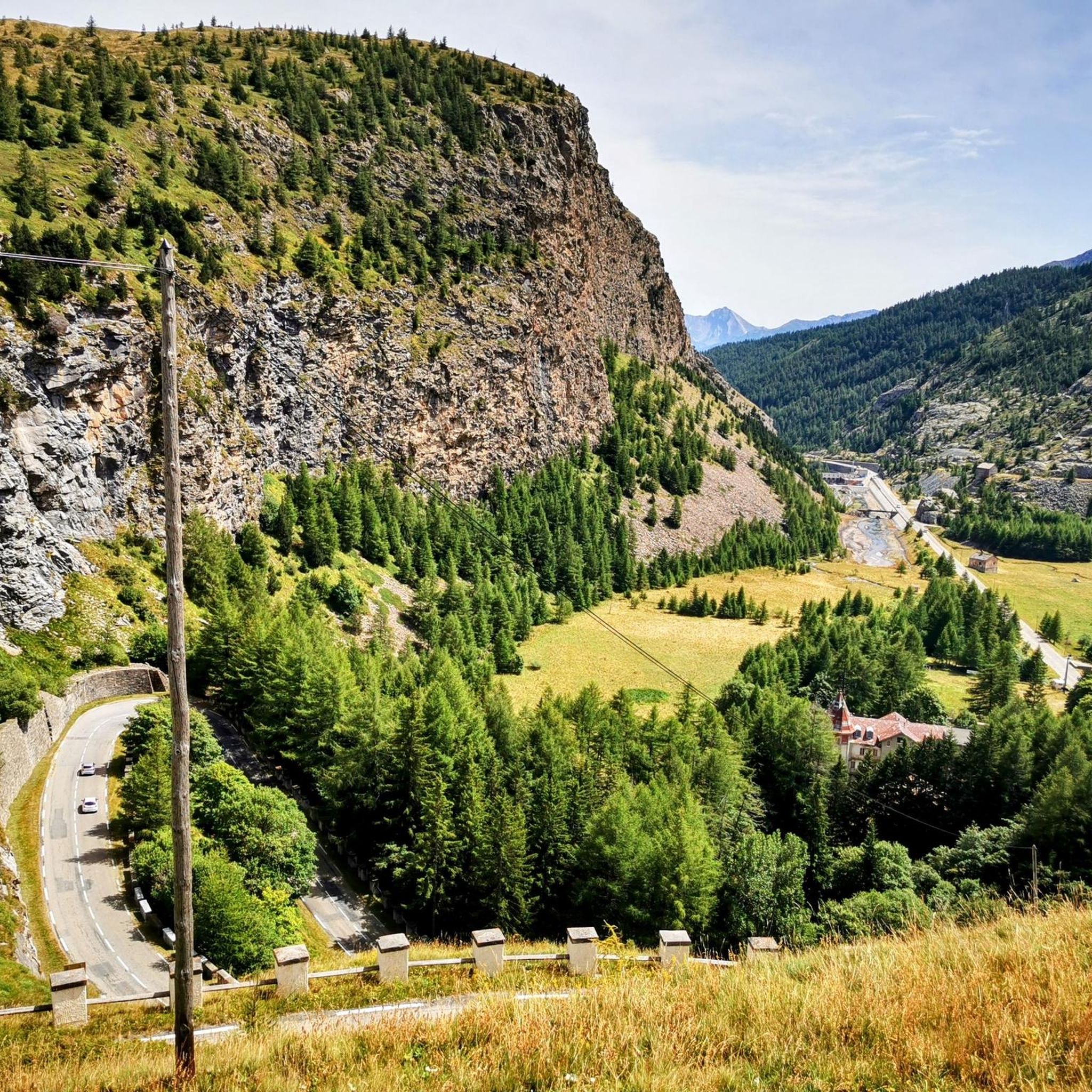
MTB Trails around Lanslebourg-Mont-Cenis
Other adventures around Lanslebourg-Mont-Cenis


Tips from the Community

After the Sacra di S. Michele, the abbey of Novalesa is the most important ancient center of Christianity in the Susa Valley. Dedicated to Saints Peter and Andrew, it dates back to the year 726 and was founded as a monastery of monks who followed a "mixed rule", partly Benedictines, partly followers of the doctrine of St. Columbanus. The abbey then passed to the Benedictine monks who held it until 1646, when the Cistercian monks took over, remaining here until 1798. Subsequently, it was controlled by French monks, during the Napoleonic era, until, returning to the hands of the Piedmontese government, it was transformed into a hotel. Only in 1972, therefore in recent times, did the abbey return once again under the control of the Benedictine monks, who still guard it today. It is located in a splendid position, elevated with respect to the nearby Novalesa, amidst meadows in front of the Rocciamelone, another center of spirituality, as on its summit is built the small sanctuary of the Madonna del Rocciamelone. To visit the abbey, it is advisable to book at the following e-mail address: by writing to visite@abbazianovalesa.org.
0
0

This refuge is managed and open only during the summer months. It's possible to stop for a break when climbing to the summit of Rocciamelone. It's located approximately halfway between La Riposa and Rocciamelone.
0
0

in case of snow be careful not to lose the path
0
0
landing place for beginners, or a useful support point to break the climb in 2
0
0

The Abbey of Saints Peter and Andrew, also known as the Abbey of (or of) Novalesa, is an ancient Benedictine abbey founded in the 8th century and located in the municipality of Novalesa, in the Susa Valley. Since 1972 the abbey complex has been publicly owned, having been purchased in a dilapidated state by the Province of Turin, now the Metropolitan City of Turin, which entrusted it back to the Benedictine monks. The agreement with the Sublacense Benedictine Congregation has made it possible to enhance the historical and artistic importance of the monument and to spread knowledge of the ancient spiritual, cultural and social tradition of the Benedictine abbey.[1] One of the chapels of the complex houses two important cycles of frescoes from the 11th century, one dedicated to the titular Saint Eldrado and the other, among the first known in the West, to Saint Nicholas of Bari.
0
0

i want to climb the Rocciamelone in April from Susa? Is that possible (is there still snow then) and is it easy to lift with other fellow hikers?
0
0

BENEDICTINE ABBEY OF SS. PIETRO AND ANDREA IN NOVALESA. Founded in 726 and located in Val Cenischia (Susa), the Abbey belongs to the Metropolitan City of Turin, which takes care of it, and since 1973 it has been entrusted to the custody of the Benedictine monks of the Sublacense Cassinese Congregation of the Order of Saint Benedict.
1
0

Coming from the path that starts from Bar Moncenisio, you arrive at the crossroads, left for Forte Malamot, right for the dam
0
0
Frequently Asked Questions
Which mountain peaks offer the most impressive panoramic views around Lanslebourg-Mont-Cenis?
For breathtaking panoramic views, consider Rocciamelone Summit, which offers extensive vistas from its 3,538-meter elevation. Rocciamelone Summit is a popular destination for its physical challenge and rewarding scenery. Another excellent choice is Le Signal du Petit Mont Cenis, providing magnificent panoramas of the Mont Cenis lake, the Dents d'Ambin, and the Vanoise glaciers. Pointe de l'Observatoire also lives up to its name, offering an incredible 360-degree view of Mont Blanc, the Péclet Polset massif, and the Vanoise glaciers.
Are there any accessible 3000-meter peaks for experienced hikers in the region?
Yes, Le Signal du Petit Mont Cenis is considered one of the more accessible 3000-meter peaks in the Haute Maurienne Vanoise. It's a fantastic option for experienced hikers looking to conquer a '3000er' without extreme technical difficulty during the summer months. Another option for strong hikers is Mont Thabor, which is accessible in summer without specialized mountaineering equipment, though checking for snow in early July is advised.
What are some of the most challenging mountain peaks for experienced mountaineers?
For experienced mountaineers seeking a challenge, Dent Parrachée (3,697 m) is an iconic and aesthetically pleasing summit in the heart of the Vanoise National Park. Its normal route is considered an excellent introduction to mountaineering, involving varied terrain such as snow slopes (which may require crampons) and an easy yet sometimes exposed rocky ridge. Rocciamelone Summit also presents a significant challenge, with some sections requiring fixed ropes, making it a rewarding experience for those with appropriate gear.
What kind of natural features and wildlife can I expect to see on these mountain peaks?
The mountain peaks around Lanslebourg-Mont-Cenis offer diverse natural features. You'll find alpine meadows and rocky cols on Mont Thabor, while the path to Pointe de l'Observatoire traverses varied landscapes including the turquoise Lake Plan d'Amont, marshy plains, waterfalls, and alpine roses. This area is also a good spot for observing wildlife like marmots and ibex. The region is characterized by its alpine landscapes, glaciers, and stunning views of lakes like Mont Cenis.
Are there any mountain peaks with historical or cultural significance?
Yes, several peaks have historical and cultural importance. Rocciamelone Summit is distinguished by a three-meter statue of the Blessed Virgin Mary at its summit, erected in 1899, and holds the distinction of having one of the earliest documented Alpine ascents in 1358. It's also a popular destination for an annual pilgrimage. Le Signal du Petit Mont Cenis has a commemorative plaque at its summit acknowledging its historical importance from battles fought in April 1945. Mont Thabor features a chapel at its summit, adding a unique cultural element to the hike. Additionally, Droset Peak is noted for its proximity to numerous shelters and bunkers of considerable historical value.
What is the best time of year to hike the mountain peaks near Lanslebourg-Mont-Cenis?
The best time to hike most mountain peaks in this region is generally during the summer months, typically from July to September, when trails are clearer of snow and weather conditions are more stable. For peaks like Mont Thabor, it's advisable to check for snow conditions even in early July. Some peaks, like Rocciamelone Summit, are particularly popular for an annual pilgrimage on August 5th, indicating good conditions around that time.
Are there any mountain peaks that are particularly recognizable or unique in appearance?
Yes, Four Teeth Peak is easily recognizable by its distinct rock formations resembling teeth, visible from the state road to Bardonecchia. Four Teeth Peak offers both an easy climb through 'the pertus' and a more challenging option towards the white chapel.
What outdoor activities can I do near these mountain peaks?
The region around Lanslebourg-Mont-Cenis offers a variety of outdoor activities. You can find numerous hiking trails, ranging from moderate to difficult, such as the 'Via Alpina Blue Trail: Stage D34' or loops around the Petit Mont Cenis Refuge. There are also running trails, including loops around Lake Mont Cenis, and gravel biking routes like the 'Colle dell'Assietta – Blegier Pass loop'. For more details, explore the Hiking around Lanslebourg-Mont-Cenis, Running Trails around Lanslebourg-Mont-Cenis, and Gravel biking around Lanslebourg-Mont-Cenis guides.
Where can I find support points or refuges when climbing higher peaks?
For ascents to peaks like Rocciamelone Summit, the Cà d'Asti Hut (2,854 m) serves as a crucial support point. It's located approximately halfway between La Riposa and Rocciamelone, making it ideal for breaking a longer climb into two days or as a landing place for beginners. The Dent Parrachée refuge also provides a warm atmosphere for hikers and climbers, overlooking the Plan d'Aval and Plan d'Amont dams.
What should I pack for hiking or mountaineering in the Lanslebourg-Mont-Cenis peaks?
Given the high-altitude environment, even on summer days, temperatures can drop dramatically. For challenging climbs like Rocciamelone Summit, walking sticks and hiking boots are essential, and some sections may require fixed ropes. For mountaineering routes on Dent Parrachée, crampons might be necessary depending on snow conditions. Always be prepared for varied terrain and sudden weather changes, and consider layers of clothing.
Are there any less crowded mountain peaks for a more serene alpine experience?
Yes, Mont Thabor, located near the border between the Maurienne and Clarée valleys, offers a quieter alpine experience. It's ideal for those seeking a less crowded hike, providing a serene environment with diverse terrain and stunning views over the Écrins and Vanoise massifs.
Most popular routes around Lanslebourg-Mont-Cenis
Most popular attractions around Lanslebourg-Mont-Cenis

Get inspired with the komoot mobile app


Explore more
See even more amazing summits around Lanslebourg-Mont-Cenis with these guides:
