The best road cycling routes around Bressols
4.2
(103)
5,519
riders
15
rides
Road cycling around Bressols, located in the Tarn-et-Garonne department of France, features a diverse topography of rolling hills and plains. The region includes routes with varying elevation gains, from gentle ascents to more challenging climbs. Cyclists can explore paths alongside rivers and canals, such as the Canal de Montech, which often feature flat, designated "Voies Vertes" or Greenways. The landscape also encompasses expansive agricultural lands and woods, providing a rural cycling experience.
Best road cycling routes around Bressols
- The most…
Last updated: October 18, 2026
3.0
(1)
25
riders
34.2km
01:31
230m
230m
Easy road ride. Great for any fitness level. Mostly well-paved surfaces and easy to ride.
4.0
(1)
16
riders
54.9km
02:14
250m
250m
Moderate road ride. Good fitness required. Mostly well-paved surfaces and easy to ride.

19
riders
88.3km
03:44
510m
510m
Moderate road ride. Good fitness required. Some segments of this route may be unpaved and difficult to ride.
5.0
(1)
12
riders
29.8km
01:29
70m
70m
Easy road ride. Great for any fitness level. Mostly well-paved surfaces and easy to ride.
6
riders
74.5km
03:15
480m
480m
Moderate road ride. Good fitness required. Mostly well-paved surfaces and easy to ride.
Get access to more routes and recommendations from other explorers.
Already have an account?
Our route recommendations are based on thousands of hikes, rides, and runs completed by other people on komoot.
Start today with a free account
Your next adventure awaits.

Tips from the Community

The abbey and its cloister, the historic center, the Art Deco buildings, the Napoleon bridge, the towpath, and the Cacor canal bridge are must-sees. Everything can be easily discovered on foot. Moissac is a major stop on the Camino de Santiago thanks to its exceptional heritage, particularly its abbey, a UNESCO World Heritage site. Its Romanesque cloister and sculpted tympanum make it an emblematic place for pilgrims from all over the world.
0
0
On July 29, 1808, Napoleon I arrived in Moissac, crossing the Tarn on a pontoon bridge. Since the Wars of Religion and floods, previous structures had been destroyed, and the perilous crossing was done by ferry. Work began quickly but ceased with the fall of the First Empire (1814). It resumed in 1820, leading to the inauguration of the Marie-Thérèse bridge on December 19, 1824. It was named in honor of the Dauphine, daughter of Louis XVI and Marie Antoinette, who is said to have laid the keystone of the bridge. It finally became the "Pont Napoléon" in 1859, after Napoleon III's visit to Moissac.
0
0
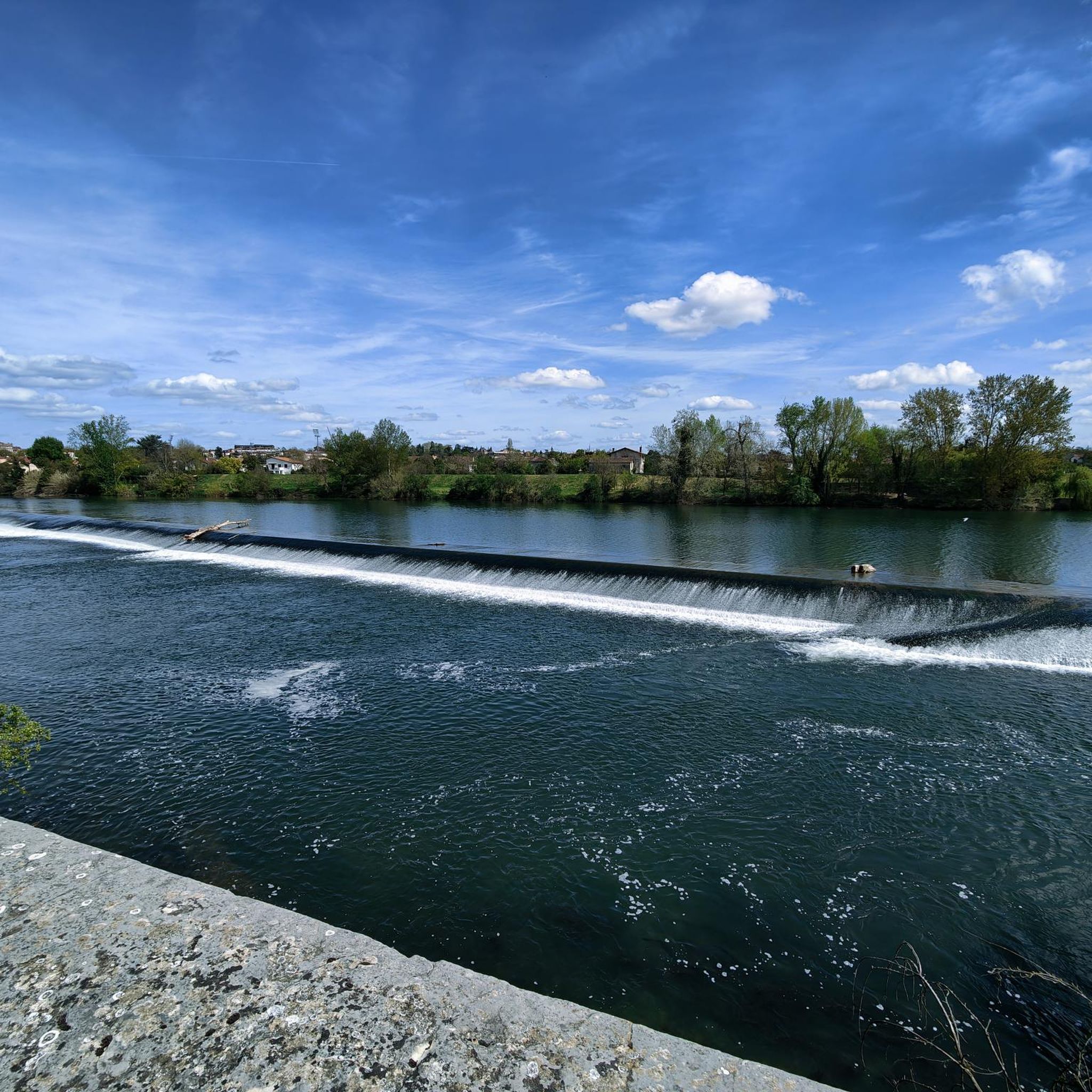
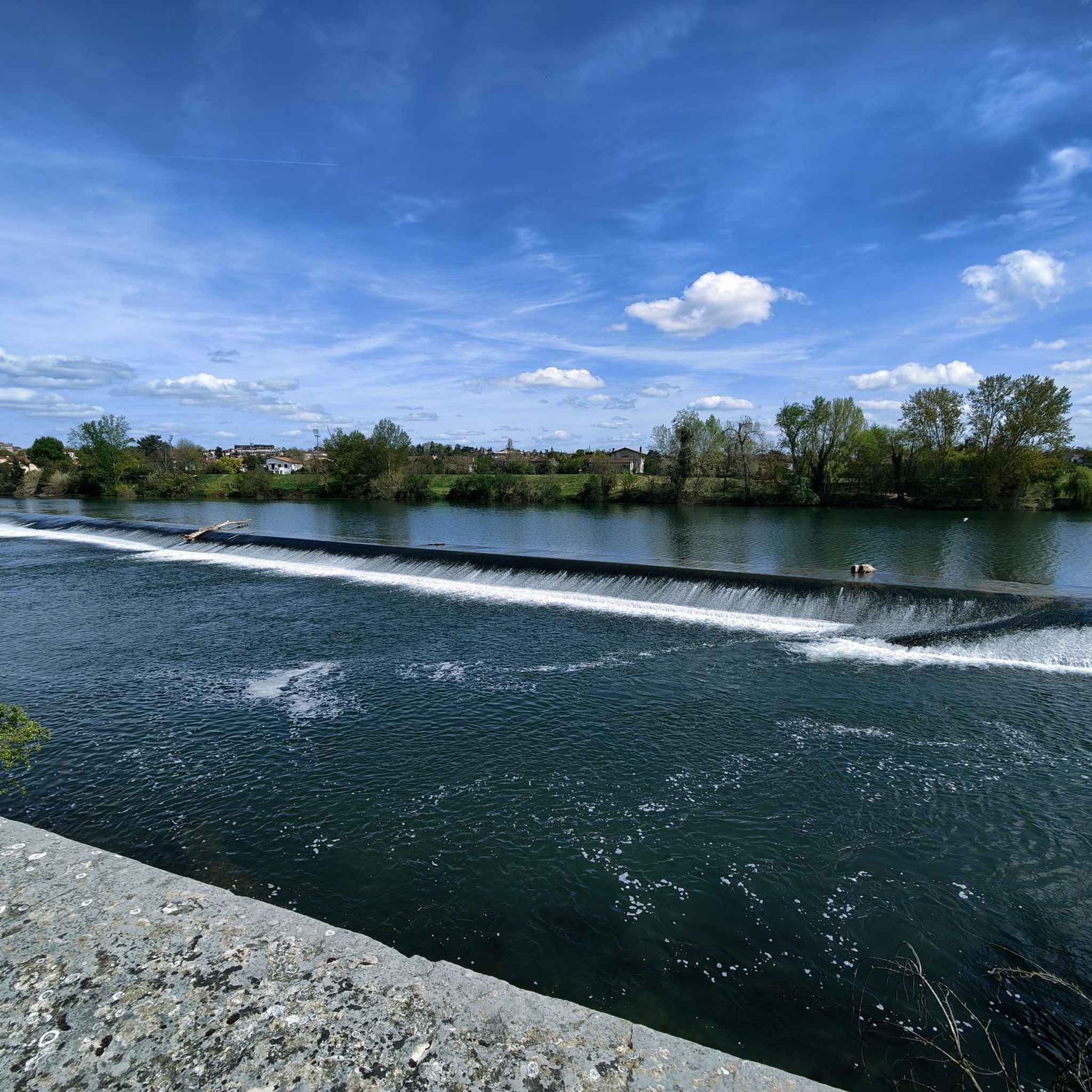
The Pont Cacor is the Canal des 2 mers that passes over the Tarn. With a length of 356 meters and 15 arches, it is the third largest canal bridge in France. Built in 1845, the canal was intended for the transport of goods to Bordeaux. The structure of the bridge, made of Toulouse bricks and white stones from Quercy, symbolizes the meeting of the two waterways and two territories. In addition to being impressive, the Pont Cacor offers a superb view of the Tarn and the orchards of Moissac and Terres des Confluences.
1
0
The Montech canal, 12km long, connects the Canal de Garonne (at Montech) to the Tarn river, in Montauban. It is bordered by two paths, one on each bank.
0
0
Located 44 km from Toulouse and 12 km southwest of Montauban, at the crossroads of the Canal des Deux Mers and the Canal de Montech, the Montech nautical stop offers boaters a welcoming green setting. A stone's throw away, the water slope, a unique structure in Europe, made it possible to cross a series of 5 locks between Montech and Castelsarrasin.
0
0

Third longest canal bridge in France, just after those of Briare in the Loiret and Agen in the Lot et Garonne. Built in 1845, its dimensions, the purity of its lines, the harmonious use of Quercy stone and "Toulouse brick" make it a major architectural element of the region and the heritage of France's Waterways.
0
0


Very smooth section of the canal with little traffic. Be careful of a section on the bridge with large cobblestones.
0
0
Frequently Asked Questions
What types of landscapes can I expect to see while road cycling around Bressols?
The Bressols region offers a diverse cycling experience, featuring a mix of rolling hills and plains for varied elevation, as well as picturesque routes alongside rivers and canals like the Canal de Montech. You'll also traverse expansive agricultural lands, fruit tree plantations, and woods, providing a rich rural and natural setting.
Are there any easy road cycling routes suitable for beginners or relaxed rides?
Yes, Bressols offers several easy routes. Many of the paths along rivers and canals, often designated as 'Voies Vertes' (Greenways), provide flat and accessible terrain. An example is the Montauban – View from the Montauban Bridge loop from Bressols, which is an easy 21.3-mile route offering views of Montauban and its bridge.
Where can I find routes with more challenging climbs around Bressols?
For more challenging rides, focus on routes that venture into the rolling hills surrounding Bressols. While the region includes routes with varying elevation gains up to 1500 feet, you can find moderate options like the Mortarieu Lock - Montauban – Montauban loop from Bressols, which features over 1400 feet of elevation gain over 43.9 miles.
Are there any family-friendly cycling options in the Bressols area?
Absolutely. The 'Voies Vertes' (Greenways) along the canals, such as the Canal de Montech, are ideal for family outings due to their flat, traffic-free nature. These paths are reserved for non-motorized traffic, ensuring a safe and pleasant experience for all ages. Montauban Tourisme also highlights numerous walking and cycling routes suitable for families.
What interesting landmarks or attractions can I see along the cycling routes?
While cycling, you can discover various points of interest. Routes often pass by historical sites like the Montech Water Slope and the scenic Montech Canal. You'll also encounter charming towns such as Montech and Montauban, offering cultural and architectural heritage.
Are there specific routes that offer panoramic views?
Yes, the hilly sections around Bressols can lead to elevated vantage points. These routes often provide rewarding panoramic views of the varied landscapes, including churches, expansive fields, and rivers. Some routes also offer views towards Pompignan.
What do other cyclists say about road cycling in Bressols?
The road cycling routes around Bressols are highly rated by the komoot community, with an average score of 4.0 stars from over 30 reviews. Cyclists often praise the diverse terrain, from flat Greenways to routes with moderate climbs, and the immersive rural experience through agricultural lands and riverbanks.
Is it possible to rent a bike in or near Bressols?
While Bressols itself may have limited options, its proximity to Montauban is beneficial. Montauban, a city that actively promotes cycling, has a 'Maison du Vélo' (Bike House) where cyclists can rent bikes or seek advice. This makes it a convenient option for bike rentals in the area.
Are there any circular road cycling routes available from Bressols?
Yes, many of the routes around Bressols are designed as loops, allowing you to start and end in the same location. Examples include the Montauban – Streets of Montauban loop from Bressols and the Montech Canal – Verdun-sur-Garonne loop from Bressols, providing convenient circular journeys.
What is the best time of year for road cycling in Bressols?
The region is generally pleasant for cycling through much of the year. Spring and autumn offer mild temperatures and beautiful scenery, ideal for longer rides. Summer can be warm, but early mornings or late afternoons are often comfortable. Winter conditions are generally mild, allowing for cycling, though checking local weather is always recommended.
Are there specific routes that follow canals or rivers?
Yes, the presence of rivers and canals like the Canal de Montech and the Aveyron provides excellent opportunities for cycling. Many routes utilize old towpaths, which are often designated as 'Voies Vertes' (Greenways), offering pleasant, flat rides with scenic views of the waterways. The Montech Canal – Verdun-sur-Garonne loop from Bressols is a great example of a route that follows the canal.
Where can I find parking for cyclists in Bressols?
While specific parking areas for cyclists in Bressols center aren't detailed, many routes, such as the Roadbike loop from Parking péage de Montauban Sud-Bressols, indicate starting points with parking availability. Generally, parking is accessible near trailheads or in the towns along the routes.
Most popular attractions around Bressols

Get inspired with the komoot mobile app


Explore more
Browse the best Road cycling routes in other regions.
