Attractions and Places To See around Fauroux - Top 10
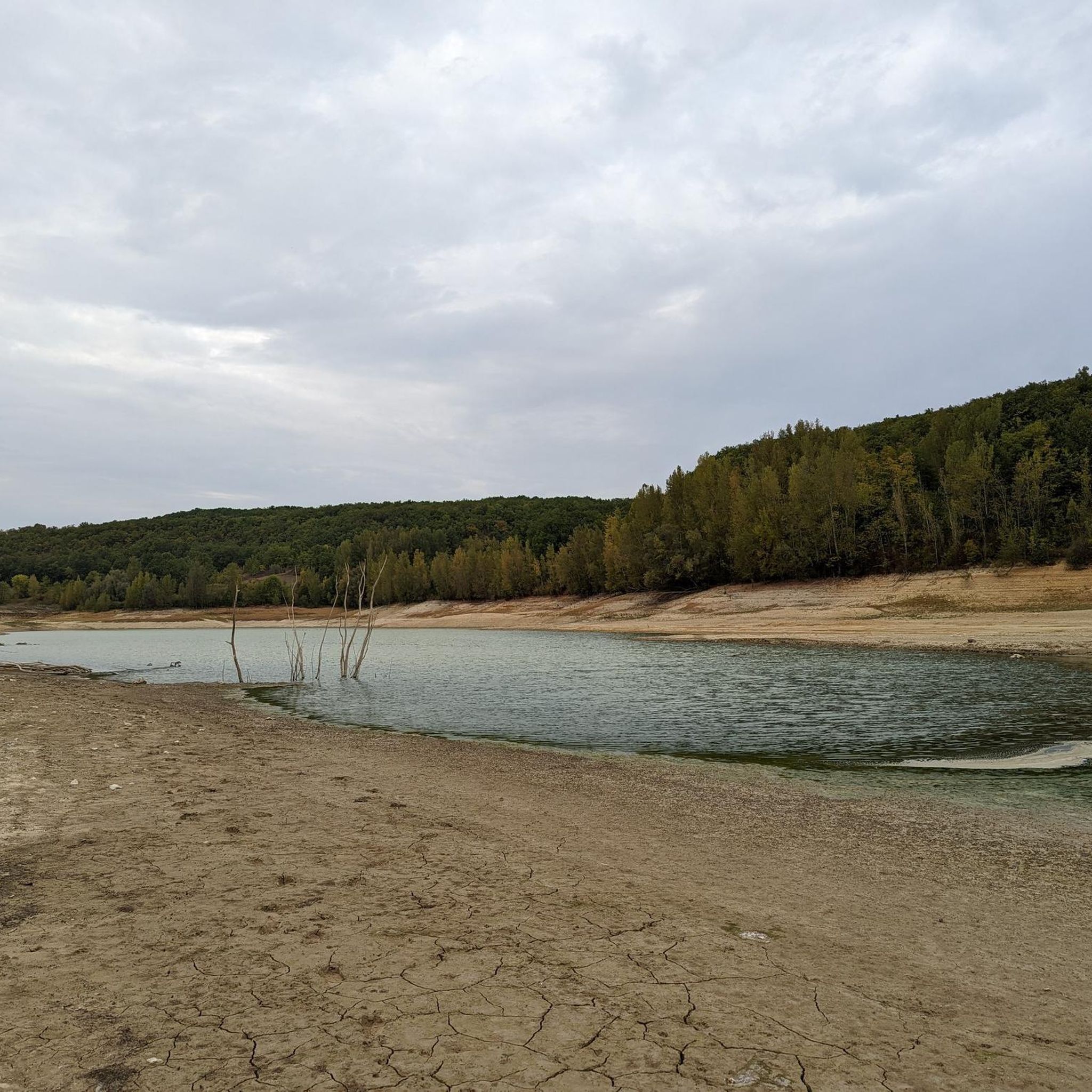
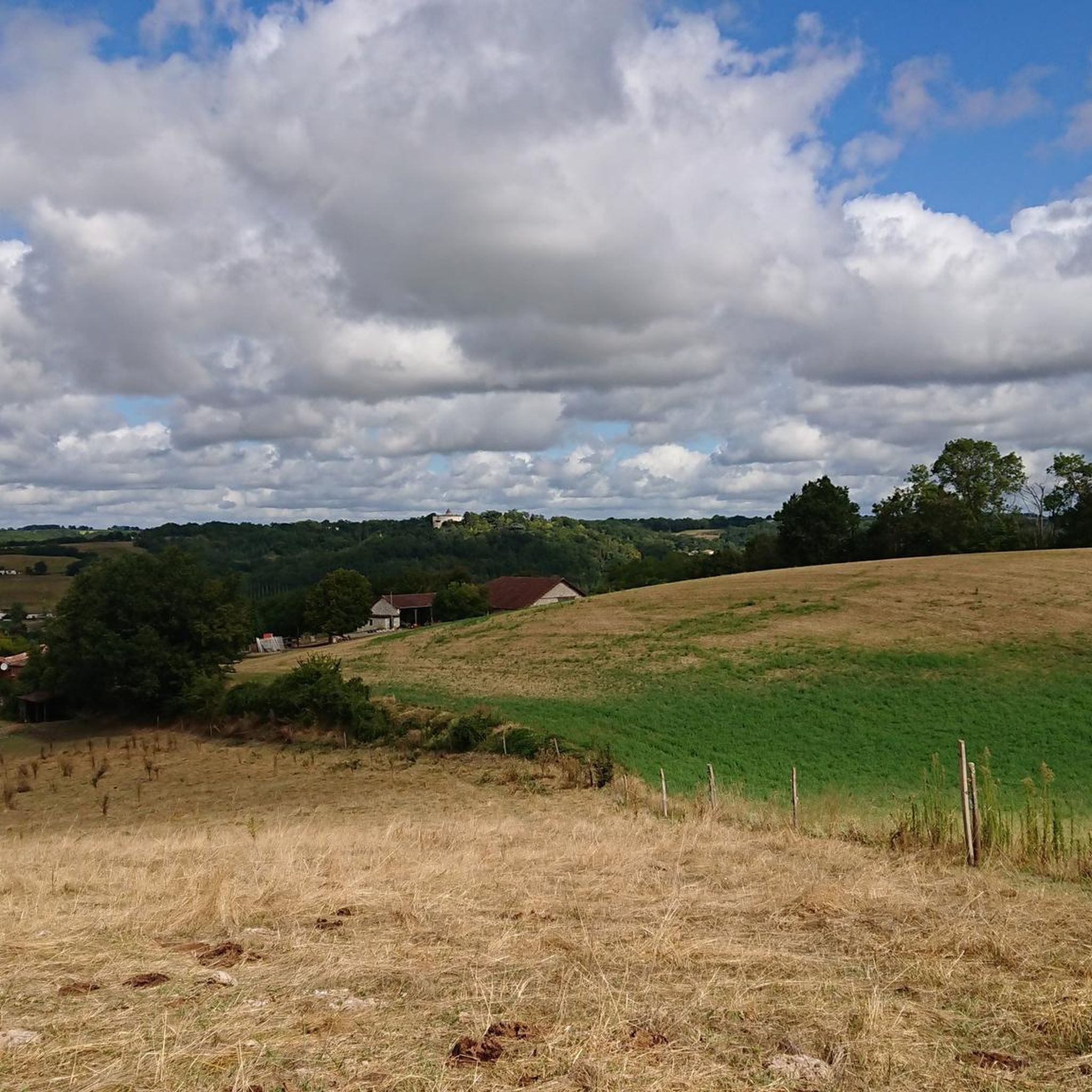
Best attractions and places to see around Fauroux include a rural landscape characterized by sunflowers, wheat, orchards, and vineyards. This village in the Tarn-et-Garonne department of France serves as a base for exploring cultural and historical sites. The area features medieval villages, historic castles, and natural viewpoints. Visitors can find a variety of attractions within the immediate vicinity and the wider Occitanie region.
Best attractions and places to see around Fauroux
- The most popular attractions is Place des Cornières de…
Last updated: June 29, 2026
Place des Cornières de Lauzerte
Highlight • Historical Site
Many of …
Translated by Google •
Tip by

Château de Beauville and viewpoint
Highlight • Castle
Translated by Google •
Tip by

Sign up now to discover places like this
Get recommendations on the best single tracks, peaks, & plenty of other exciting outdoor places.
Sign up for free
Combebonnet Castle
Highlight • Castle
Translated by Google •
Tip by
Lauzerte Medieval Hilltop Village
Highlight • Settlement
Translated by Google •
Tip by

Beauville
Highlight • Other
Translated by Google •
Tip by

Sign up for free to discover even more attractions around Fauroux.
Sign up for free
Already have an account?
Start today with a free account
Your next adventure awaits.
Login or Signup

Tips from the Community

Overlooking the valley from its promontory, the town of Beauville seems to be one with the rock. To see: the corner square, surrounded by stone and half-timbered houses, the Saint-Jacques church, dating from the 14th century (with its Renaissance door and the bell tower-porch). It is said that during the Hundred Years' War, Beauville, formerly called Boville (city of the Ox), triumphantly resisted the attacks of the English.
0
0
Old fortified castle, located on a rocky promontory, defending the village of Beauville. It is made up of thick surrounding walls, a protective half-moon. The foundations and bases date from the end of the 13th century. About half of the building dates from the 16th century (mullioned windows). The Renaissance architecture is present in the front door and the fireplaces. Finally, a wing of the building was rebuilt in the 19th century. From 1831 to 1976, the building served as a gendarmerie barracks. Private castle. Can only be seen from the outside. By the way, don't forget to enjoy the beautiful views outside from this high vantage point.
0
0
Combebonnet would have originally been the center of a rural exploitation. To defend it, its owner would have built a small fortress. The original castle had the shape of a right triangle whose east and west angles were topped with cantilevered watchtowers. Two of the sides were naturally fortified. At the end of the 13th or beginning of the 14th century, a square tower armed with cross pattée loopholes was added to the north corner. The castle was remodeled and enlarged at the end of the 15th or beginning of the 16th century. It was perhaps at this time that buildings, now demolished, were attached to the east, and a chapel was built as well as the enclosure which defended some houses. In the 17th century, the castle was extended on the north side. The two semi-circular portals decorated with columns, giving access to the courtyard, date from this period. To the west stands a chapel with a flat apse.
0
0

Chateau de Beauville, beautiful but quiet village in the Dordogne
0
0

Beauville Castle was a fortified castle built around the 13th century. What you see today was mostly built in the 16th century. It was used as a Gendarmerie barracks from 1831 to 1976. By the way, don't forget to appreciate the beautiful views outside from this high vantage point.
3
0
The first mention of this castle dates from around 1350. It dominates a deep valley and is visible from the east and south. It is not known exactly why, but in 1790 local troublemakers threatened to burn the castle, but the villagers came to its aid.
3
0


Lauzerte is a magnificent fortified medieval city perched on top of a hill. Lauzerte is a very picturesque town and offers spectacular views of the surroundings.
2
0
Frequently Asked Questions
What are some notable historical and cultural sites to explore near Fauroux?
The region around Fauroux is rich in history. You can visit the medieval bastide of Lauzerte Medieval Hilltop Village, known for its spectacular views and the charming Place des Cornières de Lauzerte with its arcaded market square. Other significant sites include the Abbaye de Saint Maurin, the Eglise Notre Dame in Frespech, and the impressive Moissac Abbatiale St Pierre, a major monument on French pilgrim routes.
Are there any castles or fortified structures in the vicinity of Fauroux?
Yes, several castles and fortified structures dot the landscape. The Château de Beauville and viewpoint, built around the 13th century, offers beautiful views from its high vantage point. Another historical gem is Combebonnet Castle, which dates back to around 1350 and dominates a deep valley.
Which picturesque villages are worth visiting close to Fauroux?
Fauroux is surrounded by many charming villages. Lauzerte Medieval Hilltop Village is recognized as one of the 'Most Beautiful Villages in France'. Other picturesque options include Auvillar and Pujols, also officially recognized for their beauty. Closer to Fauroux, you'll find the small, appealing villages of Brassac, Bourg-de-Visa, Castelsagrat, Montjoi, Roquecor, and Beauville.
What kind of natural features or gardens can I explore near Fauroux?
The general landscape around Fauroux is a natural attraction itself, with vast fields of sunflowers, wheat, orchards, and vineyards providing scenic views. For specific natural sites, you can visit the Grottes de Fontirou, a designated site of natural beauty. Additionally, cultivated natural spaces like the Jardin du Pèlerin and the Jardins secrets de Cahors offer tranquil experiences.
What outdoor activities, like hiking, are available around Fauroux?
There are several hiking opportunities around Fauroux. You can explore routes such as the 'Château de Combebonnet – Combebonnet Castle loop' or the 'Water Spillway – Small Waterfall loop'. For more options and detailed route information, you can check the dedicated guide for Hiking around Fauroux.
Are there cycling routes suitable for road bikes or touring bikes near Fauroux?
Yes, the area offers diverse cycling routes. Road cyclists can enjoy scenic loops like 'Moissac – Moissac Canal loop' or 'Lauzerte loop'. For touring cyclists, options include 'Castelsagrat – Perfect place for lunch break – View of Lauzerte loop' and 'Combebonnet Castle – Saint-Maurin Market Hall loop'. Find more routes in the guides for Road Cycling Routes around Fauroux and Cycling around Fauroux.
What family-friendly attractions are available near Fauroux?
For family fun, Walibi Aquitaine, an amusement park located about 38km from Fauroux, offers entertainment for all ages. Many of the historical sites, such as Place des Cornières de Lauzerte, are also considered family-friendly, providing an engaging way to learn about local history and culture.
Where can I experience local life and find markets near Fauroux?
To immerse yourself in local life, visit the markets in nearby towns. Montaigu-de-Quercy hosts a market on Saturdays, while Moissac offers markets on both Saturdays and Sundays. These markets are excellent places to find local produce, crafts, and experience the regional atmosphere.
What do visitors particularly enjoy about the attractions around Fauroux?
Visitors frequently praise the picturesque beauty and historical significance of the area. The elevated village of Lauzerte Medieval Hilltop Village is often highlighted for its spectacular views and charming architecture. The Place des Cornières de Lauzerte is also noted for its beautifully renovated medieval and Renaissance facades.
Are there any unique or adventurous activities near Fauroux?
For those seeking a unique adventure, the Ecole de Parachutisme de Bouloc offers parachuting experiences. This provides an exhilarating way to see the beautiful Tarn-et-Garonne landscape from a different perspective.
What is the best time of year to visit Fauroux for sightseeing and outdoor activities?
The region is particularly beautiful during spring and summer when the fields are vibrant with sunflowers, wheat, orchards, and vineyards. This period is ideal for sightseeing, enjoying the natural landscape, and participating in outdoor activities like hiking and cycling. The weather is generally pleasant for exploring the villages and historical sites.

Get inspired with the komoot mobile app


Explore more
Still not found the Highlight you’re looking for? See guides of the top attractions in other regions:
