The best road cycling routes around Oost-Cappel
4.4
(39)
1,193
riders
106
rides
Road cycling routes around Oost-Cappel, located in the Nord department of France, traverse a predominantly rural and calm landscape. The area is characterized by quiet agricultural roads and a network of dedicated cycling paths, offering a peaceful experience away from heavy traffic. While generally flat, some routes incorporate gentle rolling hills, providing varied terrain for different cycling disciplines. This region offers a diverse range of road cycling options suitable for exploration.
Best road cycling routes around Oost-Cappel
- The most popular…
Last updated: August 31, 2026
5.0
(1)
15
riders
57.0km
02:39
520m
520m
Moderate road ride. Good fitness required. Mostly well-paved surfaces and easy to ride.
12
riders
59.6km
02:49
580m
580m
Moderate road ride. Good fitness required. Some segments of this route may be unpaved and difficult to ride.

Sign up for free
5.0
(1)
8
riders
49.0km
02:05
100m
100m
Moderate road ride. Good fitness required. Mostly well-paved surfaces and easy to ride.
10
riders
Moderate road ride. Good fitness required. Some segments of this route may be unpaved and difficult to ride.
8
riders
70.0km
03:08
120m
120m
Moderate road ride. Good fitness required. Mostly well-paved surfaces and easy to ride.
Get access to more routes and recommendations from other explorers.
Sign up for free
Already have an account?
Our route recommendations are based on thousands of hikes, rides, and runs completed by other people on komoot.
Start today with a free account
Your next adventure awaits.
Login or Signup
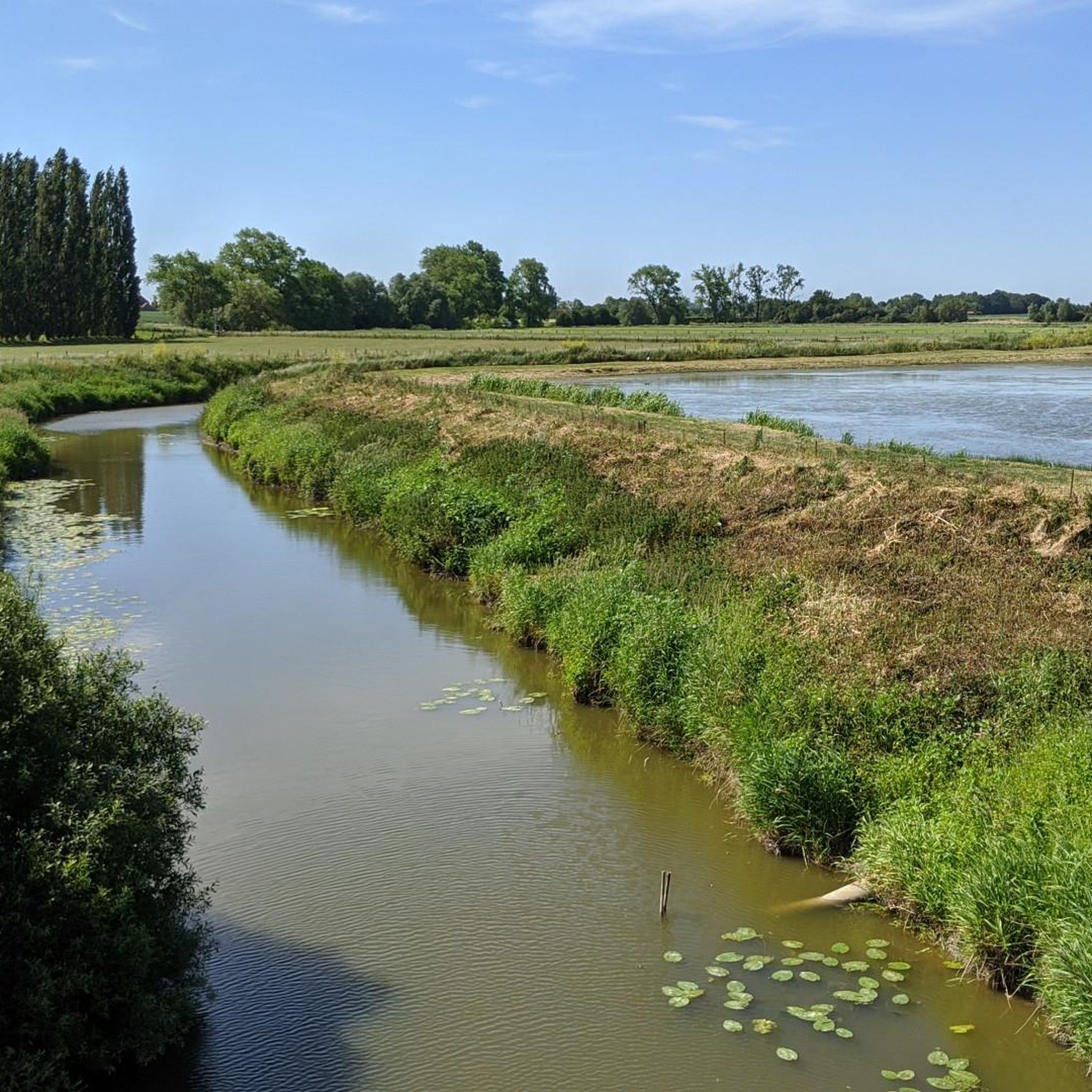
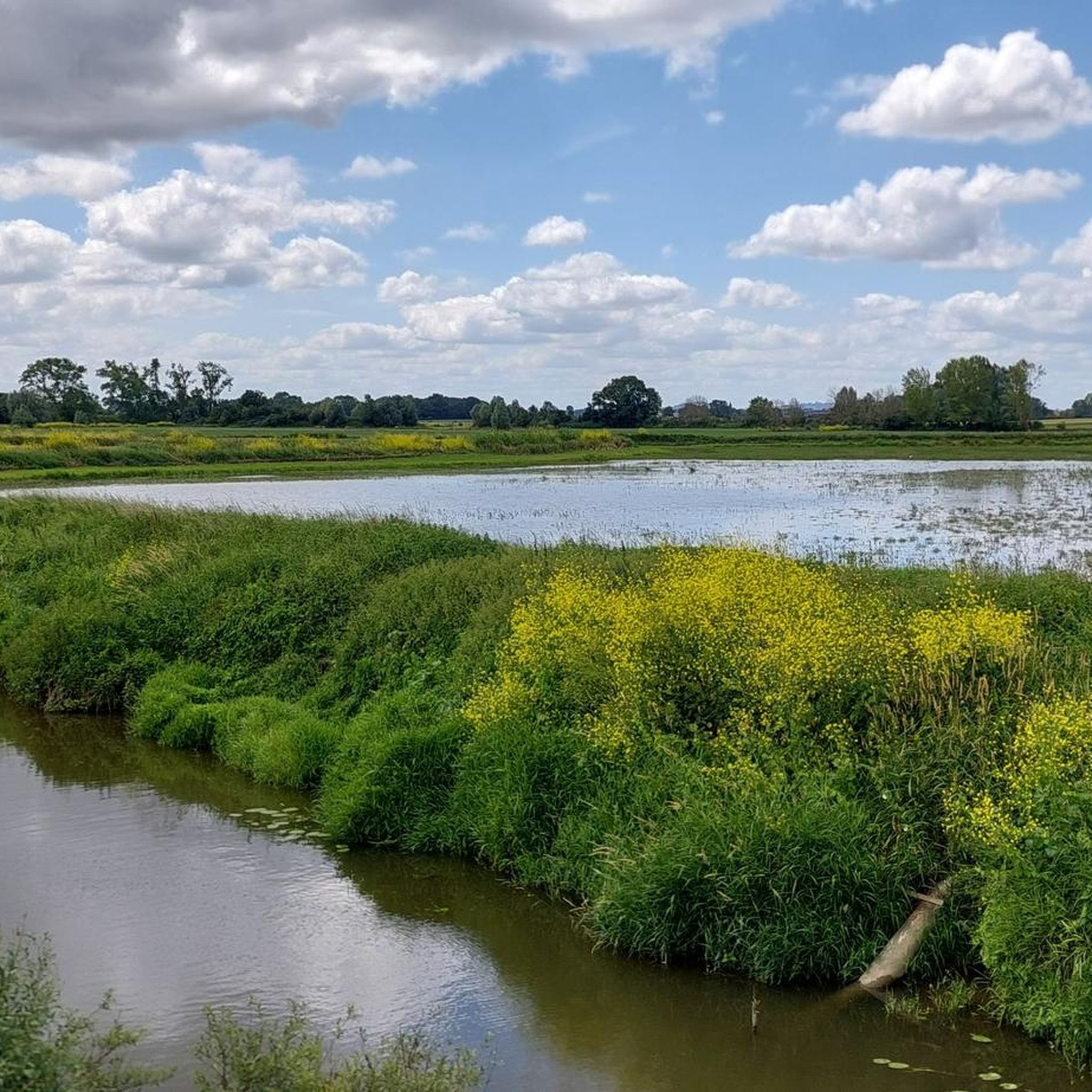
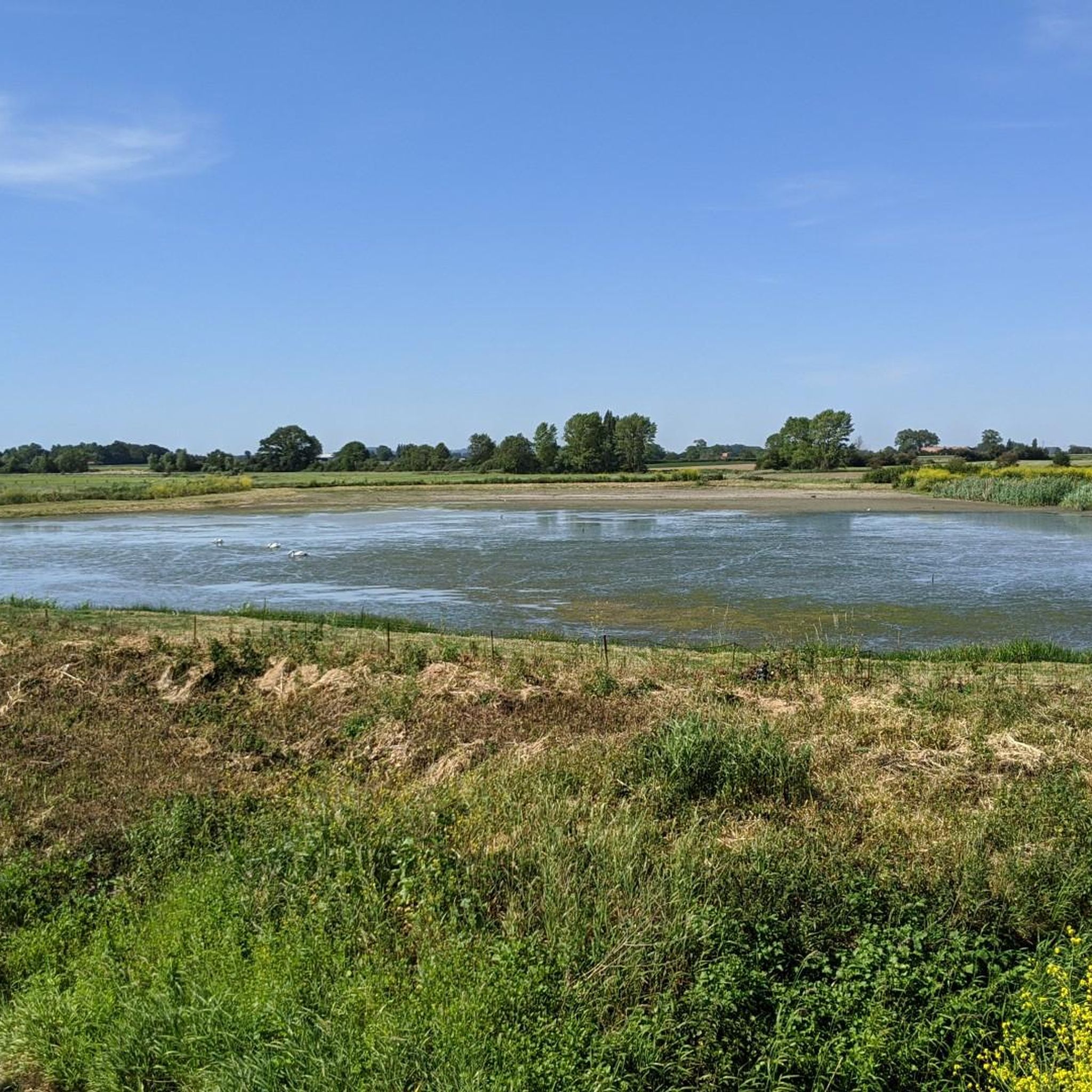

Tips from the Community

Bridge closure: The bridge at Fintele is closed to all traffic until October 2, 2026 due to works. New lock gates are being installed, among other things. I came from the Diksmuide direction, had to turn back and continued cycling along Reninge. I haven't seen the situation on the other side yet (whether you can continue to Veurne, for example)
0
0


very impressive monument and museum. Must see if in the area
0
0

The monastery was founded in 1492, at the initiative of Canon de Vooght of the Saint Walburga Chapter of Veurne, and Sister Maria Poret, the first superior. A house and property were purchased on Zuidstraat in Lo in 1493. Emperor Maximilian I granted permission in 1493 to build a small chapel, refectory, dormitory, and tower with a clock. The monks were initially present in Lo to combat the plague. The tower sparked a conflict between the provost of the provostry (later to become Saint Peter's Abbey) and the Grey Sisters. The provost considered the tower too high. This led to a lawsuit, in which the judges ruled that the sisters could keep their tower unchanged if they presented the provost with two chickens each year at Easter. The tower was renovated in 1560, destroyed in 1579, and rebuilt on a smaller scale. Besides expansions in the 16th and 17th centuries, the convent also suffered damage and destruction during religious unrest in the same period. A low point was the confiscation in 1798 by the French revolutionaries. A confidant of the sisters, former mayor J.B. Ryon, bought up the undeclared goods so that the sisters could repurchase them after the Concordat. The Grey Sisters founded a school in 1763, and in response to the establishment of a municipal school, they started a Catholic boys' school on Zuidstraat in 1836. During the First World War, Lo was shelled by the Germans, and the convent's tower was destroyed. The 17th-century hospital on the east side of the market square was destroyed and never rebuilt. Reconstruction and repairs of the convent followed in 1922-1926, with the tower being raised, modeled on the town hall tower. The west wing has been restored and adapted in a historicist style. https://nl.wikipedia.org/wiki/Klooster_van_de_Grauwzusters_(Lo)
1
0
The old town hall and belfry now serve as a hotel and restaurant. The town hall and belfry have been on the UNESCO World Heritage List since 1999 as part of the joint registration of a group of 56 belfries in Belgium and France. https://nl.wikipedia.org/wiki/Stadhuis_van_Lo
2
0
The Caesarsboom is an old yew tree (also known as poison tree) in the town of Lo in the Belgian Westhoek region. The tree is one of Lo's typical symbols and is located next to the medieval Westpoort gate. The name refers to a legend about Julius Caesar, who is said to have taken a nap under the tree in 55 BC on his way to Britain and tied his horse to it. The story goes back to the historian Jean-Baptiste Gramaye, who was the first to allow Caesar to pass through Lo in 1612. In reality, the Caesarsboom is approximately 250 years old. A painting from the late 18th century depicts its predecessor in full maturity. https://nl.wikipedia.org/wiki/Caesarsboom
2
0

The sculptor is Fernand Vanderplancke, and the bronze caster is Peter Berghman (Roeselaere, 1964). In 1994, De Panne commissioned Bruges sculptor Fernand Vanderplancke, who lives in Oostduinkerke, to create a work of art that references the sea and is constantly in motion. The result is three seagulls atop a 7-meter-high pole. "The stylized seagulls symbolize the freedom that is central to a beach holiday at De Panne. The seagulls are connected at only a few points and hang on a pole at a height of seven meters." Source: De Panne, beeld voor beeld, Cultuurdienst
3
0

Frequently Asked Questions
How many road cycling routes are available around Oost-Cappel?
There are over 100 road cycling routes available around Oost-Cappel, offering a diverse range of options for cyclists. These routes are highly rated by the komoot community, with an average score of 4.2 stars.
What is the general terrain like for road cycling in Oost-Cappel?
The terrain around Oost-Cappel is predominantly rural and calm, characterized by quiet agricultural roads and dedicated cycling paths. While generally flat, some routes incorporate gentle rolling hills, providing varied terrain suitable for different cycling disciplines.
What are the difficulty levels of road cycling routes in Oost-Cappel?
The routes in Oost-Cappel cater to various ability levels. You'll find 18 easy routes, 89 moderate routes, and 2 more challenging options, ensuring there's something for every cyclist.
Are there any loop road cycling routes in the Oost-Cappel area?
Yes, many road cycling routes around Oost-Cappel are designed as loops. For example, the Mont des Cats – Mont des Cats Abbey loop from Beveren aan de IJzer is a popular moderate route, and the Café De Miserie – West Gate loop from Bambecque also offers a circular journey through rural landscapes.
What interesting landmarks or sights can I see along road cycling routes near Oost-Cappel?
While cycling, you can explore several points of interest. Notable attractions include the historic Dozinghem Military Cemetery, the Fintele Lock, and the picturesque Yser at Roesbrugge. The De Lovie Castle Park and the Church of the Beheading of Saint John, Stavele also offer cultural stops.
What do other road cyclists appreciate about the routes around Oost-Cappel?
The road cycling routes in Oost-Cappel are highly rated by the komoot community, with an average score of 4.2 stars from over 30 reviews. Cyclists often praise the quiet rural roads, the peaceful agricultural landscapes, and the varied terrain that includes gentle rolling hills.
Are there family-friendly road cycling options in Oost-Cappel?
Yes, the calm and rural setting of Oost-Cappel, with its network of dedicated cycling paths and quiet roads, makes it suitable for family-friendly cycling. Many routes are generally flat, offering a peaceful experience away from heavy traffic.
Where can cyclists find places to eat or stay near Oost-Cappel?
While Oost-Cappel is a smaller commune, its proximity to other towns means you can find cafes, restaurants, and accommodation options in the broader vicinity. The region is well-equipped to cater to cyclists, with various establishments listed on platforms like Komoot and RouteYou.
Are there any routes that offer significant climbs or elevation challenges?
Yes, for those seeking more elevation, routes like the Baneberg Climb – Scherpenbergweg loop from Roesbrugge-Haringe feature climbs such as Baneberg, offering views over the surrounding countryside. The Mont des Cats – Mont des Cats Abbey loop from Beveren aan de IJzer also includes the ascent to Mont des Cats Abbey.
Can I combine road cycling with historical exploration in this region?
Absolutely. The broader region around Oost-Cappel offers a rich historical context. Routes like the Boezinge–Drie-Grachten Cycle Path along the Ypres-Yzer Canal are noted for their tranquil environment and picturesque, historic settings. You can also visit nearby historical sites such as the Dozinghem Military Cemetery and Fintele Lock.
What kind of landscapes will I encounter on a road cycling tour around Oost-Cappel?
You will primarily encounter rural and agricultural landscapes, characterized by open fields, quiet country roads, and peaceful natural settings. The region offers beautiful cycling routes that emphasize nature, providing a serene backdrop for your ride.
Are there any routes that follow canals or rivers?
Yes, the broader region features routes that follow waterways. A notable example is the Boezinge–Drie-Grachten Cycle Path, which runs along the Ypres-Yzer Canal, offering a tranquil and picturesque ride.
Most popular routes around Oost-Cappel
Most popular attractions around Oost-Cappel

Get inspired with the komoot mobile app


Explore more
Browse the best Road cycling routes in other regions.
