The best cycling routes around Fontcouverte
4.4
(177)
1,380
riders
152
rides
Touring cycling routes around Fontcouverte traverse a diverse landscape characterized by rolling hills, dense woodlands, and expansive vineyards. The region offers varied terrain, from cultivated lands to more dramatic mountain slopes, providing a range of experiences for cyclists. Routes often feature scenic views of the surrounding countryside, including river valleys and historical sites. The area's physical features make it suitable for both leisurely rides and more challenging ascents.
Best touring cycling routes around Fontcouverte
- The most popular touring cycling route…
Last updated: May 15, 2026
5.0
(4)
49
riders
57.4km
03:58
310m
310m
Moderate bike ride. Good fitness required. Mostly paved surfaces. Suitable for all skill levels.
37
riders
48.4km
03:44
360m
360m
Hard bike ride. Good fitness required. You may need to push your bike for some segments of this route.

Sign up for free
28
riders
34.8km
02:48
340m
340m
Hard bike ride. Good fitness required. You may need to push your bike for some segments of this route.
5.0
(1)
11
riders
Easy bike ride. Great for any fitness level. Mostly paved surfaces. Suitable for all skill levels.
5.0
(1)
4
riders
38.2km
02:42
250m
250m
Moderate bike ride. Good fitness required. Mostly paved surfaces. Suitable for all skill levels.
Get access to more routes and recommendations from other explorers.
Sign up for free
Already have an account?
Our route recommendations are based on thousands of hikes, rides, and runs completed by other people on komoot.
Start today with a free account
Your next adventure awaits.
Login or Signup

Tips from the Community

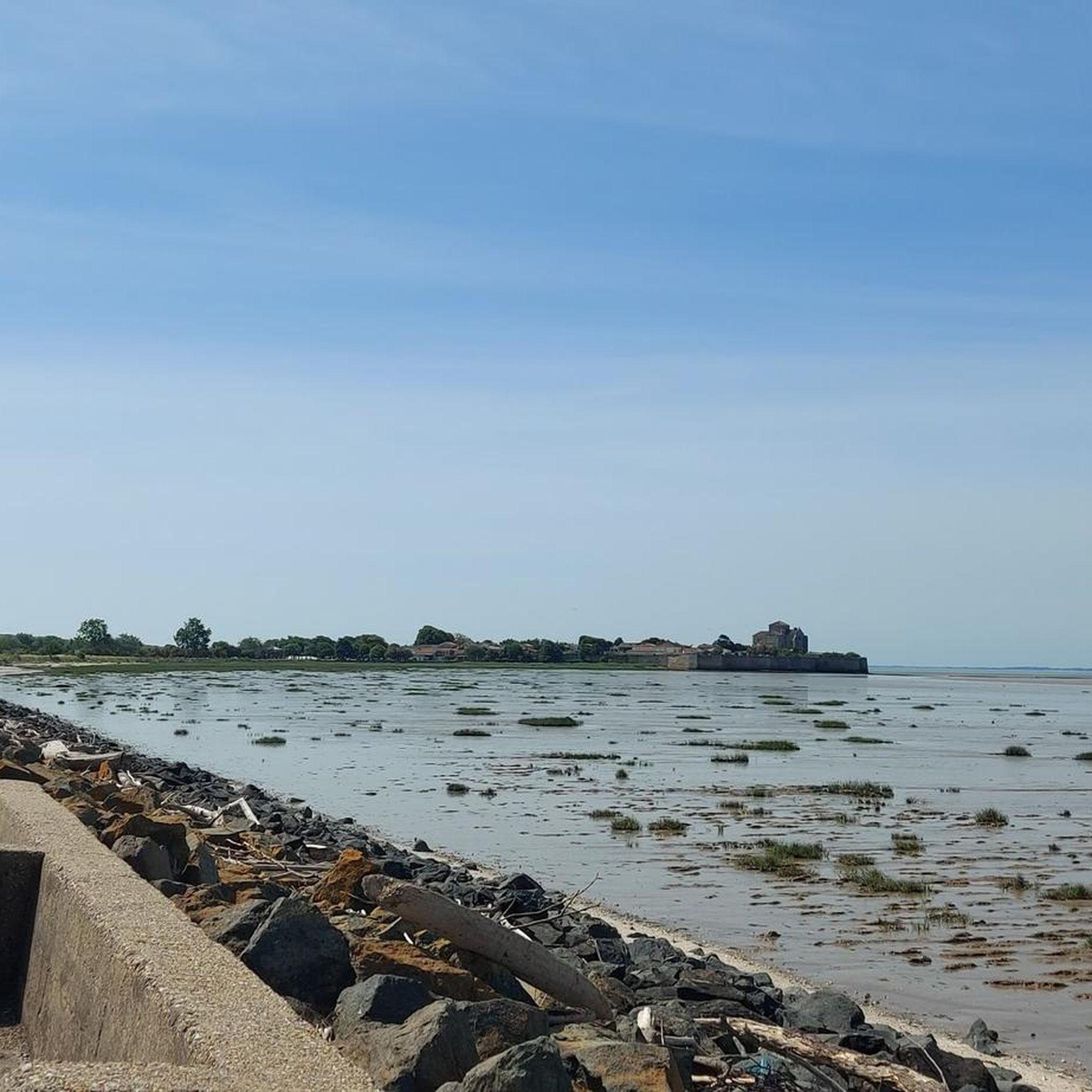
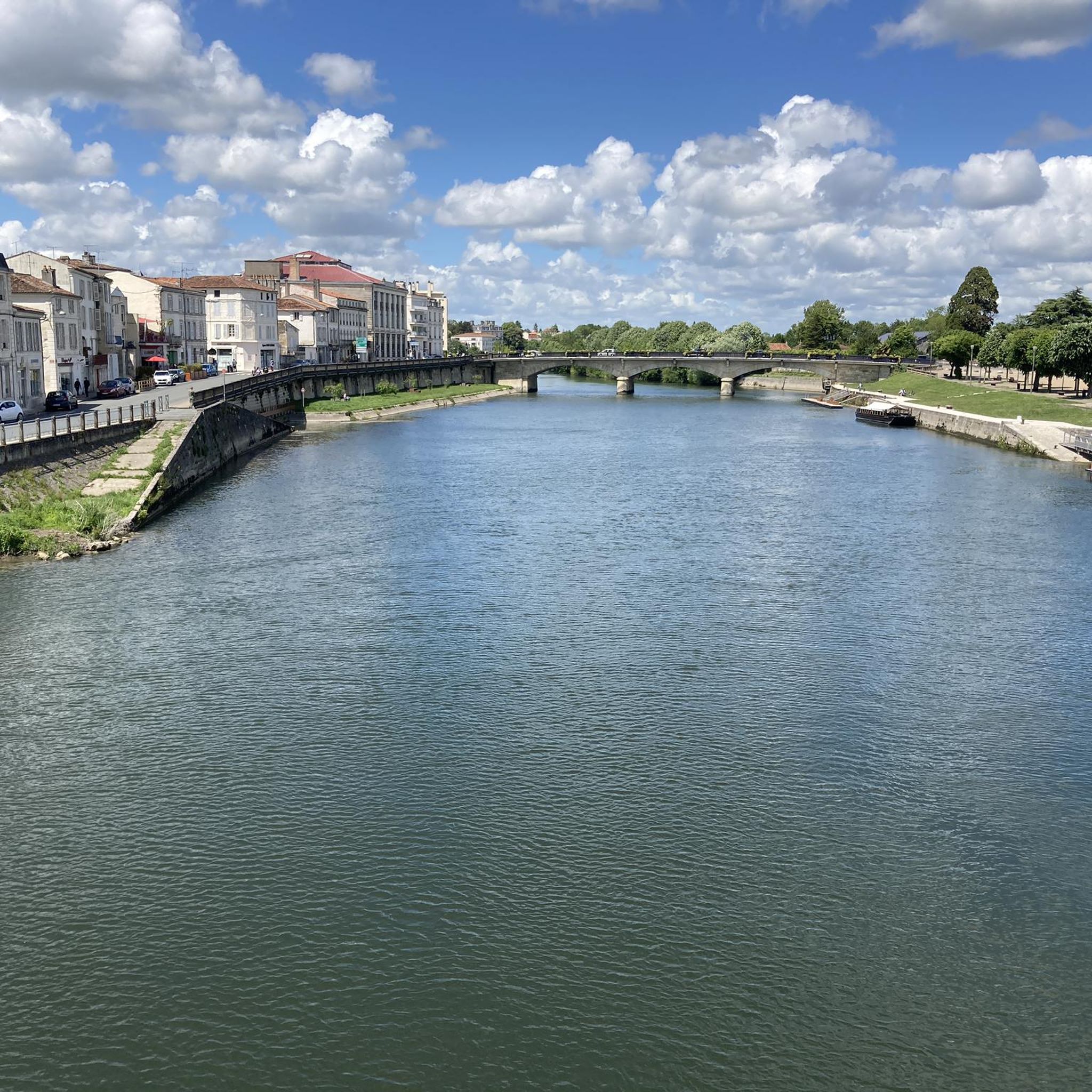
beautiful passages along the Charente with pretty monuments and small waterfront cafés in Port d’Envaux and Saintes.
0
0

Courcoury is a natural island surrounded by the Charente and Seugne rivers, giving it a unique landscape setting between marshes and waterways, conducive to biodiversity and outdoor activities. It is also the only village in Charente-Maritime to have been awarded 4 stars by the "Villes et villages étoilés" label, recognizing its efforts to reduce light pollution through intelligent and environmentally friendly public lighting.
1
0
The Gallo-Roman amphitheater of Sainte, also called the Arena of Saintes, is an elliptical monument built between 40 and 50 AD, probably during the reigns of Tiberius and Claudius. It measures approximately 126 meters by 102 meters and could accommodate between 12,000 and 15,000 spectators, making it one of the largest and oldest amphitheaters in Gaul. Located in a natural valley called the "Arènes valley," it takes advantage of the topography to limit construction work, with stands backing onto the hill. The site has two monumental gates, the "Gate of the Living" to the east and the "Gate of the Dead" to the west, and has been the subject of a major restoration project since 2021 to preserve this exceptional heritage. Accessible on foot from the city center, it offers an immersion in Roman history with an educational trail and activities for families
1
0


The Saint-Pierre Cathedral is located in the heart of the old town on the left bank of the Charente. According to tradition, the founding of this episcopal see goes back to Saint Eutrope. The construction of the first Christian building on the site of the current cathedral could not be dated with any precision. It probably dates back to the 6th century.
5
0
The Basilica of Saint-Eutrope de Saintes is a true masterpiece of Romanesque art and amazes with its two superimposed choirs and its crypt, one of the largest in Europe.
5
0


The Santons people occupied Saintonge during the Gallic era. The Romans conquered the region and settled on the banks of the Charente. The town of Saintes (then designated Mediolanum), located at the western end of the Via Agrippa which linked Lyon (capital of the Three Gauls) to the Atlantic coast, quickly became monumental. At the time of Augustus (27 BC – 14 AD), the city probably became the capital of the province of Greater Aquitaine (Aquitania). This then extended from the Loire to the Pyrenees. Mediolanum is endowed with important public monuments: the amphitheater, the arch of Germanicus, the thermal baths and the aqueduct are still partially visible today. At the time of its peak (end of the 1st century – beginning of the 2nd century), the city must have had several thousand inhabitants. The amphitheater of Mediolanum is one of the earliest in Gaul. It is estimated that its construction began during the reign of Tiberius (14 – 37 AD), and was completed during the reign of Claudius (41 – 54 AD). Like many amphitheaters of the Roman Empire, that of Saintes was located on the outskirts of the ancient city in a chosen and developed site: the “vallon des Arènes”. Thanks to a favorable topography, the builders were relieved of part of their work, the amphitheater resting on the slope of the valley. This elliptical monument, with imposing dimensions (126 meters long and 102 meters wide), made it possible to accommodate several thousand spectators around bloody and violent representations such as gladiator fights (munera) or animal hunts (venationes ). In the 3rd century, the city declined and was entrenched within an impressive rampart, built from the remains of public and funerary monuments from previous decades. The amphitheater is then no longer used. Since the Middle Ages, it has been used, among other things, as a stone quarry. It was classified as a Historic Monument in 1840. It was from this moment that it was gradually restored. Today, despite the disappearance of the superstructures, the remains provide a faithful image of what this monument could have been at the time of its splendor. The site welcomes visitors all year round. Certain objects found during various excavations in the amphitheater district are visible at the archaeological museum.
1
0
Frequently Asked Questions
How many touring cycling routes are available around Fontcouverte?
There are over 140 touring cycling routes around Fontcouverte, offering a wide range of options for different skill levels. Approximately 55 of these routes are considered easy, 55 moderate, and 30 are more challenging.
What kind of terrain can I expect on touring cycling routes in Fontcouverte?
The terrain around Fontcouverte is diverse, featuring rolling hills, dense woodlands, and expansive vineyards. You'll find a mix of cultivated lands and more dramatic mountain slopes, particularly in the Aude region with routes like the 'Route de l'Alaric' which encircles Mont Alaric. The Charente-Maritime area offers a more rolling landscape with a mix of vineyards and woods.
Are there any circular touring cycling routes in Fontcouverte?
Yes, many touring cycling routes in Fontcouverte are circular. For example, the easy Cathedral of Saintes – Chaniers chain bin loop from Saintes is a popular 28.3 km loop. In the Charente-Maritime area, the local 'Circuit des Arches' is a 16.5 km loop with over 300 meters of elevation change.
What are some challenging touring cycling routes in the Fontcouverte area?
For a challenging ride, consider the View of the Arch of Germanicus – Cathedral of Saintes loop from Saintes. This difficult 74.3 km path features significant elevation changes and panoramic views. Another demanding option is the 'Route de l'Alaric' in Fontcouverte (Aude), a majestic 100 km route with challenging ascents and descents, some rated as technical (3+).
Are there family-friendly touring cycling options in Fontcouverte?
While specific family-friendly routes are not detailed, the region's easy routes, such as the Cathedral of Saintes – View of the Arch of Germanicus loop from Saintes (18.4 km), offer gentler terrain suitable for a leisurely pace. The vineyard routes in the Aude region, particularly those following the Canal du Midi, often feature gentle climbs and broad panoramas, which can be enjoyable for families.
What historical or cultural landmarks can I see along touring cycling routes?
Fontcouverte is rich in historical and cultural sites. Near Fontcouverte in Charente-Maritime, you can explore the Gallo-Roman town of Saintes, renowned for its heritage. Along the routes, you might encounter sites like Abbaye de Fontdouce, Abbaye aux Dames de Saintes, or Saint-Pierre Cathedral (Saintes). In Fontcouverte (Aude), wine-themed routes pass through villages with Romanesque churches and châteaux.
What do other touring cyclists say about the routes in Fontcouverte?
The touring cycling routes in Fontcouverte are highly rated by the komoot community, with an average score of 4.4 stars from over 270 reviews. Cyclists often praise the varied terrain, from rolling hills and vineyards to wooded areas, and the scenic views that accompany many of the rides.
Are there touring cycling routes that pass through vineyards?
Yes, both Fontcouverte regions offer routes through vineyards. In Charente-Maritime, you can enjoy scenic rides through cultivated lands and vineyards. Fontcouverte in Aude, located in the Corbières Minervois region, is famous for its wine production, with dedicated oenology routes that wind through extensive vineyards, offering picturesque views of the Languedoc wine region.
What is the best time of year for touring cycling in Fontcouverte?
While specific seasonal recommendations are not provided, the diverse landscapes of Fontcouverte, with its mix of woodlands and vineyards, suggest that spring and autumn would offer pleasant temperatures and beautiful scenery. Summer can also be enjoyable, especially on routes with shaded sections through forests.
Are there any long-distance touring cycling routes that traverse Fontcouverte?
Yes, Fontcouverte in Charente-Maritime is notably traversed by significant long-distance routes. The GR 655, part of the Via Turonensis on the pilgrimage route to Santiago de Compostela, and the GR4, connecting the Mediterranean to the Atlantic, both offer extensive touring opportunities through diverse landscapes.
Can I find routes that combine natural beauty with historical sites?
Absolutely. Many routes in Fontcouverte offer a blend of natural beauty and historical interest. For instance, the Crazannes Sculptures – Crazannes Castle loop from Métairie de Madame is a 44.3 km trail that leads through wooded areas and past historical landmarks. The proximity to Saintes also means many routes offer cultural excursions alongside physical activity.
Are there any routes with significant elevation changes for experienced cyclists?
Experienced cyclists looking for significant elevation changes will find options, particularly in Fontcouverte (Aude) with the 'Route de l'Alaric' which encircles Mont Alaric (600 meters) and includes challenging ascents and descents. In Charente-Maritime, routes like the View of the Arch of Germanicus – Crazannes Castle loop from Saintes, a difficult 78.1 km route, also feature substantial climbs.
Most popular routes around Fontcouverte
Most popular attractions around Fontcouverte

Get inspired with the komoot mobile app


Explore more
Browse the best Cycling routes in other regions.
