Attractions and Places To See around Le Douhet - Top 20
Best attractions and places to see around Le Douhet include a blend of historical heritage and natural beauty in Charente-Maritime, France. The region features notable landmarks, ancient Romanesque architecture, and significant natural areas like marshlands. Visitors can explore sites ranging from historic churches and châteaux to vestiges of a Gallo-Roman aqueduct. The area offers diverse points of interest for those interested in history and nature.
Best attractions and places to see around Le Douhet
- The most popular attractions is Crazannes…
Last updated: June 23, 2026
Crazannes Castle
Highlight • Castle
Translated by Google •
Tip by

Abbaye de Fontdouce
Highlight • Historical Site
Translated by Google •
Tip by

Sign up now to discover places like this
Get recommendations on the best single tracks, peaks, & plenty of other exciting outdoor places.
Sign up for free
Saint-Martin Church
Highlight • Other
Translated by Google •
Tip by

Sainte-Madeleine Church of Crazannes
Highlight • Religious Site
Translated by Google •
Tip by
Abbaye aux Dames de Saintes
Highlight • Religious Site
Translated by Google •
Tip by

Sign up for free to discover even more attractions around Le Douhet.
Sign up for free
Already have an account?
Start today with a free account
Your next adventure awaits.
Login or Signup


Tips from the Community

Magnificent We can also have a picnic
0
0

A must-see visit alongside this abbey on a magnificent circuit
0
0

The Abbaye-aux-Dames is built around the church of Sainte-Marie, built in the twelfth century. Famous for its facade and its characteristic "pinecone" bell tower, it is one of the emblematic monuments of Saintonge's Romanesque art. After several wars and fires, the place was restored in the 1970s and 1980s and is now a hotel. When you walk through the long corridors you feel like you have been transported back to the time when the abbey was still alive.
4
0


A former Benedictine abbey created in 1047, Abbaye-aux-Dames was the first women's monastery in Saintonge. These powerful women were nuns, that is to say, nuns living cloistered and having taken a vow of piety, occupying their lives in contemplation. They carried the crosier, in other words the pastoral staff of a bishop, and minted coins. Richly endowed, the abbey carried its influence well beyond the borders of the county and over time it became one of the most powerful women's monasteries in all of South-West France. With up to a hundred nuns at its peak, it was entrusted with the mission of instructing young girls, often from the French nobility, and counted among its most illustrious residents the future Marquise de Montespan, favorite of Louis XIV. The Abbaye-aux-Dames is structured around the Sainte-Marie church, built in the 12th century, famous for its facade and its characteristic “pine cone” bell tower. The premises were restored during the 1970s and 1980s and now house a Cité de la musique in which the Saintes Festival dedicated to classical music takes place each year. You can also stay in a wing of the building, the cells having been converted into hotel rooms, and leave your bike in a secure room.
0
0

Crazannes Castle is a castle located in the commune of Crazannes in the Charente-Maritime department of France. It is known for its medieval watchtower, which was built in the 12th century. Crazannes Castle was built in the 12th century and has been owned by several noble families over the centuries. It has been expanded and modified over time, and its architecture is a mix of medieval, Renaissance and classical styles. Crazannes Castle is also home to underground caves dug into the limestone rock, which have been used as wine cellars and to store food supplies over the centuries. Visitors can explore the caves and learn about their history through guided tours. Crazannes Castle is open to the public during the summer season and offers guided tours, contemporary art exhibitions and cultural events throughout the year. It is also possible to rent rooms for private events such as weddings or receptions.
0
0

Towards the end of the 12th century, an abbey church was built. At the beginning of the 13th century, attached to the west of the first Romanesque abbey, a Gothic-style cloister was gradually built. The abbey reached its peak from this period: in addition to its priories (la Grainetière in Vendée and la Tenaille near Pons), it owned land within a radius of 100 km, including saltworks on the coast. In the 15th century, Fontdouce obtained the title of royal abbey leading to a profound change in its mode of administration: the abbot was no longer elected by his peers within the community but was appointed by the king. It is often a great layman to whom the king grants the commendation, that is to say 80% of the income of the abbey. Then, the wars of religion, in the 16th century, accelerated its decline. The abbey church is ransacked: it will never be rebuilt. The years following the French Revolution also brought their share of destruction: several buildings, including the refectory, disappeared. The last monks were driven out in 1793 and the following year the site was sold as National Property to serve as agricultural property. The farmer who bought the place then built, on the remains of the conventual buildings, a house in the First Empire style. In the 1820s, Fontdouce entered the family of the current owners who, on December 16, 1986, had the Gothic parts, chapter house and parlor classified as historical monuments2. From 1970, the current owners undertook a series of excavations intended for the restoration of the Abbey of Fontdouce. They are gradually bringing the beautiful chapter house and the Gothic parlor back to life, the two superimposed Romanesque chapels and several other remains. These restoration works earned them third prize in the masterpiece in danger competition in 1979. In 1986, the site was entirely classified as a Historic Monument1. Today, Fontdouce remains a private property, focused on tourist and cultural activities, supported in its development actions by a team of enthusiasts grouped together within the Association Guillaume de Conchamp.
1
0

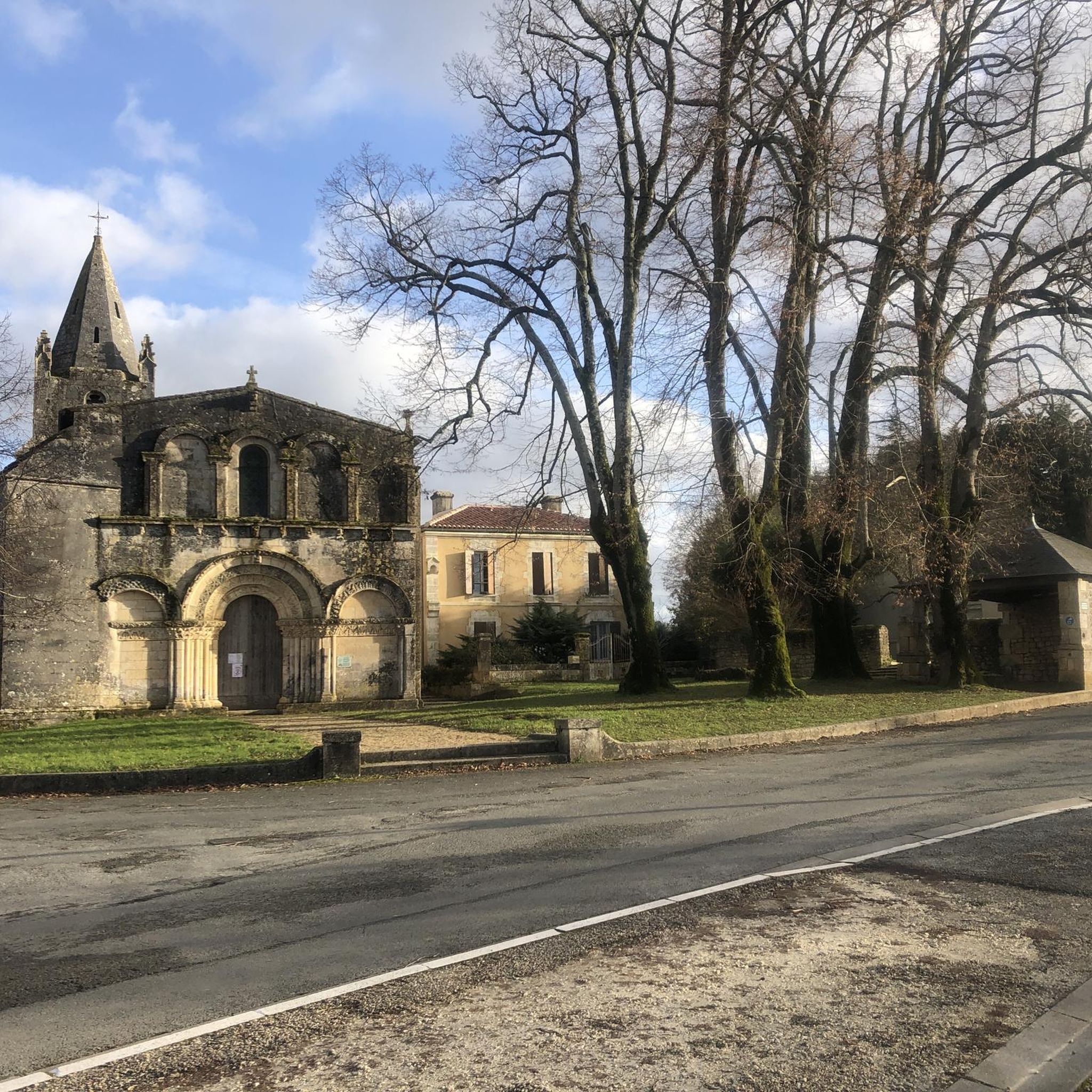
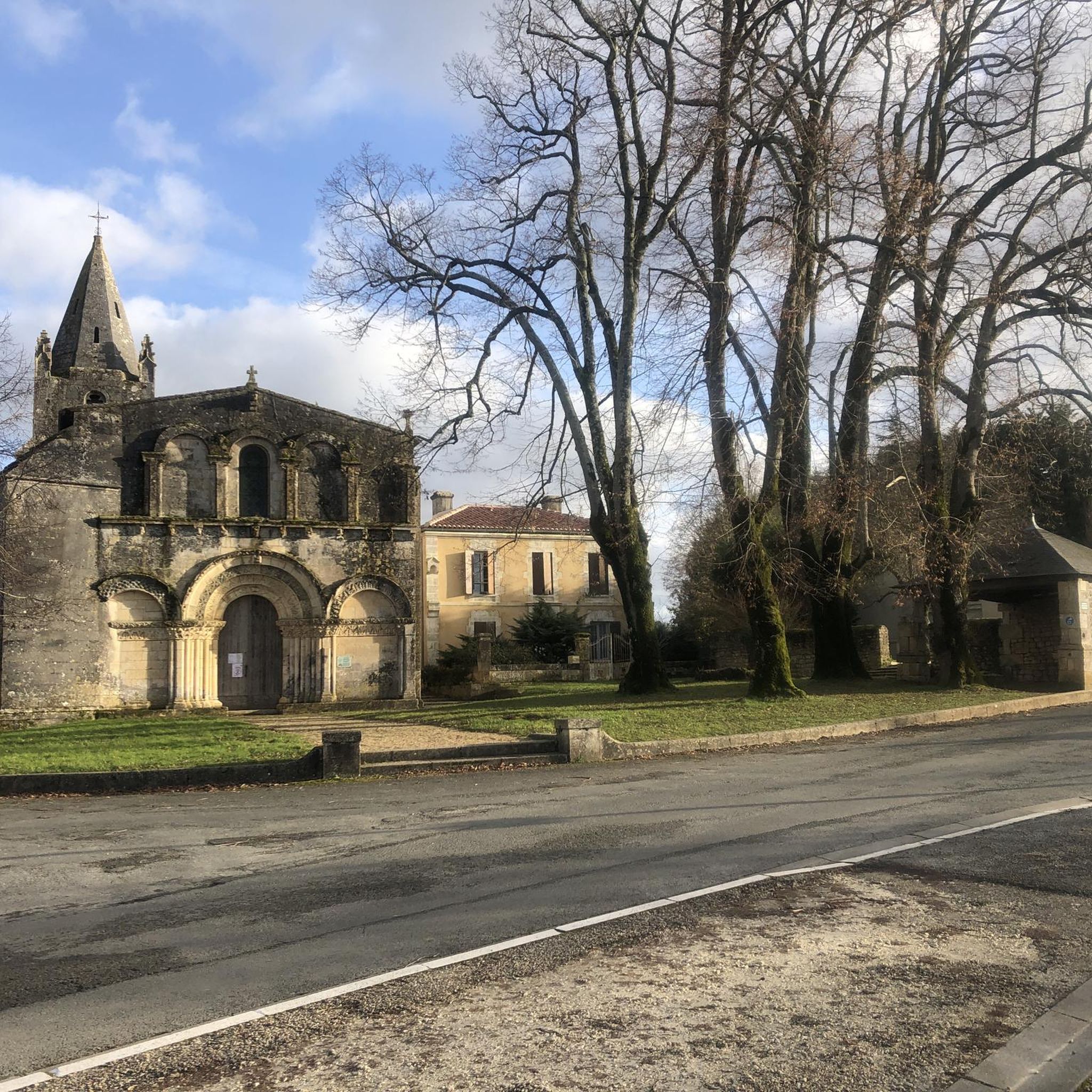
The Church of Saint-Martin de Coucoury was built around the 11th century. It is a pretty example of a Romanesque church.
1
0
Frequently Asked Questions
What historical sites can I explore around Le Douhet?
Le Douhet and its surroundings are rich in history. You can visit the 12th-century Abbaye de Fontdouce, known for its Romanesque and Gothic architecture. Another significant site is Crazannes Castle, a 14th-century Historic Monument with a fascinating past, including connections to the tale of Puss in Boots. Don't miss the 12th-century Saint-Césaire Church, a beautiful example of Saintonge Romanesque style, or the Saint-Martin Church in Coucoury, dating back to the 11th century.
Are there any significant natural attractions or features to visit near Le Douhet?
Yes, the area offers several natural points of interest. The Marais du Douhet, coastal wetlands north of the Ile d'Oléron, boast remarkable biodiversity and offer numerous footpaths and cycle paths. You can also explore the Sources de la Grand Font, natural springs that fed the ancient Gallo-Roman aqueduct of Saintes, and the site of Gros-Roc with its historical spring and the Grotte des Chambres-Noires in the wooded areas.
What family-friendly attractions are available near Le Douhet?
Families can enjoy several attractions. Crazannes Castle is a great option, offering impressive architecture and historical tales. The Abbaye de Fontdouce also hosts tourist and cultural activities suitable for families. Additionally, the Sainte-Madeleine Church of Crazannes and its surroundings offer a glimpse into local history and culture.
What cycling routes are available near Le Douhet's attractions?
The region around Le Douhet is excellent for cycling. You can find various routes, including an easy 20.5 km 'Douhet Castle – Gallo-Roman Aqueduct loop from Le Douhet' or a more challenging 106.9 km 'Port of the Lys – Crazannes Castle loop from Saint-Hilaire-Brizambourg'. For more options, explore the Cycling around Le Douhet guide.
Are there mountain biking trails to explore around Le Douhet?
Yes, mountain biking enthusiasts will find several trails. Options include a moderate 27.3 km 'Church Square loop from Fontcouverte' or a 34.1 km 'Remains of a Roman aqueduct – Ancient Washhouse loop from Fontcouverte'. Discover more trails in the MTB Trails around Le Douhet guide.
Where can I find remnants of ancient Roman history in the area?
Le Douhet is significant for its connection to Roman history. You can explore impressive vestiges of the Gallo-Roman aqueduct that once supplied water to Saintes. Key sites include the "Sources de la Grand Font," with its basin and underground gallery, offering a fascinating glimpse into ancient engineering.
What notable religious buildings can I visit?
The area boasts several historic religious buildings. The Abbaye de Fontdouce, founded around 1111, showcases Romanesque and Gothic architecture. The Saint-Césaire Church, a 12th-century Saintonge Romanesque style building, is classified as a historic monument. Also, visit the 11th-century Saint-Martin Church in Coucoury and the Sainte-Madeleine Church of Crazannes, dating from 1874.
What is the best time of year to visit Le Douhet for outdoor activities?
The Marais du Douhet, a key natural feature, is particularly beautiful in spring or at sunset. Generally, spring and early autumn offer pleasant weather for exploring the numerous marked hiking and cycling trails that traverse vineyards and forests in the Saintonge countryside.
Are there any unique historical features beyond castles and churches?
Beyond the prominent castles and churches, Le Douhet holds other unique historical elements. Near the Église Saint-Martial, you can find an ancient lavoir (washhouse) and remains of a medieval castle. The 16th-century dovecote with 1800 nesting boxes within the Château du Douhet's park is also a notable historical feature.
What kind of gravel biking opportunities are there around Le Douhet?
Gravel biking is a popular activity with several routes available. You can find moderate trails like the 40.2 km 'Crazannes Castle – View of the Arch of Germanicus loop from Saintes' or the 45.5 km 'Crazannes Castle – Saint-Savinien-sur-Charente loop from Bussac-sur-Charente'. For more details, refer to the Gravel biking around Le Douhet guide.
What do visitors enjoy most about the attractions near Le Douhet?
Visitors frequently appreciate the blend of historical heritage and natural beauty. The architectural details of sites like Crazannes Castle and Abbaye de Fontdouce are highly praised. The tranquil setting of the Saintonge countryside, with its vineyards and forests, and the opportunities for outdoor activities like cycling and exploring the Marais du Douhet, are also highlights for many.
Most popular routes around Le Douhet

Get inspired with the komoot mobile app


Explore more
Still not found the Highlight you’re looking for? See guides of the top attractions in other regions:
