Attractions and Places To See around Baud - Top 20
Best attractions and places to see around Baud, a town in the Morbihan department of France, offers a blend of architectural heritage and natural beauty. Situated in the heart of Brittany, bordered by the Blavet River, the area features historical sites and scenic landscapes. Visitors can explore cultural landmarks, ancient chapels, and extensive natural areas along the river.
Best attractions and places to see around Baud
- The most popular attractions is View of the Saint-Gildas Chapel in Bieuzy, a religious building. The chapel is nestled close to the rocks on the other side of the river and can be reached via hiking trails.
- Another must-see spot is Blavet Riverbanks, a natural feature. The V8 greenway runs along the Blavet river for more than 100 km, offering a towpath lined with historical structures and rich flora and fauna.
- Visitors also love Saint-Nicodème Chapel, a religious building. This chapel is decorated with stone lace and set in a green environment, surrounded by several fountains.
- Baud is known for its historical chapels, megalithic sites, and river-based activities. The region offers a variety of attractions to see and explore, from cultural landmarks to natural landscapes.
- The attractions around Baud are appreciated by the komoot community, with 10 upvotes and 6 photos shared by visitors.
Last updated: June 18, 2026
Saint-Nicodème Chapel
Highlight • Religious Site
In his version of the "Good News" (this is the meaning of the word "gospel"), John describes the encounter of a Nicodemus, a scribe and member of the Jewish High Council, who visits Jesus at night and has a discussion with him about faith (John 3:1-21). Later, at the meeting of the High Council, he speaks in Jesus' favor: "But Nicodemus, one of their own, who had previously visited Jesus, said to them, 'Does our law condemn a man before it has examined him and found out what he does?'" (John 7:50-51). After the crucifixion, it is Joseph of Arimathea and Nicodemus who bury the body with dignity (John 19:38-42).
Translated by Google •
Tip by

Blavet Riverbanks
Highlight (Segment) • Other
Translated by Google •
Tip by

Sign up now to discover places like this
Get recommendations on the best single tracks, peaks, & plenty of other exciting outdoor places.
Sign up for free
Railway bridge and tunnel
Highlight • Other
This line is currently only used for freight (cereals) but was used for travelers until 1960 (occasionally between 1951 and 1960).
Translated by Google •
Tip by

View of the Saint-Gildas Chapel in Bieuzy
Highlight • Other
Translated by Google •
Tip by

Couarde Lock and its decorated rock
Highlight • Climb
Translated by Google •
Tip by

Sign up for free to discover even more attractions around Baud.
Sign up for free
Already have an account?
Start today with a free account
Your next adventure awaits.
Login or Signup

Tips from the Community

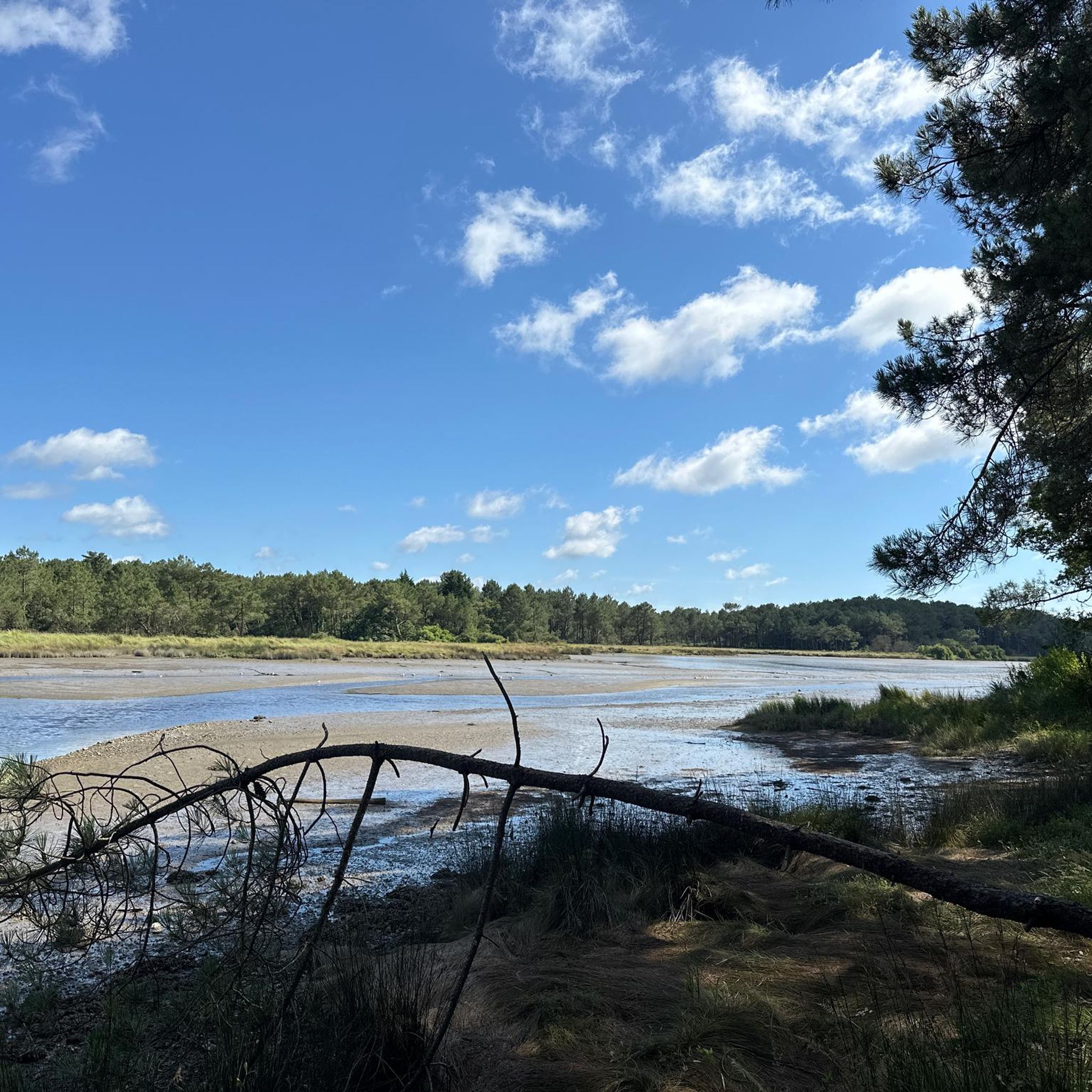
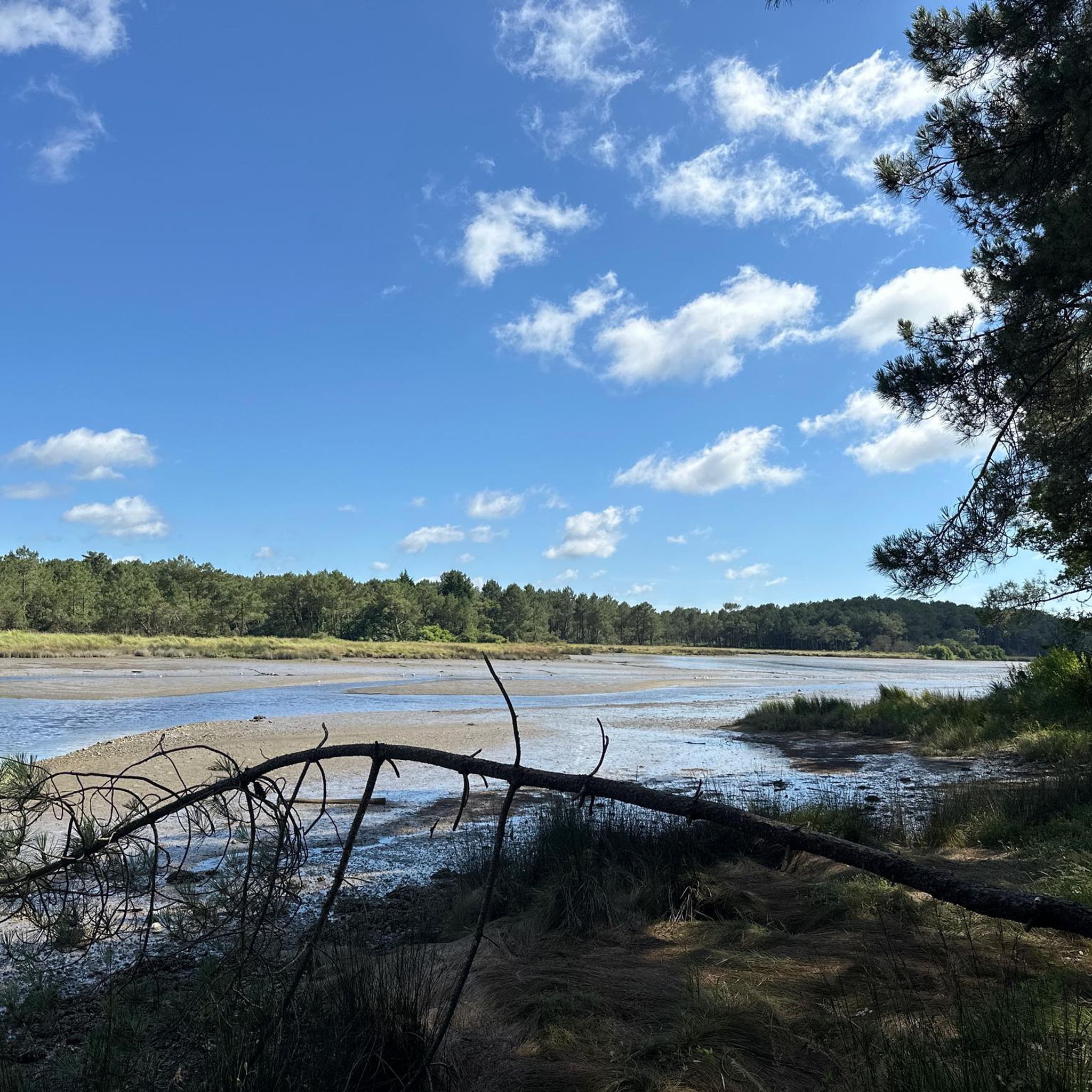
Although I often stop in churches or chapels on my walks (if the door is not locked), I have never come across a place of worship that is dedicated to the patronage of Saint-NICODEME. The person of Nicodemus takes us far back to the Holy Land in Jesus' time; he is mentioned several times by at least one of the four evangelists. I did some more research this morning: In his version of the "Good News" (this is the meaning of the word "gospel"), John describes the encounter of a Nicodemus, a scribe and member of the Jewish High Council, who visits Jesus at night and has a discussion with him about faith (John 3:1-21). Later, at the meeting of the High Council, he speaks in Jesus' favor: "But Nicodemus, one of their own, who had previously visited Jesus, said to them, 'Does our law condemn a man before it has examined him and found out what he does?'" (John 7:50-51). After the crucifixion, it is Joseph of Arimathea and Nicodemus who bury the body with dignity (John 19:38-42).
1
0

A railway bridge over the Blavet that leads directly into a tunnel. There is only freight traffic here. At around 35km, this was half the distance from Pontivy to Lorient for us.
0
0
The chapel is nestled close to the rocks on the other side of the river. It can be reached via hiking trails on the other side.
0
0

There are 28 locks which allow navigation between Pontivy and Hennebont. These structures, built in the 19th century, are still very important for the many pleasure boats. The lock keeper moves from one lock to another to allow boats to continue their journey in the Blavet valley.
0
0
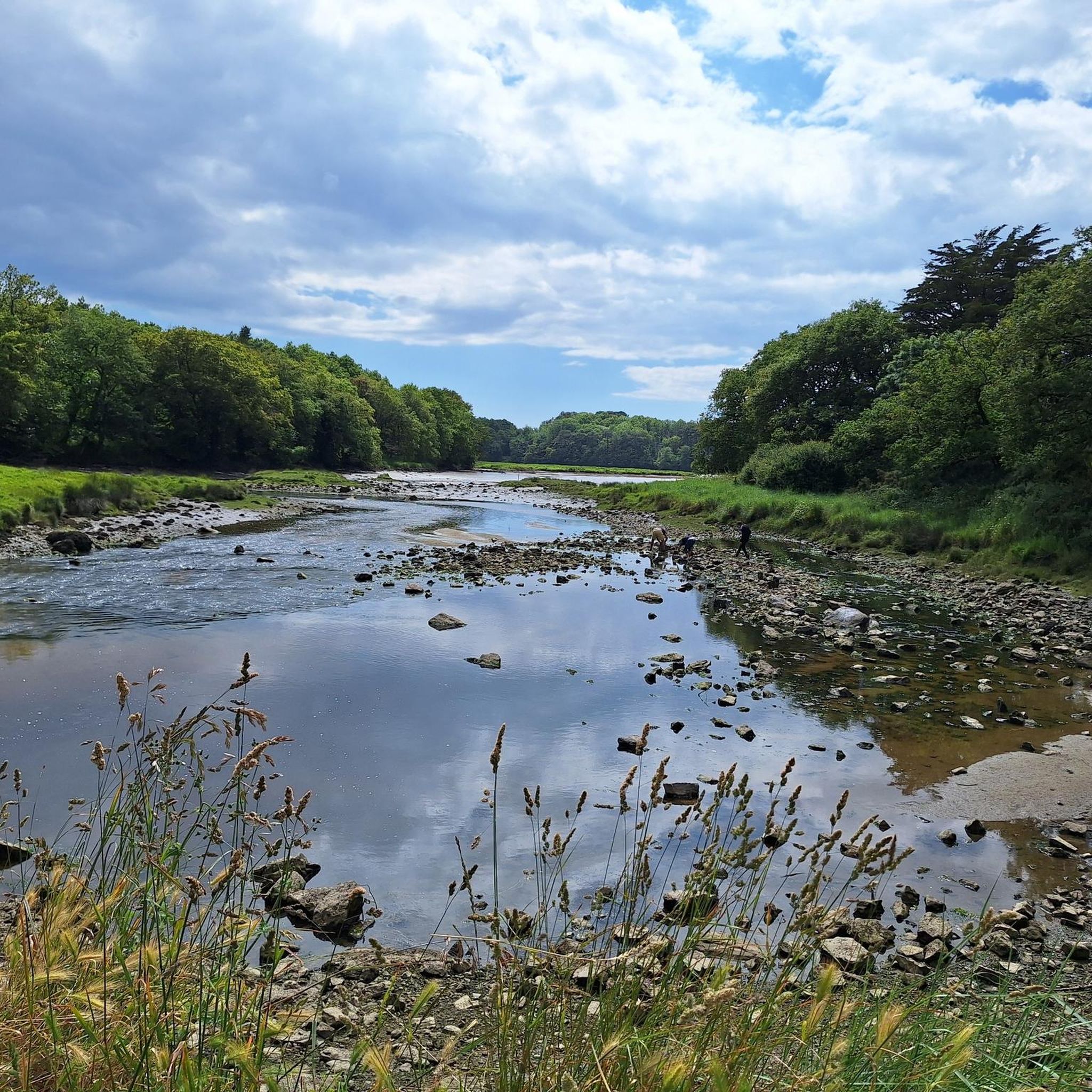
The V8 greenway (Saint-Brieuc-Lorient) runs along the Blavet river for more than 100km, from the banks of Guerlédan to Hennebont. Between Saint-Aignan and Pontivy, it is shared with La Vélodyssée. The towpath which runs along the Blavet was laid out at the beginning of the 19th century and is lined with castles, fortifications and religious monuments, as well as flora and fauna. very rich.
0
0

The 470,000 line passes over the Blavet and up the hill through a tunnel and a beautiful bridge, wide enough to be taken on foot without risk. This line is currently only used for freight (cereals) but was used for travelers until 1960 (occasionally between 1951 and 1960).
0
0

Dramatic boulders along the towpath in a 300 degree loop of the river
1
0

Superb route to go from central Brittany (Caurel or Guerledan) to Quiberon without going through the main roads
2
0
Frequently Asked Questions
What historical and cultural sites can I visit in Baud?
Baud is rich in history and culture. You can explore the intriguing Vénus de Quinipily, an 18th-century granite statue located in the Castle Park, which is classified as a historical monument. Other notable sites include the 15th-century Saint-Adrien Chapel with its sculpted rood screen, the Chapel of Clarity and its nearby 16th-century fountain, and the Le Carton Voyageur (Museum of the Postcard), showcasing Brittany's history through over 120,000 postcards. Don't miss the ancient Covered Alley of the Prieuré, a Neolithic megalithic site, and various historical crosses scattered throughout the area.
What natural attractions are there around Baud?
The Blavet River Basin is a local beauty spot, offering stunning scenery and extensive cycle and pedestrian paths along its banks. You can also visit the Jardins de Kéroguic, a 2-hectare garden featuring a rose garden with 500 varieties, an aquatic garden with Koi carp, and a vegetable garden. The Blavet Riverbanks are particularly popular for their natural beauty and the V8 greenway.
Are there family-friendly activities in Baud?
Yes, Baud offers several family-friendly options. The Jardins de Kéroguic provide a beautiful and engaging outdoor experience for all ages. Exploring the Blavet River Basin by foot or bicycle along its towpaths is also a great family activity. Additionally, the Le Carton Voyageur (Museum of the Postcard) can be an interesting and educational visit for families. The Saint-Nicodème Chapel is also listed as a family-friendly highlight.
What outdoor activities can I do near Baud's attractions?
The Blavet Valley is ideal for outdoor enthusiasts. You can enjoy extensive hiking and cycling routes, including marked paths like the Circuit des villages (13km) and Circuit des landes kerbraz (12km), as well as sections of the GR38 and GR341. The towpath along the Blavet River is perfect for walks and cycling. For more adventurous options, the Base Nautique allows you to discover the Blavet Valley by canoe or bicycle, with options to combine both activities. You can find various cycling routes, including road cycling, touring, and gravel biking, in the area. For specific routes, check out the Road Cycling Routes around Baud, Cycling around Baud, and Gravel biking around Baud guides.
Are there hiking trails near the attractions in Baud?
Absolutely. The Blavet Valley, where many attractions are located, is known for its numerous marked hiking paths. The towpath along the Blavet River offers a flat and scenic route suitable for walks. You can also find trails leading to attractions like the View of the Saint-Gildas Chapel in Bieuzy, which is nestled close to the rocks and accessible via hiking trails. For more detailed hiking options, explore the various routes available in the region.
What is the best time to visit Baud for outdoor activities?
The Blavet Valley is known as a land of leisure, making it enjoyable for outdoor activities throughout much of the year. Spring and summer are particularly pleasant for exploring the gardens, cycling along the river, and hiking the marked paths. The town also hosts various festivals, including a Fest Noz in May and a festival of old crafts in August, which can add to your visit.
What do visitors enjoy most about the attractions in Baud?
Visitors particularly appreciate the blend of historical charm and natural beauty. The View of the Saint-Gildas Chapel in Bieuzy is highly regarded for its scenic route and unique location. The Blavet Riverbanks are loved for the extensive greenway and the rich flora and fauna along the towpath. The Saint-Nicodème Chapel is admired for its magnificent stone lace decoration and tranquil green setting with fountains.
Can I explore the Blavet River by boat or canoe?
Yes, you can discover the Blavet Valley by canoe. The Base Nautique offers options for canoeing, and you can even combine it with cycling to explore the area from both land and water. The river's locks, such as the Couarde Lock, are still important for pleasure boats, indicating the navigability of the waterway.
Are there any unique architectural features to look out for?
Baud boasts several unique architectural features. The Saint-Adrien Chapel is notable for its beautifully sculpted and painted rood screen. The Saint-Nicodème Chapel is celebrated for its 'stone lace' decoration. Additionally, the 19th-century structures along the Blavet towpath, including locks like the Couarde Lock, and the Railway bridge and tunnel, offer interesting glimpses into the region's engineering heritage.
What is the significance of the Vénus de Quinipily?
The Vénus de Quinipily is considered the main tourist attraction in Baud. This intriguing 2.2-meter tall granite statue is believed to be an 18th-century copy of a pagan goddess. It is located within a monumental fountain in the Castle Park of Baud and is classified as a historical monument. Legend has it that it even inspired Prosper Mérimée's famous novella 'Venus of Ille'.
Are there any megalithic sites near Baud?
Yes, Baud is home to ancient megalithic sites. The Covered Alley of the Prieuré (Allée couverte du Prieuré) is a Neolithic covered walkway located within the commune. Other megalithic sites can also be found in the nearby Forêt Domaniale de Camors, offering a glimpse into the region's prehistoric past.
What is the Blavet River's connection to other waterways?
The Blavet River is a significant waterway in Brittany. It connects with the Canal de Nantes à Brest at Pontivy, forming part of a larger network of canals and rivers that are popular for both leisure boating and the extensive cycle and pedestrian paths that run alongside them.

Get inspired with the komoot mobile app


Explore more
Still not found the Highlight you’re looking for? See guides of the top attractions in other regions:
