The best road cycling routes around Monts-Sur-Guesnes
5.0
(4)
80
riders
54
rides
Road cycling routes around Monts-Sur-Guesnes traverse a varied landscape characterized by gentle terrain and open views over the Loudunais countryside. The region features extensive networks of mostly paved surfaces, suitable for road cycling. Cyclists can explore areas like the Forêt de Scévolles, which provides a different backdrop for rides. The human-scale environment allows for exploration across different fitness levels.
Best road cycling routes around Monts-Sur-Guesnes
- The most popular road cycling route is Moncontour Keep – Meridian marker loop from La…
Last updated: July 13, 2026
4
riders
61.8km
02:27
210m
210m
Moderate road ride. Good fitness required. Mostly well-paved surfaces and easy to ride.
3
riders
68.7km
02:49
320m
320m
Moderate road ride. Good fitness required. Mostly well-paved surfaces and easy to ride.

Sign up for free
4
riders
64.5km
02:44
330m
330m
Moderate road ride. Good fitness required. Mostly well-paved surfaces and easy to ride.
7
riders
37.1km
01:31
200m
200m
Easy road ride. Great for any fitness level. Mostly well-paved surfaces and easy to ride.
4
riders
42.8km
01:40
160m
160m
Easy road ride. Great for any fitness level. Mostly well-paved surfaces and easy to ride.
Get access to more routes and recommendations from other explorers.
Sign up for free
Already have an account?
Our route recommendations are based on thousands of hikes, rides, and runs completed by other people on komoot.
Start today with a free account
Your next adventure awaits.
Login or Signup
Popular around Monts-Sur-Guesnes
Tips from the Community

Location: 46.907001, -0.002937 http://www.thegreenwichmeridian.org/tgm/location.php?i_latitude=46.907001
0
0

In 1631, to thank his minister, Cardinal Richelieu, for his eminent services, King Louis XIII did him the favor of erecting "a town enclosed by walls and moats and building a market hall" and establishing four annual fairs and two markets per week. Thus emerged from nothing, an "ideal city" according to the precepts of the time which would bear the name of the Cardinal. Richelieu entrusted Jacques Lemercier, architect of the king, author of the Sorbonne and the Palais-Royal, with the task of building, on the site of the family property, a vast castle, a reflection of his grandeur and a new city, nearby. Nearly 2000 workers would work on the site. Inside the walls, the Cardinal gave the land to whoever agreed to build a pavilion within two years according to the plans filed with the city registry. The inhabitants will be exempt from tax and gabelle until there are 100 houses built. 4/5 of the project will be completed between 1632 and 1642, the year of the Cardinal's death. Contrary to the words of Jean de la Fontaine (who also ironically described the town as "the most beautiful village in the universe"), far from being deserted, the town had 4,000 inhabitants in 1690, compared to less than 2,000 today. This innovative project, which linked the construction of a castle and a town in the same program, foreshadowed the Versailles construction site that would open 30 years after the completion of the city walls of Richelieu. Adjacent to the walls, Richelieu Park, with an area of 475 ha, housed the vast estate of the castle of the du Plessis family (original surname of Cardinal Richelieu), of which only a few vestiges remain today. Richelieu is now a somewhat unusual town in the French landscape, with its three access gates and its two large symmetrical squares. Organized in quadrilaterals and perpendicular streets in the manner of American cities, it offers a unique testimony to urban planning of the Grand Siècle.
0
0
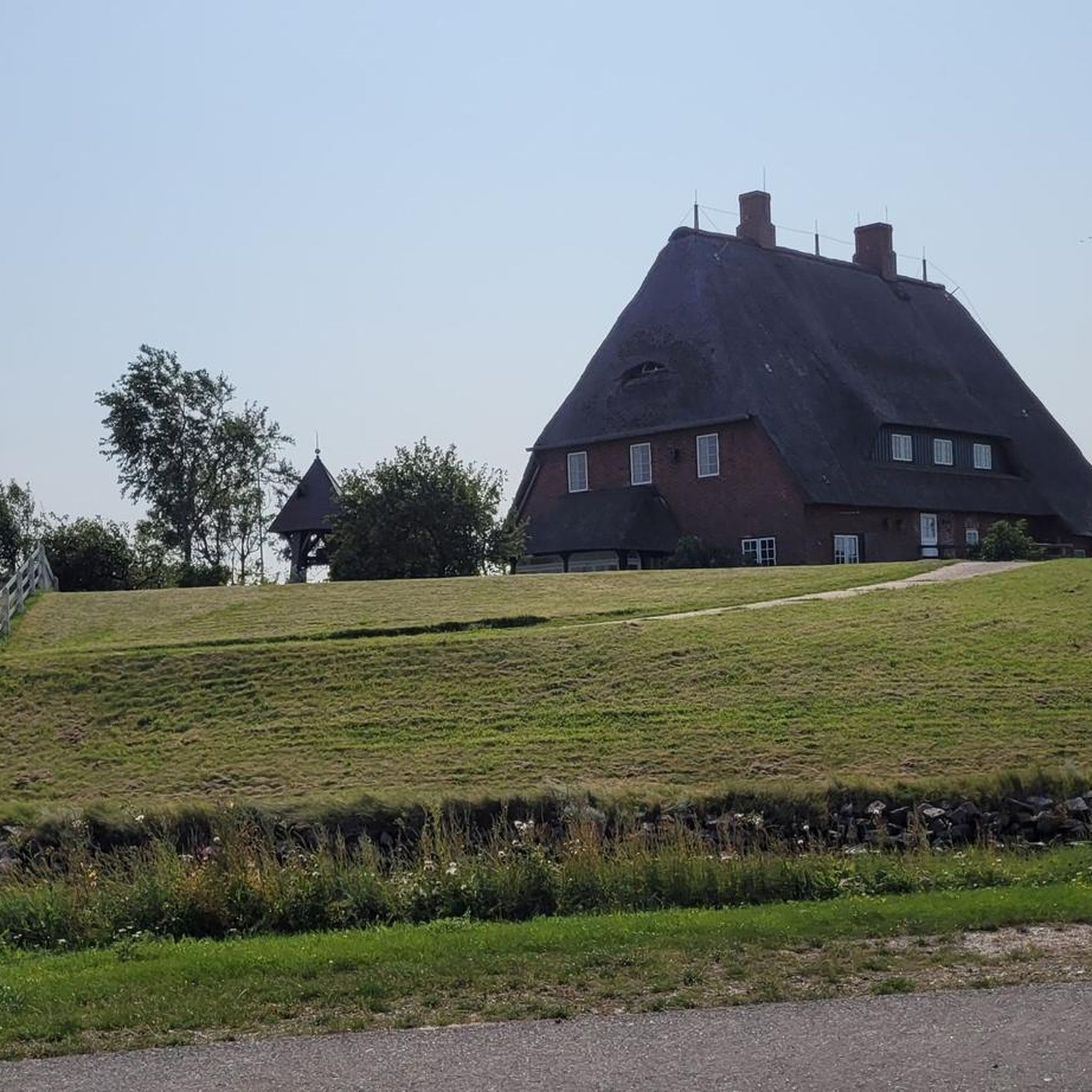
Seen from the outside, this little church doesn't look like much, and you have to go through the front door to discover this hidden gem. Its walls, entirely covered with decorations and motifs painted during several campaigns over the centuries, restore the original appearance of Romanesque churches with a state of conservation that is quite rare in France. The Notre-Dame de Rivière church was built between the 10th and 11th centuries. Legend has it that Saint Martin founded the early church on a site already devoted to prayer. Today, it has a choir, a crypt and recumbent figures dating from the 16th century, as well as remarkable exterior sculptures. But it is above all the 11th century frescoes, recently restored, which add to the historical richness of this building. Legend has it that Joan of Arc passed there, but this is not corroborated by any contemporary testimony, however Charles VII made a pilgrimage there.
0
0


We were supposed to do richelieu Châtellerault by following the greenway that crosses the park, but we had to turn back in front of a locked gate marked as a private road... so we had to turn around!
0
0

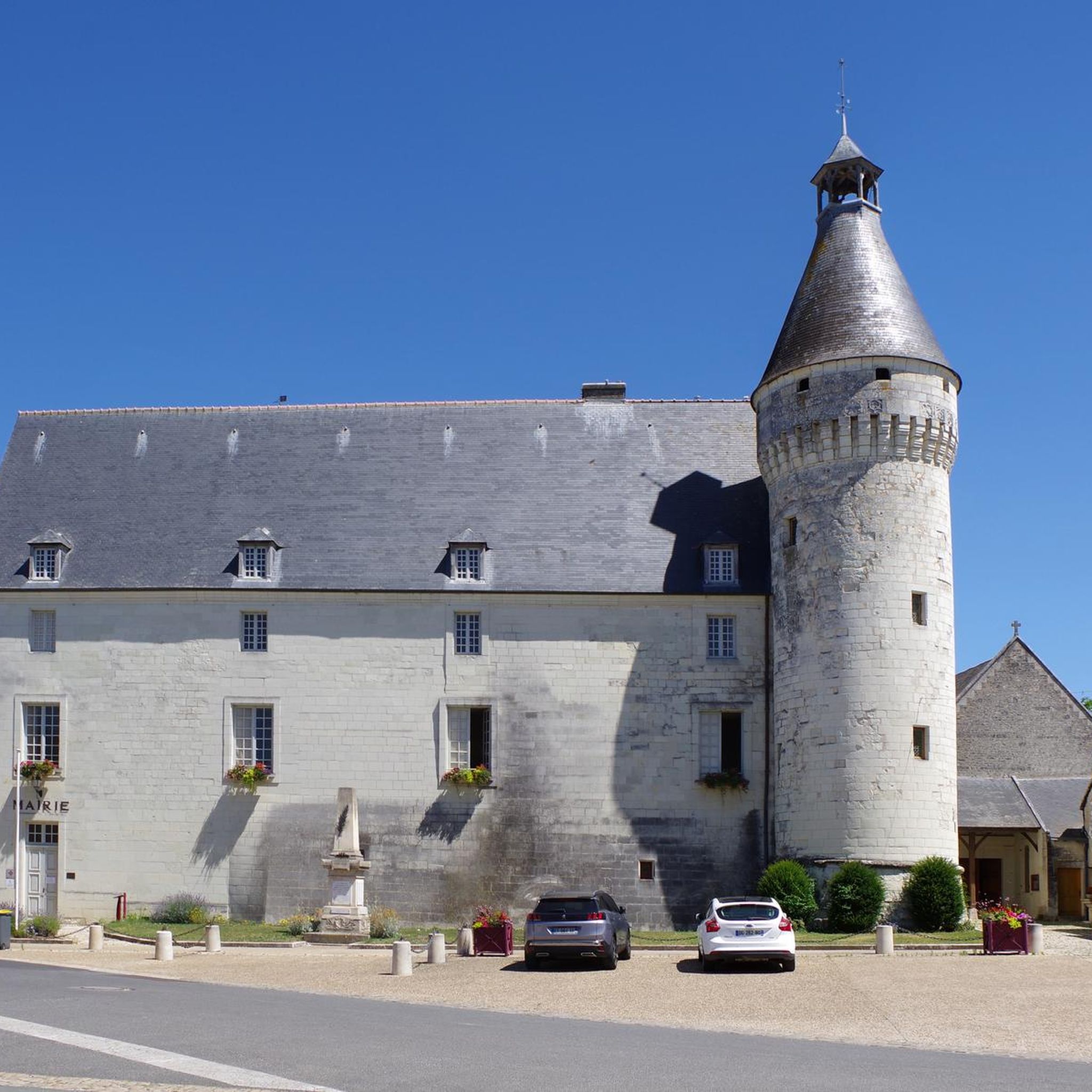
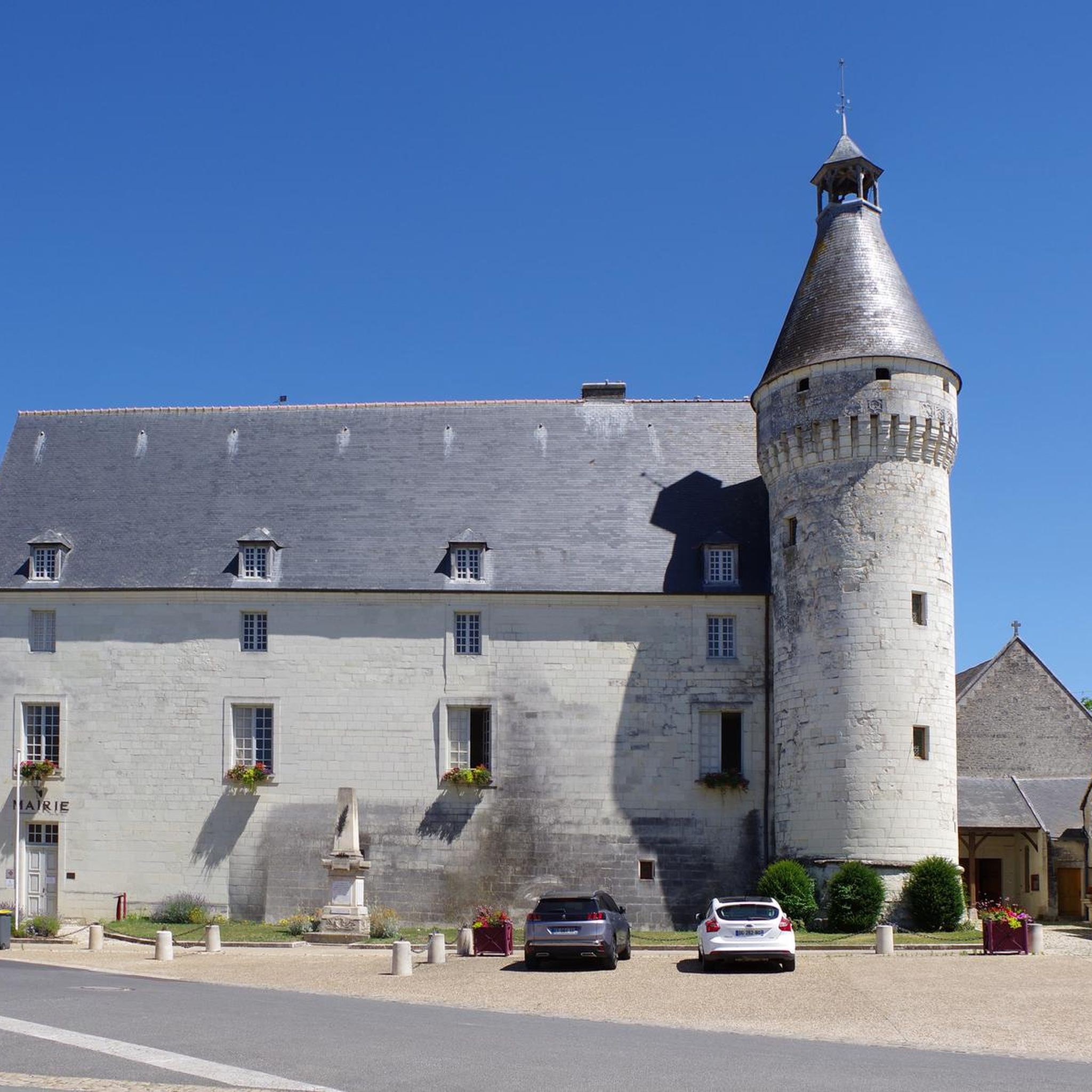
A beautifully restored castle which now houses the Living Museum of the Middle Ages. An impressive building to look at. Admire it from the outside as you pass by.
2
0
Living museum of the Middle Ages, come and attend one of the live demonstrations, explore the interior of the castle or admire it from the outside as you pass by.
2
0

Old fortress from the 9th century. Very nice view from the esplanade.
1
0
Frequently Asked Questions
How many road cycling routes are available around Monts-sur-Guesnes?
There are over 45 road cycling routes around Monts-sur-Guesnes. These routes traverse a varied landscape, offering options for different ability levels, from easy to moderate.
What kind of terrain can I expect on road cycling routes in Monts-sur-Guesnes?
The region features mostly paved surfaces, ideal for road cycling. You can expect gentle terrain and open views over the Loudunais countryside, with some sections passing through the Forêt de Scévolles, offering a different, shadier backdrop.
Are there road cycling routes suitable for beginners or less experienced cyclists?
Yes, Monts-sur-Guesnes offers several easy routes. For example, the Château de Monts-sur-Guesnes – Château de Monts-sur-Guesnes loop from Angliers is an easy 37.1 km ride. The region's human-scale environment allows for stress-free exploration at a relaxed pace.
What natural features or landscapes can I expect to see while cycling?
You'll encounter diverse natural features, including the extensive Forêt de Scévolles with its rich biodiversity and century-old trees. Some routes might pass near Lake Guesnes, a tranquil fishing pond, and you'll enjoy open views across the gentle Loudunais countryside.
Are there any historical sites or landmarks to explore along the road cycling routes?
Yes, the area is rich in history. Many routes offer views of or pass by historical sites. You can explore the medieval Château de Monts-sur-Guesnes, which houses the Historial du Poitou, or see the Moncontour Keep. The region also features other elegant châteaux like Château de Purnon, visible from some paths.
What do other road cyclists enjoy the most about road cycling in Monts-sur-Guesnes?
The road cycling routes in Monts-sur-Guesnes are highly rated by the komoot community, with an average score of 5.0 stars. Cyclists often praise the varied landscapes, the gentle terrain, and the opportunity to explore both open countryside and forested areas like the Forêt de Scévolles.
Are there any long-distance or dedicated cycling paths in the area?
Yes, the Ligne Verte Loudun–Châtellerault is a redeveloped former railway line offering a gentle and easy route for cycling, providing long views over the Loudun countryside. This is a great option for longer, relaxed rides.
Can I find circular road cycling routes around Monts-sur-Guesnes?
Many of the routes in the region are designed as loops, allowing you to start and end in the same location. For example, the Moncontour Keep – Meridian marker loop from La Roche-Rigault is a popular circular route, as is the Our Lady of the Angels Chapel – Mirebeau loop from Prinçay.
Is there parking available for cyclists in Monts-sur-Guesnes?
The Château de Monts-sur-Guesnes is known to welcome cyclists, offering amenities like free lockers and information on circuits, suggesting that parking facilities are available or easily accessible for visitors looking to cycle in the area.
Are there options for more challenging road cycling routes?
While many routes are easy to moderate, some require good fitness. The region offers a total of 33 moderate routes and 1 difficult route, providing options for cyclists looking for more challenging rides with greater elevation changes.
What is the best time of year for road cycling in Monts-sur-Guesnes?
The region's varied landscapes are enjoyable throughout much of the year. Spring and autumn generally offer pleasant temperatures for cycling. The Forêt de Scévolles provides shady sections, which can be a welcome relief during warmer summer months.
Can I rent bicycles, including electric bikes, in Monts-sur-Guesnes?
Yes, the local Château de Monts-sur-Guesnes offers bicycle rental services, including electric bikes, which can be a great option for family outings or for those who prefer assistance on longer rides.
Most popular attractions around Monts-Sur-Guesnes

Get inspired with the komoot mobile app


Explore more
Browse the best Road cycling routes in other regions.
