The best cycling routes around Pouançay
4.6
(144)
821
riders
80
rides
Touring cycling around Pouançay offers diverse landscapes within the scenic Loire Valley region of France. The area is characterized by expansive vineyards, providing routes through rolling hills, and includes serene forests like the Bois de Berrie. Cyclists can also find flat, accessible paths alongside the Canal de la Dive and explore varied terrains such as river valleys and limestone slopes. This region provides a blend of cultural heritage and natural beauty, ideal for active exploration.
Best touring cycling routes around…
Last updated: October 9, 2026
4.3
(24)
138
riders
119km
07:24
630m
630m
Hard bike ride. Very good fitness required. Mostly paved surfaces. Suitable for all skill levels.
4.7
(3)
7
riders
58.6km
03:34
440m
440m
Moderate bike ride. Good fitness required. Mostly paved surfaces. Suitable for all skill levels.

7
riders
53.1km
03:09
270m
270m
Moderate bike ride. Good fitness required. Mostly paved surfaces. Suitable for all skill levels.
3
riders
32.0km
01:54
150m
150m
Moderate bike ride. Good fitness required. Mostly paved surfaces. Suitable for all skill levels.
4.0
(1)
4
riders
21.6km
01:15
80m
80m
Easy bike ride. Great for any fitness level. Mostly paved surfaces. Suitable for all skill levels.
Get access to more routes and recommendations from other explorers.
Already have an account?
Our route recommendations are based on thousands of hikes, rides, and runs completed by other people on komoot.
Start today with a free account
Your next adventure awaits.



Tips from the Community

A lively city with a lot of gastronomy and also partly beautiful old houses
0
0

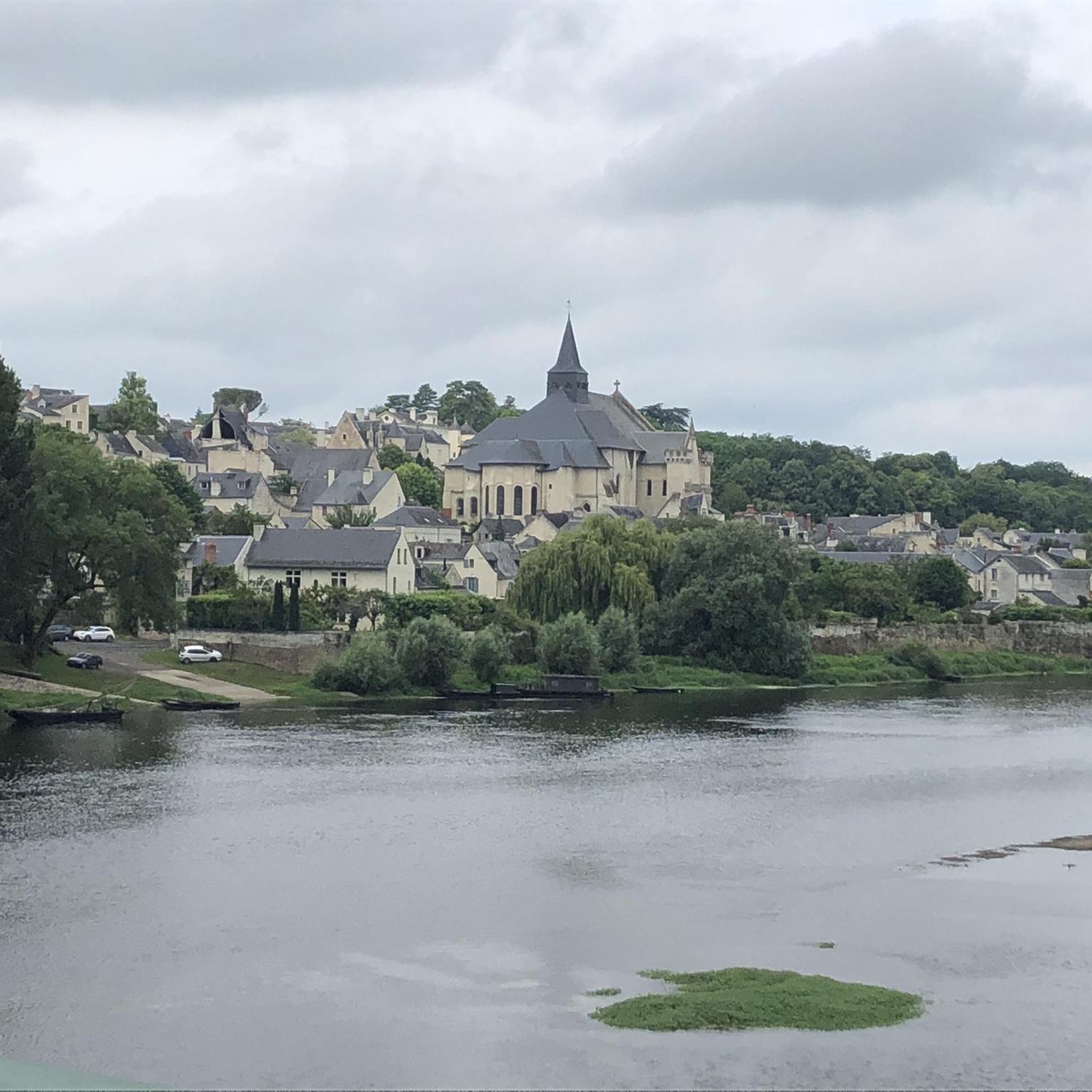
The Church of Saint-Généroux is a site well worth a visit during a hike. It dates back to the 10th century and is considered one of the oldest churches in France, as it features pre-Romanesque architecture found nowhere else. The church is located on the banks of the Thouet River. You can also admire the Romanesque bridge (13th century).
0
0

The Royal Abbey of Fontevraud is one of the largest monastic communities in Europe dating back to the Middle Ages. It is a place with a rich history, located in the heart of the Loire Valley and listed as a UNESCO World Heritage Site. The abbey is a unique cultural site! An abbey with a royal destination, a formidable prison is today a place of creation (museum of modern art).
3
0
Fontevraud-l'Abbaye is located in the natural region of the Loire Valley, listed as a "living cultural landscape" by UNESCO. As its name suggests, the history and present of the municipality are closely linked to the Abbey of Notre-Dame, founded in 1099. The abbey presents the originality of being part of a mixed order, but led by abbesses until the Revolution. was the necropolis of the Plantagenet dynasty. The recumbent figures of Richard the Lionheart, Henry II and Eleanor of Aquitaine are still preserved there. The vast abbey complex was transformed by Napoleon I into a penal colony and then into a "central house". This extraordinary prison closed its doors in 1963. While the abbey church and the various monastic sites were rehabilitated, the entire old abbey has since housed a prestigious cultural centre with, among other things, a renowned art museum, welcoming meetings and artists in residence. Art, history and heritage are highlighted throughout the year.
4
0
Simply enjoy the beautiful views over the city but especially over the mighty Loire River.
2
0
A castle-palace of the Dukes of Anjou in the 19th and 19th centuries, the Château de Saumur, where King René resided, is the last example of the princely palaces built by the Valois dynasty. It served as the residence of the city's governors, a prison, and later an arms and ammunition depot. It was purchased by the city in 1906 to house the municipal museum, now the Musée de France. Today, we discover the rich collections scattered throughout the former apartments of the Dukes of Anjou in an educational museography. Want to know more? Click here: https://www.ot-saumur.fr/en/castles-and-country-houses/Saumurcastle-5261718/
3
0
Perfect stop for 'Eat - Shop & Go'
3
0
Located at the crossroads of Anjou, Touraine and Poitou, welcome to the Fontevraud-l'Abbaye Tourist Office, our travel advisors will welcome you in front of the Saint-Michel church to help you discover the destination. Let us advise you and discover a village full of charm. Formed around the famous royal abbey, the Plantagenets necropolis, it is today a lively village, rich in numerous monuments, shops and craftsmen. The Tourist Office offers you: a privileged welcome - a free wifi hotspot - a shop with a wide choice of regional products, gifts, books and souvenirs - good tips to visit more and spend less when buying your entrance tickets - a complete tourist guide - a website - but also to travel light, by leaving your luggage with us. More information and opening hours at https://www.ot-saumur.fr/nl/sheets/vvv-kantoor-fontevraud-labbaye-5404626/
5
0
Frequently Asked Questions
How many touring cycling routes are available around Pouançay?
There are over 70 touring cycling routes around Pouançay, offering a wide range of options for exploring the region. These routes vary in difficulty, from easy rides to more challenging excursions.
What kind of terrain can I expect on touring cycling routes in Pouançay?
The terrain around Pouançay is quite diverse. You'll find routes through expansive vineyards with rolling hills, serene forests like the Bois de Berrie, and flat, accessible paths alongside the Canal de la Dive. The region also features varied landscapes including river valleys and limestone slopes, providing a mix of experiences.
Are there any easy touring cycling routes suitable for beginners or families?
Yes, Pouançay offers over 20 easy touring cycling routes. A great option for a relaxed ride is the Château de Montreuil-Bellay – Montreuil-Bellay Castle loop from Camp de concentration de Montreuil-Bellay, which is 15.8 miles (25.5 km) long. Another easy route is the Bike loop from Morton, covering 13.4 miles (21.6 km).
What historical landmarks or attractions can I see along the cycling routes?
Many routes pass by significant historical sites. For instance, the Saumur – Montreuil-Bellay Castle loop from Berrie takes you past historical châteaux. You can also explore attractions like the impressive Montreuil-Bellay Castle, or the picturesque La Mothe-Chandeniers Castle. The region is rich with charming villages and cultural sites.
What natural features can I enjoy while cycling in Pouançay?
The region is part of the Loire-Anjou-Touraine Regional Natural Park, offering varied ecosystems. You can cycle through picturesque vineyards, along the tranquil Canal de la Dive, and through peaceful forests such as the Bois de Berrie. The area also features beautiful river valleys, wet meadows, and limestone slopes, providing diverse natural scenery.
What do other touring cyclists enjoy most about cycling in Pouançay?
The touring cycling routes around Pouançay are highly rated by the komoot community, with an average score of 4.6 stars from over 190 reviews. Cyclists often praise the blend of cultural heritage and natural beauty, the scenic routes through vineyards, and the opportunities to visit historical châteaux and charming villages.
Are there any circular touring cycling routes in the area?
Yes, many of the touring cycling routes around Pouançay are designed as loops, allowing you to start and finish in the same location. Examples include the Saumur – Château de Saumur loop from Morton and the La Roche Castle – Saint-Pierre-Charles Church loop from Morton, which offer convenient circular journeys.
Is Pouançay a good destination for touring cyclists interested in wine?
Absolutely. The region around Pouançay is characterized by expansive vineyards, offering unique cycling routes through rolling hills and charming wine-producing villages. You can enjoy leisurely rides amidst the vines, often with opportunities for wine tasting and visiting local producers, especially along the Saumur Wine Route.
What is the best time of year to go touring cycling in Pouançay?
The Loire Valley region, including Pouançay, is generally pleasant for cycling from spring through autumn. Spring offers blooming landscapes, while summer provides warm weather for exploring. Autumn brings beautiful colors to the vineyards. It's always advisable to check local weather forecasts before your trip.
Are there options for more challenging touring cycling routes?
Yes, for experienced touring cyclists seeking a challenge, there are several difficult routes. The Saumur – Montreuil-Bellay Castle loop from Berrie is a difficult 69.8 miles (112.4 km) trail with significant elevation gain, taking nearly 7 hours to complete.
Where can I find parking for my bike when starting a route?
While specific parking areas for each route are not detailed, many villages and towns in the region, including Pouançay and nearby Morton, offer public parking facilities. It's recommended to check local signage upon arrival for designated parking spots near trailheads or points of interest.
Can I access cycling routes using public transport in Pouançay?
Public transport options directly to specific trailheads in rural areas like Pouançay can be limited. However, major towns in the Loire Valley often have train stations or bus services. It's best to research regional transport links to nearby towns and consider cycling from there, or using a car to reach your starting point.
Most popular attractions around Pouançay

Get inspired with the komoot mobile app


Explore more
Browse the best Cycling routes in other regions.
