Attractions and Places To See around Poligné - Top 20
Best attractions and places to see around Poligné include a blend of historical landmarks and natural sites within the Ille-et-Vilaine region of Brittany. The area features the Semnon river and the geologically interesting Tertre Gris, offering both scenic views and opportunities for exploration. Visitors can discover a variety of historical structures, from ancient churches to reconstructed châteaux, alongside picturesque natural landscapes.
Best attractions and places to see around Poligné
- The most popular attractions is Saint-Maximilien-Kolbé Church, a religious building…
Last updated: August 26, 2026
Saint-Maximilien-Kolbé Church
Highlight • Religious Site
Translated by Google •
Tip by

Moulin de la Bouëxière
Highlight • Monument
Translated by Google •
Tip by

Sign up now to discover places like this
Get recommendations on the best single tracks, peaks, & plenty of other exciting outdoor places.
Sign up for free
Uzel Rock
Highlight • Other
Translated by Google •
Tip by

La Patate du CELAR
Highlight (Segment) • Trail
Very pleasant in dry weather but without any real difficulty (apart from the drop) …
Translated by Google •
Tip by

Corps-Nuds
Highlight • Settlement
Translated by Google •
Tip by
Sign up for free to discover even more attractions around Poligné.
Sign up for free
Already have an account?
Start today with a free account
Your next adventure awaits.
Login or Signup

Tips from the Community

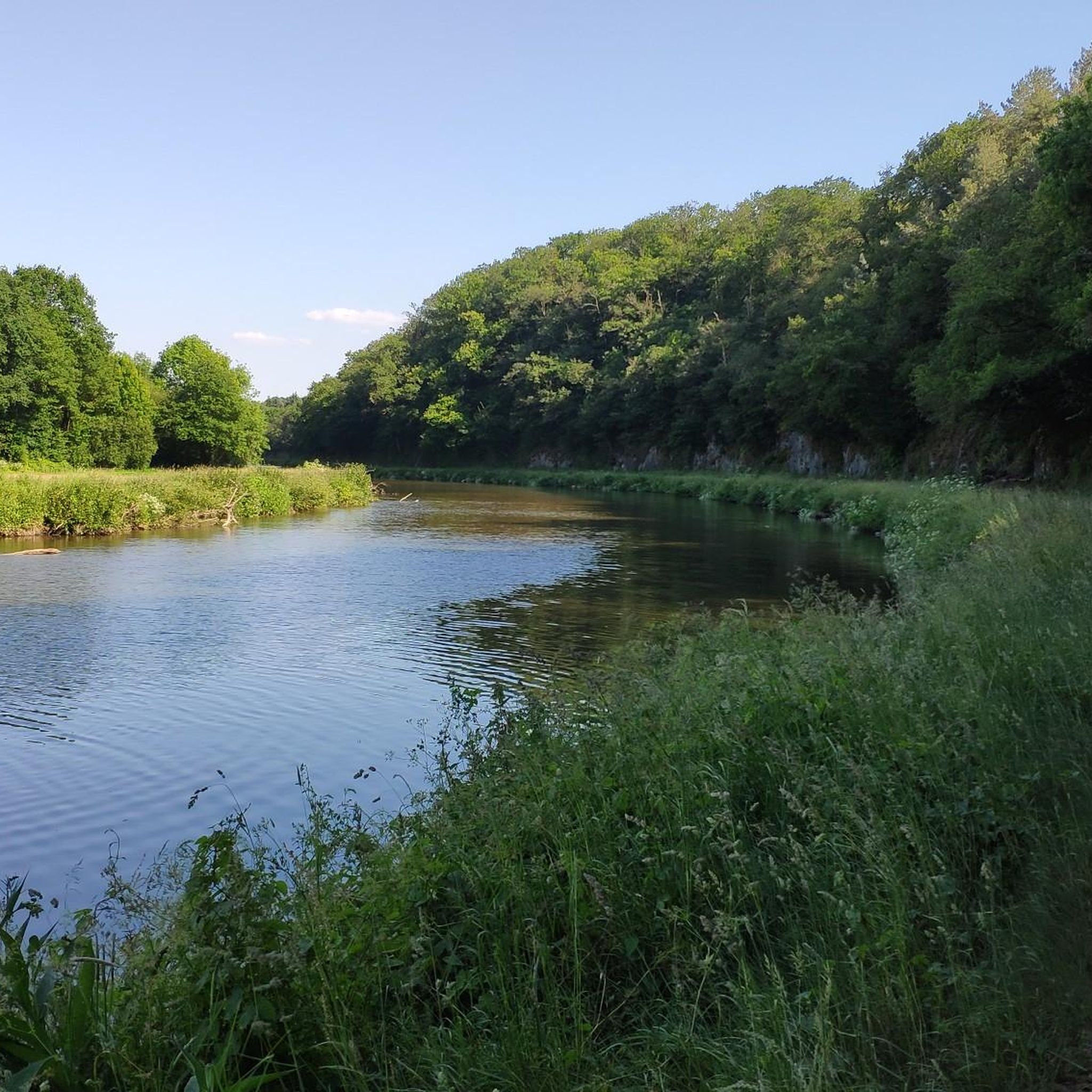
Well done to Alain who is renovating this mill
0
0


Many centuries ago, our ancestors discovered the possibility of harnessing the power of the elements - which on the one hand could be helpful and useful, but on the other hand could also be a threat as untamed forces of nature - for various purposes and thus be able to do without human or animal muscle power. Mills like these are a good example of the human engineering skills of earlier generations: the heavy millstones used to grind grain into corn or press oil, for example, could be powered by the wind or - as here - water.
0
0

Not at all suitable for electric bikes, steep descent and stones, risk of falls, for cyclists who only master
1
3

The Bouëxière mill dates from 1471, although it has undergone many transformations over time. In 1879, it was notably converted into a flour mill.
0
0

This church stands in the middle of the countryside, you can see it from afar, it is magnificent! The bell tower in the form of a "bulb", characteristic of the Byzantine style, made it pass for an Orthodox church, while it is just linked to the originality of the architect in 1875. Anecdote of the German occupation: in 1941, the Nazi propaganda filmed a film there ("Threshing wheat in Ukraine") to make believe in an advance of German troops in Ukraine (against the Soviet Union). Until 2011, the church was under the patronage of St. Peter the Apostle. On this date, his patronage was changed to that of Saint-Maximilien-Kolbé (1894-1941), a Polish priest with exceptional charisma, especially in the face of Nazism. Held in the Auschwitz concentration camp, he offered himself to take the place of a father sentenced to death. He was canonized (recognized as a "saint" by the Catholic Church in Rome) in 1982.
1
0

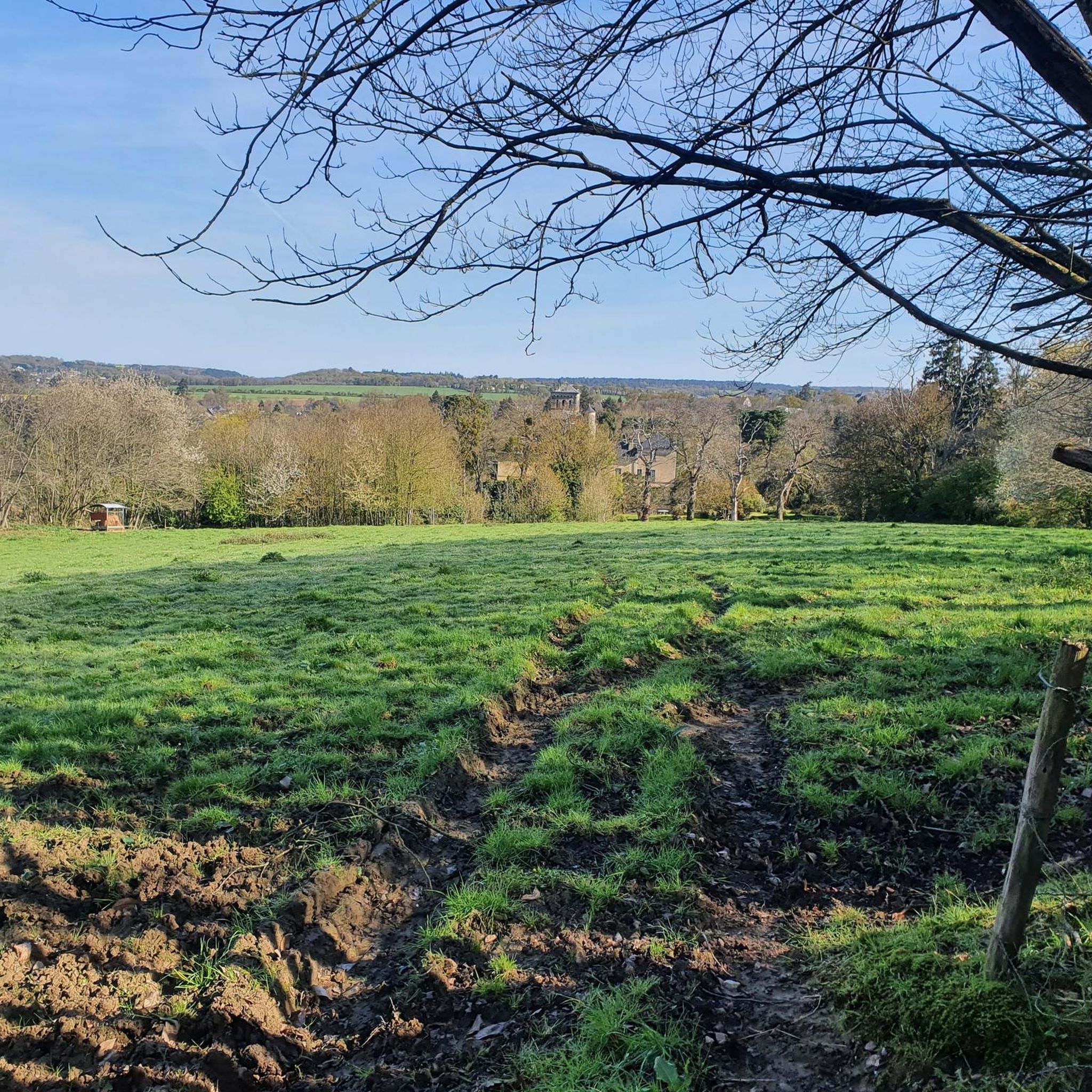
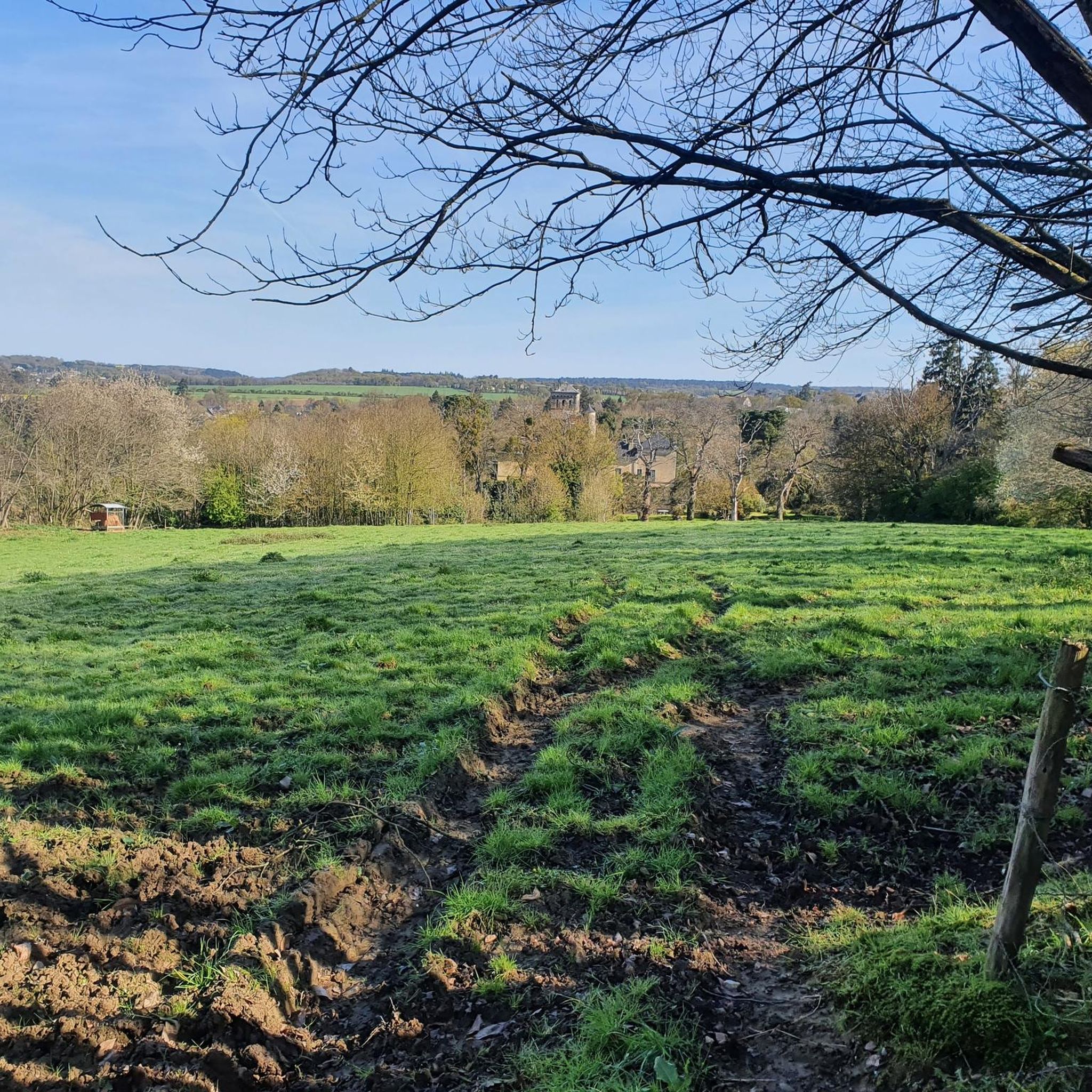
The view is magnificent with a small renovated mill
0
0
Indeed very nice, but beware big drop and there are stones a little. It passes in VTC by going there quietly but it is not recommended
0
0
Frequently Asked Questions
What historical sites can I explore around Poligné?
Poligné is rich in history. You can visit the Saint-Donatien-Saint-Rogatien Church, which has Romanesque origins from the 14th century and features an 18th-century wooden Christ and polychrome statues. Another significant site is the Château de Bois-Glaume, rebuilt in the 18th century on the foundations of a medieval castle. Don't miss the picturesque 17th-century timber-framed house and the old post office in the village, or the historic Roudun Mill and Bridge.
Are there any notable natural features or viewpoints in the area?
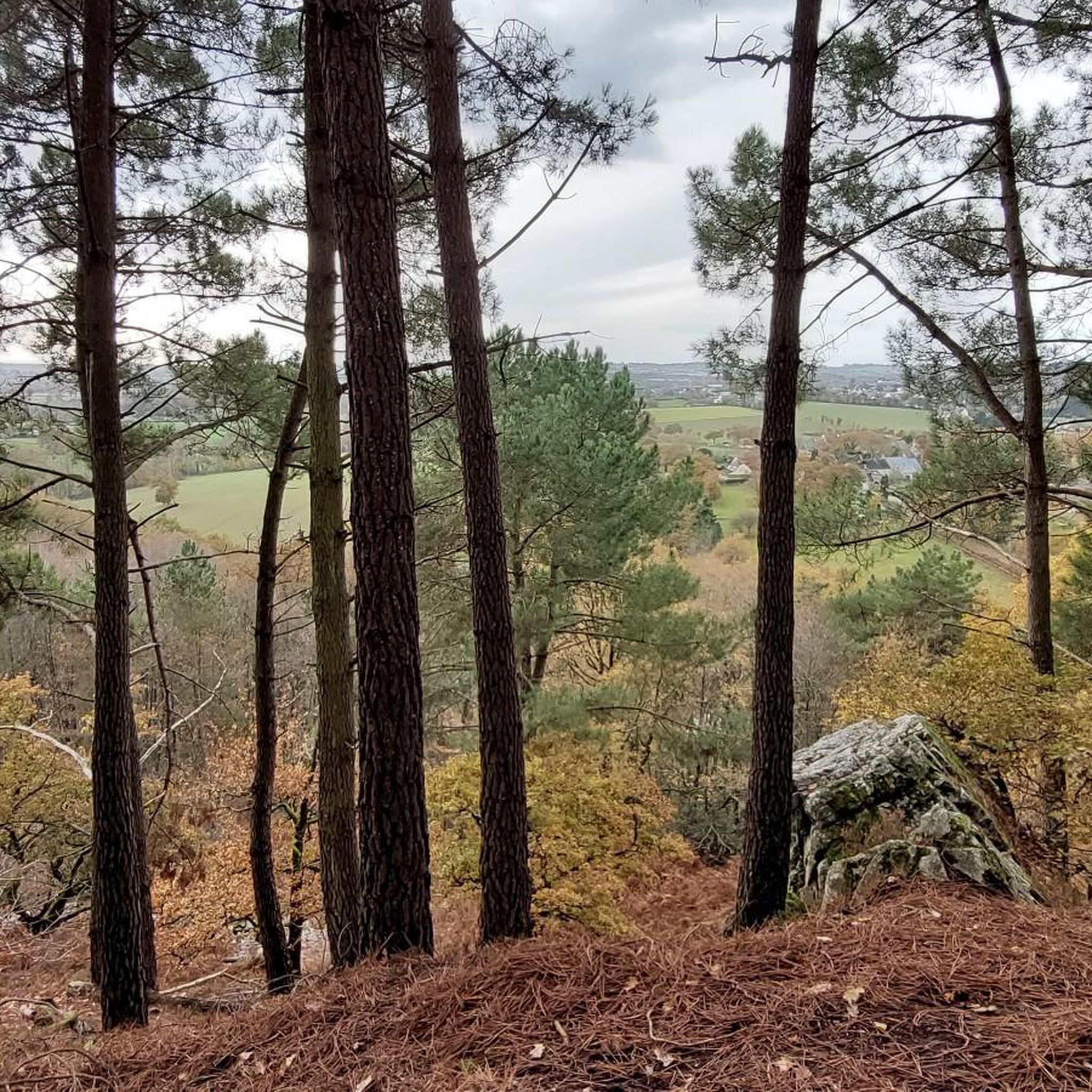
Yes, the region offers beautiful natural spots. Tertre Gris is a significant natural site spanning Poligné, Pancé, and Pléchâtel, offering views of the Semnon river and its 18th-century bridge from its summit. It's also geologically interesting with white sandstones and black argillaceous rocks. Another must-see is Uzel Rock, a ridge that provides superb views of the Vilaine river and features natural caves.
What outdoor activities, like hiking or cycling, are available near Poligné?
Poligné is a great starting point for various outdoor activities. For cycling, you can explore routes like the "Pléchatel church – Uzel Rock loop" or the "Saint-Maximilien-Kolbé Church – Corps-Nuds loop." Hikers can enjoy circuits such as the "Butte du Dran loop" or the "Oyon Valley loop." You can find more details on these and other routes in the Road Cycling Routes around Poligné, Running Trails around Poligné, and Cycling around Poligné guides.
Are there any family-friendly attractions or activities around Poligné?
While specific family-focused attractions aren't detailed, the natural sites and easy walking paths offer great opportunities for families to explore together. The renovated Moulin de la Bouëxière, with its magnificent views, can be an interesting stop. Many of the cycling and hiking loops, especially the easier ones, are suitable for families looking to enjoy the outdoors.
What is the best time to visit Poligné for outdoor activities?
The region is generally pleasant for outdoor activities during spring, summer, and early autumn when the weather is milder and nature is in full bloom. These seasons are ideal for hiking, cycling, and exploring the historical sites. Winter walks can also be charming, but some paths might be muddy, and seasonal attractions may have reduced hours.
Where can I see unique architecture or religious buildings?
The Saint-Maximilien-Kolbé Church is a standout with its distinctive "Byzantine" style and bulbous bell tower, designed by architect Arthur Regnault. It's quite unique in the Breton landscape. The historic Saint-Donatien-Saint-Rogatien Church also offers a glimpse into Romanesque and later architectural styles.
Are there any interesting mills or historical engineering sites?
Yes, the area features several historical mills. The Moulin de la Bouëxière, dating back to 1471, is a renovated mill showcasing historical water power engineering and offers magnificent views. The Roudun Mill and its bridge are also considered worth a detour for their historical significance.
What do visitors enjoy most about the attractions around Poligné?
Visitors particularly appreciate the blend of historical charm and natural beauty. The unique architecture of churches like Saint-Maximilien-Kolbé Church, the historical significance of sites like Moulin de la Bouëxière, and the superb views from places like Uzel Rock are frequently highlighted. The peaceful countryside and opportunities for outdoor exploration are also highly valued.
Are there any challenging trails for experienced hikers or cyclists?
For those seeking a challenge, the La Patate du CELAR trail offers a good climb through undergrowth, suitable for experienced hikers or gravel cyclists. Some running routes, such as the "Boschet Castle – View of Bain-de-Bretagne loop" and "Rocher d'Uzel loop," are also rated as difficult, providing a good workout.
Can I find places to eat or drink near the attractions in Poligné?
While specific cafes or restaurants directly adjacent to every attraction are not detailed, the village of Poligné and nearby towns will offer options for dining and refreshments. It's advisable to check local listings for cafes, pubs, and restaurants in Poligné center or surrounding areas for your visit.
What is the significance of the Semnon river in the Poligné area?
The Semnon river is a prominent natural feature in the region, contributing to the scenic beauty. It flows past significant sites like Tertre Gris, where you can see an 18th-century bridge with three schist arches crossing it. The river valley provides picturesque landscapes and is often incorporated into local walking and cycling routes.
Are there any unique local legends or stories associated with the attractions?
Yes, the Tertre Gris is a place steeped in local legend, adding an intriguing layer to its natural beauty. Additionally, the Uzel Rock has its own legend, as recounted in "Les contes du pays gallo" by Adolphe Orain, involving a boatman and the rock's history before the railway's construction.
Most popular routes around Poligné

Get inspired with the komoot mobile app


Explore more
Still not found the Highlight you’re looking for? See guides of the top attractions in other regions:
