Attractions and Places To See around Labastide-Du-Temple - Top 17
Best attractions and places to see around Labastide-Du-Temple include a blend of historical sites, agricultural landscapes, and natural features in the Tarn-et-Garonne region. This commune, with its Gallo-Roman and Templar origins, is characterized by cultivated fields and is drained by the Tarn River. Visitors can explore local historical points of interest and access broader natural areas, including a Natura 2000 site.
Best attractions and places to see around Labastide-Du-Temple
- The most popular attractions is Saint Peter's Abbey Church and Cloister…
Last updated: October 10, 2026
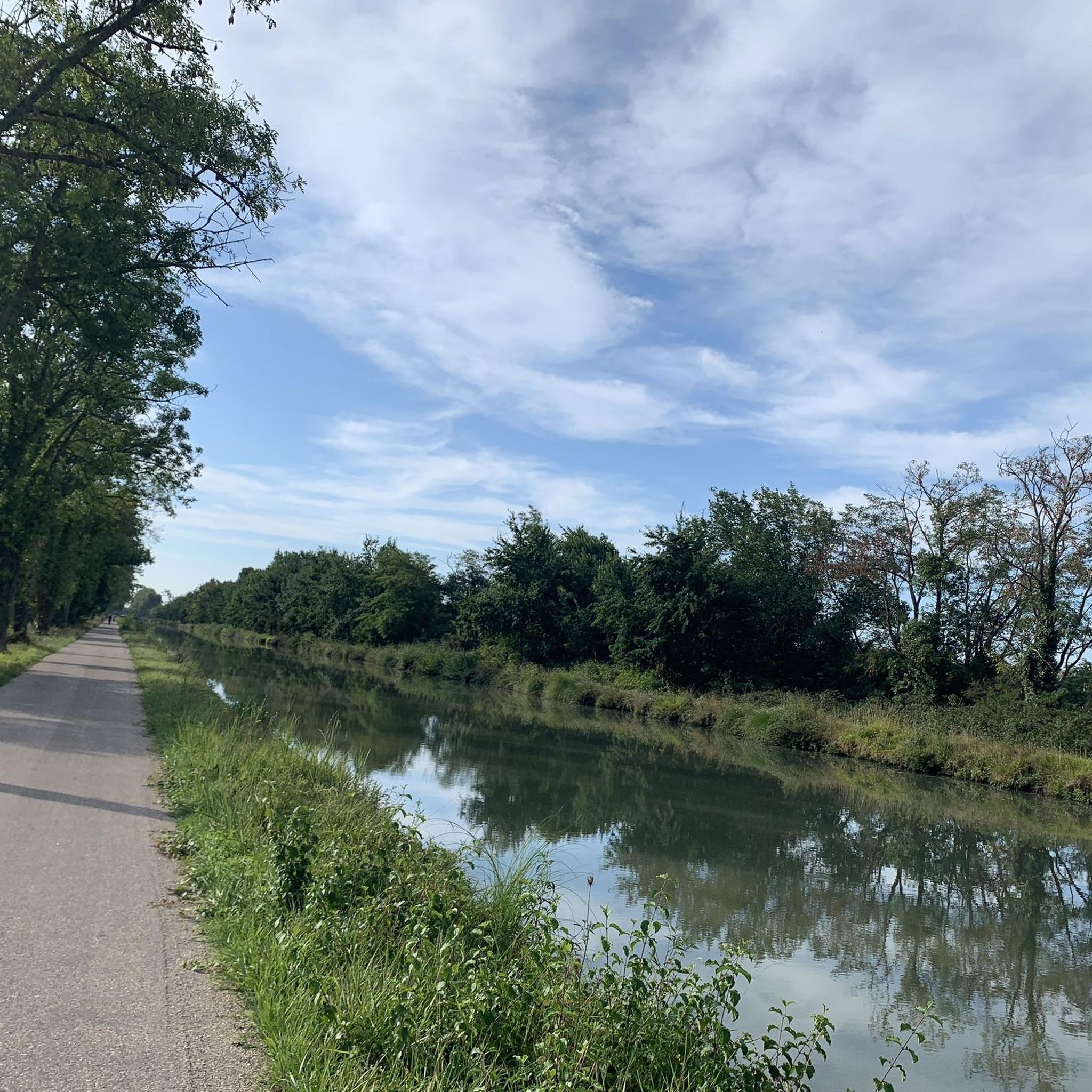
Cacor Canal Aqueduct in Moissac
Highlight • Bridge
Translated by Google •
Tip by

Moissac
Highlight • Other
Translated by Google •
Tip by

Sign up now to discover places like this
Get recommendations on the best single tracks, peaks, & plenty of other exciting outdoor places.
Saint Peter's Abbey Church and Cloister
Highlight • Historical Site
Translated by Google •
Tip by

Ancien Carmel de Moissac
Highlight • Religious Site
Surrounded by a park layered with greenery and trees, it is organized around the …
Translated by Google •
Tip by

Moissac Abbey and Cloister
Highlight • Religious Site
Translated by Google •
Tip by

Sign up for free to discover even more attractions around Labastide-Du-Temple.
Already have an account?
Start today with a free account
Your next adventure awaits.

Tips from the Community

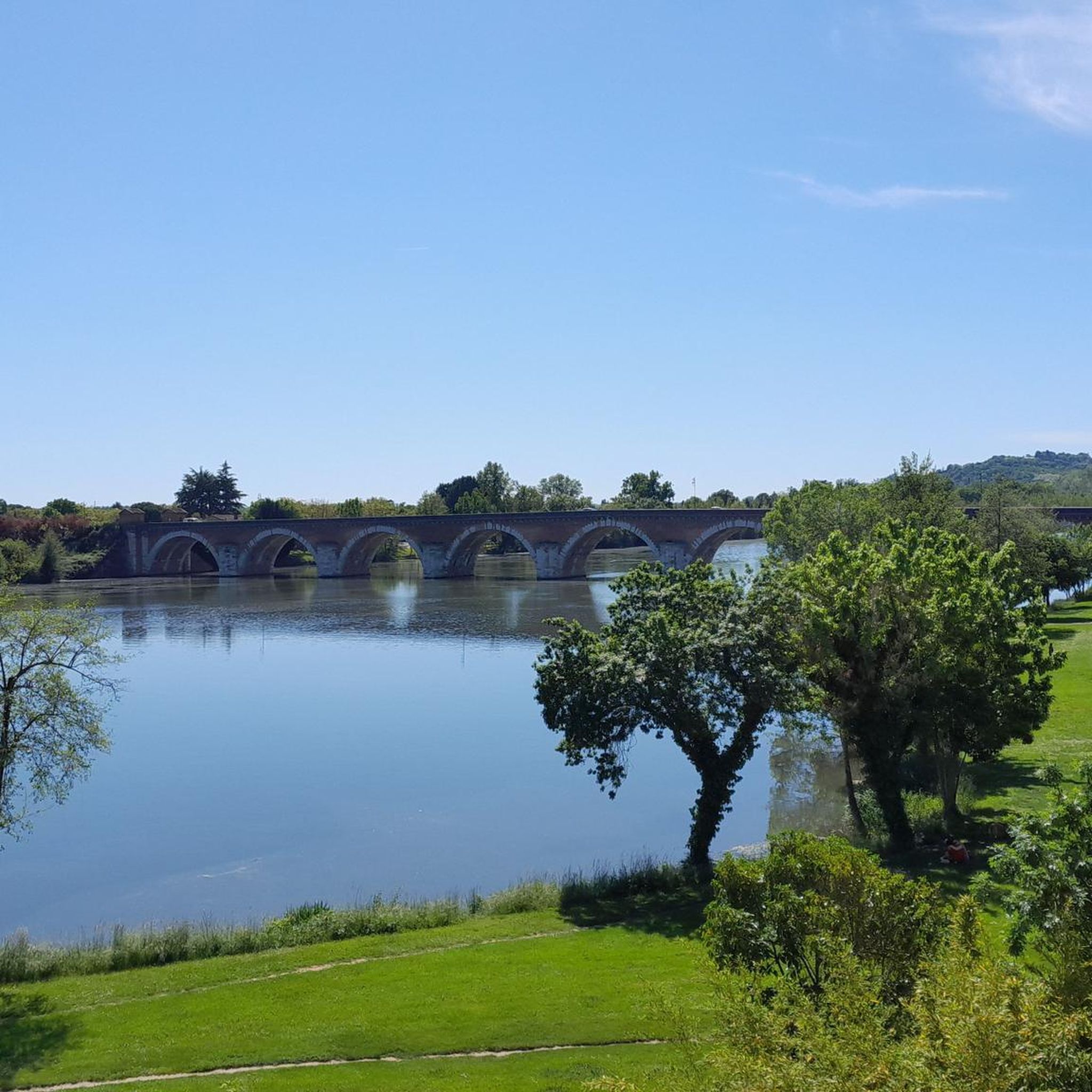
The abbey and its cloister, the historic center, the Art Deco buildings, the Napoleon bridge, the towpath, and the Cacor canal bridge are must-sees. Everything can be easily discovered on foot. Moissac is a major stop on the Camino de Santiago thanks to its exceptional heritage, particularly its abbey, a UNESCO World Heritage site. Its Romanesque cloister and sculpted tympanum make it an emblematic place for pilgrims from all over the world.
0
0
The Old Carmel of Moissac, overlooking the Saint-Pierre abbey, was built between 1857 and 1858 on the initiative of the "ladies of Praslin", wealthy benefactresses. It is a major stop for pilgrims on the Way of Saint James of Compostela (via Podiensis). The architecture of the Old Carmel of Moissac perfectly reflects the spirit of poverty, contemplation, and self-sufficient life characteristic of the Carmelite order in the 19th century. Cloister with raised dormitories, open south gallery, enclosure, predominance of limestone, cut stones, stepped church, stained glass from three periods, including three signed ones from the 20th century.
0
0
Abbey founded in the mid-7th century. After its affiliation with Cluny in 1047, the abbey was consecrated in 1063. Cloister built at the end of the 11th century (high altar consecrated by Urban II), portal completed between 1115 and 1135, fortifications and cloister arcades in the 13th century. After the troubles of the Hundred Years' War and the plundering due to the Wars of Religion, the abbey passed into commendam in the 17th century. After the Revolution, the abbey was bought back as national property and saved by the town hall secretary. The church was returned to worship in 1801 and was restored at the initiative of Viollet-le-Duc in 1847. In 1856, the conventual buildings located on the site of the seminary were destroyed and divided into plots for sale. The purchase of the plots allowed for the construction of the minor seminary and a chapel between 1860 and 1865. The seminary is built on medieval remains of the abbey, particularly the cistern and the Hall of the Dead, which retains painted decoration from the 14th century.
0
0
Abbey founded in the mid-7th century. After its affiliation with Cluny in 1047, the abbey was consecrated in 1063. Cloister built at the end of the 11th century (high altar consecrated by Urban II), portal completed between 1115 and 1135, fortifications and cloister arcades in the 13th century. After the troubles of the Hundred Years' War and the looting due to the Wars of Religion, the abbey came under commendatory abbots in the 17th century. After the Revolution, the abbey was bought back as national property and saved by the town hall secretary. The church was returned to worship in 1801 and was restored at the initiative of Viollet-le-Duc in 1847. In 1856, the conventual buildings located on the site of the seminary were destroyed and divided for sale. The repurchase of the plots allowed for the construction of the minor seminary and a chapel between 1860 and 1865. The seminary is built on medieval remains of the abbey, particularly the cistern and the Hall of the Dead, which retains painted decoration from the 14th century.
1
0

The Abbey of Moissac is a UNESCO World Heritage Site, great frescoes in the entrance portal and a unique cloister with many biblical scenes and saints' stories in the capitals
0
0
Great medieval frescoes and a unique cloister
0
0

Beautiful canal bridge overlooking the River Tarn
2
0
Beautiful abbey. There is also a hostel for pilgrims attached, where you can also find the stamp to put on your credentials.
5
0
Frequently Asked Questions
What historical sites can I explore directly within Labastide-Du-Temple?
Within Labastide-Du-Temple, you can visit the Église Saint-Christophe, a church largely rebuilt in the late 19th century on the site of an older chapel. You can also find the site of the earlier Christian edifice, Notre Dame de la Baude, now marked by an iron cross. The village also features a 19th-century washhouse, offering a glimpse into past local life. For a deeper dive into the commune's Gallo-Roman past, a 4th-century AD mosaic discovered here is housed at the Ingres Museum in nearby Montauban.
Are there any natural attractions or scenic viewpoints near Labastide-Du-Temple?
Yes, for nature enthusiasts, the Circuit du Bois des Mothes offers a hilly hiking trail with remarkable views of the Tarn plain and passes by medieval castle ruins. The commune itself is characterized by its agricultural landscape, providing scenic views of cultivated fields. The Tarn River also drains the commune, contributing to its natural setting. Additionally, the Cacor Canal Bridge provides views of the Canal de Garonne as it crosses the Tarn River.
What outdoor activities are available around Labastide-Du-Temple?
The area around Labastide-Du-Temple is great for various outdoor activities. You can find numerous hiking trails, such as the easy 'Lafrancaise loop from Lafrançaise' or the moderate 'Lac de Jendraux loop from Meauzac'. For cyclists, there are road cycling routes like the 'Gandalou Church loop from Meauzac' and mountain biking trails including the 'Bike Park Castel-Sarrasin loop from Castelsarrasin'. You can explore more options on the dedicated guides for hiking, road cycling, and MTB trails around Labastide-Du-Temple.
Are there family-friendly attractions or activities in the area?
Yes, several attractions cater to families. The Cacor Canal Bridge is a family-friendly spot where you can enjoy views of the Canal de Garonne. For active families, the Bike Park Castel-Sarrasin offers a large fun area with different levels of tracks, a fun mountain bike loop, and Pump-Tracks, ideal for training younger riders. Many of the easy hiking and cycling routes mentioned in the outdoor activities section are also suitable for families.
What is the best time of year to visit Labastide-Du-Temple for outdoor activities?
The best time to visit Labastide-Du-Temple for outdoor activities is generally during spring (April to June) and autumn (September to October). During these seasons, the weather is typically mild and pleasant, ideal for hiking, cycling, and exploring the agricultural landscapes without the intense heat of summer. The natural scenery is also particularly beautiful during these times.
What are some significant cultural or religious sites nearby, outside of Labastide-Du-Temple?
Just a short distance away, you'll find the town of Moissac, renowned for its abbey, a significant example of Romanesque art. The Saint Peter's Abbey Church and Cloister in Moissac is a UNESCO World Heritage site, famous for its 12th-century portal and 76 sculpted capitals. Another notable site is the Ancien Carmel de Moissac, a historical religious building now offering accommodation, located near the town's historic perimeter.
Can I find any unique historical insights related to the Knights Templar in Labastide-Du-Temple?
Labastide-Du-Temple was indeed founded as a bastide in the 13th century by the Knights Templar, which is reflected in its name. While the original geometric layout of the bastide has evolved, its Templar origins are a significant part of its history. The village's coat of arms, featuring three 'billettes,' is also thought to symbolize its Templar connection. Although specific Templar ruins within the village are not prominent, the historical context is deeply embedded in its past.
What kind of natural heritage does the region around Labastide-Du-Temple offer?
The region boasts remarkable natural heritage, including a Natura 2000 site known as the 'valleys of the Tarn, Aveyron, Viaur, Agout and Gijou.' There's also a protected area, the 'course of the Garonne, Aveyron, Viaur and Tarn,' which are natural zones of ecological, faunistic, and floristic interest. These areas signify significant biodiversity, offering opportunities to appreciate the local flora and fauna, though specific marked trails within these zones in Labastide-Du-Temple itself are not detailed.
Are there any impressive engineering marvels or waterways to see?
Yes, the Cacor Canal Bridge is an impressive structure that carries the Canal de Garonne over the Tarn River. This aqueduct is part of the larger Canal de Garonne, which connects with the Canal du Midi, forming a waterway link between the Atlantic and the Mediterranean. It offers a unique perspective on historical engineering and the region's waterways.
What do visitors enjoy most about the attractions around Labastide-Du-Temple?
Visitors particularly appreciate the rich Romanesque art and historical significance of sites like the Saint Peter's Abbey Church and Cloister in Moissac, often described as a masterpiece. The peaceful and charming atmosphere of towns like Moissac, with its Napoleon bridge, is also highly rated. The scenic views offered by the Cacor Canal Bridge and the opportunity to explore the Canal de Garonne are also popular highlights.
Are there any specific trails for beginners or easy walks near Labastide-Du-Temple?
Yes, for those looking for easier options, the 'Lafrancaise loop from Lafrançaise' is an easy hiking route. Many of the road cycling routes, such as the 'Gandalou Church loop from Meauzac' and 'Montech Canal loop from Meauzac', are also rated as easy, providing gentle paths to explore the countryside. These routes are suitable for beginners or those preferring a relaxed pace.
Most popular routes around Labastide-Du-Temple

Get inspired with the komoot mobile app


Explore more
Still not found the Highlight you’re looking for? See guides of the top attractions in other regions:
