The best cycling routes around Saix
4.4
(689)
4,666
riders
161
rides
Touring cycling around Saix offers routes through a landscape characterized by rolling hills, river valleys, and historical sites. The region features a mix of agricultural land and wooded areas, providing varied scenery for cyclists. Elevation gains are generally moderate, with some routes presenting more challenging ascents. This area is well-suited for exploring by bike, with many scenic touring bike routes connecting villages and cultural landmarks.
Best touring cycling routes around Saix
- The most popular touring cycling route is Saumur –…
Last updated: June 22, 2026
4.7
(3)
8
riders
58.6km
03:34
440m
440m
Moderate bike ride. Good fitness required. Mostly paved surfaces. Suitable for all skill levels.
15
riders
50.2km
04:21
600m
600m
Hard bike ride. Very good fitness required. Mostly paved surfaces. Suitable for all skill levels.

Sign up for free
5.0
(1)
11
riders
29.2km
01:45
200m
200m
Moderate bike ride. Good fitness required. Mostly paved surfaces. Suitable for all skill levels.
11
riders
12.7km
00:47
90m
90m
Easy bike ride. Great for any fitness level. Mostly paved surfaces. Suitable for all skill levels.
5
riders
14.5km
00:59
150m
150m
Moderate bike ride. Good fitness required. Mostly paved surfaces. Suitable for all skill levels.
Get access to more routes and recommendations from other explorers.
Sign up for free
Already have an account?
Our route recommendations are based on thousands of hikes, rides, and runs completed by other people on komoot.
Start today with a free account
Your next adventure awaits.
Login or Signup

Tips from the Community

The fortified building, built in the 16th century on the banks of the Loire, probably on the foundations of a pre-existing structure, was an integral part of the city's fortifications. This building has served as the city's administrative building since 1508, when Guillaume Bourneau, Sieur de Montaglan, Lieutenant General in Saumur, took office. Between 1856 and 1862, the building was expanded with a wing in the Neo-Gothic style, fashionable in the 19th century, designed by the architect Charles Joly-Leterme.
0
0

The Royal Abbey of Fontevraud is one of the largest monastic communities in Europe dating back to the Middle Ages. It is a place with a rich history, located in the heart of the Loire Valley and listed as a UNESCO World Heritage Site. The abbey is a unique cultural site! An abbey with a royal destination, a formidable prison is today a place of creation (museum of modern art).
3
0
Brief: The Notre-Dame-de-Pitié chapel, dating from 1579, is remarkable for both its late Renaissance architecture and its interior decoration, which was completely rebuilt in 1871-1872 around the sculpted group of the Virgin of Pitié that it houses (a work that was handed over after thefts in 2003). The foundations of this chapel are historically linked to the officers of the Abbey of Fontevraud and to Abbess Éléonore de Bourbon. It should be noted that the renovation of the chapel after the Franco-Prussian War took place in connection with the Central Prison of Fontevraud, since prisoners contributed to the painted decorations. The chapel is isolated and has not been maintained for decades. Today, it is in a worrying state: the striking elements of the sculpted furniture have disappeared or have been stored to prevent theft. The painted canvas has been altered and shows a general shabby-chic style. The murals are in some places very degraded (flaking, holes), as is the vault with false wainscoting on plaster laths. A restoration of this interior and fixing the furniture in place would be necessary. This would undoubtedly also help to clarify the question of the decor that already existed in the 1871-1872 program. Want to know more? Click on https://gertrude.paysdelaloire.fr/dossier/IA49010716
4
0
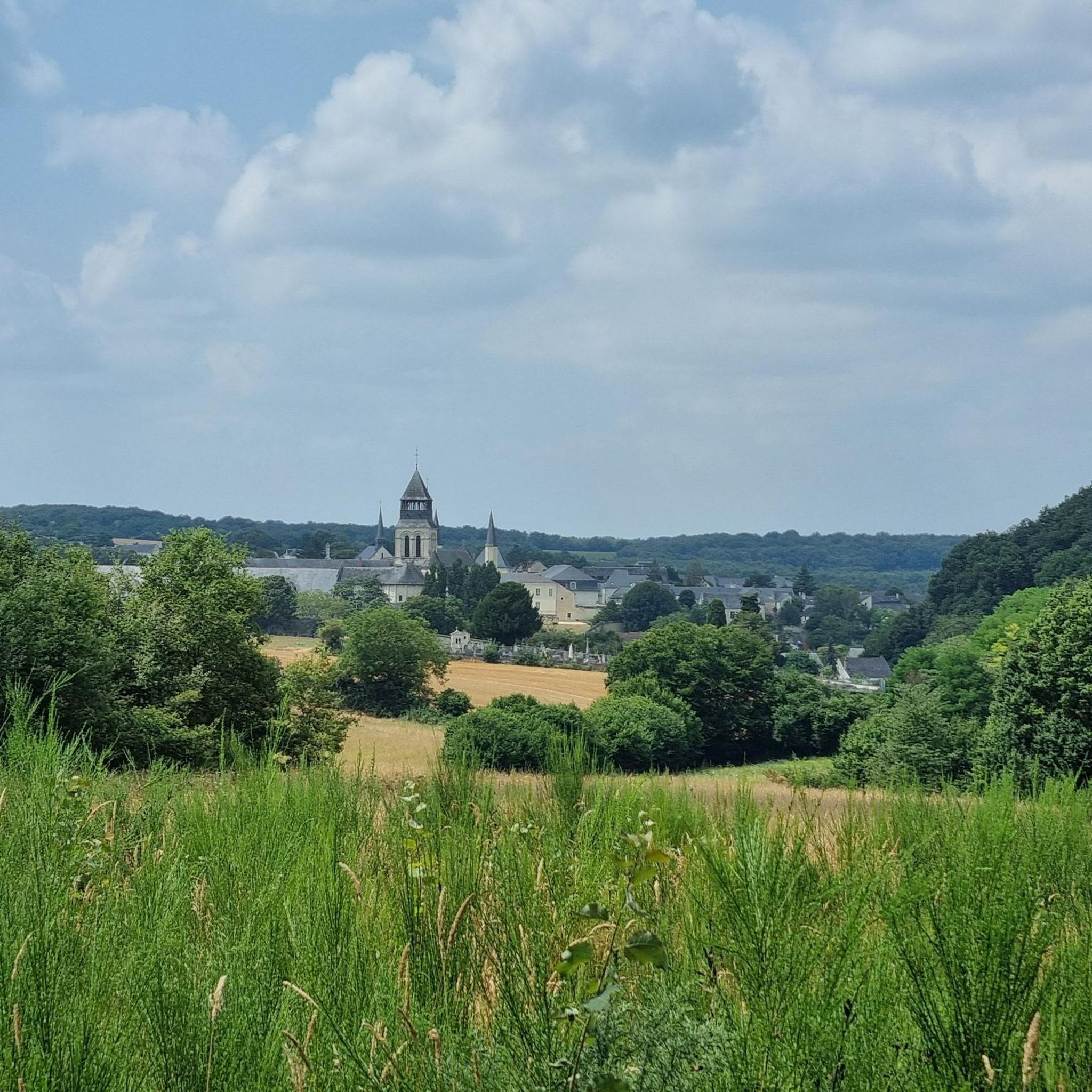
Fontevraud-l'Abbaye is located in the natural region of the Loire Valley, listed as a "living cultural landscape" by UNESCO. As its name suggests, the history and present of the municipality are closely linked to the Abbey of Notre-Dame, founded in 1099. The abbey presents the originality of being part of a mixed order, but led by abbesses until the Revolution. was the necropolis of the Plantagenet dynasty. The recumbent figures of Richard the Lionheart, Henry II and Eleanor of Aquitaine are still preserved there. The vast abbey complex was transformed by Napoleon I into a penal colony and then into a "central house". This extraordinary prison closed its doors in 1963. While the abbey church and the various monastic sites were rehabilitated, the entire old abbey has since housed a prestigious cultural centre with, among other things, a renowned art museum, welcoming meetings and artists in residence. Art, history and heritage are highlighted throughout the year.
4
0
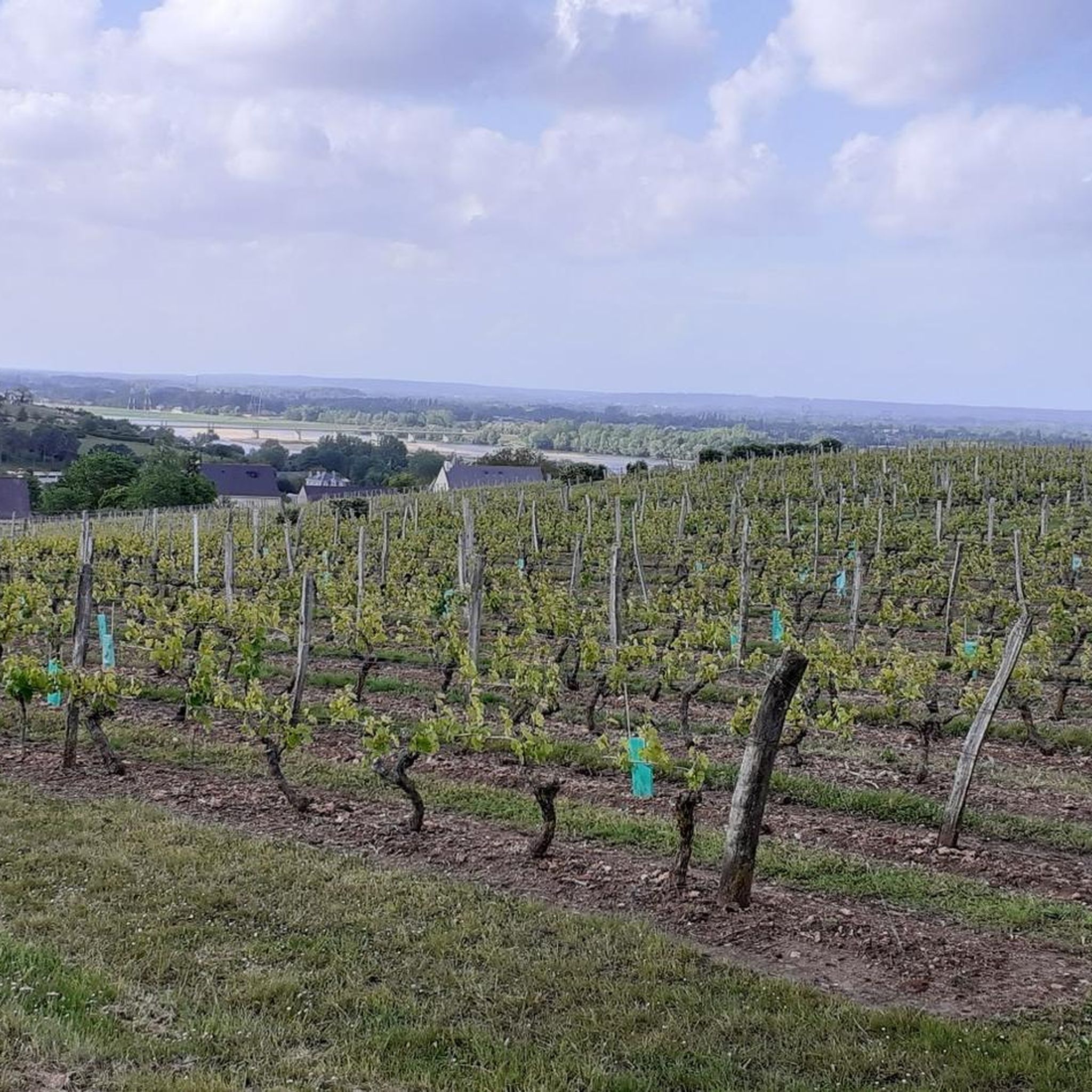
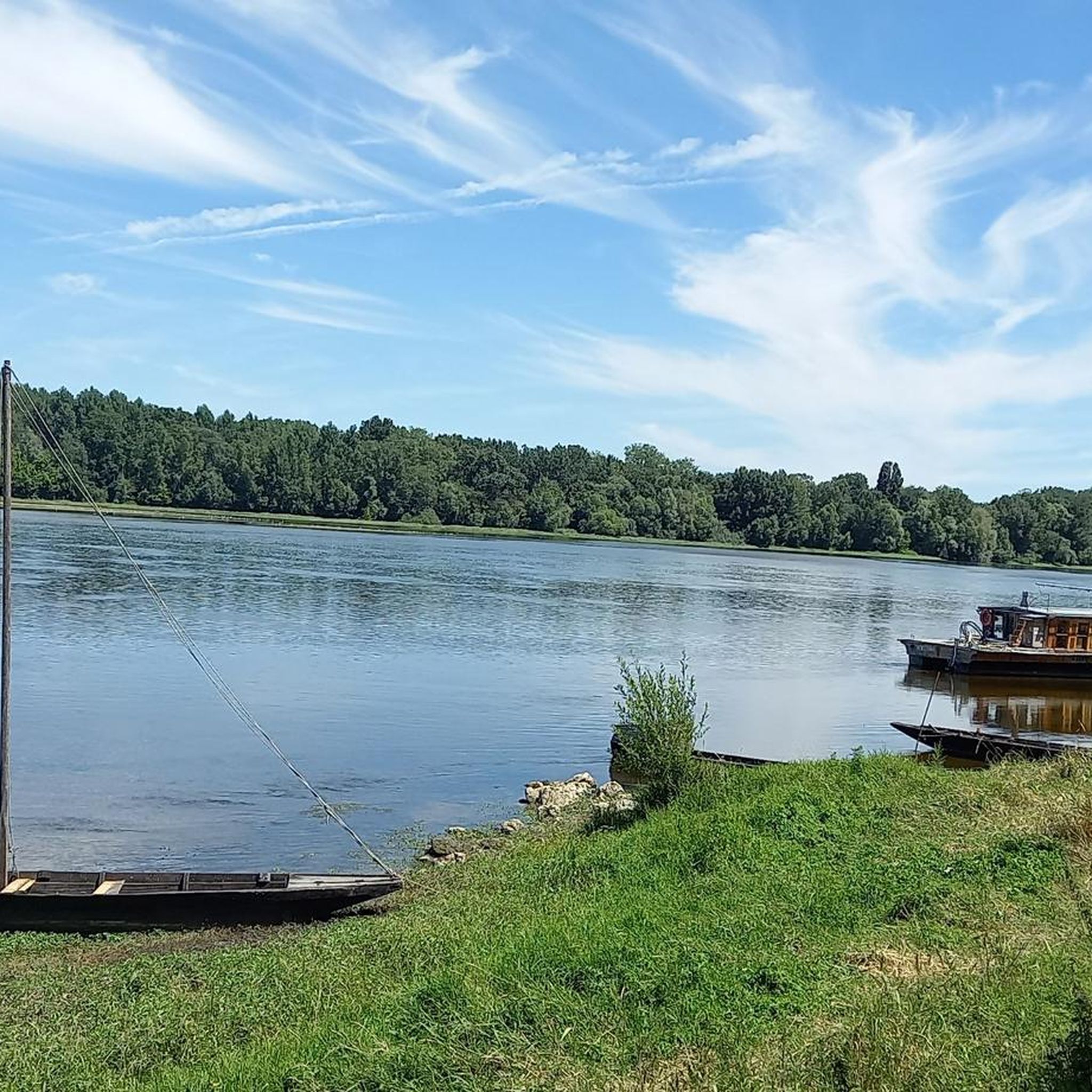
Simply enjoy the beautiful views over the city but especially over the mighty Loire River.
2
0
A castle-palace of the Dukes of Anjou in the 19th and 19th centuries, the Château de Saumur, where King René resided, is the last example of the princely palaces built by the Valois dynasty. It served as the residence of the city's governors, a prison, and later an arms and ammunition depot. It was purchased by the city in 1906 to house the municipal museum, now the Musée de France. Today, we discover the rich collections scattered throughout the former apartments of the Dukes of Anjou in an educational museography. Want to know more? Click here: https://www.ot-saumur.fr/en/castles-and-country-houses/Saumurcastle-5261718/
3
0
The first stone was laid on 20 June 1864. As an architect with eclectic tastes, Joly-Leterme was inspired by the style of the Louis XVI period, which was contemporary with the hall he replaced. He borrowed in particular from the neoclassical colonnades of the Grand Théâtre de Bordeaux and the Madeleine in Paris. On the left, the colonnade overlooking the Loire has a rather successful disappearing effect; the monument is not rectangular, but narrows towards the east. The hall opens onto the Place de la Bilange, which it dominates with its monumental proportions. The eastern façade, dedicated to the musicians and the entrance for the artists, has a more intimate appearance. It is narrower, with five instead of seven arches. This façade has often changed in appearance. The hall is in the "Italian style", a type of hall that was fashionable during the Second Empire. Large reception areas are planned: a grand staircase overlooking the Place de la Bilange, a spacious foyer on the first floor, a wide peristyle accessible to all, and galleries on the upper floor providing access to numerous rooms. In the middle, the concert hall is reduced to a small, high space. The stage, of good dimensions, has been rebuilt several times. The red-gold tones of the hall, restored in 1963, have come to life. Source: https://www.ville-saumur.fr/patrimoine-architectural/le-theatre-2
3
0
The Place Saint-Pierre in Saumur has traditionally been a haven for bistros. This is where social life meets. Sit down and enjoy the bustling life.
3
0
Frequently Asked Questions
How many touring cycling routes are available around Saix?
There are over 150 touring cycling routes around Saix listed on komoot, offering a wide range of options for different skill levels and preferences. This includes 69 easy routes, 80 moderate routes, and 8 difficult routes.
Are there easy touring cycling routes suitable for beginners in Saix?
Yes, Saix offers numerous easy touring cycling routes perfect for beginners. For example, the Bike loop from Saix is an 8.0-mile (12.9 km) trail that takes about 47 minutes, leading through local villages and open fields with minimal elevation gain.
What are the more challenging touring cycling routes near Saix?
For experienced touring cyclists seeking a challenge, routes like the Fontevraud – Notre-Dame-de-Pitié Chapel loop from Fontevraud-l’Abbaye offer significant elevation changes over its 31.0 miles (50.0 km) distance. This route is classified as difficult and passes by the notable Fontevraud Abbey.
Can I find circular touring cycling routes around Saix?
Yes, many touring cycling routes in the Saix region are designed as loops. A popular option is the Saumur – Château de Saumur loop from Morton, a 36.4-mile (58.6 km) trail that explores the scenic countryside around the historic Château de Saumur.
What kind of scenery can I expect on touring bike routes in Saix?
Touring cycling routes around Saix feature a diverse landscape of rolling hills, tranquil river valleys, and historical sites. You'll pass through a mix of agricultural land and wooded areas, offering varied scenery including historical châteaux and undulating rural landscapes.
Are there any notable landmarks or attractions along the touring cycling routes?
Absolutely. Many routes pass by significant historical sites. The Saumur – Château de Saumur loop from Morton, for instance, explores the area around the historic Château de Saumur. Another route, the Fontevraud – Notre-Dame-de-Pitié Chapel loop from Fontevraud-l’Abbaye, takes you past the impressive Fontevraud Abbey.
What do other touring cyclists say about the routes in Saix?
The touring cycling routes in Saix are highly regarded by the komoot community, with an average rating of 4.4 stars from over 790 reviews. Cyclists often praise the region's varied terrain, historical landmarks, and the well-maintained paths that connect charming villages.
What is the best season for touring cycling in Saix?
While touring cycling is enjoyable year-round, spring and autumn generally offer the most pleasant conditions in Saix. The weather is typically mild, and the landscapes are particularly vibrant, making for comfortable rides through the region's rolling hills and river valleys.
Are there touring cycling routes that pass through villages or offer opportunities for refreshments?
Many routes around Saix connect local villages, providing opportunities to stop for refreshments. The Bike loop from Saix, for example, leads through local villages where you can find cafes or small shops.
How long do touring cycling routes around Saix typically take?
Route durations vary significantly based on distance and difficulty. Shorter, easy routes like the Bike loop from Saix can be completed in under an hour, while longer, moderate to difficult routes such as the La Roche Castle – Saint-Pierre-Charles Church loop from Morton (51.9 km) can take over 3 hours.
Are there any touring cycling routes that offer views of castles or historic buildings?
Yes, the region is rich in history. The Château de Saumur – Saumur loop from Roiffé is a moderate 54.1 km route that provides excellent views of the Château de Saumur and other historic architecture in the area.
Most popular attractions around Saix

Get inspired with the komoot mobile app


Explore more
Browse the best Cycling routes in other regions.
