Attractions and Places To See around Savigny-Lévescault - Top 20
Best attractions and places to see around Savigny-Lévescault, a commune in the Vienne department of the Nouvelle-Aquitaine region of France, are primarily found in its surrounding areas. This region offers a blend of historical, cultural, and natural sites. Located near the Clain river, the area provides access to historic cities like Poitiers and medieval towns such as Chauvigny. Visitors can explore a variety of landscapes and heritage sites within a short distance.
Best attractions and places to see around Savigny-Lévescault
…Last updated: July 6, 2026
View of the Abbaye Saint-Junien de Nouaillé-Maupertuis
Highlight • Religious Site
Translated by Google •
Tip by

Tison Islet
Highlight • Other
Translated by Google •
Tip by

Sign up now to discover places like this
Get recommendations on the best single tracks, peaks, & plenty of other exciting outdoor places.
Sign up for free
The Dunes Panorama
Highlight • Viewpoint
Translated by Google •
Tip by
Poitiers
Highlight • Settlement
Translated by Google •
Tip by

12th-century town ramparts
Highlight • Monument
Dive into History: The ramparts allow you to understand the strategic importance of Poitiers in the Middle Ages and how the city was protected against external threats.
Translated by Google •
Tip by
Sign up for free to discover even more attractions around Savigny-Lévescault.
Sign up for free
Already have an account?
Start today with a free account
Your next adventure awaits.
Login or Signup





Tips from the Community

Still as beautiful!
0
0

This medieval building, surrounded by walls and gardens, stands majestically in the heart of a charming village. From the surrounding paths, the view of the abbey reveals its slate roofs and stone walls. The setting is bucolic, with the river and the surrounding meadows.
1
0

The Abbey of Saint-Junien de Nouaillé-Maupertuis is a remarkable historical site located approximately 10 kilometers southeast of Poitiers, in the Nouvelle-Aquitaine region. Founded in the 7th century, this abbey has played an important role in the religious and cultural life of the region over the centuries. Points of Interest: Ancient History: Founded by Saint-Junien, a Benedictine monk, the abbey was an influential religious center during the Middle Ages. It enjoyed a period of prosperity before declining over the following centuries. Architecture: Although the abbey has undergone modifications and destruction over time, it still preserves important vestiges of its past, including elements of the abbey church, chapels, and parts of the convent buildings. Visitors can admire the impressive ruins that testify to the scale and grandeur of the medieval abbey. Why visit the Abbey of Saint-Junien of Nouaillé-Maupertuis? Historical Richness: The visit allows you to delve into the religious and cultural history of the region, exploring the remains of an influential medieval abbey. Architecture and Ruins: The remains of the abbey offer a fascinating insight into medieval architecture, with elements still visible that tell of its glorious past. Natural Setting: Situated in a peaceful environment, the site is ideal for a leisurely stroll and immersion in the surrounding natural beauty. Cultural Heritage: As a historical monument, the abbey is a key element of the local heritage and deserves a visit to appreciate the rich history of the region. The Abbey of Saint-Junien of Nouaillé-Maupertuis is therefore a must-see place for those interested in medieval history, religious architecture, and the beauty of historical sites.
1
0
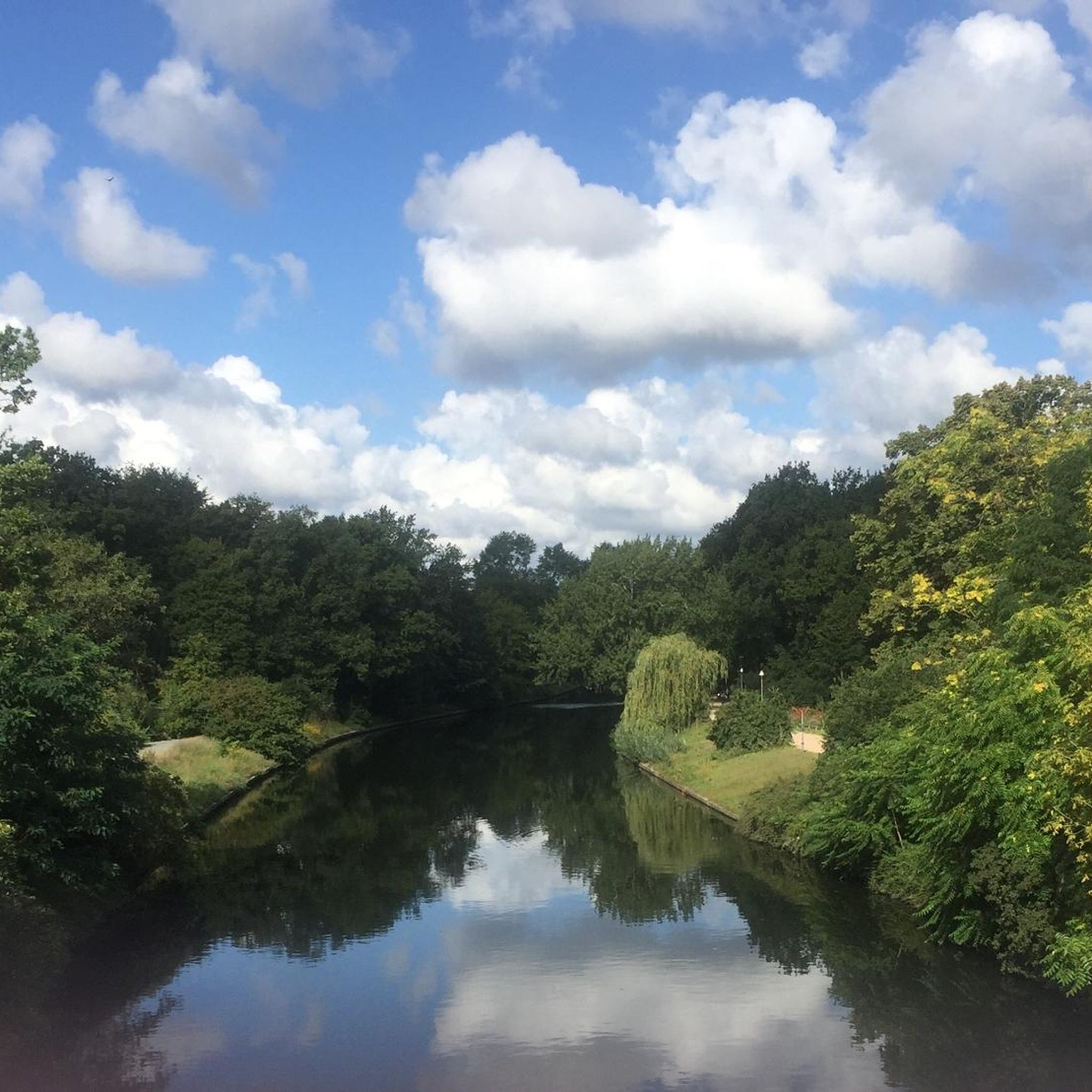
The Tison block, located in Poitiers, is a former industrial site transformed into an urban green space, offering a place of relaxation and leisure on the banks of the Clain. This block, once occupied by factories, has been rehabilitated to become a modern park where nature reclaims its rights. With its vast lawns, shaded paths, and landscaped banks, the Tison block has become a popular place for walks, picnics, and outdoor activities. It has sports and leisure facilities, as well as spaces dedicated to culture and outdoor events. The rehabilitation project has preserved certain elements of the industrial heritage, such as the old chimneys and brick structures, which contrast harmoniously with the natural setting. This mix of industrial past and ecological renewal makes the Tison block a symbol of the urban transformation of Poitiers, offering residents a pleasant place to live and a haven of greenery in the heart of the city.
2
0
Why visit the ramparts of Poitiers: Dive into History: The ramparts allow you to understand the strategic importance of Poitiers in the Middle Ages and how the city was protected against external threats. Architectural Heritage: The visit offers a valuable insight into medieval defensive architecture and construction techniques of the time. Scenic Walk: Walks along the ramparts offer picturesque views and a leisurely experience through a site steeped in history. By exploring the ramparts of Poitiers, visitors can appreciate not only the historical richness of the city but also the beauty of its medieval remains, integrated into the current urban setting.
2
0
The city walls of Poitiers, dating mainly from the 12th century, are a fascinating remnant of this historic city's medieval past. Although many sections have been destroyed or altered over the centuries, impressive portions still remain that bear witness to the city's grandeur and defense in medieval times. Why visit the Poitiers City Walls: Dive into History: The city walls provide an understanding of the strategic importance of Poitiers in the Middle Ages and how the city was protected from external threats. Architectural Heritage: The tour offers valuable insight into medieval defensive architecture and construction techniques of the time. Scenic Walk: Walks along the city walls offer picturesque views and a leisurely experience through a site steeped in history. By exploring the ramparts of Poitiers, visitors can appreciate not only the historical richness of the city but also the beauty of its medieval remains, integrated into the current urban setting.
1
0
The Dunes panorama in Poitiers offers a breathtaking view of the city and its surroundings, constituting a place of contemplation and serenity. Located on a hill to the west of the city, this site is dominated by a statue of the Virgin Mary, which has watched over Poitiers since 1945. Erected in gratitude for the protection granted to the city during the Second World War, this statue has become a local symbol of peace and hope. From the Dunes, one can admire a vast panorama of the city's rooftops, with its bell towers, spires, and historic monuments that stand out on the horizon. The Saint-Pierre Cathedral, the Notre-Dame-la-Grande church, and the Palais de Justice are all landmarks visible from this promontory. The contrast between the urban spaces and the surrounding nature, with forests and fields stretching as far as the eye can see, offers a striking perspective. The Dunes site is also a popular place for walking, with paths that wind through the green spaces, inviting relaxation and reflection. The presence of the statue of the Virgin adds a spiritual dimension to this place, making it a privileged place for meditation and contemplation.
2
0
Frequently Asked Questions
What historical and cultural sites can I explore near Savigny-Lévescault?
The region is rich in history. You can visit the impressive Abbaye Saint-Junien de Nouaillé-Maupertuis, a significant religious monument just 5 km away. The historic city of Poitiers, about 12 km distant, boasts 12th-century architecture, including the Church of Notre-Dame-la-Grande and the Palace of the Counts of Poitou. Further afield, Chauvigny (14 km) is known for its medieval castles and Romanesque art, while the Abbey of Saint-Savin-sur-Gartempe (30 km) is a UNESCO World Heritage site.
Are there any natural attractions or viewpoints around Savigny-Lévescault?
Yes, for natural beauty and scenic views, consider visiting the Tison Islet in Poitiers, an urban green space along the Clain river. Also in Poitiers, the Dunes Panorama offers breathtaking views of the city. The Forest of Saint-Sauvant is nearby, and the wider Vienne department features natural sites like the Pinail Nature Reserve and Roc d'Enfer rapids for green exploration.
What family-friendly activities are available in the area?
Families have several exciting options. Futuroscope, a popular theme park, is about 17 km away. South of Poitiers, La Vallée des Singes offers a unique experience to observe primates in semi-freedom. For indoor fun, especially on a rainy day, Game Parc near Poitiers provides activities like laser tag and mini-golf. You could also try the VéloRail de Chauvigny for a unique ride through the medieval city.
Where can I go hiking or walking near Savigny-Lévescault?
There are several walking opportunities. Within Savigny-Lévescault, you can explore the 16 km 'L'institutrice bucolique' trail. For more options, check out the Hiking around Savigny-Lévescault guide, which includes routes like the 'Bread oven – Crank wells loop from Savigny-Lévescault' and 'Trails 6B and R35 loop from Saint-Julien-l'Ars'.
Are there cycling routes suitable for different skill levels?
Absolutely. For road cycling, you can find routes ranging from easy to moderate, such as the 'Picnic air loop from Mignaloux-Beauvoir' or the 'Roadbike loop from Saint-Julien-l'Ars'. Explore more options in the Road Cycling Routes around Savigny-Lévescault guide. If you prefer gravel biking, the Gravel biking around Savigny-Lévescault guide offers routes like 'The Child's Tomb – Moulière Forest House loop' for moderate riders.
What are some lesser-known towns or 'hidden gems' to visit?
Beyond the major cities, consider visiting Montmorillon (33 km to the east-south-east), a small town with much to discover. La Roche-Posay (38 km to the north-east) features a castle donjon and a medieval gateway. These offer a glimpse into local heritage away from the busiest spots.
Can I find any medieval architecture or ramparts in the vicinity?
Yes, the city of Poitiers retains impressive portions of its 12th-century town ramparts, offering a fascinating insight into its medieval past and defensive architecture. Chauvigny also boasts several medieval castles and Romanesque churches.
What are the options for water-based activities?
You can enjoy water-based activities on the Clain river. Canoe-kayak rentals are available from the CKCCPA club at Parc du Clos de la Ribaudiere in Chasseneuil-du-Poitou, offering a pleasant way to spend a day on the water.
What is the best time of year to visit Savigny-Lévescault for outdoor activities?
The Nouvelle-Aquitaine region generally enjoys pleasant weather from spring through early autumn, making these seasons ideal for outdoor activities like hiking, cycling, and exploring historical sites. Summers are warm, perfect for water activities, while spring and autumn offer milder temperatures for active pursuits.
Are there any notable religious buildings or monuments to see?
Definitely. The Abbaye Saint-Junien de Nouaillé-Maupertuis is a significant religious monument. In Poitiers, the Church of Notre-Dame-la-Grande and Saint-Paul Cathedral are prominent. The Abbey of Saint-Savin-sur-Gartempe is a UNESCO site renowned for its Romanesque art. The wider region also features numerous churches like Eglise de Saint Pierre in Chauvigny.
What do visitors enjoy most about the attractions around Savigny-Lévescault?
Visitors particularly appreciate the blend of historical richness and natural beauty. The medieval architecture of sites like the Abbaye Saint-Junien de Nouaillé-Maupertuis and the charm of Poitiers are highly rated. The transformation of industrial sites like Tison Islet into urban green spaces for relaxation is also a favorite.
Most popular routes around Savigny-Lévescault
Most popular attractions around Savigny-Lévescault

Get inspired with the komoot mobile app


Explore more
Still not found the Highlight you’re looking for? See guides of the top attractions in other regions:
