Attractions and Places To See around Vaux-Sur-Vienne - Top 12
Best attractions and places to see around Vaux-Sur-Vienne, a tranquil commune in the Vienne department, are found within its vicinity. Located approximately 41 kilometers from Poitiers, this area serves as a gateway to diverse cultural, historical, and natural experiences. The region offers a variety of landmarks and natural attractions for visitors to explore.
Best attractions and places to see around Vaux-Sur-Vienne
- The most popular attractions is Châtellerault, a settlement known for its 18th-century townhouses and historical significance as a…
Last updated: October 16, 2026
Châtellerault
Highlight • Settlement
Translated by Google •
Tip by

Le Grand Atelier
Highlight • Museum
Translated by Google •
Tip by

Sign up now to discover places like this
Get recommendations on the best single tracks, peaks, & plenty of other exciting outdoor places.
Les Ormes
Highlight • Other
Translated by Google •
Tip by
Forêt de la Guerche - Rond du chêne
Highlight • Viewpoint
Translated by Google •
Tip by

Château de la Motte d'Usseau
Highlight • Castle
Translated by Google •
Tip by
Sign up for free to discover even more attractions around Vaux-Sur-Vienne.
Already have an account?
Start today with a free account
Your next adventure awaits.
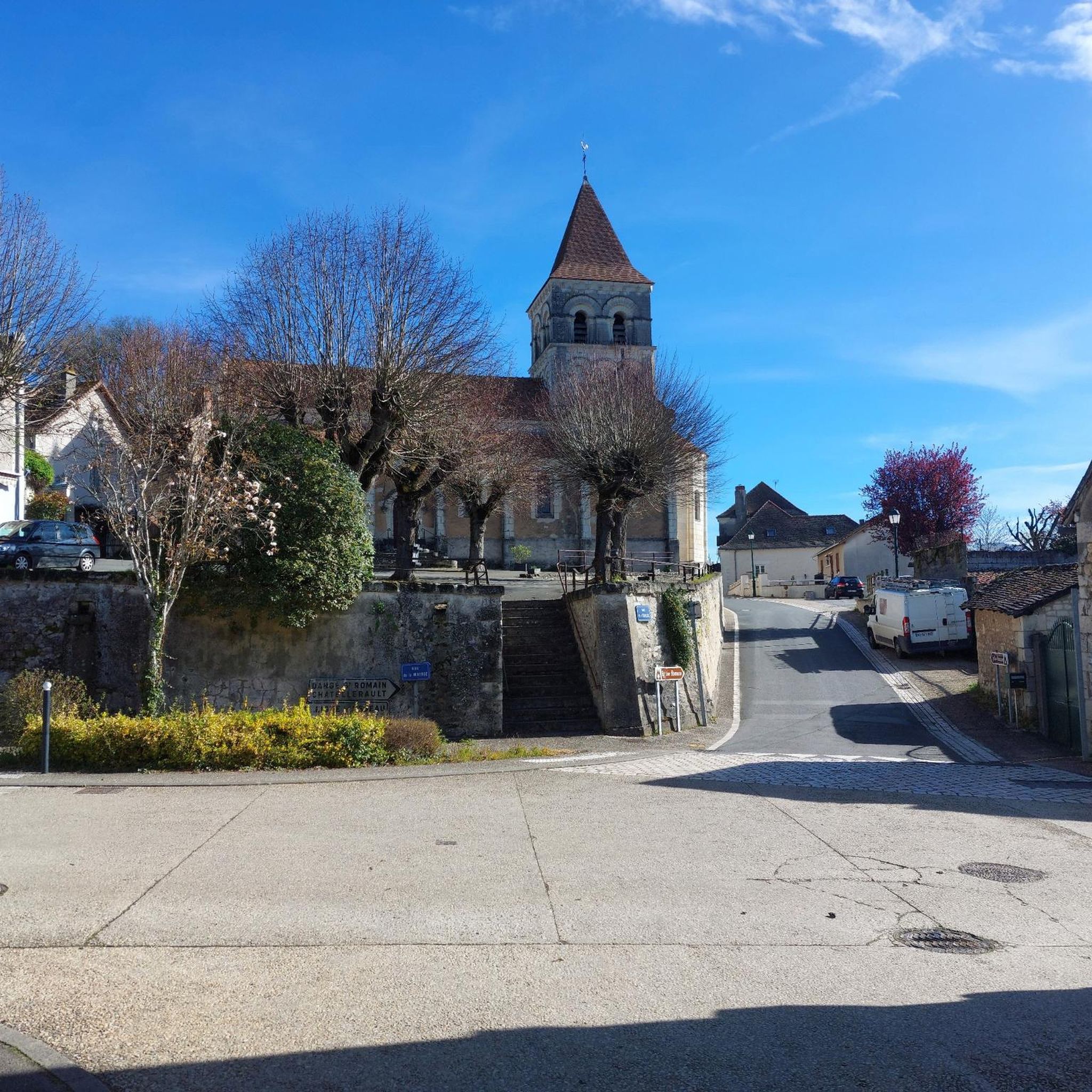
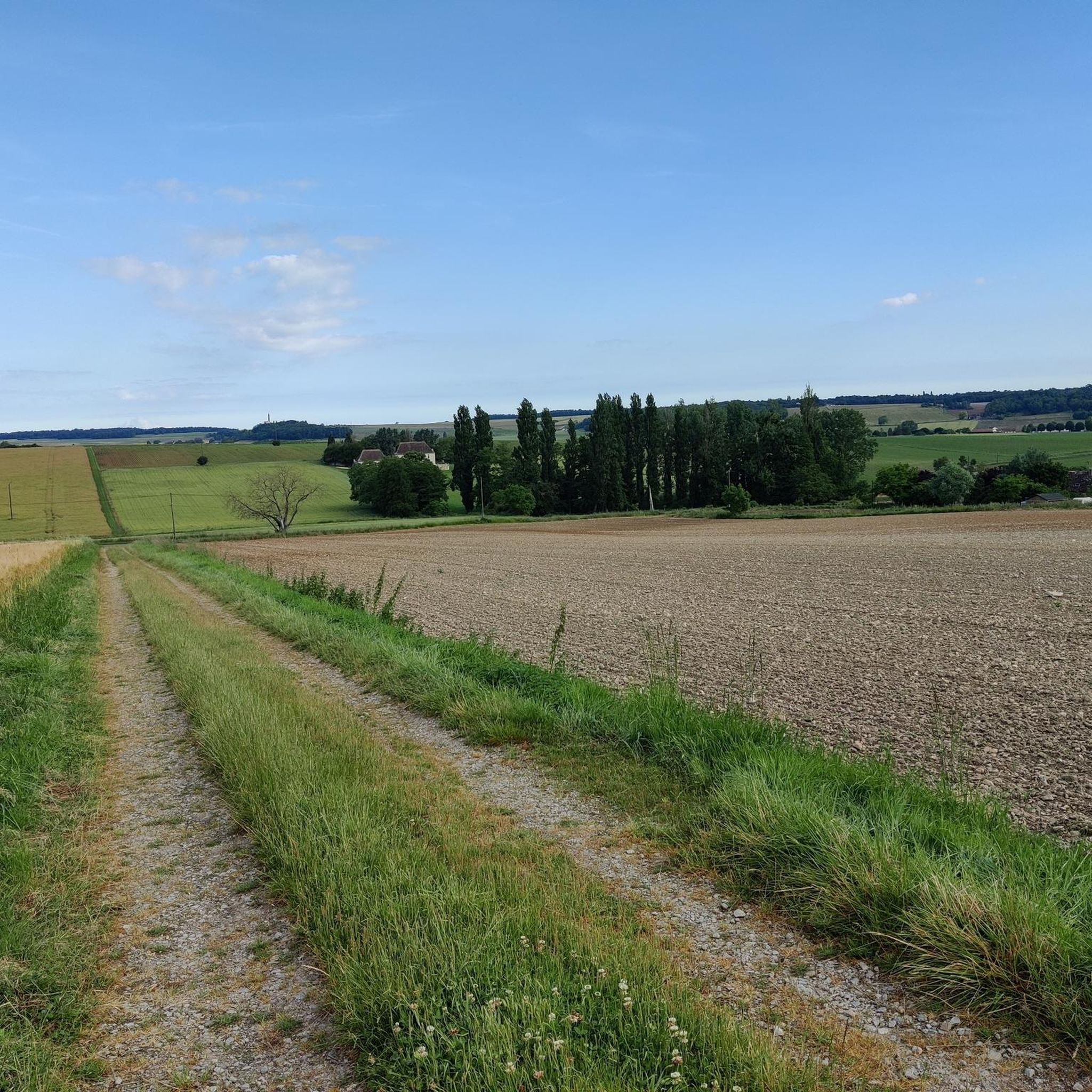




Tips from the Community

On 30/08/2026, the Francois Mitterand space, right in front of the kiosk, welcomed almost 1400 clarinettists to break the world record held by Hong Kong and entered in the Guinness Book. This has been done and recorded by an official member of the organization who came specifically for this purpose. The objective announced for months by the Poitiers conductor Emmanuel Boulanger has been largely achieved. The old record, set in Hong Kong with 448 clarinettists, has been smashed. Amateurs, music school students and professionals played together, in front of a large audience. The performance should now feature in the Guinness Book of Records. Below is the press article and video published locally. https://share.google/KJQ2WCRdVkkB0aF61
0
0
🏭 1. A museum set up in the former “Manu” Le Grand Atelier - Museum of Art and Industry is located on the site of the former Châtellerault Arms Factory ("Manufacture d’armes"). The Manufacture was created by royal ordinance on July 14, 1819, under Louis XVIII. Construction began in 1820. Its location in Châtellerault was notably due to the presence of the Vienne river, which allowed for the use of hydraulic energy, and the existence of a significant local tradition of cutlery and metallurgy. Initially, it mainly produced edged weapons: sabers, swords, lances, and cuirasses. From the 1830s onwards, production also turned to firearms. The Manufacture gradually became a huge industrial complex, employing several thousand people. It played a considerable role in the economic and social history of Châtellerault. 🔧 2. The museum building The building now occupied by the Grand Atelier is particularly interesting. It is part of the former assembly and finishing workshop, built between 1886 and 1887, notably in the context of the production of the Lebel rifle. It is a characteristic industrial building from the late 19th century, with vast spaces, large glass bays, and saw-tooth roofs allowing for significant natural light. It is now protected as heritage. The Manufacture closed permanently in 1968. 🚗 3. The birth of the automobile museum After the closure of the Manufacture, part of the buildings was reused for cultural purposes. As early as 1969, the site hosted a museum, notably stemming from Bernard de Lassée's vehicle collection. It was first named Musée de la Technique et de l’Automobile, then became Musée Auto-Moto-Vélo. The town of Châtellerault acquired part of Bernard de Lassée's collection and gradually developed the museum. The collections include, in particular, vintage cars, motorcycles, bicycles, engines, posters, and accessories, featuring prestigious brands such as Panhard-Levassor, Delahaye, Talbot, Darracq, or Bugatti. 🏛️ 4. The merger with the former Sully museum This is an important step in understanding why the museum today bears the name “museum of art and industry”. Châtellerault also had another museum, located in the Hôtel Sully, dedicated to the history and heritage of the town: archaeology, fine arts, weapons, cutlery, ethnology, local artists, etc. Gradually, the collections of the two institutions were brought together on the site of the former Manufacture. The Ministry of Culture thus indicates that the collections were regrouped on the Manufacture site, first under the name Musée de la technique et de l’automobile, then Musée Auto-Moto-Vélo, and finally Grand Atelier. 🎭 5. The transformation into “Grand Atelier” After significant renovations, the museum was reorganized and took its current name in 2019: Le Grand Atelier – Musée d’art et d’industrie. It is therefore no longer just a museum dedicated to automobiles. It now offers three main tours: 🚗 Auto-Moto-Vélo: the evolution of transport from the 19th century to the 2000s; 🔫 Manufacture d’armes: the industrial and social history of the “Manu” and its workers; 🎭 Cabaret du Chat Noir: dedicated to Rodolphe Salis, born in Châtellerault and founder of the famous Montmartre cabaret. The museum now covers over 3,000 m² of exhibition space. An important clarification It is therefore necessary to distinguish: - The Arms Factory (“La Manufacture d’armes”) → the large industrial site created in 1819, closed in 1968. - The Grand Atelier building → a former workshop of the Manufacture, built in 1886-1887. - Le Grand Atelier – Museum of Art and Industry → the museum gradually created on this site, whose current name dates from 2019. - And the former Sully museum → a historic museum institution in Châtellerault, part of whose collections have been integrated into the Grand Atelier.
0
0


It does not seem to me that the castle of targé is to be visited 🤔
0
0

In the heart of the forest of Guerche is the Rond du Chêne. Which path will you follow?
2
0
Frequently Asked Questions
What are some popular towns and villages to explore near Vaux-sur-Vienne?
You can visit several charming towns and villages. Châtellerault, about 11 km away, is known for its 18th-century townhouses and markets. Les Ormes features a historic château and old post house. Further afield, Angles-sur-l'Anglin is recognized as one of France's "Most Beautiful Villages," and La Roche-Posay offers a castle donjon and medieval gateway.
Where can I find natural areas for walking or cycling near Vaux-sur-Vienne?
For outdoor activities, Gros Caillou Lake offers well-laid-out cycle paths and hiking trails with shaded picnic areas. The Forêt de la Guerche - Rond du chêne is a great starting point for many hikes. Additionally, the Pinail Nature Reserve, located between Poitiers and Châtellerault, provides a unique wetland landscape with a discovery trail.
Are there any notable castles or historical sites in the vicinity of Vaux-sur-Vienne?
Yes, the region is rich in history. The impressive 15th-century Château de la Motte d'Usseau is nearby. Other significant sites include the beautiful Château du Rivau with its gardens, the medieval Château de Chinon, and the hilltop castles of Chauvigny. The Abbaye de Saint Savin sur Gartempe, a UNESCO World Heritage site, is also within reach, known for its exceptional medieval frescoes.
What family-friendly attractions are available around Vaux-sur-Vienne?
Families have many options. Futuroscope, one of France's most popular theme parks, offers over 40 immersive attractions. The Valley of the Monkeys allows visitors to observe primates in semi-freedom. Center Parcs, Domaine du Bois aux Daims, provides an Aqua Mundo water park and various activities. The Land of Dragons houses 300 reptiles in a tropical setting, and the Forêt de la Guerche - Rond du chêne is a family-friendly forest area for walks.
What kind of outdoor activities can I do near these attractions?
The area offers various outdoor activities. You can find numerous running trails, including loops around Gros Caillou Lake and from Vaux-sur-Vienne itself. For cycling, there are gravel biking routes connecting towns like Les Ormes and Châtellerault. Hiking is also popular, with trails like the Usseau and Le Château de La Motte loop. You can find more details on these activities in the Running Trails around Vaux-Sur-Vienne, Gravel biking around Vaux-Sur-Vienne, and Hiking around Vaux-Sur-Vienne guides.
Are there any unique natural features or gardens to visit?
Beyond the forests and lakes, you can explore Les jardins du château du Rivau, known for their beauty. The "La Combe de Vaux" Natural Sensitive Area, though located further afield in Isère, is noted for its diverse flora, including over 25 orchid species, and unique fauna. The Scévolles forest near Monts-sur-Guesnes also offers nature trails.
What do visitors enjoy most about the attractions around Vaux-sur-Vienne?
Visitors appreciate the blend of historical charm and natural beauty. For instance, Châtellerault is enjoyed for its historical sites and riverside guinguettes. Les Ormes is recommended as a pleasant walking spot, and Gros Caillou Lake is loved for its well-maintained paths and picnic facilities. The Forêt de la Guerche - Rond du chêne is a popular starting point for various hikes.
Are there any markets in the area to visit?
Yes, several nearby towns host markets. Châtellerault has markets on Wednesdays, Thursdays, and Saturdays. You can also find markets in La Roche-Posay on Tuesdays and Fridays, and in Descartes on Sundays. These markets offer a great opportunity to experience local life and find regional products.
What is the Château de Monts sur Guesnes and what does it offer?
The Château de Monts sur Guesnes is a visible landmark that has been transformed into a fun and educational visitor site. It features themed rooms, immersive projections, and workshops, providing an engaging experience for all ages.
Can I find unique accommodation options near Vaux-sur-Vienne?
Yes, for a unique experience, consider the Floating Village of Pressac. It offers unusual accommodation in floating cabins on a Natura 2000 lake, allowing you to immerse yourself in the local biodiversity.
What is the best time of year to visit Vaux-sur-Vienne for outdoor activities?
The region is generally pleasant for outdoor activities from spring through early autumn. Spring brings blooming landscapes, while summer offers warm weather ideal for lake activities and exploring. Autumn provides comfortable temperatures for hiking and cycling amidst changing foliage.
Most popular routes around Vaux-Sur-Vienne

Get inspired with the komoot mobile app


Explore more
Still not found the Highlight you’re looking for? See guides of the top attractions in other regions:
