Routes

Planner

Features

Updates

App

Login or Signup

Get the App

Login or Signup

Routes
Places to see
France
Occitania
Montauban

Montech

Attractions and Places To See around Montech - Top 20

Best attractions and places to see around Montech include historical landmarks, unique engineering, and natural spaces in the Tarn-et-Garonne department of France. The town is situated along the Canal de Garonne, offering opportunities for outdoor activities. Montech provides a mix of cultural sites and access to the Agre Forest, the largest forest in the department.

Best attractions and places to see around Montech

  • The most popular attractions is Montech Canal, a canal that branches off from the Canal Lateral du Garonne. It serves as an intersection point for waterways in the region.
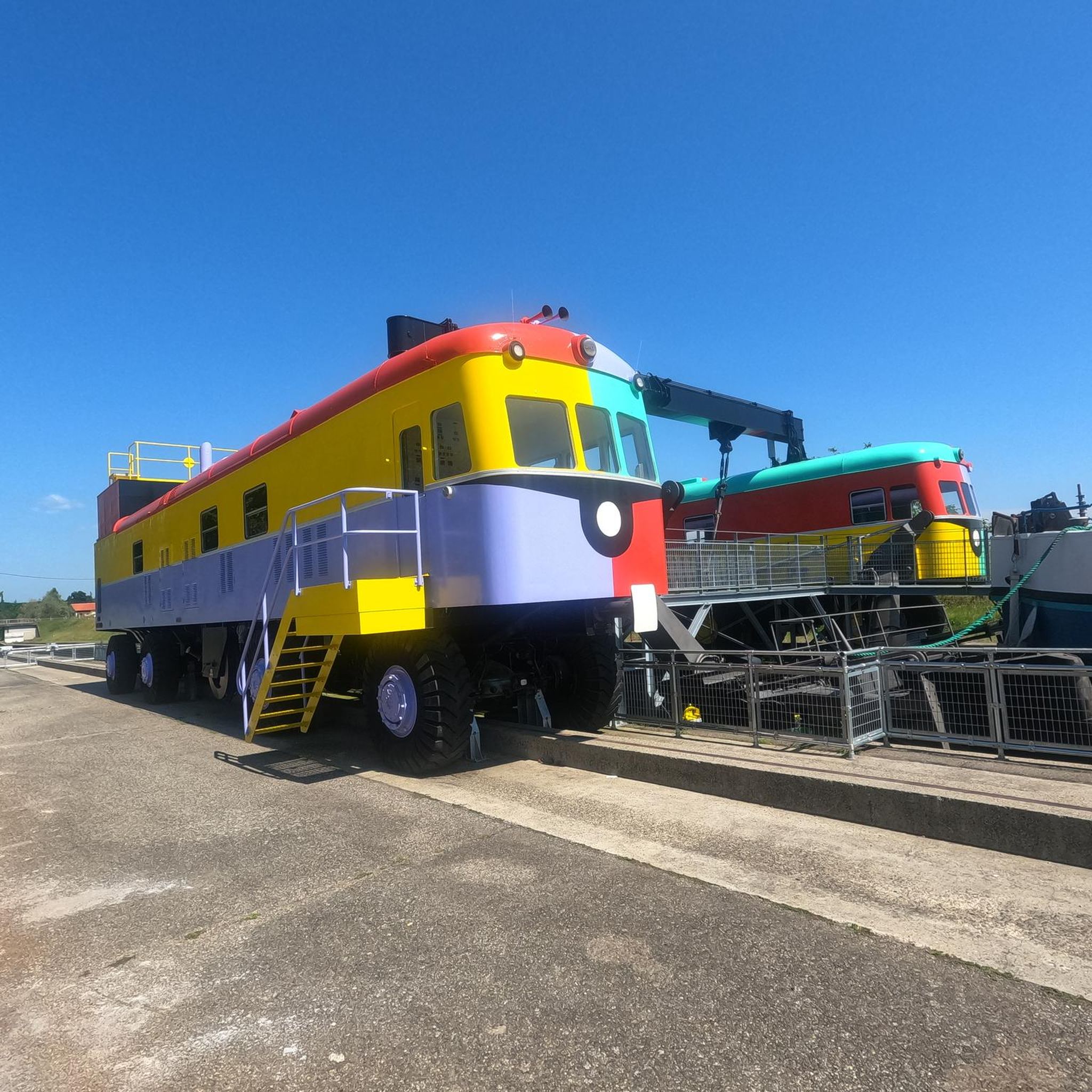
  • Another must-see spot is Montech Water Slope, a historical site and unique boat lift. This engineering feat was designed to replace a series of locks on the Canal de Garonne.
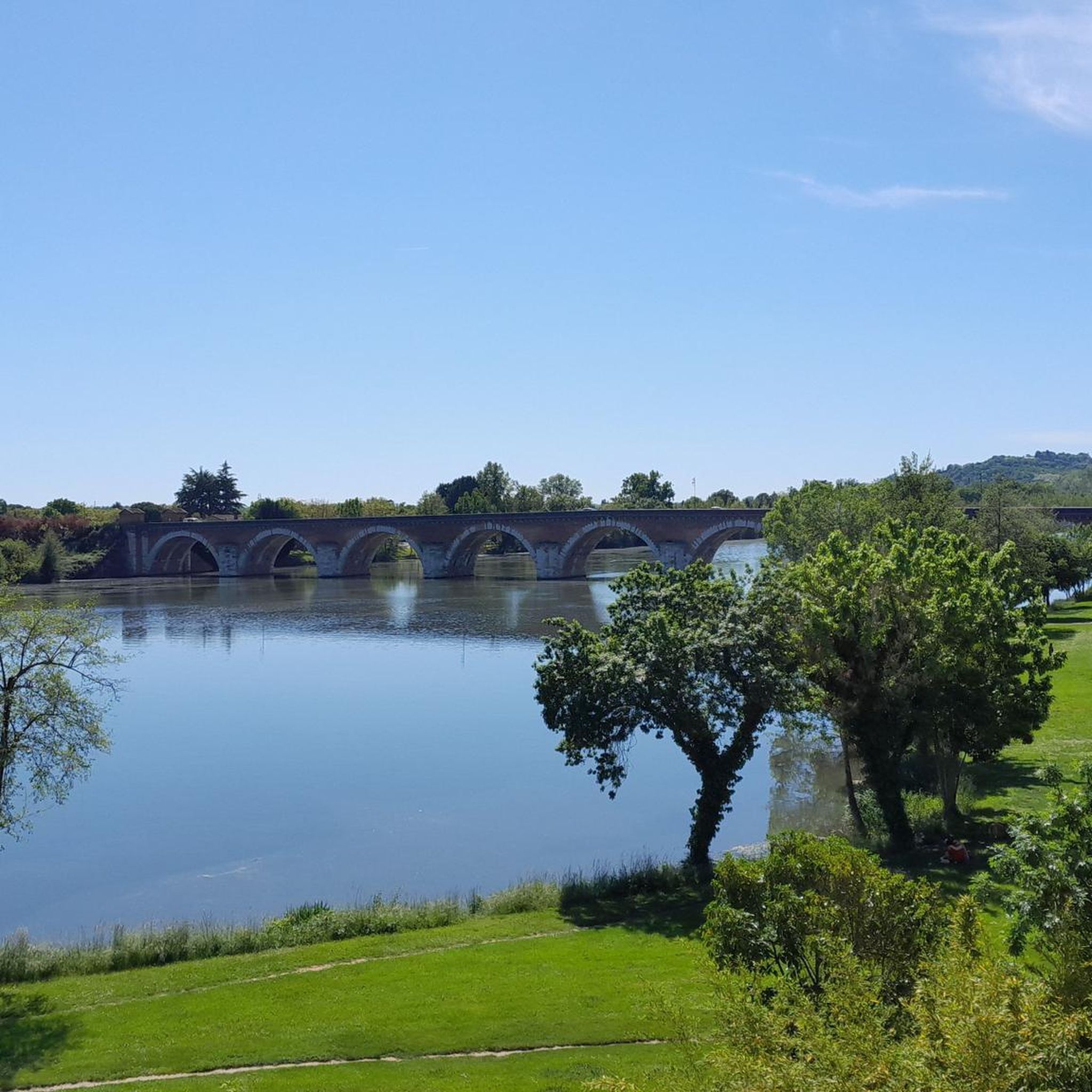
  • Visitors also love Montauban, a settlement known for its orange brick walls and the Old Bridge. It is a Grand Site d'Occitanie, labeled City of Art and History.
  • Montech is known for its historical sites, canal-side activities, and natural areas. Visitors can explore engineering marvels, historical churches, and greenways for cycling and walking.
  • The attractions around Montech are appreciated by the komoot community, with more than 220 upvotes and over 100 photos shared.

Last updated: June 23, 2026

Montech Water Slope

Highlight • Historical Site

The Montech water slope is an old boat lift that facilitated commercial river navigation by avoiding the passage of five locks. Today, it is converted into a museum, playground and picnic area. It is an ideal place for a fun break.

Translated by Google •

Tip by

See rides here

Send to Phone

Save

Montech Canal

Highlight • Other

Here the Canal de Montech branches off from the Canal Lateral du Garonne to Montauban.
The Canal Lateral du Garonne is also divided, once via the locks and then to the Pente d'Eau de Montech.
There is a nice tourist information office for the Pente d'Eau de Montech right opposite.
More information: pentedeaudemontech.fr

Translated by Google •

Tip by

Save

Sign up now to discover places like this

Get recommendations on the best single tracks, peaks, & plenty of other exciting outdoor places.

Sign up for free

Voie verte Bessières-Bressols

Highlight (Segment) • Other

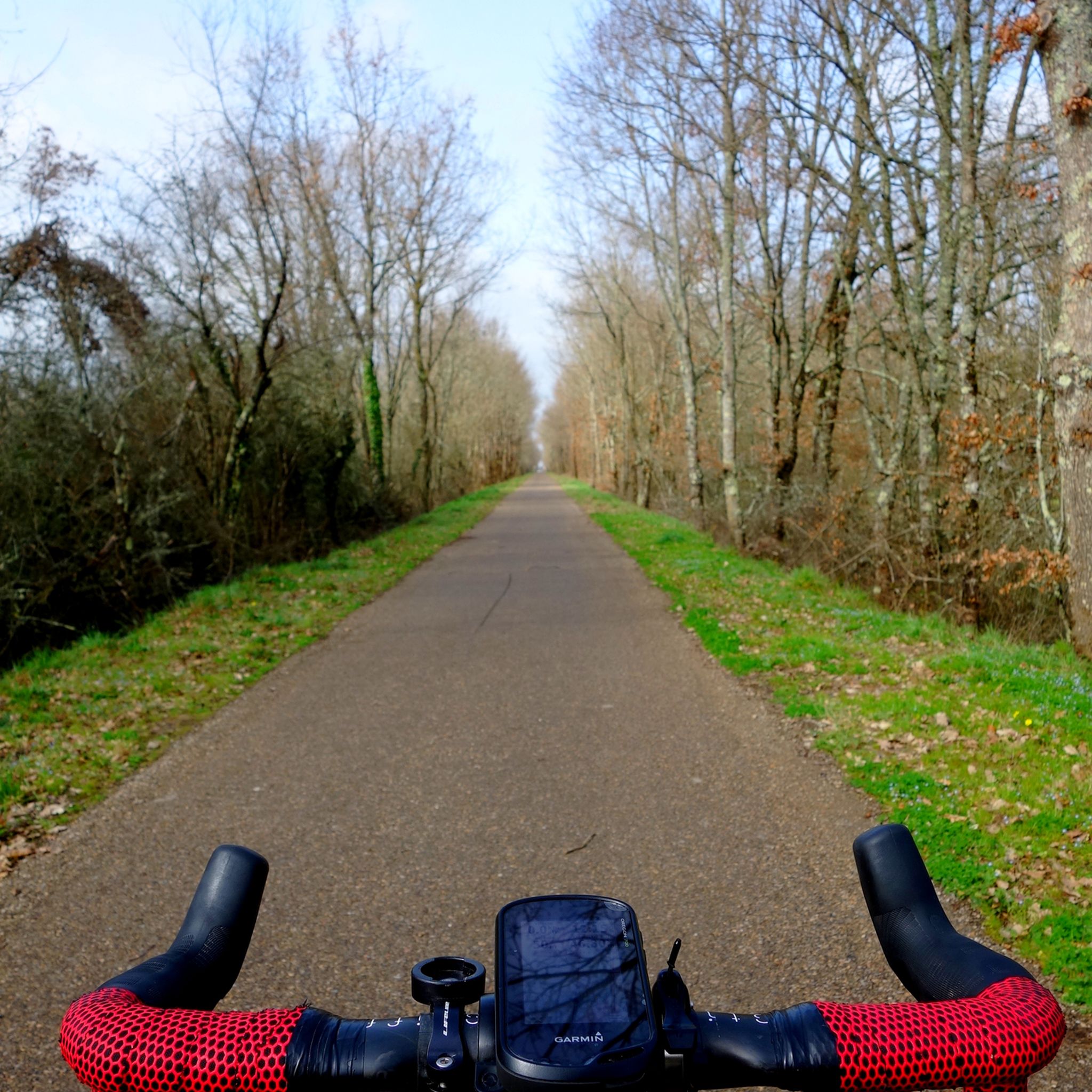
The coating is top! a nice mix of quality, rootless, perfect, it rolls well. On the other hand, a few black spots: every 1 km: a very painful chicane barrier to cross. A single water point over the entire length: at the skate park of Villemur sur Tarn. Lots of sections that lack trees, especially shade. Summer hits hard. Pleasant on a portion, but monotonous in the long run.

Translated by Google •

Tip by

Save

Montauban

Highlight • Settlement

Montauban is a Grand Site d'Occitanie, labeled City of Art and History, built on the banks of the Tarn. The houses with orange brick walls, the Old Bridge and the Place Nationale are the highlights. Don't miss the Ingres Bourdelle museum, in the former episcopal palace.

Translated by Google •

Tip by

Save

The Four Hundred Cannon Shots of Montauban

Highlight • Historical Site

At the beginning of the 17th century, after the assassination of Henri IV (1610), the France of Louis XIII launched an attack on the republic of parpaillots. The Edict of Nantes (1598) allowed them to obtain a certain number of freedoms such as the practice of religion but also political advantages: places of security, assemblies, deputies representing the Protestant party at court. Supported by his mother Marie de Medici, the young Louis XIII did not intend to maintain this situation which defied the royal authority which, for its part, could only be Catholic. Tensions between the two religious communities were now such that the royal army mobilized to face Huguenot resistance. Protestant strongholds which deny the religion of the King of France are systematically besieged. Refractory to this authority, Montauban must therefore suffer the wrath of the canons of the Catholic King.
At that time, Montauban was a place of safety like La Rochelle. The Quercy stronghold was then called Little French Geneva. Entirely Huguenot, its population of approximately 15,000 inhabitants includes 10,000 Calvinists. The management of the city is in the hands of consuls (elected by 25 inhabitants representing all the city's corporations) who enjoy great autonomy. Since 1600, there has been a college and an academy there which recruit students from all the provinces of the kingdom and abroad. It is for all these reasons that Montauban-la-Protestante gives the image of a true Huguenot republic where Catholics no longer have the right to live.
Louis XIII, after subduing Agen, decided on August 10, 1621 to put an end to the Montalbanese revolt. On August 17, the king moved to the castle of Montbeton and began the siege. The latter only stopped four months later with the victory of the Montalbanais.
Effective resistance
to modify
It is a fact that the Montalbanais were able to resist thanks to a small number of men against the plethoric royal army. It is also true that the city's first Consul, Jacques Dupuy (1591-1621) had taken care to prepare the city for the siege by building up large reserves of food. Throughout the siege, the Montalbanais did not suffer from hunger at any time. The royal army suffered dramatic losses. Louis XIII would have called on an Aragonese Discalced Carmelite, a very well-known alchemist. He would have meditated for a long time before giving the following recommendation to the King: “we must scare the inhabitants of the city. A great fear that will make them surrender.” The cannonade was mentioned by Marshal de Bassompierre in his Memoirs where he wrote that the king, incited by the Discalced Carmelite to bombard the city with 400 cannon shots, “sent for me on Sunday September 20 to fire the 400 cannon fire; as I did.” There were more than 650 shots that day, according to another witness... The expression "400 shots" recalls the violence of the cannonades, but these 400 shots could not be fired at the same time as legend has it. In total, there have been nearly 16,000 shots in two and a half months. In vain…
Let us add for the sake of understanding, that until then the cannonades were mainly aimed at the ramparts to create breaches... The Carmelite's idea was to fire 400 shots into the city, to frighten the population, which was actually without effect.
Decimated by purple fever, a serious epidemic which caused bright red spots on the body, Louis XIII's army capitulated at the beginning of November and the king lifted the siege.

Translated by Google •

Tip by

Save

Sign up for free to discover even more attractions around Montech.

Sign up for free

Already have an account?

Start today with a free account

Your next adventure awaits.

Login or Signup
Popular around Montech

Cycling around Montech

Running Trails around Montech

MTB Trails around Montech

Road Cycling Routes around Montech

Hiking around Montech

Tips from the Community

peyche
September 6, 2025, Canal de Montech

super

0

0

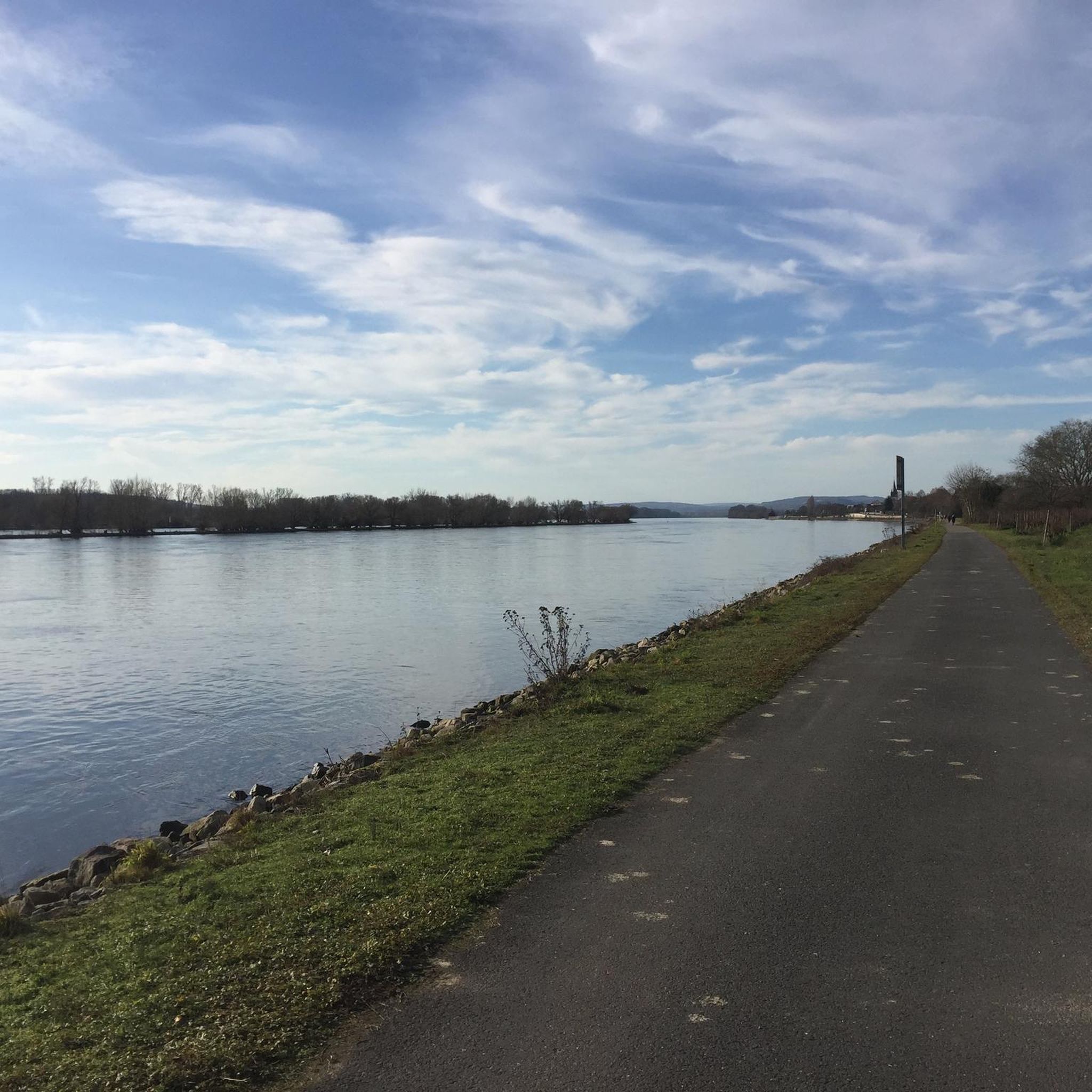
Very smooth section of the canal with little traffic. Be careful of a section on the bridge with large cobblestones.

Translated by Google

0

0

Pere Tuck
March 9, 2025, Montauban

Its pink bricks look stunning in the setting sun!

Translated by Google

0

0

top greenway😁👌

Translated by Google

0

0

Excellent cycle route on former train route. (fences require some slalom skills!)

Translated by Google

0

0

An original piece of technical history

Translated by Google

2

0

Christof
August 30, 2024, Montauban

Great city full of art and life

Translated by Google

1

0

At the beginning of the 17th century, after the assassination of Henri IV (1610), the France of Louis XIII launched an attack on the republic of parpaillots. The Edict of Nantes (1598) allowed them to obtain a certain number of freedoms such as the practice of religion but also political advantages: places of security, assemblies, deputies representing the Protestant party at court. Supported by his mother Marie de Medici, the young Louis XIII did not intend to maintain this situation which defied the royal authority which, for its part, could only be Catholic. Tensions between the two religious communities were now such that the royal army mobilized to face Huguenot resistance. Protestant strongholds which deny the religion of the King of France are systematically besieged. Refractory to this authority, Montauban must therefore suffer the wrath of the canons of the Catholic King. At that time, Montauban was a place of safety like La Rochelle. The Quercy stronghold was then called Little French Geneva. Entirely Huguenot, its population of approximately 15,000 inhabitants includes 10,000 Calvinists. The management of the city is in the hands of consuls (elected by 25 inhabitants representing all the city's corporations) who enjoy great autonomy. Since 1600, there has been a college and an academy there which recruit students from all the provinces of the kingdom and abroad. It is for all these reasons that Montauban-la-Protestante gives the image of a true Huguenot republic where Catholics no longer have the right to live. Louis XIII, after subduing Agen, decided on August 10, 1621 to put an end to the Montalbanese revolt. On August 17, the king moved to the castle of Montbeton and began the siege. The latter only stopped four months later with the victory of the Montalbanais. Effective resistance to modify It is a fact that the Montalbanais were able to resist thanks to a small number of men against the plethoric royal army. It is also true that the city's first Consul, Jacques Dupuy (1591-1621) had taken care to prepare the city for the siege by building up large reserves of food. Throughout the siege, the Montalbanais did not suffer from hunger at any time. The royal army suffered dramatic losses. Louis XIII would have called on an Aragonese Discalced Carmelite, a very well-known alchemist. He would have meditated for a long time before giving the following recommendation to the King: “we must scare the inhabitants of the city. A great fear that will make them surrender.” The cannonade was mentioned by Marshal de Bassompierre in his Memoirs where he wrote that the king, incited by the Discalced Carmelite to bombard the city with 400 cannon shots, “sent for me on Sunday September 20 to fire the 400 cannon fire; as I did.” There were more than 650 shots that day, according to another witness... The expression "400 shots" recalls the violence of the cannonades, but these 400 shots could not be fired at the same time as legend has it. In total, there have been nearly 16,000 shots in two and a half months. In vain… Let us add for the sake of understanding, that until then the cannonades were mainly aimed at the ramparts to create breaches... The Carmelite's idea was to fire 400 shots into the city, to frighten the population, which was actually without effect. Decimated by purple fever, a serious epidemic which caused bright red spots on the body, Louis XIII's army capitulated at the beginning of November and the king lifted the siege.

Translated by Google

1

0

Frequently Asked Questions

What unique engineering marvel can I visit in Montech?

You can visit the Montech Water Slope, a unique boat lift on the Canal de Garonne. This impressive engineering feat was designed to replace a series of locks and is now a historical site, often featuring a museum, playground, and picnic area. It's considered a distinctive attraction in the region.

Are there opportunities for cycling or walking along the canal in Montech?

Yes, the Montech Canal and the Canal de Garonne offer excellent opportunities for walking and cycling. You can enjoy greenways along the canal, and the Montech Marina is a pleasant spot to start exploring. For specific routes, you can find various cycling tours, including easy road cycling loops like the 'Montech Canal – View from the Montauban Bridge loop', on the Road Cycling Routes around Montech guide.

What historical sites can I explore within Montech town?

Montech itself offers several historical sites. You can visit the 14th-15th century Church Notre-Dame-de-la-Visitation, which is a classified historic monument. The 18th-century Loft of St. Cyr, now housing the Town Hall, is also a listed historic monument. Additionally, you can discover remnants of old city gates by exploring Rue Lafargue and Rue Sadi-Carnot, recalling Montech's past as a fortified town.

Are there family-friendly activities available in Montech?

Absolutely. The Montech Water Slope is considered family-friendly, with tips mentioning it as an ideal place for a fun break, often including a playground and picnic area. Exploring the canal paths by walking or cycling is also a great family activity. The nearby city of Montauban is also listed as a family-friendly destination.

Where can I go hiking or enjoy nature near Montech?

The Agre Forest (Forêt d'Agre) is the largest forest in the department and provides a significant natural space for exploration and outdoor activities. You can find various hiking routes, including easy and moderate loops, such as the 'Montech Water Slope – Montech Canal loop' or the 'Forêt domaniale d'Agre loop'. More details on these trails are available in the Hiking around Montech guide.

What are some notable towns or attractions to visit near Montech for a day trip?

For day trips, consider Montauban, located about 13 km away, known for its pink houses, the Old Bridge, and the Place Nationale. It's a Grand Site d'Occitanie and a City of Art and History. Another option is Moissac, approximately 20 km from Montech, famous for its 12th-century Abbey Church of Saint-Pierre, a significant heritage site.

What do visitors particularly enjoy about the attractions around Montech?

Visitors appreciate the unique engineering of the Montech Water Slope, often described as 'absolutely worth seeing technology'. The canal areas, like the Montech Canal, are enjoyed for their pleasant atmosphere and the intersection of waterways. The town of Montech itself is valued for its historical sites, including the splendid Notre-Dame-de-la-Visitation parish church.

Are there any greenways for easy walking or cycling in the area?

Yes, the region features greenways, such as the Voie verte Bessières-Bressols, which is an old railway line rehabilitated for pleasant walking and cycling. The paths along the Canal de Garonne and the Montech Canal also provide excellent greenway options for leisurely outdoor activities.

What kind of local markets can I find in Montech?

Montech hosts a weekly open market every Tuesday morning, offering a variety of goods. Additionally, there's a farmers' market on Sunday mornings, where you can find local produce and experience the town's vibrant community life.

What is the best time of year to visit Montech for outdoor activities?

The spring and autumn months generally offer pleasant weather for outdoor activities like cycling and hiking, with milder temperatures. Summer can be warm, especially on sections of greenways that lack shade, as noted by visitors. However, the canal areas and the Agre Forest provide natural beauty throughout the warmer months.

Can I find mountain biking trails near Montech?

Yes, there are several mountain biking trails around Montech. You can explore routes like the 'Cacor Canal Aqueduct in Moissac – Montech Canal loop' or the 'Le Tarn – Île de la Pissotte loop'. These trails offer a mix of easy and moderate difficulties. For more options, consult the MTB Trails around Montech guide.

Are there any notable gardens or parks worth visiting near Montech?

While not directly in Montech, several remarkable gardens are within a reasonable driving distance. These include the Jardin et parc du château de Larra (approximately 24km away) and the Parc du château de Merville (around 27km away), offering beautiful landscapes and horticultural displays.

Most popular routes around Montech

Cycling around Montech

Store rating

Get inspired with the komoot mobile app

With a free komoot account, you can easily find, customize, and navigate endless outdoor adventures.

or

Join komoot Now

Store rating

Explore more

Still not found the Highlight you’re looking for? See guides of the top attractions in other regions:

Saint-Antonin-Noble-ValBruniquelCazalsMontricouxSaint-CirqVaïssacPuygaillard-De-QuercyVarenMonclar-De-QuercyLa Ville-Dieu-Du-TempleFéneyrolsNègrepelisseLabastide-Saint-PierreCaussadeBiouleMontbartierCaylusMontbetonLaguépieLacourt-Saint-PierreBressolsVerdun-Sur-GaronneEspinasFinhanSeptfondsVerfeilGinalsBessensMonbéquiLafrançaiseEscatalensLavaurettePuylaroquePompignanGrisollesMas-GrenierCampsasAucamvilleVazeracSaint-SardosDieupentaleSaint-ProjetCorbarieuCanalsPuylagardeCastanetParisotReynièsFabasLozeSaint-GeorgesSaint-NaupharyBourretLéojacSavenèsSaint-PorquierOrgueilVillemadeGénébrièresL'Honor-De-CosSaint-Étienne-De-TulmontAlbiasMouillacLamothe-CapdevilleMontpezat-De-QuercyLabartheMontastrucPiquecosMolièresLacapelle-LivronNohicCayriechVarennesVerlhac-TescouBouillacMonteilsLabastide-De-PenneVillebrumierMirabelSaint-Vincent-D'AutéjacLapencheBeaupuyRéalvilleLa Salvetat-BelmontetComberougerMontalzatMontfermierPuycornetCayracAuty

Nearby adventure guides

Things to Do in Forêt Domaniale D'Agre

background

Get ready to conquer new peaks

Sign up for Free

Explore
RoutesRoute plannerFeaturesHikesMTB TrailsRoad cycling routesBikepackingSitemap
Download the app
Follow Us on Socials

© komoot GmbH

Privacy Policy