Attractions and Places To See around Vernon - Top 20
Best attractions and places to see around Vernon include historical sites, religious buildings, and natural features. The region offers a variety of cultural and architectural points of interest. Visitors can explore medieval structures, picturesque bridges, and ancient monuments. This area provides opportunities for historical exploration and scenic walks.
Best attractions and places to see around Vernon
- The most popular attractions is View of the Abbaye Saint-Junien de Nouaillé-Maupertuis, a religious_building that stands majestically in the heart of a charming…
Last updated: October 11, 2026
View of the Abbaye Saint-Junien de Nouaillé-Maupertuis
Highlight • Religious Site
Translated by Google •
Tip by

Château du Bois de St-Pierre
Highlight • Castle
Translated by Google •
Tip by

Sign up now to discover places like this
Get recommendations on the best single tracks, peaks, & plenty of other exciting outdoor places.
Pont du Miosson
Highlight • Bridge
Translated by Google •
Tip by

Nouaillé-Maupertuis Abbey
Highlight • Other
Translated by Google •
Tip by

Dolmen d'Arlait
Highlight • Historical Site
Translated by Google •
Tip by
Sign up for free to discover even more attractions around Vernon.
Already have an account?
Start today with a free account
Your next adventure awaits.




Tips from the Community

Still as beautiful!
0
0


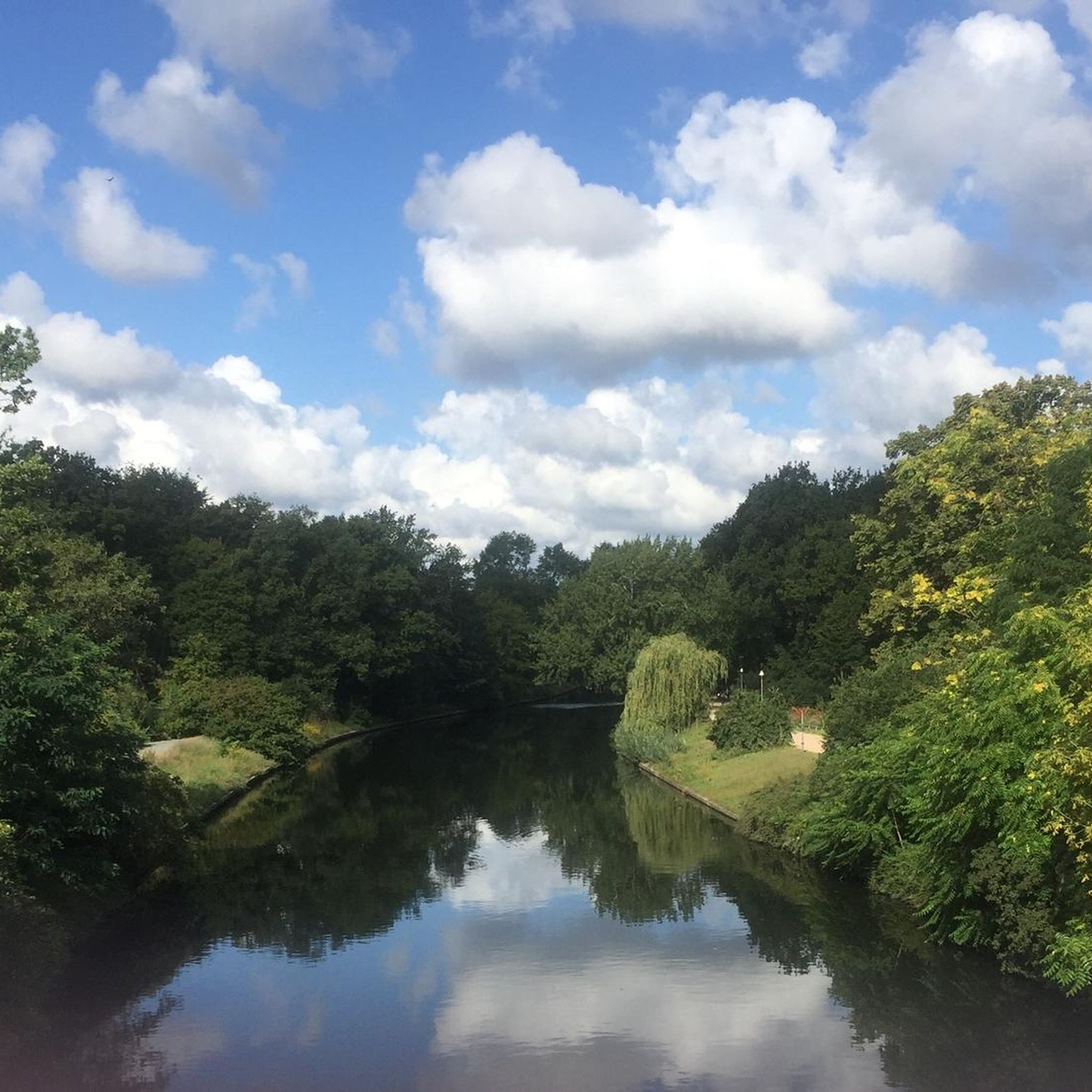
This medieval building, surrounded by walls and gardens, stands majestically in the heart of a charming village. From the surrounding paths, the view of the abbey reveals its slate roofs and stone walls. The setting is bucolic, with the river and the surrounding meadows.
1
0

The Abbey of Saint-Junien de Nouaillé-Maupertuis is a remarkable historical site located approximately 10 kilometers southeast of Poitiers, in the Nouvelle-Aquitaine region. Founded in the 7th century, this abbey has played an important role in the religious and cultural life of the region over the centuries. Points of Interest: Ancient History: Founded by Saint-Junien, a Benedictine monk, the abbey was an influential religious center during the Middle Ages. It enjoyed a period of prosperity before declining over the following centuries. Architecture: Although the abbey has undergone modifications and destruction over time, it still preserves important vestiges of its past, including elements of the abbey church, chapels, and parts of the convent buildings. Visitors can admire the impressive ruins that testify to the scale and grandeur of the medieval abbey. Why visit the Abbey of Saint-Junien of Nouaillé-Maupertuis? Historical Richness: The visit allows you to delve into the religious and cultural history of the region, exploring the remains of an influential medieval abbey. Architecture and Ruins: The remains of the abbey offer a fascinating insight into medieval architecture, with elements still visible that tell of its glorious past. Natural Setting: Situated in a peaceful environment, the site is ideal for a leisurely stroll and immersion in the surrounding natural beauty. Cultural Heritage: As a historical monument, the abbey is a key element of the local heritage and deserves a visit to appreciate the rich history of the region. The Abbey of Saint-Junien of Nouaillé-Maupertuis is therefore a must-see place for those interested in medieval history, religious architecture, and the beauty of historical sites.
1
0
The Miosson Bridge, located in Poitiers, is a picturesque bridge that crosses the Miosson River. This bridge is often appreciated for its elegant structure and pleasant natural setting. Points of Interest: Architecture: The Miosson Bridge features a typical architecture of historic bridges with stone or masonry arches. Its design connects the two banks of the river while offering a charming view of the water and the surrounding area. Why visit the Miosson Bridge? Beauty of the Site: The bridge offers a pleasant visual setting, ideal for walks and photographs. Nature and Relaxation: The natural environment around the bridge allows you to enjoy a quiet break by the river. Local Heritage: A visit to the bridge allows you to discover a historical and functional element of Poitiers' heritage.
2
0
The Château du Bois de Saint-Pierre, located in Poitiers, is an elegant historic residence surrounded by vast green spaces. This castle, built in the 18th century, is an example of classical French architecture with its symmetrical facades, landscaped gardens, and refined interiors. Points of Interest: Architecture: The castle features elegant architecture typical of the period, with clean lines and classical details such as columns and balustrades. The ensemble is beautifully preserved, offering a glimpse into the aristocratic lifestyle of the 18th century. Gardens: The castle's gardens are a real highlight. Designed in the style of French gardens, they offer manicured flowerbeds, shady groves, and winding paths ideal for leisurely strolls. History: The Château du Bois de Saint-Pierre has played an important role in local history, serving as a residence for influential families in the region. It bears witness to the architectural and social heritage of Poitiers. Events and Visits: The castle is sometimes open to the public for guided tours, cultural events, or private receptions. These opportunities allow you to discover the history and architectural treasures of the place. Natural Environment: Surrounded by greenery, the castle is located in a peaceful natural setting, offering picturesque views and an ideal environment for relaxation and contemplation. Visiting the Château du Bois de Saint-Pierre not only allows you to admire historic architecture, but also to enjoy an exceptional natural setting and discover the local history of Poitiers.
1
0
It can be discovered from several hiking trails starting from Aslonnes. Worth the detour. Remains mysterious, a few signs explain its original function.
1
0
Abbey to discover in its green setting, many hiking trails, you can even go to the wood of St Pierre. The Saint-Junien abbey of Nouaillé-Maupertuis occupies the flat bottom of the Miosson valley. The abbey is surrounded by moats and ramparts (13th century) of which towers remain: two still frame the bridge that crosses the Miosson; as well as two doors on either side of the church.
1
0
Frequently Asked Questions
What historical sites can I explore around Vernon?
Vernon is rich in history. You can visit the ancient Dolmen d'Arlait, a historical site built around 4500 BC, believed to be part of a large Celtic necropolis. Additionally, the Abbaye Saint-Junien de Nouaillé-Maupertuis, with its medieval architecture and fortifications, offers a deep dive into the region's past.
Are there any notable religious buildings to visit?
Yes, the Abbaye Saint-Junien de Nouaillé-Maupertuis is a prominent religious building. This medieval abbey, surrounded by walls and gardens, stands majestically in a charming village. Its history dates back to the 6th century, and it was fortified in the 14th century, giving it a unique castle-like appearance in some areas.
Where can I find picturesque views or viewpoints around Vernon?
For scenic views, the area around the Abbaye Saint-Junien de Nouaillé-Maupertuis offers a bucolic setting with views of the abbey, river, and surrounding meadows. The Pont du Miosson also provides a pleasant visual setting over the Miosson River, ideal for walks and photographs.
What kind of castles or grand residences can be found in the area?
You can explore the Château du Bois de St-Pierre in Poitiers. This elegant 18th-century residence showcases classical French architecture with symmetrical facades and beautifully landscaped gardens, offering a glimpse into aristocratic life.
Are there any family-friendly attractions in Vernon?
The Abbaye Saint-Junien de Nouaillé-Maupertuis is considered family-friendly, offering an engaging historical site within a green setting that can be explored by all ages. Its extensive grounds and historical context provide an educational and enjoyable outing.
What outdoor activities, like cycling, are available near these attractions?
The area around Vernon is excellent for cycling. You can find various routes for touring bikes, road bikes, and gravel bikes. For touring, consider routes like the 'Schoolchildren's paths – Noir Mountain Trail loop' or 'Chemin des Écoliers – View of Nouaillé Abbey loop'. Road cyclists can enjoy the 'Picnic air loop' or 'Amphitheater of Lemonum – La Cyclerie Café loop'. Gravel biking options include the 'Nouaillé-Maupertuis Abbey – Schoolchildren's paths loop'. You can find more details on these routes in the Cycling around Vernon, Road Cycling Routes around Vernon, and Gravel biking around Vernon guides.
Can I combine historical exploration with outdoor walks?
Absolutely. The Dolmen d'Arlait can be discovered from various hiking trails starting from Aslonnes, allowing you to enjoy both nature and ancient history. Similarly, the Nouaillé-Maupertuis Abbey is set in an exquisite green environment with access to the Saint Pierre wood, offering numerous hiking loops directly from the abbey.
What do visitors particularly enjoy about the attractions in Vernon?
Visitors appreciate the rich historical context and the serene natural settings. The medieval architecture of the abbeys, the ancient dolmen, and the picturesque bridges are often highlighted. Many enjoy the opportunity to combine cultural exploration with walks through the surrounding green landscapes and along the rivers.
Are there any natural monuments or features to see?
Yes, the Dolmen d'Arlait is classified as a natural monument in addition to being a historical site. Its ancient stone structure is nestled within the natural landscape, making it a unique blend of human history and natural presence.
Where can I find information about hiking trails near the attractions?
Many attractions are integrated with local trail networks. For instance, the Nouaillé-Maupertuis Abbey serves as a main starting point for several hiking loops, with signs detailing trails and discoveries. The Dolmen d'Arlait is also accessible via various hiking trails.
What is the Miosson Bridge and why is it worth visiting?
The Pont du Miosson is a picturesque bridge crossing the Miosson River. It's appreciated for its elegant structure, often made of stone or masonry arches, and its pleasant natural setting. It offers a charming view of the water and surrounding area, making it ideal for a quiet break or a scenic walk.
Most popular attractions around Vernon

Get inspired with the komoot mobile app


Explore more
Still not found the Highlight you’re looking for? See guides of the top attractions in other regions:
