Attractions and Places To See around Malestroit - Top 20
Best attractions and places to see around Malestroit include its medieval historic center, situated along the Nantes-Brest Canal and the River Oust. This "Small Town of Character" is known for its preserved 15th and 16th-century architecture and its setting in a loop of the Oust river. The town offers a blend of historical sites and natural features, making it a destination for exploring Breton heritage.
Best attractions and places to see around Malestroit
- The most popular attractions is Historic centre…
Last updated: October 9, 2026
Historic centre of Malestroit
Highlight • Historical Site
A thousand-year-old village, Malestroit still houses houses from the 15th and 16th centuries as well as locks, mills and churches full of stories.
Translated by Google •
Tip by

Le Roc-Saint-André
Highlight • Settlement
Tip by

Sign up now to discover places like this
Get recommendations on the best single tracks, peaks, & plenty of other exciting outdoor places.
Place du Bouffay
Highlight • Settlement
Tip by
Mills of Île Notre-Dame in Malestroit
Highlight • Monument
Translated by Google •
Tip by
Campsite "Les Rives de l'Oust"
Highlight • Other
Translated by Google •
Tip by

Sign up for free to discover even more attractions around Malestroit.
Already have an account?
Start today with a free account
Your next adventure awaits.

Tips from the Community

... and we almost drove past. The medieval town is worth visiting twice! The buildings have great architecture and there are plenty of restaurants.
0
0

It's really worth visiting! Beautifully renovated and maintained houses from the 15th and 16th century create an amazing atmosphere of a truly historic village. True wonders of ancient architecture.
0
0
The campsite is nicely located, good infrastructure. A good base for visiting the beautiful towns of Malestroit and Josselin.
1
0

We stayed here for one night in our own tent on our bike tour along the Canal Du Nantes à Brest. Very friendly owner, very neat and quiet place, clean sanitary facilities. There is a self catering supermarket in Malestroit
1
0
www.campingmalestroit.com Open from mid-April to late September
2
0
It would be difficult to get any closer to the water without falling in! Located on a towpath, Les Rives de l'Oust (the banks of the Oust) campsite lives up to its name. The site welcomes its visitors on 80 spacious, shady or sunny pitches, but also in mobile homes, some lodge tents and a large communal stage accommodation. It's quiet, informal and sociable here. A destination to unwind in peace and quiet, because the natural surroundings invite you to relax. Playground equipment for children complete the equipment. Located 300m from the town center, the campsite is a convenient base for visiting the pretty characterful town of Malestroit, steeped in medieval architecture. The towpath is used by cyclists on the way from Nantes to Brest. Right next door you can rent kayaks to get to know the Oust even better! Source: Brittany Travel
2
0
Beautiful small town with stone and half-timbered houses worth seeing. The founding of Malestroit dates back to 987, when monks settled on the banks of the Oust. The place became a stage destination on the Way of St. James, one of the pilgrimage routes to Santiago de Compostela. In 1131 the place was mentioned under the name Malestricum. During the Hundred Years' War in 1343 in the chapel de la Madeleine in Malestroit by the French king Philip VI. and the English King Edward III. signed a ceasefire. At the end of the Middle Ages, Malestroit became one of the nine baronies of Brittany. At the beginning of the 19th century, Napoleon I commissioned the construction of the Canal de Nantes à Brest, initially for military reasons, but later also with the aim of connecting the interior of Brittany to commercial goods traffic. Source: Wikipedia
1
0

A nice stop at the edge of the Nantes-Brest canal
1
0
Frequently Asked Questions
What historical sites can I explore in Malestroit?
Malestroit is rich in history, particularly its medieval heritage. You can explore the Historic centre of Malestroit, known for its preserved 15th and 16th-century half-timbered houses and stone facades. Don't miss the central Place du Bouffay, which features the impressive Church of Saint-Gilles and unique medieval carved figures on its buildings. The Mills of Île Notre-Dame in Malestroit also offer a glimpse into the town's industrial past, with water mills dating back to the 12th century. Additionally, the ruins of the Chapel of La Madeleine hold historical significance as the site where the Truce of Malestroit was signed in 1343.
Are there opportunities for outdoor activities like walking or cycling near Malestroit's attractions?
Absolutely! Malestroit is perfectly situated for outdoor enthusiasts. The historic Nantes-Brest Canal offers superb routes for walking and cycling along its well-maintained towpaths. The Vélodyssée, a major European cycling route, passes directly through the town, and the Voie Verte n°3 (Questembert-Malestroit) is ideal for families. For specific routes, you can find numerous options for hiking around Malestroit, MTB trails, and cycling tours, including easy and moderate paths along the canal and surrounding areas.
What natural features can I see around Malestroit?
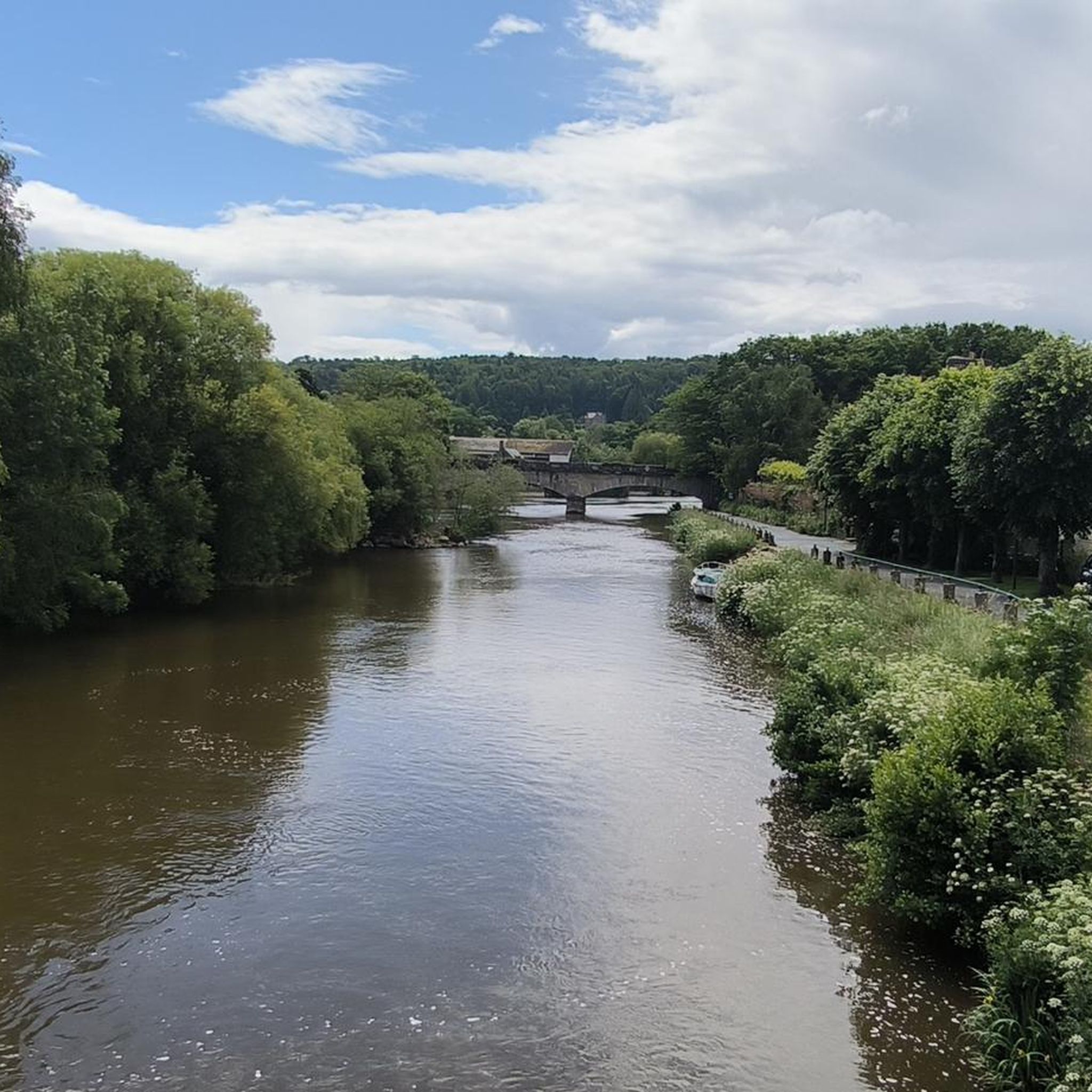
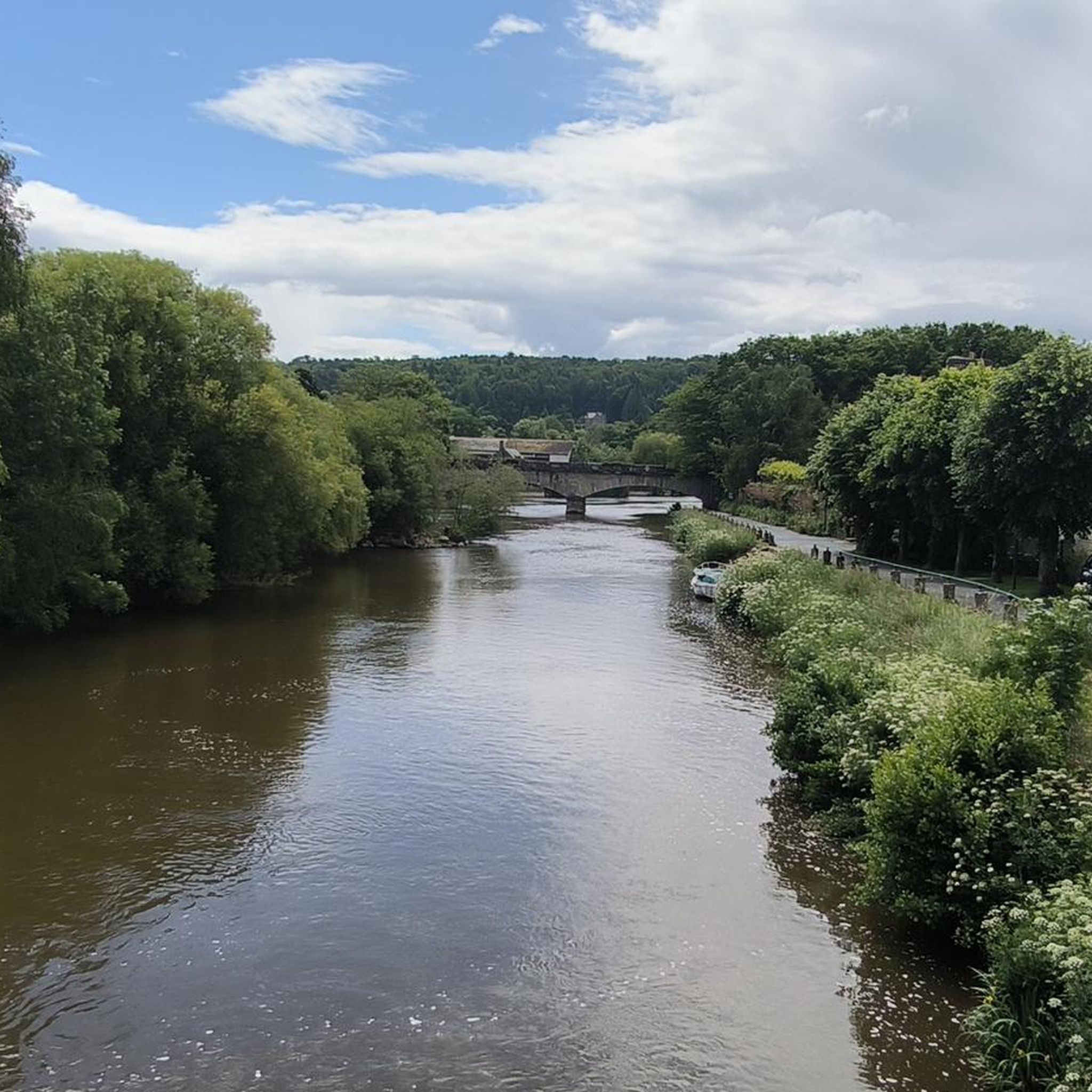
Malestroit, often called the 'Pearl of the Oust,' is set in a loop of the River Oust, which is a prominent natural feature. The town's landscape is defined by the river, its weir, and the historic Nantes-Brest Canal. The towpaths alongside the canal are tree-lined and offer excellent opportunities to observe nature, enjoy picnics, and spot local wildlife. You can also rent kayaks to explore the Oust river directly.
Are there any family-friendly attractions or activities in Malestroit?
Yes, Malestroit offers several family-friendly options. Exploring the Historic centre of Malestroit with its half-timbered houses and whimsical carved figures is an engaging activity for all ages. The towpaths along the Nantes-Brest Canal are perfect for easy walks and bike rides with children, such as the Voie Verte n°3. The Campsite "Les Rives de l'Oust" is also family-friendly, offering a quiet setting by the water with playground equipment and kayak rentals.
Where can I see unique medieval architecture and carvings?
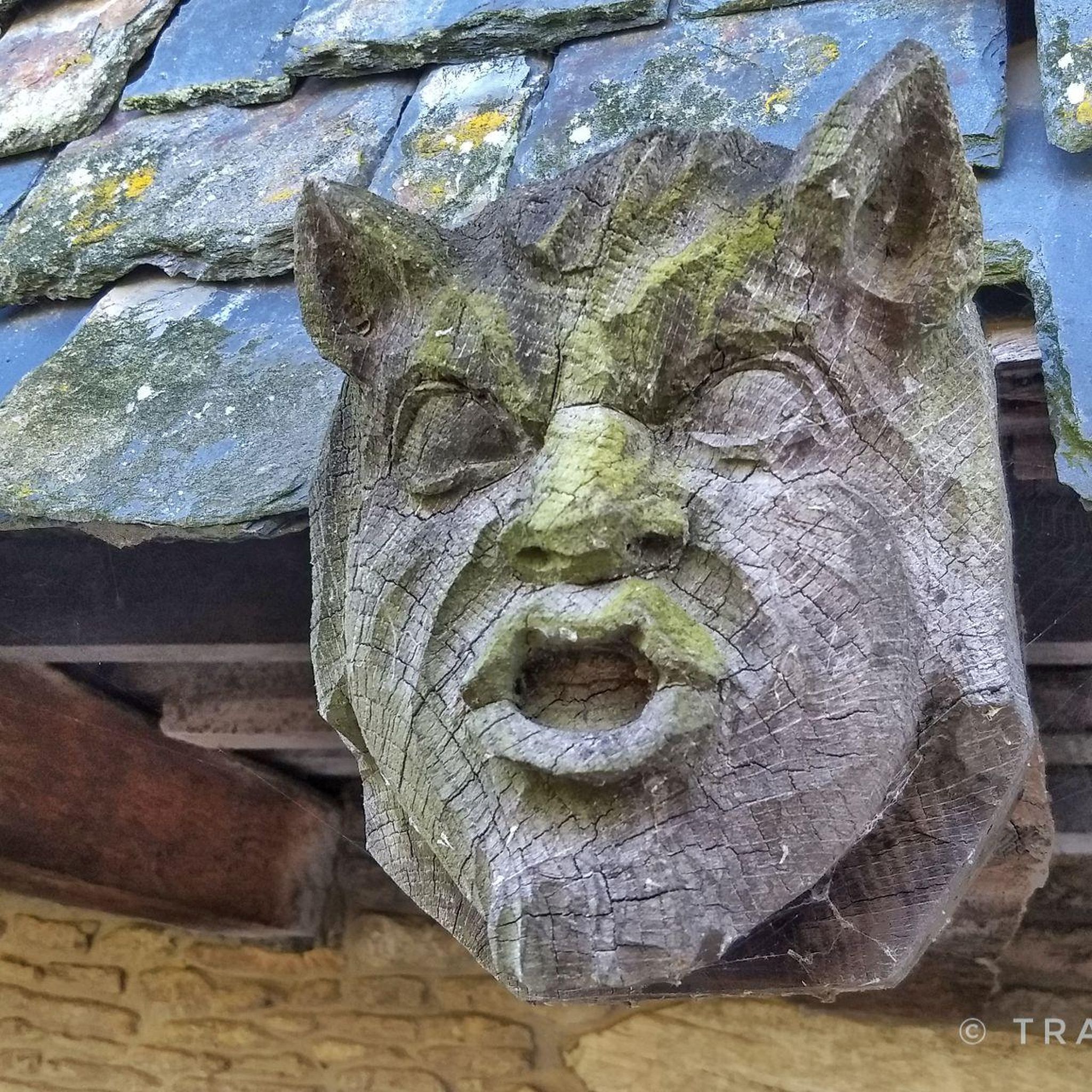
The best place to see unique medieval architecture and carvings is around the Place du Bouffay and throughout the Historic centre of Malestroit. Many 15th and 16th-century half-timbered houses feature striking decorations, including whimsical medieval folklore figures like 'The Spinning Sow,' a bagpipe-playing Hare, and a pelican. These intricate carvings add a distinctive charm to the town's streets.
What is the significance of the Mills of Île Notre-Dame?
The Mills of Île Notre-Dame in Malestroit are a significant man-made monument, symbolizing seigneurial power and the town's historical economy. Water mills have been installed here since the 12th century, originally used to produce tan for tanneries, flour, and cloth. While the last flour mill closed in 2007, these mills represent a vital part of Malestroit's past, showcasing its industrial heritage along the river Oust.
Are there any notable locks or canal features to visit?
Yes, the Nantes-Brest Canal is a central feature of Malestroit. You can visit the Montertelot Lock, which is a very nice lock with a small park nearby, ideal for a picnic break. The canal itself, with its well-maintained locks and tree-lined paths, offers picturesque views and is integral to the town's landscape and outdoor activities.
What do visitors enjoy most about Malestroit?
Visitors consistently praise Malestroit for its beautifully preserved medieval architecture, particularly the 15th and 16th-century houses in the Historic centre of Malestroit. The charming atmosphere, the picturesque setting along the Nantes-Brest Canal and River Oust, and the opportunities for tranquil walks and bike rides are also highly appreciated. Many enjoy the unique carved figures on the buildings around Place du Bouffay and the overall sense of stepping back in time.
Where can I find accommodation near the attractions?
For accommodation close to the attractions and the river, consider the Campsite "Les Rives de l'Oust". It's located directly on a towpath, offering a quiet and informal setting with pitches for tents and mobile homes, as well as lodge tents. It's only 300m from the town center, making it a convenient base for exploring Malestroit's medieval architecture and enjoying the riverside.
Are there local markets or cultural spaces to visit?
Malestroit hosts a vibrant market on Thursday mornings and a smaller one on Saturday mornings, offering a great cultural experience to discover local produce and crafts. Additionally, the Pass'temps cultural space, a result of remarkable renovation, provides cultural programming, a media library, and a games library, offering a modern cultural hub within the historic town.
What is the best time to visit Malestroit for outdoor activities?
The best time to visit Malestroit for outdoor activities like walking, cycling, and kayaking is generally from spring to early autumn (April to September). During these months, the weather is typically mild and pleasant, ideal for exploring the canal towpaths and the historic town. The Campsite "Les Rives de l'Oust" is also open during this period, from mid-April to late September.
Can I find cafes or restaurants near the main attractions?
Yes, the Place du Bouffay, being the central medieval square, is home to several restaurants and cafés with outdoor seating. This is an ideal spot to enjoy a meal or a drink while soaking in the historic atmosphere and admiring the surrounding architecture, including the Church of Saint-Gilles.
Most popular routes around Malestroit

Get inspired with the komoot mobile app


Explore more
Still not found the Highlight you’re looking for? See guides of the top attractions in other regions:
