The best road cycling routes around Saint-Étienne-En-Coglès
4.4
(51)
1,609
riders
22
rides
Road cycling routes around Saint-Étienne-En-Coglès traverse a landscape characterized by peaceful bocage valleys, extensive wooded areas, and a unique granite countryside. This region, situated at the intersection of Brittany and Normandy, offers diverse and scenic routes. Cyclists will find a network of well-paved surfaces and small roads, including "voies vertes" (greenways), providing varied elevation and terrain.
Best road cycling routes around Saint-Étienne-En-Coglès
- The most popular road cycling route is Fougères Castle – Saint Léonard Church loop from Saint-Étienne-en-Coglès, a…
Last updated: July 5, 2026
10
riders
56.4km
02:34
460m
460m
Moderate road ride. Good fitness required. Mostly well-paved surfaces and easy to ride.
6
riders
52.5km
02:15
390m
390m
Moderate road ride. Good fitness required. Mostly well-paved surfaces and easy to ride.

Sign up for free
7
riders
Easy road ride. Great for any fitness level. Mostly well-paved surfaces and easy to ride.
6
riders
47.9km
02:06
360m
360m
Moderate road ride. Good fitness required. Mostly well-paved surfaces and easy to ride.
4
riders
121km
05:11
810m
810m
Hard road ride. Very good fitness required. Some segments of this route may be unpaved and difficult to ride.
Get access to more routes and recommendations from other explorers.
Sign up for free
Already have an account?
Our route recommendations are based on thousands of hikes, rides, and runs completed by other people on komoot.
Start today with a free account
Your next adventure awaits.
Login or Signup


Tips from the Community

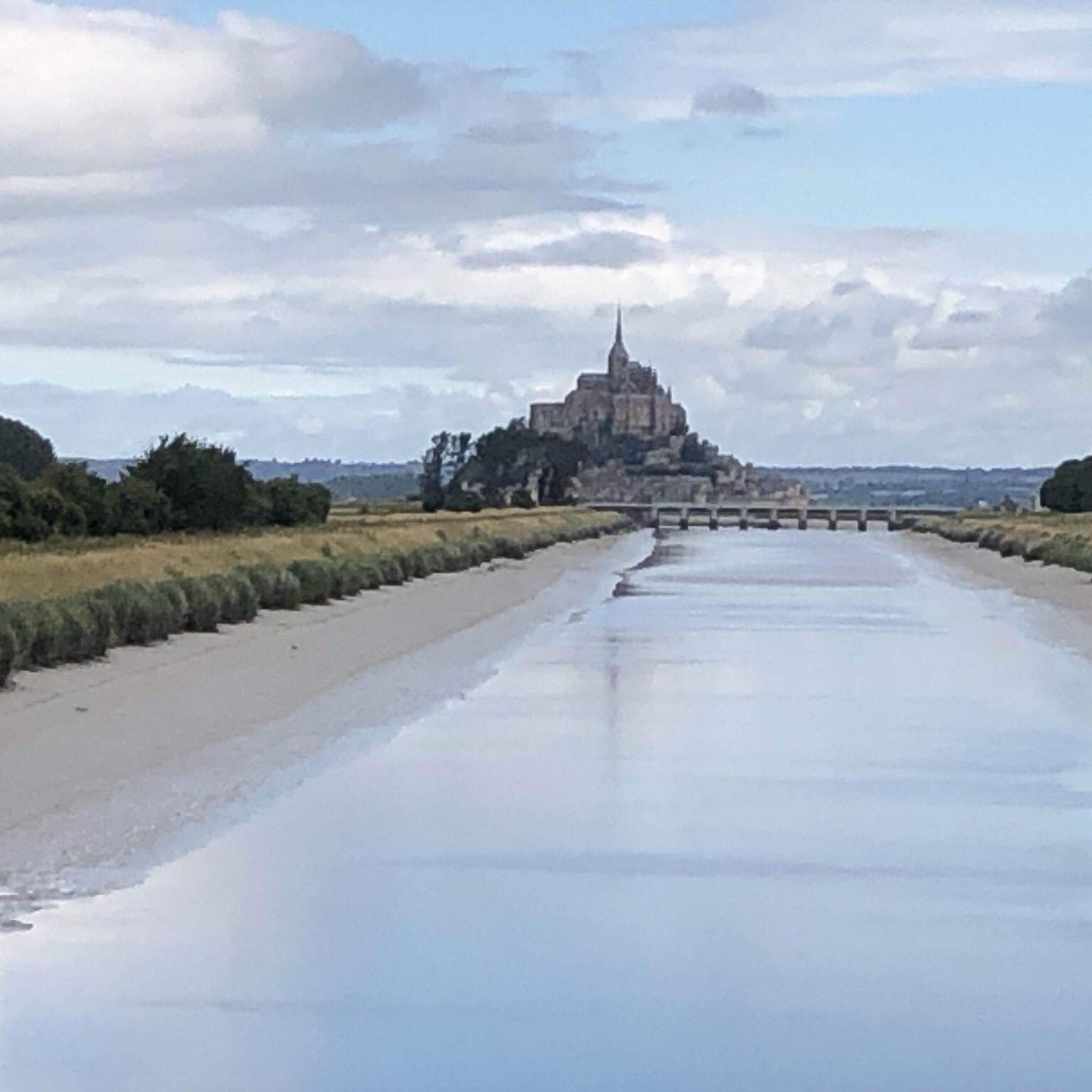
Old priory attached to Mont Saint Michel, the ultimate stage for pilgrims before the Merveille.
0
0

The Notre-Dame de Chauvigné church is a pretty rural church in the heart of the village. Recognizable by its simple and typically Breton architecture, it is a calm place, ideal for a break, with a welcoming little village around it.
0
0

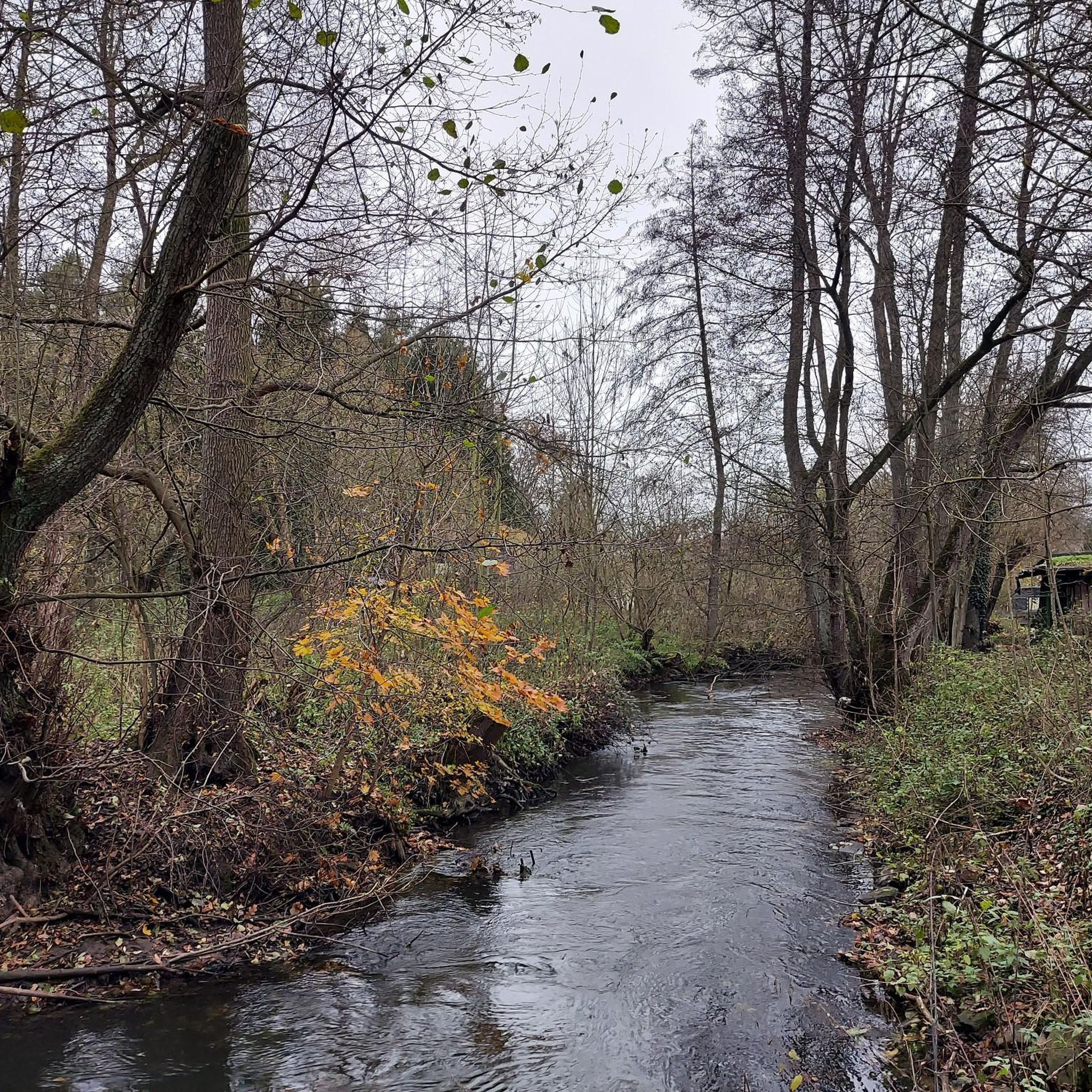
The Jardin du Val Nançon stretches picturesquely along the Nançon River, framing the northern city walls of Fougères with lush greenery. Covering approximately two hectares, various themed areas invite exploration. This includes a botanical garden, the "Priest's Garden," a reference to the remains of an ancient abbey, a so-called "plant cage," and a colorfully landscaped slope. Of particular note is the contemporary glass art sculpture "L'œuvre à la vie" by Louis-Marie Catta from 2000, which represents peace and dialogue between cultures.
1
0
The Place du Marchix is located in the city's oldest district. The square takes its name from the Old French word "marchié," as Fougères's first market once took place here. The district is characterized by well-preserved half-timbered houses dating back to the 16th century, many of which are listed as historical monuments. The square was once a center for artisanal businesses such as tanneries and cloth manufacturers, which used the nearby river to process leather and fabrics.
1
0
The Église Saint-Léonard was built in the 12th century and acquired its present form in the flamboyant Gothic style in the 15th and 16th centuries. During the French Revolution, the church was deprived of its sacred function, but in the 19th century, under architects such as Aristide Tourneux, it underwent extensive renovations, including a new main façade with a large rose window. Inside, 19th-century stained-glass windows depicting episodes from the life of Saint Léonard can be seen.
1
0
The cadastral records of the Château Fort de Fougères mention two towers—the Tour Raoul and the Tour Surienne (also called "tour de Surienne")—dated between 1480 and 1485. The tower was part of the fortifications that were reinforced or rebuilt in the 15th century.
1
0

The Tour Surienne was named after Françoise de Surienne. In March 1449, in the midst of a truce between France and England, François de Surienne, a Spanish mercenary in the pay of the English, attacked in the dead of night with his 600 men. The inhabitants were slaughtered and the city plundered. In 1450, Surienne settled there and entrenched himself. Only after a two-month siege by Francis I, Duke of Brittany, who was aided by a plague epidemic, did Surienne surrender.
0
0

Very pretty chapel, well maintained on the sea wall facing the bay of Mont-Saint-Michel.
0
0
Frequently Asked Questions
How many road cycling routes are available around Saint-Étienne-En-Coglès?
There are over 25 road cycling routes around Saint-Étienne-En-Coglès, catering to various skill levels. These include 4 easy routes, 16 moderate routes, and 5 more challenging options.
What kind of terrain can I expect on road cycling routes in Saint-Étienne-En-Coglès?
The region offers diverse terrain, characterized by peaceful bocage valleys, extensive wooded areas, and a unique granite countryside. You'll find a network of well-paved surfaces and small roads, including "voies vertes" (greenways), providing varied elevation and scenic stretches.
Are there easy road cycling routes suitable for beginners or families in Saint-Étienne-En-Coglès?
Yes, Saint-Étienne-En-Coglès offers several easy road cycling routes perfect for beginners or families. An excellent option is the Notre-Dame Church of Chauvigné – Regalante greenway loop from Saint-Étienne-en-Coglès, which is 25.8 miles (41.5 km) long and features the scenic Regalante greenway, known for its accessible paths.
Where can I find challenging road cycling routes with significant climbs?
For more advanced cyclists seeking a challenge, routes like the Daniel Mangeas Cycling Museum loop from Saint-Étienne-en-Coglès offer substantial elevation gains. This route covers 106.8 km (66.4 miles) with over 1000 meters of ascent, providing a demanding ride through the region's varied landscape.
What are some notable landmarks or attractions I can see while cycling in the area?
Many routes pass by significant historical sites and natural features. You can cycle past the impressive medieval Fougères Castle, explore the charming Place du Marchix with its half-timbered houses, or visit the Saint Léonard Church. The region also features historic manors and châteaux, offering glimpses into its rich heritage.
Are most road cycling routes in Saint-Étienne-En-Coglès circular?
Yes, many of the popular road cycling routes in the Saint-Étienne-En-Coglès area are designed as loops, allowing you to start and finish at the same point. Examples include the Fougères Castle – Saint Léonard Church loop and the Old Town of Mellouen loop.
What do other road cyclists enjoy most about cycling in Saint-Étienne-En-Coglès?
The area is highly rated by the komoot community, with an average score of 4.1 stars from over 30 reviews. Cyclists often praise the diverse and scenic routes that traverse peaceful bocage valleys and wooded areas, as well as the well-paved surfaces and varied elevation that cater to different ability levels.
What is the best time of year to go road cycling in Saint-Étienne-En-Coglès?
The region's climate makes spring through early autumn generally ideal for road cycling, offering pleasant temperatures and lush landscapes. While cycling is possible year-round, checking local weather conditions is always recommended, especially during winter months when conditions can be cooler and wetter.
Are there any long-distance road cycling routes available?
Yes, for those looking for longer rides, routes such as the Mont-Dol – Panoramic view of Mont loop from Saint-Étienne-en-Coglès extend over 121 km (75 miles), offering an extensive journey through the region with significant elevation changes.
Can I find routes that combine cycling with other natural attractions?
Absolutely. While cycling, you can easily incorporate visits to natural attractions. For example, the region is home to the Jardin de l'eau in Saint-Germain-en-Coglès and the Parc Botanique de Haute Bretagne in Le Châtellier, which offer opportunities for leisurely strolls and appreciation of diverse flora.
Are there any specific greenways or traffic-free paths for road cycling?
Yes, the region features "voies vertes" (greenways) and small roads with less traffic, providing tranquil stretches for cyclists. The Notre-Dame Church of Chauvigné – Regalante greenway loop is a prime example, utilizing the scenic Regalante greenway for a pleasant ride.
Where can I find more information about cycling trails in the wider Brittany region?
For broader information on cycling trails beyond Saint-Étienne-En-Coglès, you can consult resources like the official tourism website for the Marches de Bretagne: tourisme-marchesdebretagne.com.
Most popular routes around Saint-Étienne-En-Coglès
Most popular attractions around Saint-Étienne-En-Coglès

Get inspired with the komoot mobile app


Explore more
Browse the best Road cycling routes in other regions.
