Attractions and Places To See around Saint-Erblon - Top 20
Best attractions and places to see around Saint-Erblon include a blend of historical sites, natural landscapes, and cultural points of interest within the Ille-et-Vilaine department of Brittany, France. The area features notable landmarks like 16th-century manors and churches, alongside the scenic Vilaine valley. Visitors can explore a variety of marked walking and cycling routes that showcase the commune's heritage and natural beauty. The region offers diverse options for outdoor activities and cultural discovery.
Best attractions and places to see around…
Last updated: October 5, 2026
Boël Mill
Highlight • Monument
Essential place for walks or bike rides (mountain biking, road or gravel, there is something for everyone) and …
Translated by Google •
Tip by

The drawbridge at the Cicé lock
Highlight • Bridge
This allows you to reach Chavagne from the Vilaine towpath (and vice versa).
Note that this part of the Vilaine is …
Translated by Google •
Tip by
Sign up now to discover places like this
Get recommendations on the best single tracks, peaks, & plenty of other exciting outdoor places.
Pont-Réan
Highlight • Bridge
Bakery, restaurant, butcher, water point in the immediate vicinity
Translated by Google •
Tip by
Saint-Maximilien-Kolbé Church
Highlight • Religious Site
Translated by Google •
Tip by

The Maltière Execution Hill
Highlight • Other
Translated by Google •
Tip by

Sign up for free to discover even more attractions around Saint-Erblon.
Already have an account?
Start today with a free account
Your next adventure awaits.

Tips from the Community

Hello everyone, The bridge has been dismantled for two years, undergoing repairs in the navigation workshops. I hope to see it again one day.
0
0

Cicé lock in Bruz. Possibility of crossing the Vilaine on foot or by bike.
0
0


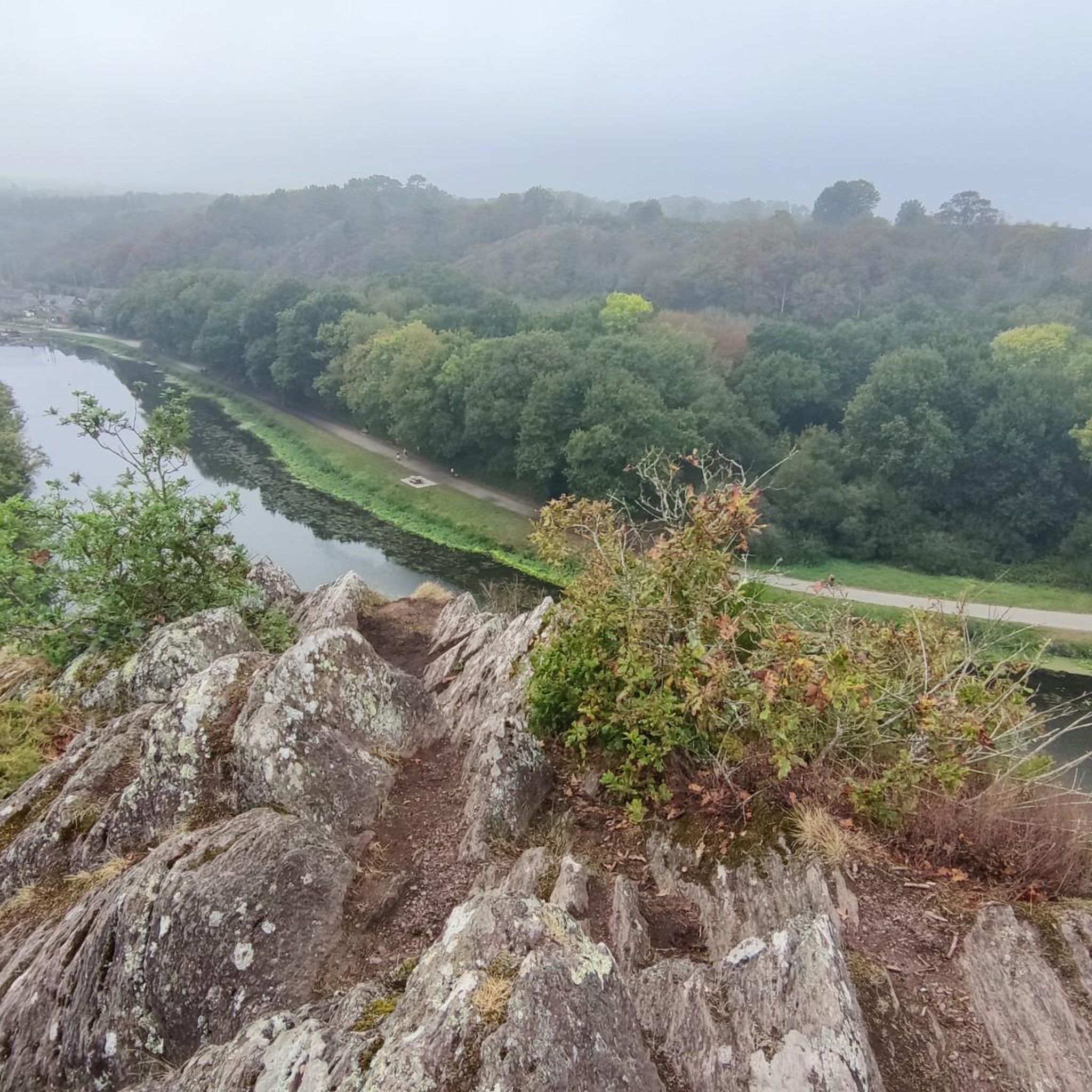
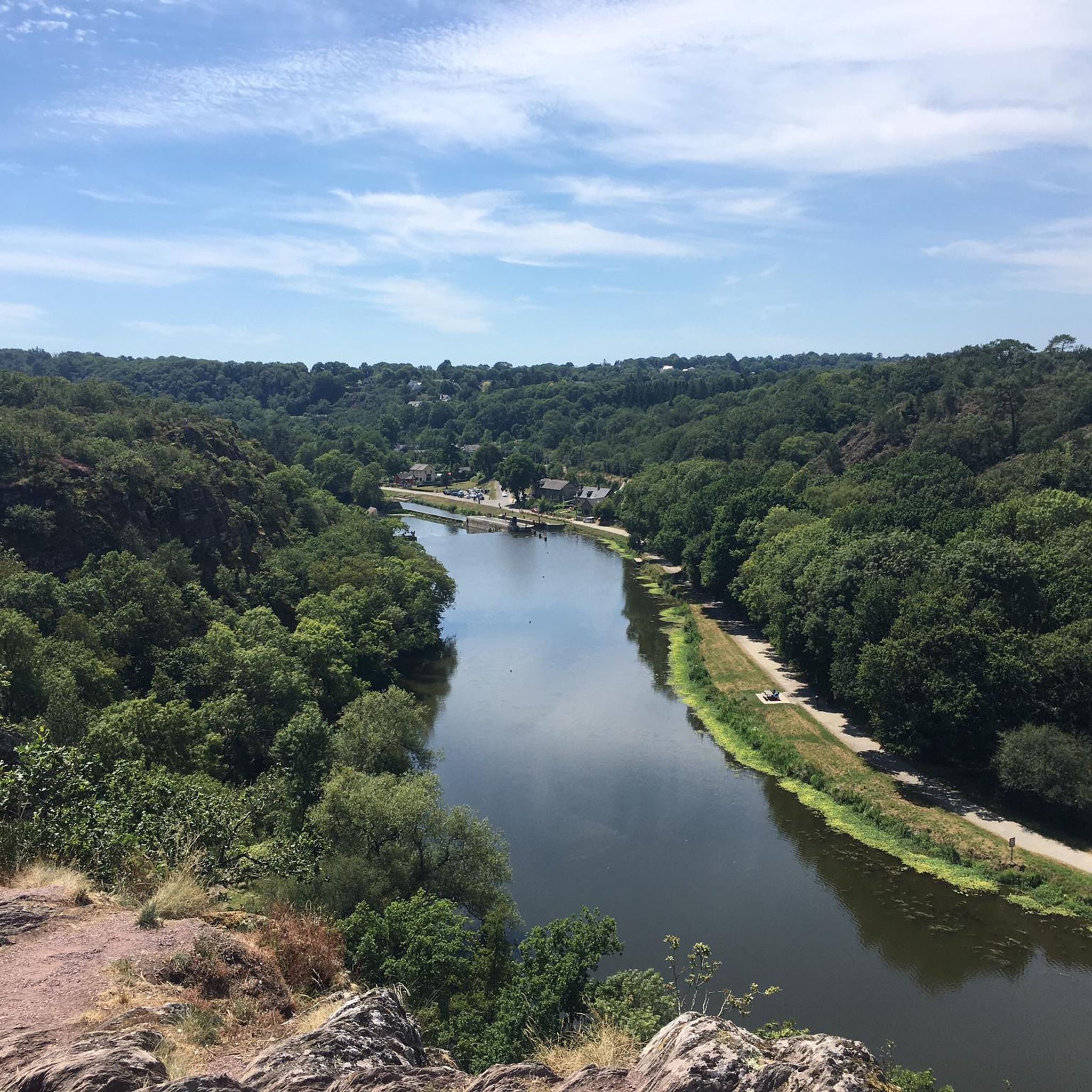
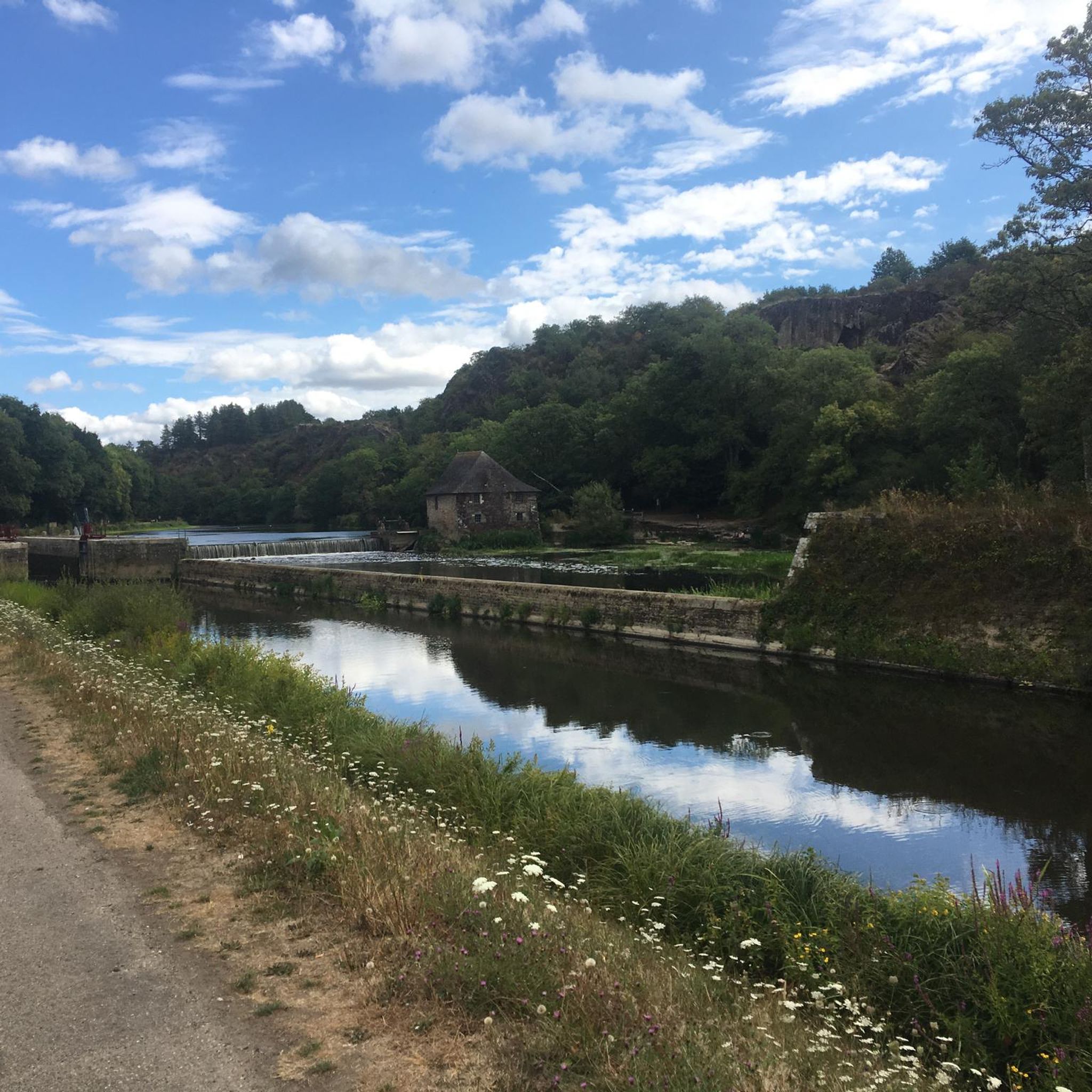
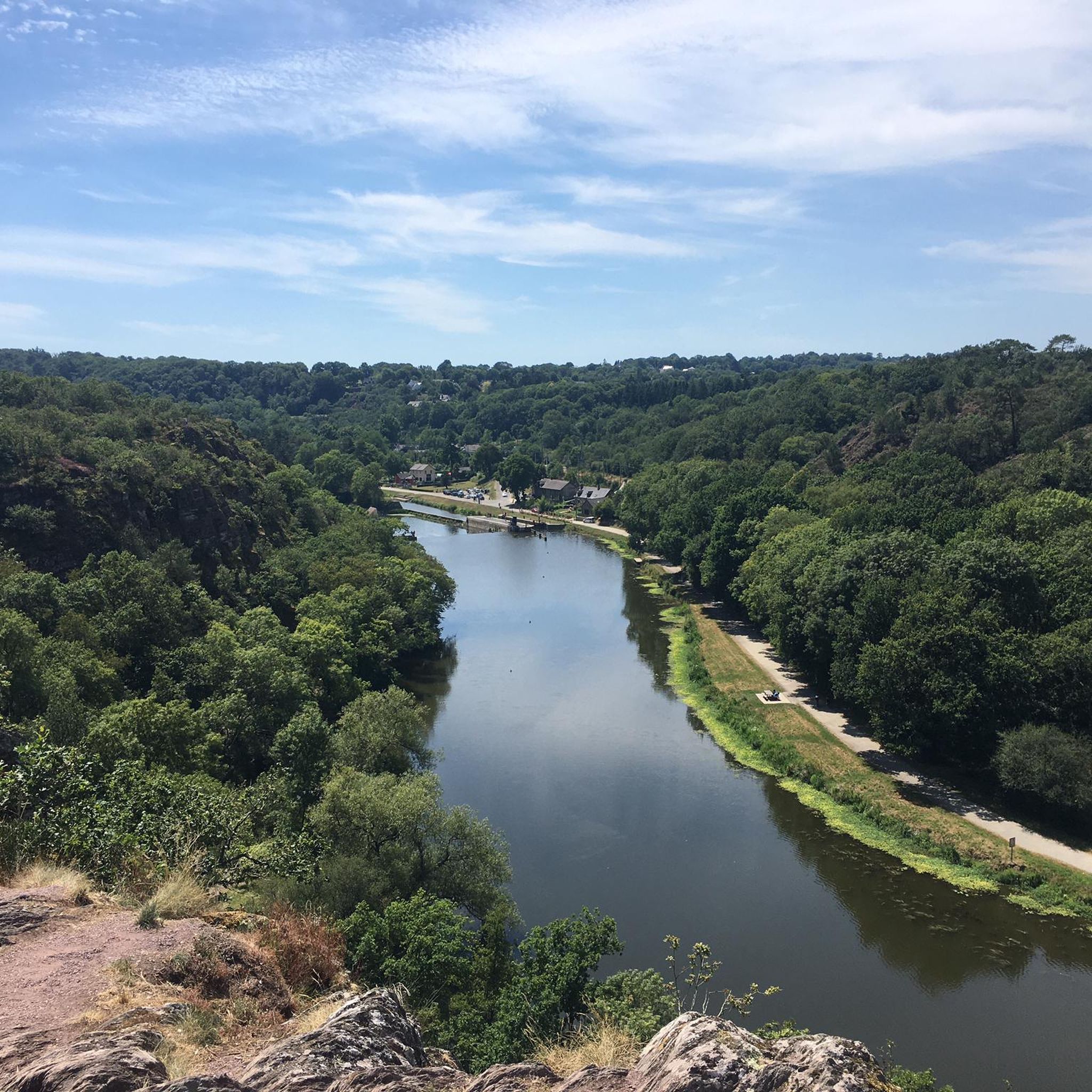
view of the vilaine and the mill of the boel
0
0


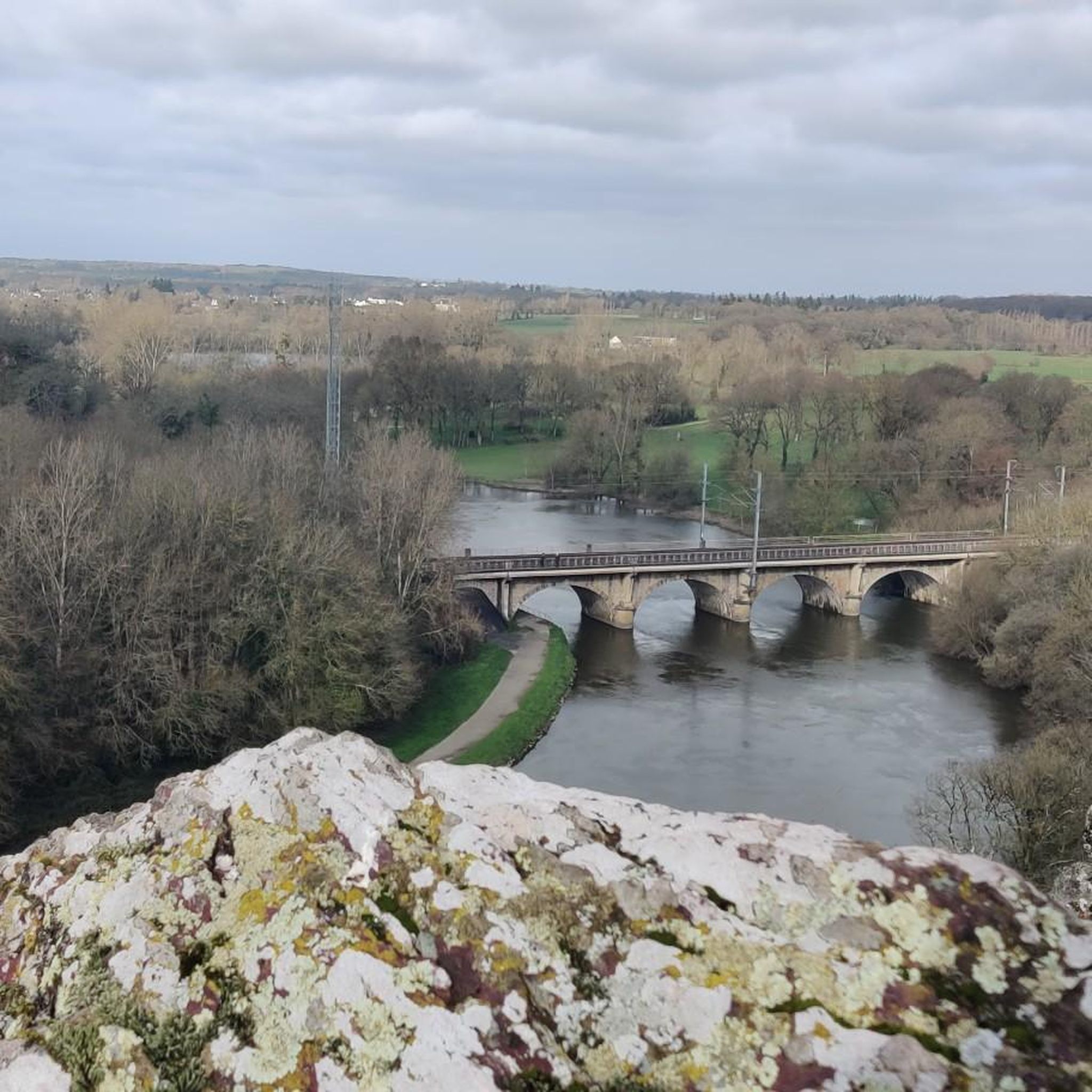
Very pretty bridge built in 1767 and classified as a historical monument.
0
0


Frequently Asked Questions
What natural features can I explore around Saint-Erblon?
The region around Saint-Erblon is rich in natural beauty. A highlight is the picturesque Boël Mill in the Vilaine valley, a popular spot for walks and bike rides. The wider Vilaine valley itself offers scenic landscapes. Nearby, you can find various forests like Forêt de Rennes and Forêt de Chevré, and numerous ponds such as Étang de la Cantache and Étang de la Valière, providing ample opportunities for outdoor exploration.
Are there historical sites to visit in Saint-Erblon?
Yes, Saint-Erblon and its surroundings boast several historical sites. The Saint-Maximilien-Kolbé Church, though technically outside Saint-Erblon, is a notable religious building with a unique Byzantine style. Within Saint-Erblon, you can find the Saint-Hermeland Church, the 16th-Century Cross in the Cemetery (a protected historical monument), and the private Manoir de la Salle dating back to the 16th and 17th centuries. The remains of a 12th or 13th-century tower behind the House at 33 Place de l'Eglise also hint at an early medieval castle.
What cultural attractions are available for visitors?
Saint-Erblon offers a unique cultural center called La Casba, a renovated former supermarket transformed into a space for workshops, cultural events, and performances, particularly aimed at young audiences. The commune also preserves elements of its rural heritage, including numerous wells, communal bread ovens (fours banaux), and characteristic earthen houses built with clay mortar and straw.
Are there family-friendly activities or places around Saint-Erblon?
Many attractions around Saint-Erblon are suitable for families. The Boël Mill is ideal for family walks, bike rides, and picnics, with the passage of boats through the lock being a spectacle for all ages. The drawbridge at the Cicé lock and Pont-Réan are also noted as family-friendly spots along the Vilaine towpath. The cultural center La Casba also hosts events for young audiences.
What kind of outdoor activities can I do, like cycling or hiking?
The area around Saint-Erblon is excellent for outdoor activities. You can enjoy various marked pedestrian and cycling routes, such as the 'Hermeland est,' 'Hermeland ouest,' and 'Hermeland sud' walking circuits, and the 'La Vallée de la Seiche' cycling circuit. The Boël Mill is a popular starting point for walks, mountain biking, road cycling, gravel biking, kayaking, and canoeing along the Vilaine towpath. For more specific routes, you can explore the Road Cycling Routes around Saint-Erblon or Gravel biking around Saint-Erblon guides.
Where can I find easy walking trails near Saint-Erblon?
For easy walks, the towpath along the Vilaine river, particularly around the Boël Mill and Pont-Réan, offers flat and scenic paths. Saint-Erblon itself has several marked pedestrian circuits like 'Hermeland est,' 'Hermeland ouest,' and 'Hermeland sud' that are suitable for leisurely strolls to discover the commune's landscapes and heritage.
What is the best time of year to visit Saint-Erblon for outdoor activities?
The spring and autumn months generally offer pleasant weather for outdoor activities around Saint-Erblon, with milder temperatures and beautiful natural scenery. Summer is also popular, especially for water-based activities like kayaking and canoeing on the Vilaine. Always check local weather forecasts before planning your visit.
Are there any unique or 'hidden gem' spots worth discovering?
Beyond the main attractions, consider exploring the architectural heritage of Saint-Erblon, such as the preserved wells and communal bread ovens that reflect its rural traditions. The restored washhouse on Rue du Vivier also offers a glimpse into local history. For a unique historical perspective, the The Maltière Execution Hill near Saint-Jacques-de-la-Lande provides a poignant look into World War II history.
What do visitors particularly enjoy about the attractions in this area?
Visitors frequently praise the picturesque landscapes, especially around the Boël Mill, noting it as an emblematic site for walks and bike rides. The opportunity to observe boats passing through the locks, like at Cicé, is also a popular highlight. The blend of natural beauty with historical sites and well-maintained trails makes the region appealing for diverse interests.
Are there options for mountain biking around Saint-Erblon?
Yes, the area is well-suited for mountain biking. The Boël Mill is a known starting point for MTB trails, and you can even cross the SNCF bridge and climb the cliffs for superb panoramas. For detailed routes, check out the MTB Trails around Saint-Erblon guide, which includes routes like 'Millennium Park – Rocky Singletrack Trail loop from Saint-Erblon' and 'Rocky Singletrack Trail – Path along the Seiche River loop from Saint-Erblon'.
What are some notable bridges or waterways in the region?
The Vilaine river and its valley are central to the region's waterways. Key bridges include Pont-Réan, which connects Guichen and Bruz, and the drawbridge at the Cicé lock, providing access between Chavagne and the Vilaine towpath. These spots are not only functional but also offer scenic views and are popular for walks and cycling.
Are there any sites related to World War II history nearby?
Yes, the The Maltière Execution Hill in Saint-Jacques-de-la-Lande is a significant historical site from World War II. Originally a shooting range, it became a place where German forces executed resistance fighters during the occupation. It serves as a poignant memorial to the events of that period.
Most popular routes around Saint-Erblon

Get inspired with the komoot mobile app


Explore more
Still not found the Highlight you’re looking for? See guides of the top attractions in other regions:
