The best road cycling routes around Dussac
4.6
(15)
497
riders
123
rides
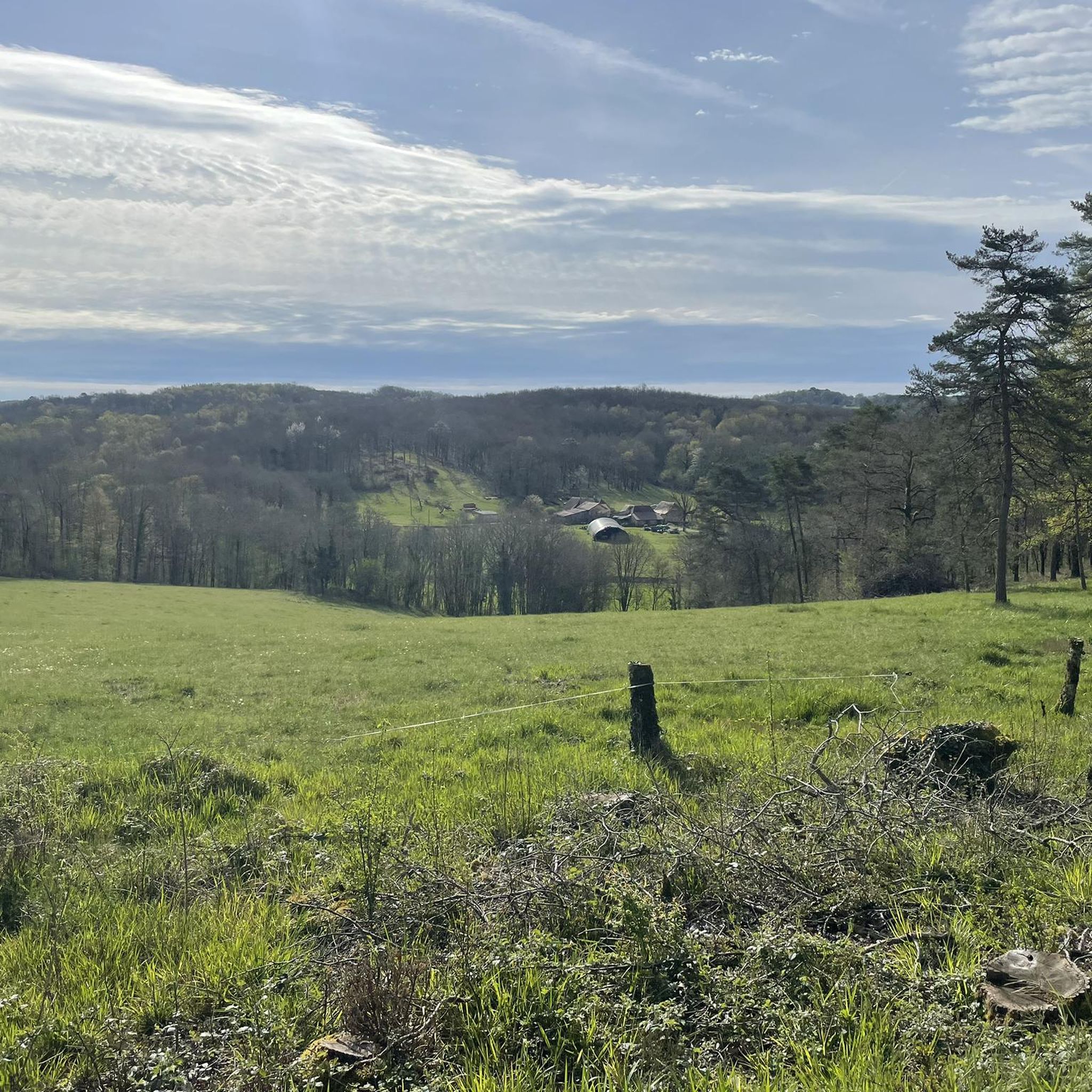
Road cycling routes around Dussac are situated within the Périgord-Limousin Regional Natural Park, offering a diverse landscape for cyclists. The area features undulating countryside with a mix of gentle climbs and descents, providing varied terrain. Cyclists can expect to traverse quiet country roads, ride through oak forests and walnut groves, and follow tranquil river valleys. This region is characterized by its natural splendor and extensive network of low-traffic routes.
Best road cycling routes around Dussac
- The most popular road cycling…
Last updated: July 2, 2026
5.0
(4)
16
riders
57.6km
02:33
570m
570m
Moderate road ride. Good fitness required. Mostly well-paved surfaces and easy to ride.
13
riders
50.1km
02:32
770m
770m
Moderate road ride. Good fitness required. Mostly well-paved surfaces and easy to ride.

Sign up for free
11
riders
34.2km
01:35
410m
410m
Moderate road ride. Good fitness required. Mostly well-paved surfaces and easy to ride.
8
riders
56.0km
02:37
700m
700m
Moderate road ride. Good fitness required. Mostly well-paved surfaces and easy to ride.
4.0
(2)
7
riders
36.7km
01:42
340m
340m
Moderate road ride. Good fitness required. Mostly well-paved surfaces and easy to ride.
Get access to more routes and recommendations from other explorers.
Sign up for free
Already have an account?
Our route recommendations are based on thousands of hikes, rides, and runs completed by other people on komoot.
Start today with a free account
Your next adventure awaits.
Login or Signup


Tips from the Community

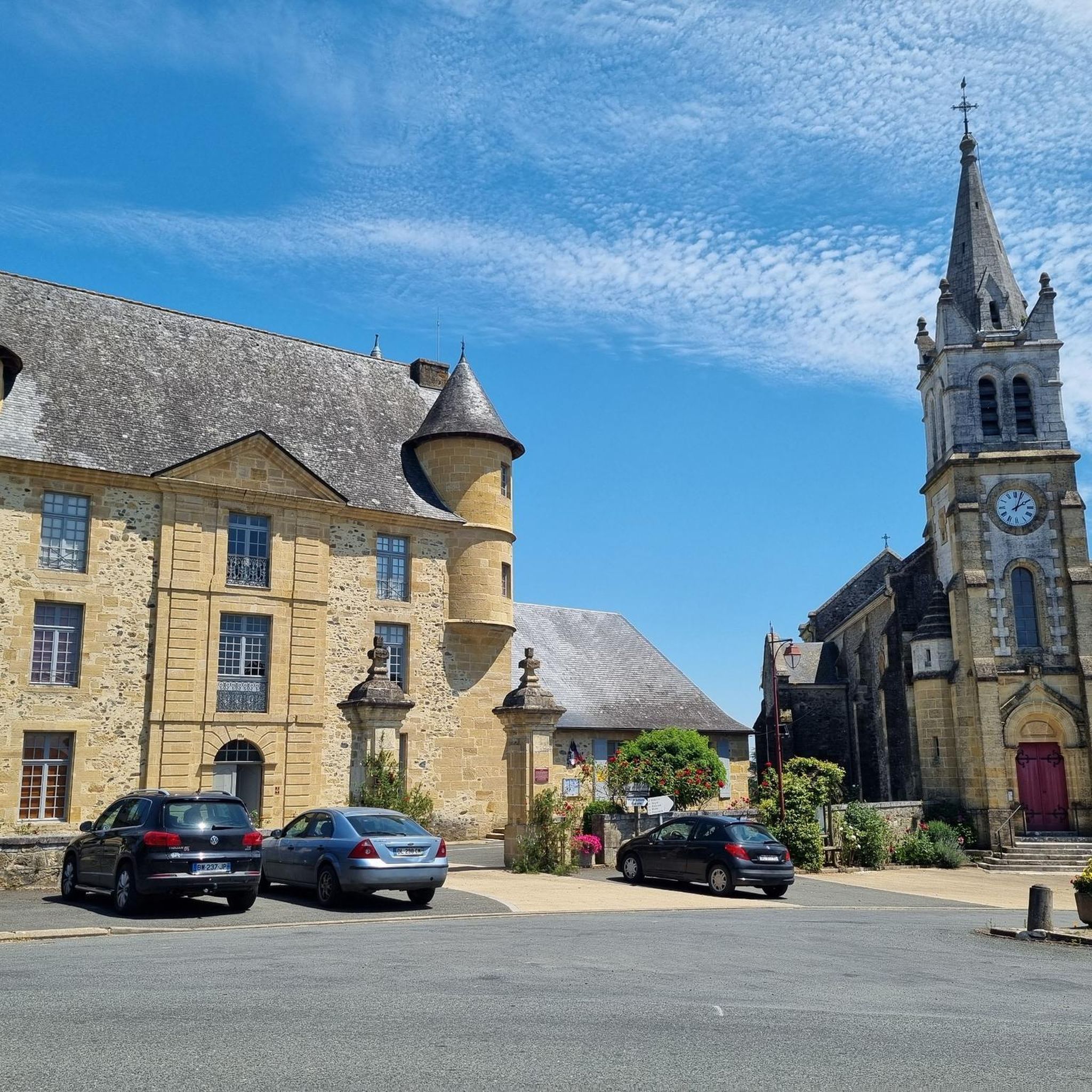
Why Visit Thiviers? For its gastronomy: Thiviers is a paradise for gourmets. With its fat markets, truffles and local products, the city offers an authentic and unique culinary experience. For its historical heritage: Between its Gothic church and its museums, Thiviers allows you to delve into the history of Périgord and discover the Périgord way of life. For the surrounding nature: Located in the Périgord Vert, the city is an excellent starting point for exploring the surrounding countryside, whether through hikes or bike rides. Thiviers is an ideal destination for those looking to discover the gastronomic and natural heritage of Périgord, while enjoying the charm of an authentic and welcoming small town.
1
0
Nature and hiking: Green environment: Surrounded by hills and forests, Thiviers is the ideal starting point for hikes in the Périgord Vert. Nature lovers can take advantage of the marked trails to discover the local flora and fauna. The Thiviers-Saint-Pardoux greenway: This old railway line transformed into a cycle path allows you to explore the surrounding countryside in complete tranquility, whether on foot or by bike. Market and local traditions: Weekly market: The Thiviers market is a meeting place for locals and visitors. You can find local products, fruits, vegetables, cheeses, and of course, Périgord specialties such as foie gras and duck confit. Festivals and festivals: Thiviers regularly organizes cultural and gastronomic events, such as the Foire du Gras, which celebrates local products, or even music and traditional arts festivals. Vaucocour Castle: 18th century building: Located not far from the city, this castle, surrounded by a magnificent park, is a beautiful example of 18th century architecture. It is possible to visit its gardens and learn more about local history.
1
0
Thiviers, located in the Dordogne, is a charming little town in the Périgord Vert, renowned for its rich historical and gastronomic heritage. Nicknamed the "capital of foie gras and truffles", Thiviers is a destination of choice for lovers of good food and history buffs. Surrounded by green landscapes, this town offers a beautiful immersion in the culture and traditions of the Périgord. Points of Interest in Thiviers: Historical Heritage: Notre-Dame-de-l'Assomption Church: This Gothic church, dating from the 13th century, is one of the most important monuments in Thiviers. It impresses with its sober and elegant architecture, with its square bell tower and colorful stained glass windows. Museum of earthenware and tableware: Located in a private mansion, this museum houses a beautiful collection of old earthenware and tableware objects, testifying to the importance of culinary traditions in Périgord. Local gastronomy: Capital of foie gras: Thiviers is world-renowned for its foie gras production. Every year, foie gras markets attract many visitors, and the city regularly organizes gastronomic events showcasing this emblematic product. Périgord truffles: In addition to foie gras, Thiviers is also famous for its truffles, these precious mushrooms that make the region famous. The truffle market in winter is an unmissable event for gourmets.
1
0

Hautefort Castle, located on a rocky outcrop overlooking the town and village of Hautefort, is a rare example of classical architecture in the Dordogne. Built from the 16th to the 17th century on the foundations of an old castle, its architecture is reminiscent of the castles of the Loire. The construction, led by architects Nicolas Rambourg and Jacques Maigret, was intended for the family of the Marquis de Hautefort, close to the king and influential at Court, renowned for their generosity towards the poor. During the Revolution, the castle was protected by the inhabitants of Hautefort, who repelled a revolutionary troop from Excideuil wanting to destroy it. At the beginning of the 20th century, the castle was in ruins, having lost its furniture, its woodwork and parquet floors. In 1929, it was bought by the Baron and Baroness de Bastard, who undertook a complete restoration. After the Baron's death in 1957, the Baroness continued the work alone. A fire in 1968 destroyed the central building, leaving only the charred exterior walls. Thanks to national and local generosity, as well as the support of personalities, Baroness de Bastard undertook a second restoration, even selling her works of art to finance the work. The facades, frames, ceilings, decorations and rooms were reconstructed identically from photos. The woodwork of the Château de Kerlaudy was recovered and the castle was completely refurnished. In 1977, Baroness de Bastard moved back into the castle and opened it to visitors. In 1984, she created the Château de Hautefort Foundation, to which she donated the building, its estate and its furniture. Today, the interiors not open to the public are still being restored. The French gardens, recreated by the baron and baroness, extend into terraces around the castle, with flowered boxwood embroidery beds and are classified as historic monuments. An English-style park of 30 hectares extends on the hill to the west of the castle.
0
0
The Hôtel-Dieu d'Hautefort dates from the 17th century and today houses the Hautefort Museum of the History of Medicine and also the tourist office. In Old French, Hôtel-Dieu meant “the hotel of God”, that is to say the hospitable house where one is received in the name and under the auspices of God. Hotels Dieu are hospitals of ancient foundation, which received orphans, destitute and pilgrims and which were administered by the Church. During your visit, you will be able to discover 7 rooms dedicated to different themes: The room of the eternal father: Originally the hotel god was designed to accommodate 11 women, 11 men and 11 children, the number 33 symbolizing the age of Christ. The room of the eternal father is a reconstruction of a room as it must have been at that time to accommodate eleven men. Also in this room, a reproduction of an abandonment tower: also called a “baby box”, this is a place where mothers could anonymously leave their babies, generally newborns, so that they are found and cared for there. The room of the divine word: Here is an exhibition of liturgical vestments. The Hippocrates room: This room is dedicated to pharmacy and biology equipment for the manufacture of medicines The Plato room: You will find four dental offices from different eras on display there from 1910 to 1970. from the first use of electricity to the office with x-ray and laser. The Aristotle room: This room is dedicated to the history of radiography and to gynecology and obstetrics. The Galien room: Pneumology, surgery and cardiology are exhibited in this Galien room. The chapel A Simples garden allows you to discover all these plants that are so useful to your health. A visit is possible with Madame LOUIS Geneviève, herbalist, whose store is close
1
0
The Abbey of Tourtoirac is a Romanesque building from the 11th century which experienced an important monastic life linked to the Abbey of Saint-Martial in Limoges, known in the 13th century for its cultural influence.
0
0

The town of Thiviers is located on the way to Saint Jacques de Compostela and at the start of the Flow Vélo. It is home to several half-timbered houses from the 16th century as well as many buildings of architectural interest such as the Château de Malaveix and... the Maison du Foie-gras!
1
0

Very pleasant visit to this very well maintained castle. The gardens are absolutely stunning. It's like being in a cartoon at times, the paths and the flowerbeds are cut with a line. Very beautiful surroundings, very green landscapes. We feel good in this place.
2
0
Frequently Asked Questions
How many road cycling routes are available around Dussac?
There are over 100 road cycling routes around Dussac listed on komoot. These include 13 easy routes, 78 moderate routes, and 12 difficult routes, offering options for various skill levels.
What kind of terrain can I expect on road cycling routes near Dussac?
Road cycling around Dussac offers a diverse landscape within the Périgord-Limousin Regional Natural Park. You'll encounter rolling hills with a mix of gentle climbs and descents, quiet country lanes, and tranquil river valleys. Routes often pass through verdant forests, oak groves, and walnut groves, providing a scenic and varied experience.
Are there road cycling routes suitable for beginners or families in Dussac?
Yes, Dussac offers routes suitable for beginners and families. There are 13 easy routes available, characterized by more gentle climbs and descents. The region is also known for its 'Voies Vertes' (greenways) and low-traffic country roads, which provide peaceful and safe cycling experiences, often flat and shaded, ideal for leisurely rides.
What are some more challenging road cycling routes around Dussac?
For experienced cyclists seeking a challenge, there are 12 difficult routes around Dussac. These routes feature significant elevation gains and longer distances. An example is the Abbaye Saint-Pierre-ès-Liens – Brouchaud Loop loop from Excideuil, which covers 68.5 km with nearly 1000 meters of elevation gain.
Can I find circular road cycling routes in the Dussac area?
Yes, many of the road cycling routes around Dussac are designed as circular loops, allowing you to start and end at the same point. Popular examples include the Jumilhac Castle – Career loop from Excideuil and the Hautefort Castle – Hautefort Castle loop from Gandumas.
What historical sites or villages can I visit while road cycling near Dussac?
The region around Dussac is rich in history. You can cycle past impressive châteaux like Jumilhac Castle and the imposing Château de Hautefort. Picturesque villages such as Excideuil and Saint-Jean-de-Côle offer charming stops with historical architecture. The Thiviers Old Town is another notable stop.
Are there any scenic viewpoints or natural attractions along the road cycling routes?
Absolutely. The routes often traverse charming valleys and ride alongside rivers, offering beautiful natural scenery. You might encounter natural attractions such as the Saut Ruban Waterfall, the Suspension Bridge Over the Auvézère, or cycle through the serene Enchanted Forest.
What is the best time of year for road cycling in Dussac?
The Périgord-Limousin Regional Natural Park offers beautiful cycling conditions throughout much of the year. Spring and summer provide lush green landscapes, while autumn brings golden hues. The region's diverse panoramas shift with the seasons, making it enjoyable from spring through autumn, with generally mild weather.
Are there opportunities for cafe stops or places to eat along the routes?
Yes, cycling through the Dordogne region provides ample opportunities to experience its famed gastronomy. Quaint village bakeries, restaurants, and cafés in towns like Excideuil and Thiviers offer perfect spots for a break and to sample local produce like truffles, duck confit, and walnut salads.
How can I access the road cycling routes around Dussac, particularly regarding parking or public transport?
While specific public transport options directly to trailheads might be limited in rural areas, many routes start from villages like Excideuil or Lanouaille, where parking is generally available. The region is well-connected by road, making car access straightforward. For longer tours, the Flow Vélo route, a significant cycle path, has entry points relatively close to Dussac, such as Thiviers.
What do other cyclists say about road cycling in Dussac?
The road cycling routes in Dussac are highly rated by the komoot community, with an average score of 4.7 stars from numerous reviews. Cyclists often praise the quiet country lanes, the diverse and scenic landscapes of rolling hills and forests, and the well-maintained paths that allow for an immersive experience in the natural splendor of the Périgord-Limousin Regional Natural Park.
Are there any long-distance road cycling options connecting to other regions?
Yes, Dussac's location within the Périgord-Limousin Regional Natural Park means it's part of a larger cycling network. The Flow Vélo route, a 400 km cycle path connecting Sarlat to Île d'Aix, passes through the southern part of the park, with Thiviers being a nearby entry point. This allows for integration into longer regional cycling adventures.
Most popular attractions around Dussac

Get inspired with the komoot mobile app


Explore more
Browse the best Road cycling routes in other regions.
