Attractions and Places To See around Marcorignan - Top 20
Best attractions and places to see around Marcorignan are primarily found in its immediate vicinity, particularly near Narbonne and along the Canal du Midi. This commune in the Aude department of southern France serves as a base for exploring a region rich in history and natural landscapes. The area is characterized by its peaceful setting, offering access to diverse historical sites, natural parks, and significant waterways. Visitors can experience a blend of cultural heritage and outdoor exploration.
Best attractions and…
Last updated: October 10, 2026
The Port of Somail
Highlight • Settlement
Translated by Google •
Tip by

Junction of the Canal du Midi and the Canal de la Robine
Highlight • Other
Translated by Google •
Tip by

Sign up now to discover places like this
Get recommendations on the best single tracks, peaks, & plenty of other exciting outdoor places.
Narbonne Cathedral
Highlight • Historical Site
Translated by Google •
Tip by

View over Paraza
Highlight • Settlement
Translated by Google •
Tip by
Archbishops' Palace of Narbonne
Highlight • Historical Site
Translated by Google •
Tip by
Sign up for free to discover even more attractions around Marcorignan.
Already have an account?
Start today with a free account
Your next adventure awaits.

Tips from the Community

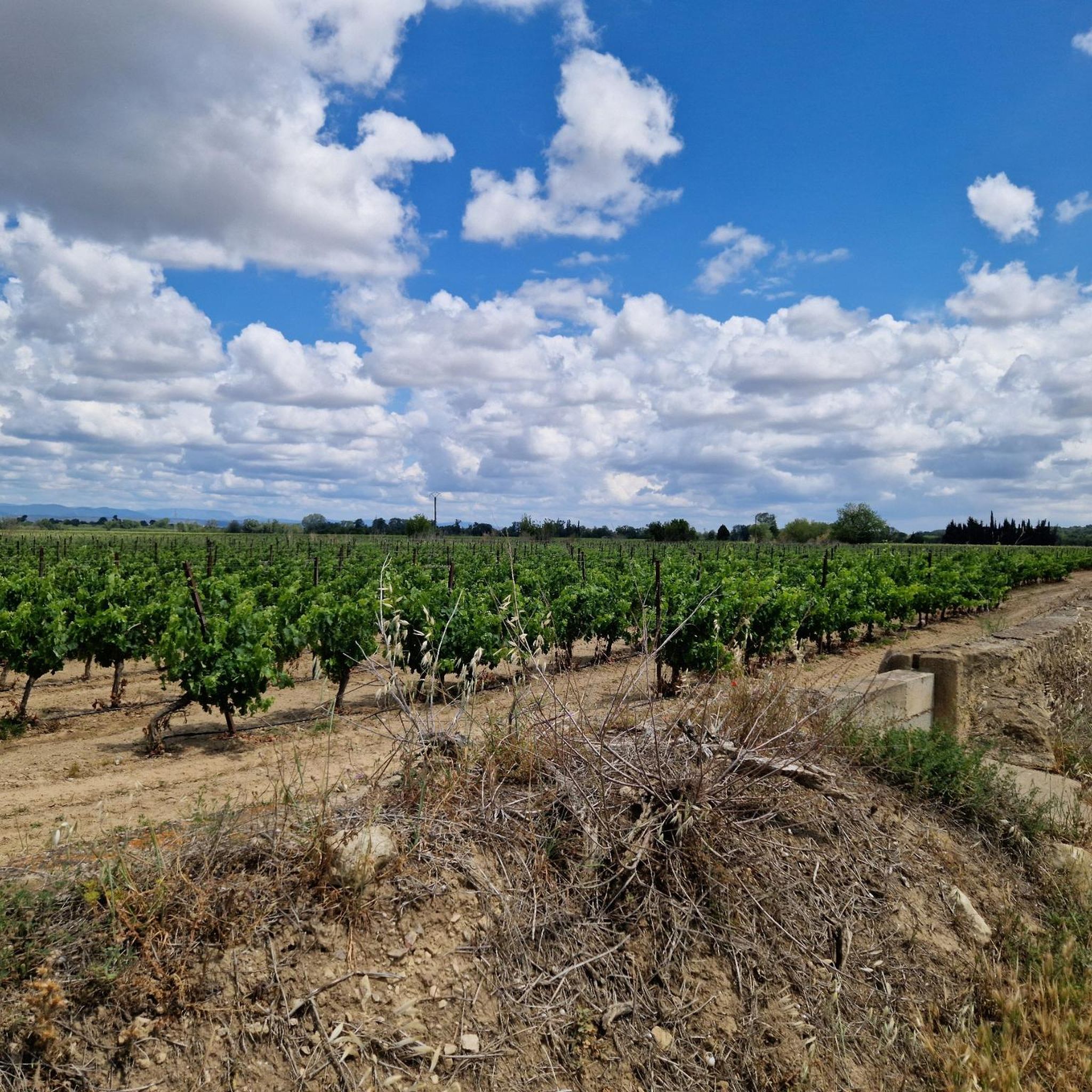
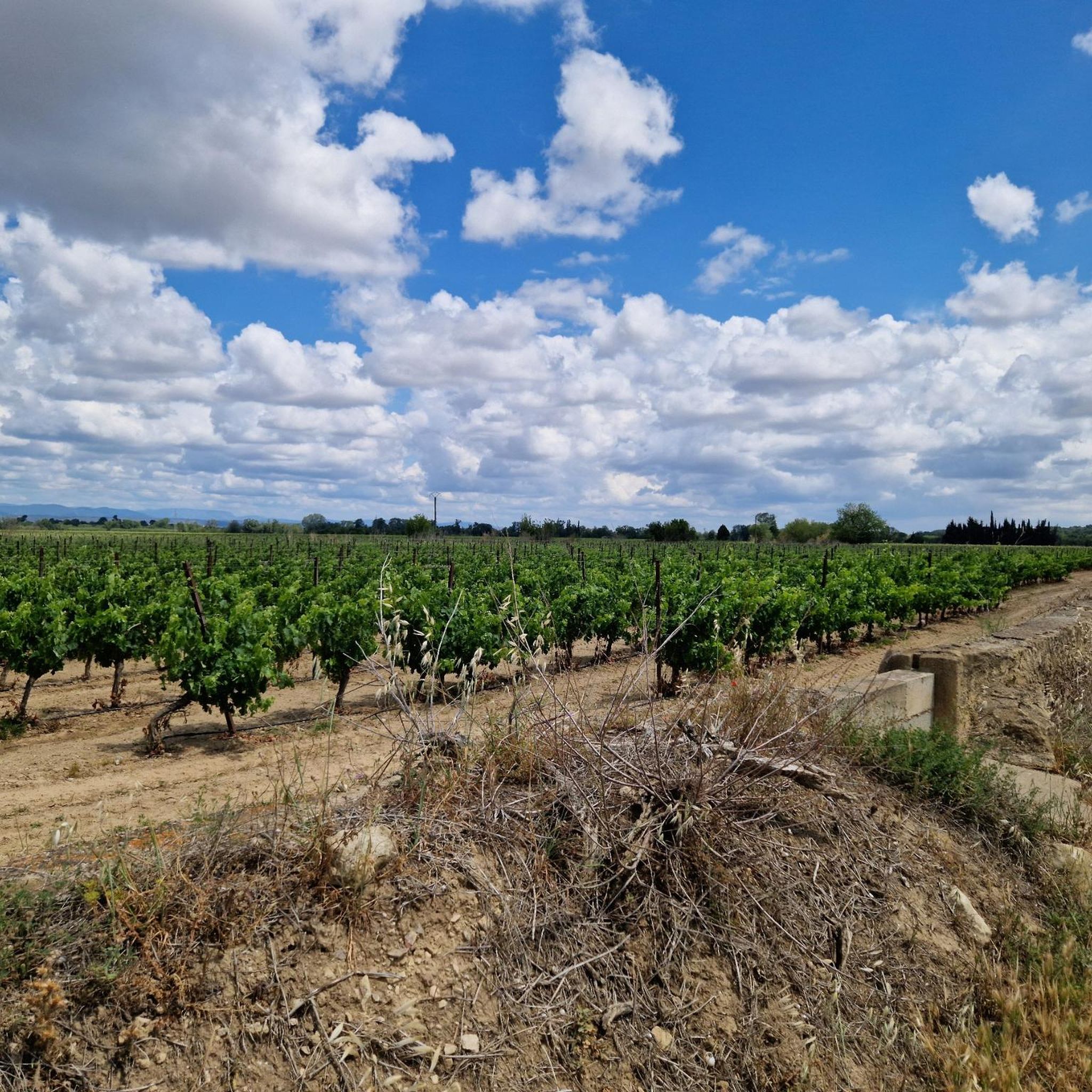
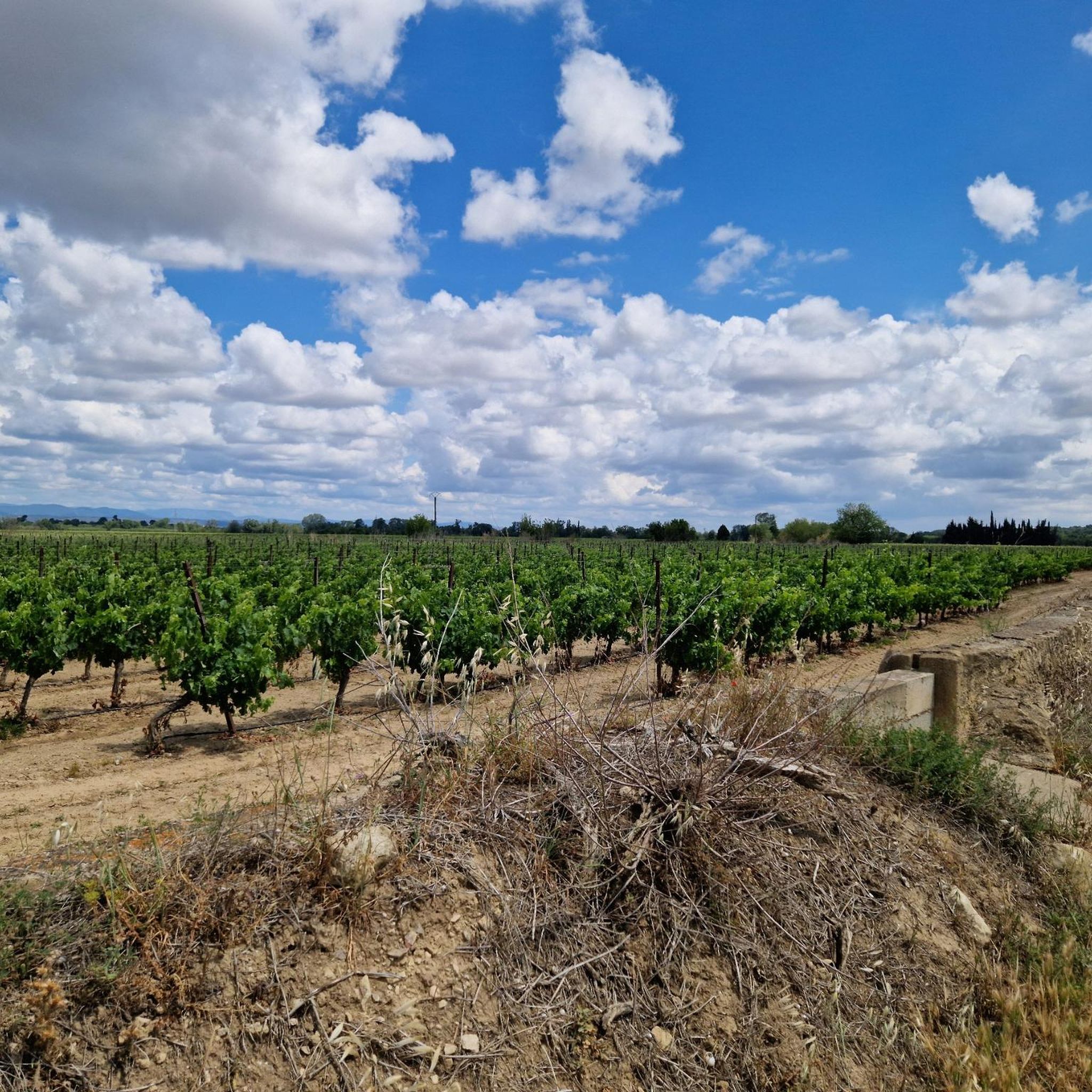
Paraza is a wine-growing village in the Minervois region of the Aude, rich in its history dating back beyond the Roman period. It is marked by the construction of the Canal du Midi, during which Pierre Paul Riquet resided at the Château de Paraza during the works on the Canal and the Pont canal du Répudre.
0
0
Le Somail features remarkable buildings, including the inn, which has retained the same appearance as in 1773, the chapel, built between 1684 and 1693, and even an ice house. This supplied the inn and the shops of Le Somail with ice during the hot summer days of Languedoc. Everything is still in place! In the heart of the village is the Pont Saint-Marcel with its remarkable semi-circular shape, typical of the early bridges of the Canal du Midi. Nearby, one can still admire the guard's house, which also housed the postmen. On the banks of the canal, you can still see the old watering trough for the draft horses.
0
0
The Junction Canal was commissioned in 1787 to connect the Canal du Midi to the Canal de la Robine in Narbonne. 5 km long, it is partly lined with magnificent umbrella pines that shelter you from the sun. This canal is part of the UNESCO World Heritage site "Canal du Midi", just like the Canal de la Robine.
0
0

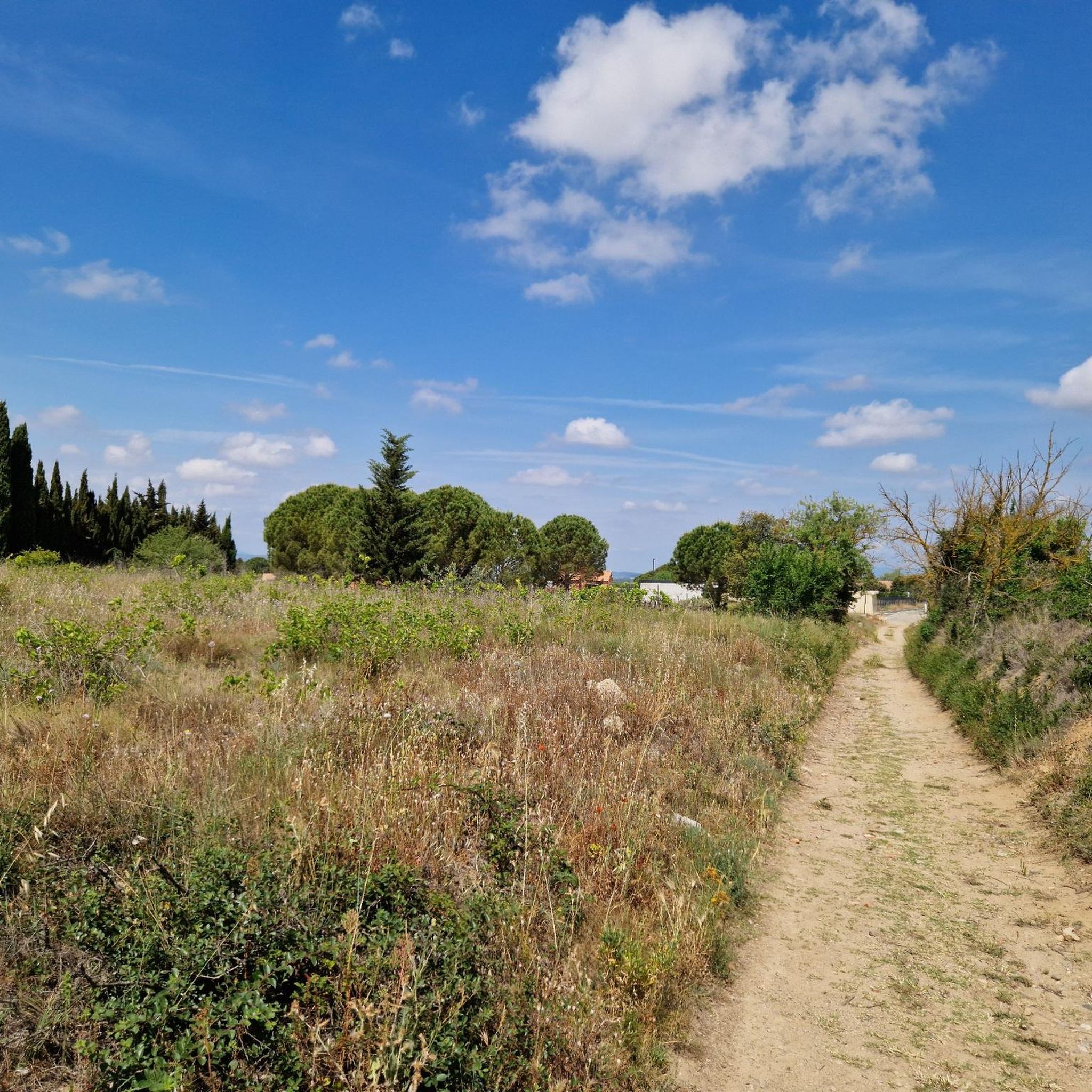
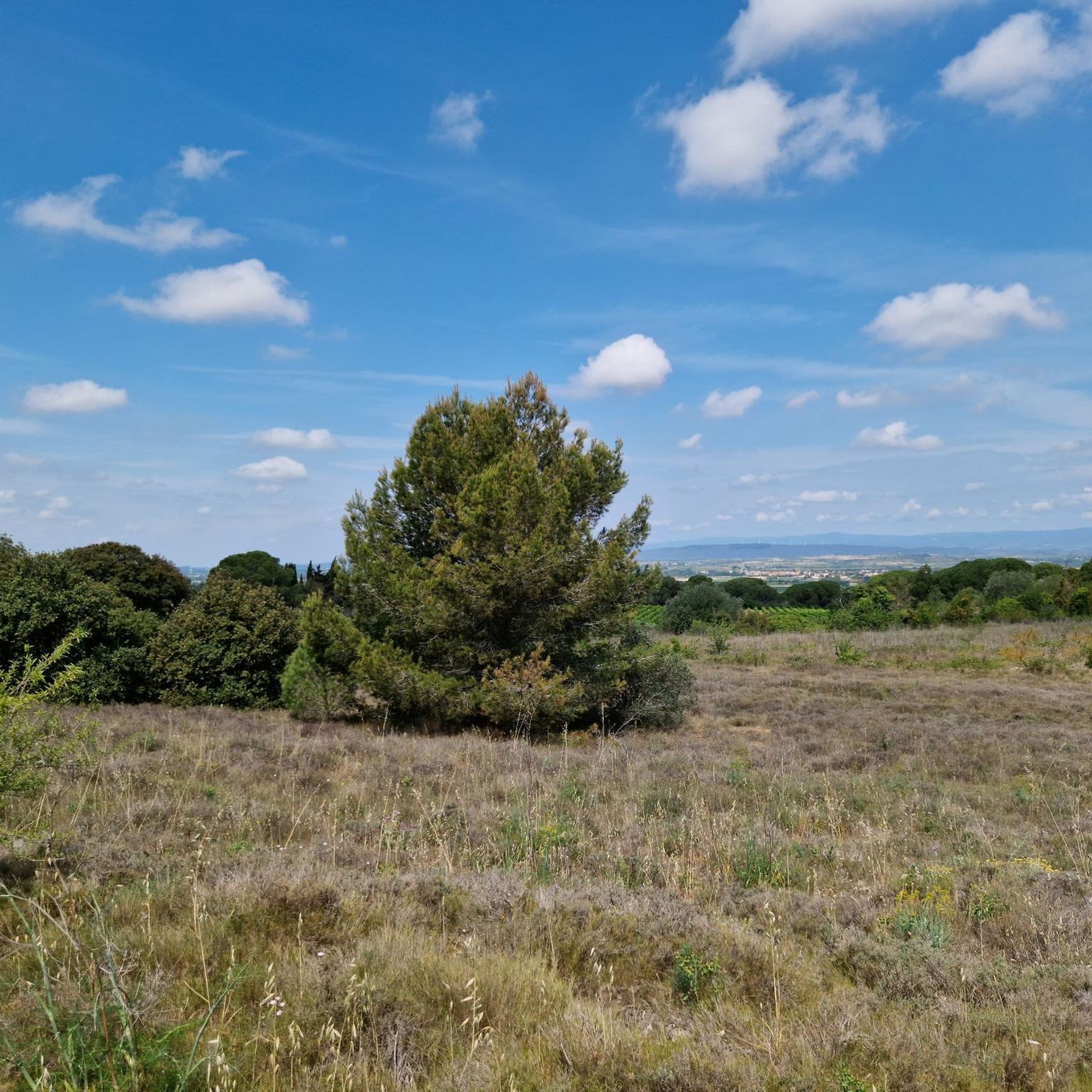
wonderfully beautiful landscape here
0
1

Narbonne Cathedral is an unfinished Roman Catholic former episcopal church. The church has held the status of a Monument historique since 1840.
2
0
The Palace of the Archbishops of Narbonne is an imposing, castle-like complex dating from the 12th to the 18th centuries, symbolizing the power and history of the region. Today it houses the town hall as well as art and archaeology museums.
3
0

A tour is worthwhile
2
0

Frequently Asked Questions
What historical sites can I visit near Marcorignan?
The region around Marcorignan is rich in history. You can explore the ancient Via Domitia, traces of the first Roman road in Gaul, which connected Italy with Spain. Also, visit the impressive Saint-Just and Saint-Pasteur Cathedral of Narbonne, a significant landmark. Further afield, the 12th-century Abbaye de Fontfroide and the Roman Granary Museum in Narbonne offer deeper insights into the area's past.
Are there any picturesque villages or towns to explore?
Yes, several charming villages are easily accessible. The Port of Somail, a picturesque hamlet on the banks of the Canal du Midi, is known for its bridge, chapel, and scenic setting that has inspired many painters. Minerve and Lagrasse, both recognized as 'Most Beautiful Villages of France,' are also within reach, offering ancient streets and medieval architecture.
What natural attractions are there around Marcorignan?
Marcorignan is located within the expansive Narbonnaise en Méditerranée Natural Regional Park, offering diverse landscapes including wetlands, scrubland, and Mediterranean coastline. A unique natural phenomenon is the Gouffre de l'Œil Doux, an emerald-green lake surrounded by 40-meter-high cliffs within the Massif de la Clape. While swimming is prohibited, it's a striking sight. The Forêt de Fontfroide also provides opportunities for nature walks.
What outdoor activities can I do near these attractions?
The area is perfect for outdoor enthusiasts. You can enjoy cycling along the Canal du Midi, with routes like the Gailhousty Lock and Spillway – Via Domitia loop. For runners, there are trails such as the Pech de Labade loop or the scenic route from The Port of Somail to La Cesse Aqueduct. Explore more options on the Cycling around Marcorignan and Running Trails around Marcorignan guide pages.
Are there family-friendly attractions around Marcorignan?
Many attractions are suitable for families. The picturesque The Port of Somail offers a pleasant setting for a stroll along the Canal du Midi. The Junction of the Canal du Midi and the Canal de la Robine is an interesting engineering marvel that can be explored by bike or on foot. For a wilder experience, the Sigean African Reserve, home to thousands of animals, is a popular choice for all ages.
What is the significance of the Canal du Midi in this region?
The Canal du Midi is a central feature of the region, offering both historical and recreational value. It's a UNESCO World Heritage site, and you can visit key points like The Port of Somail, a historic stop for post boats. The Junction of the Canal du Midi and the Canal de la Robine is a significant hydraulic engineering site that connects the Canal du Midi directly to the Mediterranean Sea.
Where can I find local markets near Marcorignan?
To experience local produce and crafts, you can visit markets in nearby towns. Narbonne, Coursan, Lézignan-Corbières, and Gruissan all host markets on various days of the week, providing a vibrant glimpse into local life and culinary traditions.
What are some unique engineering marvels to see?
The region features impressive hydraulic engineering. The Junction of the Canal du Midi and the Canal de la Robine is where the Canal de Jonction branches off to connect to the Mediterranean. Another notable site is the Gailhousty Lock and Spillway, a complex system of locks, bridges, and spillways designed to manage water levels and connect the canals to the Aude river.
What do visitors enjoy most about the attractions around Marcorignan?
Visitors particularly appreciate the blend of historical exploration and natural beauty. The picturesque settings along the Canal du Midi, such as The Port of Somail, are often highlighted for their charm. The historical significance of sites like the Via Domitia and the engineering marvels of the canals also receive high praise for their unique appeal.
Are there opportunities for hiking or walking near Marcorignan?
Yes, the Narbonnaise en Méditerranée Natural Regional Park offers numerous routes and trails for hiking and walking. You can find easy walks around the canals or more challenging trails within the park's diverse landscapes. For specific routes, check out the Running Trails around Marcorignan guide, which includes various walking and running paths.
What is the best time to visit Marcorignan and its surrounding attractions?
The region generally enjoys a Mediterranean climate. Spring (April-June) and early autumn (September-October) are often considered ideal, offering pleasant temperatures for outdoor activities and exploring historical sites without the intense heat of summer. During these periods, the natural landscapes are vibrant, and tourist crowds are typically smaller.
Most popular routes around Marcorignan

Get inspired with the komoot mobile app


Explore more
Still not found the Highlight you’re looking for? See guides of the top attractions in other regions:
